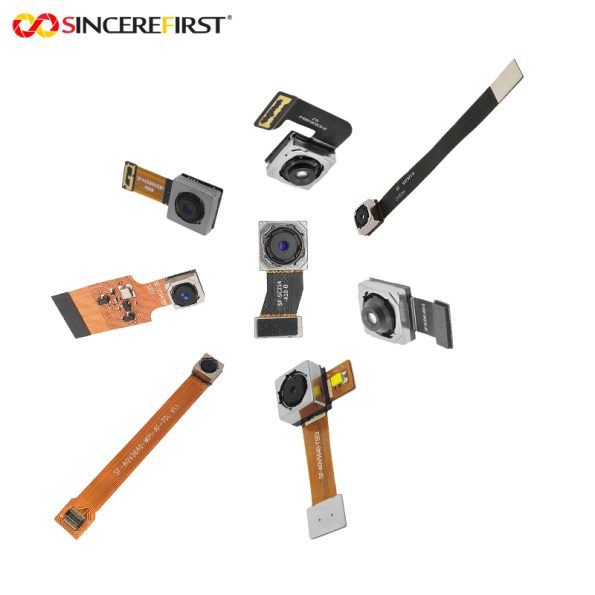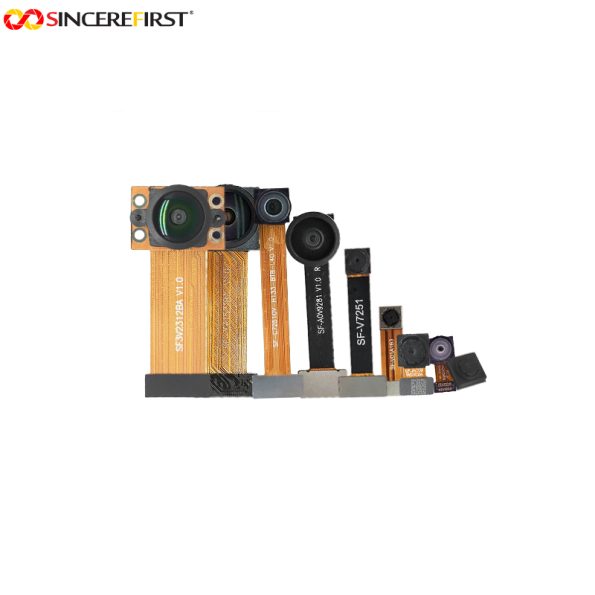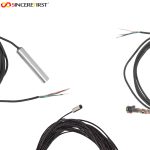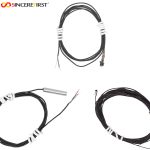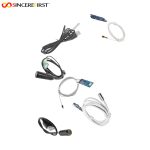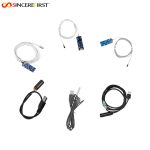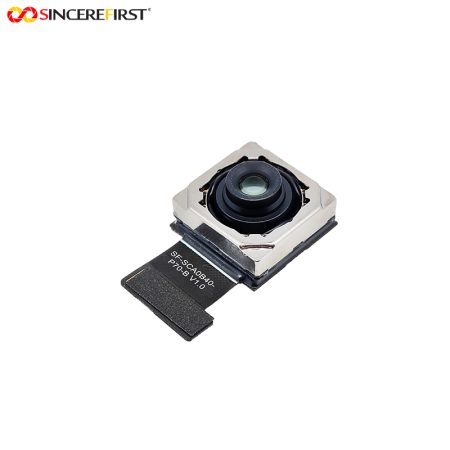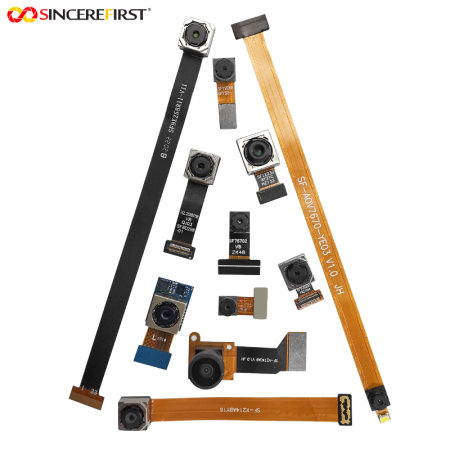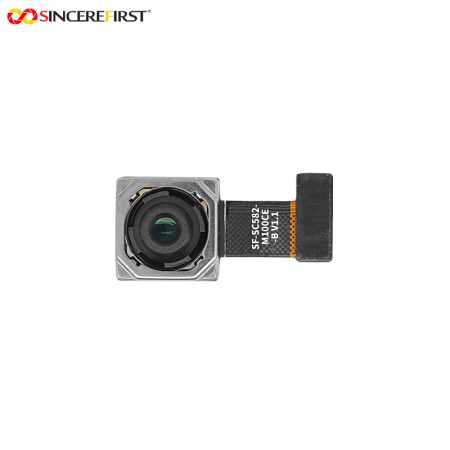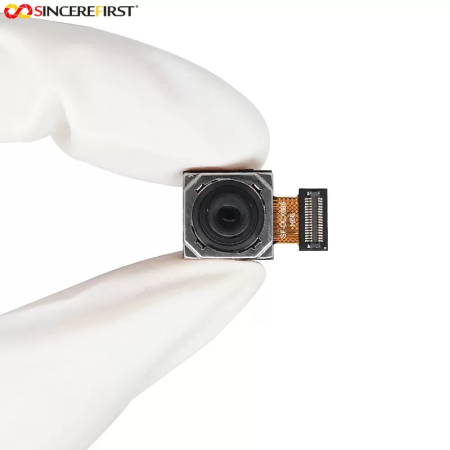






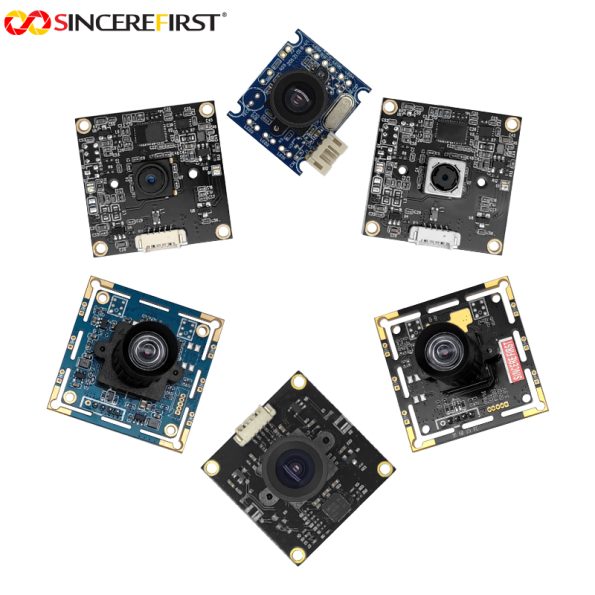
External Trigger Global Shutter Camera Modules for Synchronized Machine Vision and High-Speed Imaging
¥1.00

Explore external trigger global shutter camera modules with USB, MIPI and DVP interfaces for synchronized image capture, motion imaging and customized vision system integration.

—————————————————————————————–
Price is for reference only. Please contact us for the latest quotation.
+
  • External Trigger Global Shutter Camera Modules for Synchronized Machine Vision and High-Speed Imaging

    ¥1.00

    Request a Call Back

    • External Trigger Global Shutter Camera Modules for Synchronized Machine Vision and High-Speed Imaging

      ¥1.00

      Ask a Question

        ... people are viewing this right now

        Share

      Introduction

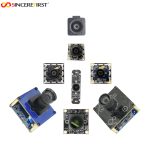
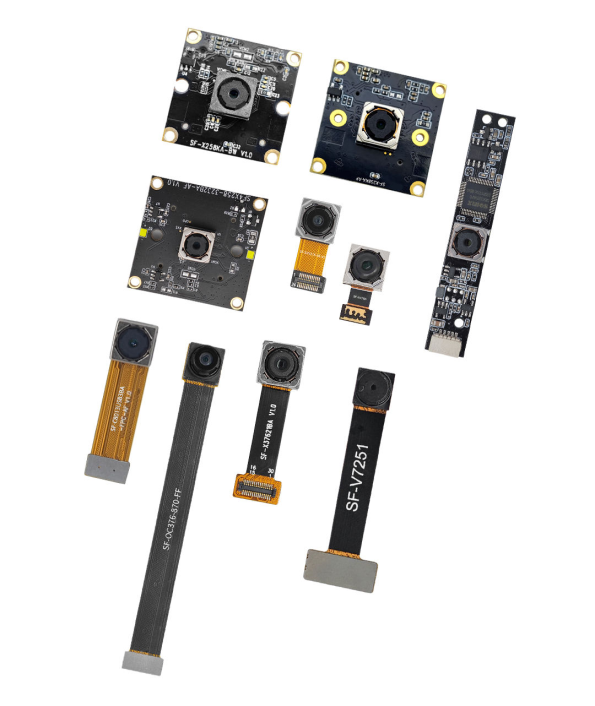
      External Trigger Global Shutter Camera Module Series is designed for vision systems where image capture timing and motion image accuracy are critical considerations.

      Unlike standard camera modules that continuously capture images independently, external trigger models allow image acquisition to be controlled by external signals, helping synchronize the camera with equipment operation, lighting events or inspection processes.

      Combined with Global Shutter sensors, these modules help reduce motion distortion when capturing moving targets and provide flexible integration options through USB, USB Type-C and MIPI/DVP interfaces.

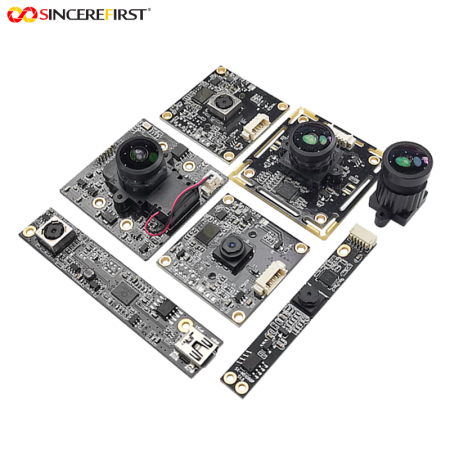
      The series includes compact embedded modules, high-speed USB solutions, FPGA-based configurations and customized optical options for different device integration requirements.

      Applications in Real Devices

      Automated Inspection Equipment

      For inspection equipment where image capture needs to match a specific machine position or processing step, external trigger allows the camera to capture images according to the equipment timing.

      Global Shutter helps maintain image consistency when components or platforms are moving during inspection.


      High-Speed Motion Imaging Systems

      When objects move quickly during image capture, rolling shutter distortion may affect shape, position or edge accuracy.

      Global Shutter modules are suitable for systems requiring more stable motion image acquisition.


      Multi-Camera and Synchronized Imaging Systems

      For systems using multiple cameras, external lighting or external control signals, trigger capability helps coordinate image capture timing between different components.


      Embedded Vision Equipment

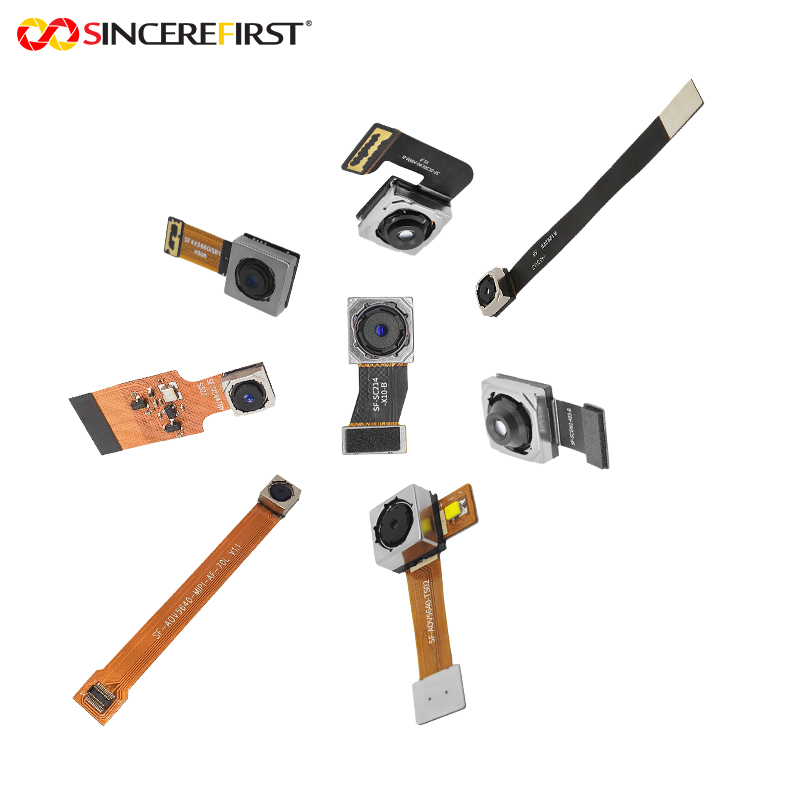
      Compact module structures, USB/MIPI/DVP interface options and customizable optical configurations support integration into equipment where camera size, connection method and installation position need to match the device design.

      How to Choose the Integration Direction

      Choose by Motion Requirement

      When the target moves during image capture, global shutter models are preferred to reduce motion distortion. External trigger should be considered when image capture timing needs to match external signals.

      Choose by Interface and System Integration

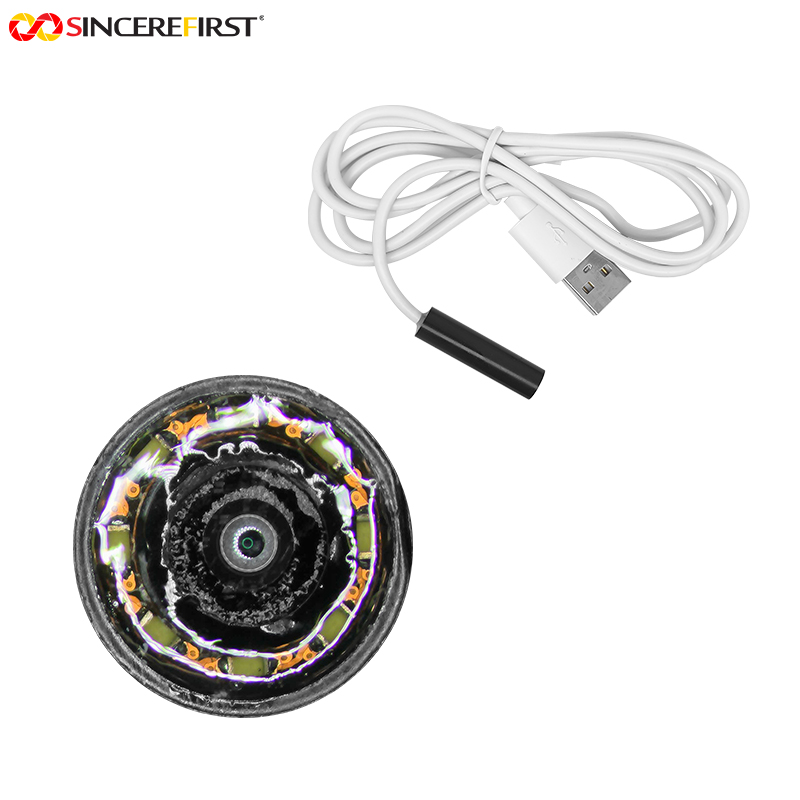
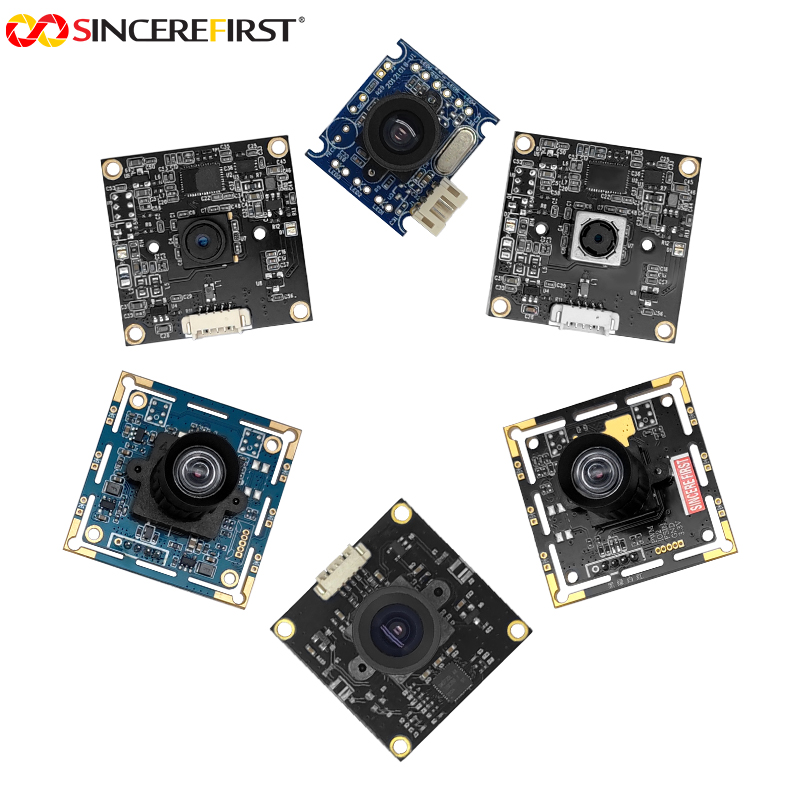
      USB2.0, USB3.0, USB Type-C and MIPI/DVP options can be selected according to host platform, transmission requirement and device structure.

      Choose by Optical Requirement

      Lens selection should be evaluated according to target distance, field of view and installation space.

      Featured Models

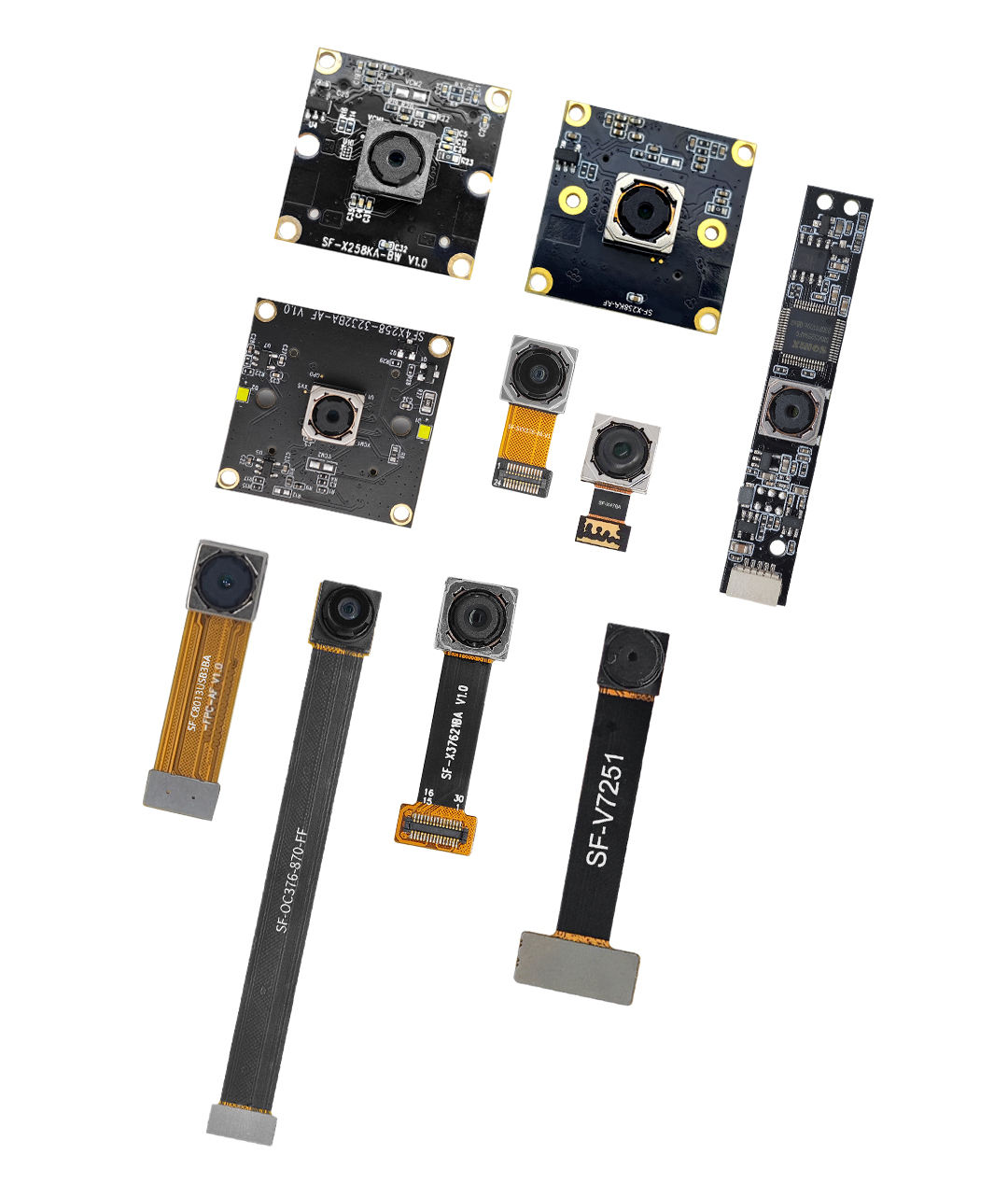
      ModelSensorProduct DirectionReason to Consider
      SF2A543-3.0ON Semiconductor AR0234USB3.0 Global Shutter Trigger CameraConsider when the system requires high-speed USB transmission, external trigger synchronization and optional optical zoom capability.
      SF5A162-FPGACMOS + FPGAFPGA-Based Trigger Imaging ModuleConsider when FPGA functions or customized image-processing directions are required.
      SF-SQ2A443-3.0Color/Mono CMOSCompact USB Type-C Trigger CameraConsider when USB3.0 Type-C integration and optional LED housing are preferred.
      SF-C2013OV-GB&M-D&M-FPCOG02B1B / OG02B10Ultra-Wide Embedded Global Shutter ModuleConsider when the device requires wide-angle imaging and MIPI/DVP embedded integration.
      SF8A169CMOS4K External Trigger USB CameraConsider when higher resolution imaging and customized module dimensions are required.
      SF-SJF20-QJBGOG02B10 / OG02B1BCompact USB Global Shutter ModuleConsider when a compact 2MP trigger camera structure is required.
      SF2A418-CDCMOSUVC-Compatible Trigger Camera ModuleConsider when standard USB integration and UVC compatibility are important.

      SincereFirst Customization

      Lens and Optical Configuration

      Standard lens configurations are available for different imaging requirements. Lens parameters, field of view and optical structure can be evaluated according to target distance, object size and installation space.

      External Trigger Configuration

      External trigger timing and signal requirements can be evaluated according to the equipment control system and synchronization method.

      Interface Integration

      USB2.0, USB3.0, USB Type-C and MIPI/DVP interface configurations can be evaluated according to host platform requirements.

      Mechanical Structure and Additional Functions

      Module dimensions, mounting structure and additional functions 

      such as LED lighting, customized housing or microphone integration can be evaluated according to project requirements.

      Final configuration should be validated with the actual host platform, enclosure, optics, software, and lighting environment before sampling.

      FAQ

      When should I choose an external trigger camera instead of a standard USB camera?

      Choose an external trigger model when image capture timing needs to match another event, such as machine movement, inspection timing or external lighting control.

      Why is Global Shutter important for moving targets?

      Global Shutter captures the whole image at the same time, helping reduce motion distortion that may occur when imaging fast-moving objects.

      Does a higher frame rate always mean better image capture?

      Not necessarily. The suitable model depends on the target movement, required synchronization method, resolution requirement and host processing capability.

      How should I choose between USB2.0 and USB3.0 models?

      The choice depends on image data requirement, host compatibility and system integration conditions. USB3.0 is more suitable when higher transmission capability is needed.

      Can the lens configuration be customized?

      Yes. Lens parameters and optical configurations can be evaluated according to target distance, field of view and mechanical limitations.

      What information should be prepared before requesting evaluation?

      Provide the required resolution, target movement condition, trigger method, interface requirement, lens requirement and installation space.

      Evaluate a AA Process Camera Module for Your Device

      Share your requirements including capture timing, target movement condition, interface, lens requirement and mechanical constraints.

      Send Inquiry

        Close
        Close My Cart
        Close Recently Viewed
        Close
        Close
        Categories