
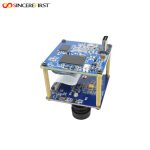
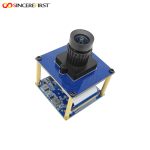


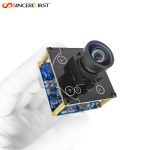
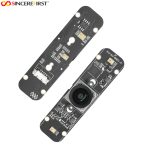
Sony Night Vision CMOS IMX678 STARVIS 2 4K60 USB 3.0 Camera Module for Tennis and Pickleball Recording
$1.00

Record court action with 4K detail and 60fps movement capture. Explore an IMX678 USB 3.0 camera with lens choices matched to your sports-camera position.

—————————————————————————————–
Price is for reference only. Please contact us for the latest quotation.
+ −
  • Sony Night Vision CMOS IMX678 STARVIS 2 4K60 USB 3.0 Camera Module for Tennis and Pickleball Recording

    $1.00

    Request a Call Back

    • Sony Night Vision CMOS IMX678 STARVIS 2 4K60 USB 3.0 Camera Module for Tennis and Pickleball Recording

      $1.00

      Ask a Question

        ... people are viewing this right now

        Share

      Introduction

      This IMX678 USB camera delivers 4K60 capture using a 1/1.8-inch STARVIS 2 sensor for detailed scene and movement imaging. Lens choices let a court-side recording system select its view from the actual mounting position, with standard HDR available for projects concerned with brightness variation.

      Applications in Real Devices

      Tennis and Pickleball Recording Cameras

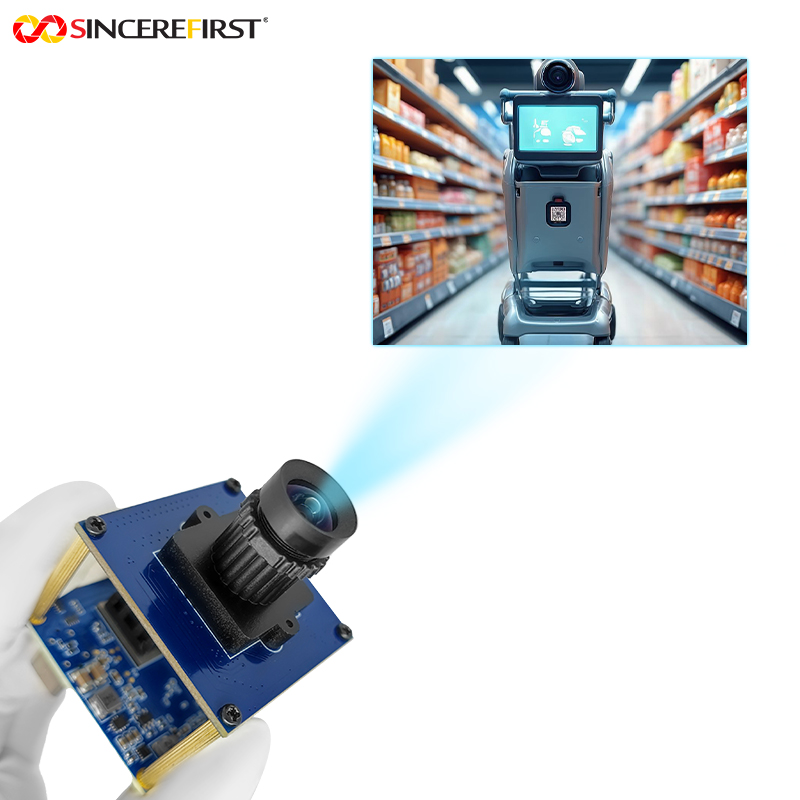
      A fixed camera needs enough of the court to show the play while retaining useful player detail. A detailed 60fps sequence records how the action develops across that view.

      The camera height and distance determine the useful framing, rather than a lens chosen simply to include the widest scene.

      Vehicle-Mounted Plate-Imaging Projects

      A mobile imaging installation may need a plate-focused view while scene brightness changes around the vehicle. Detailed imaging and HDR are relevant capabilities for that project. The mounting position, motion and required target detail determine whether this configuration or a global shutter camera should be selected.

      Room-View Conferencing Equipment

      A conference device may need to show people across a larger scene while maintaining useful participant detail. This camera offers a 4K60 USB image source with project optics. Sensor and HDR choices can be considered around the actual room light and bright backgrounds.

      Indoor Animal-Observation Systems

      A recording device may need detail across a room while animals move between different parts of the scene. 4K60 is relevant where both that coverage and a frequent movement sequence matter. Any project intended to work without visible light also needs its own illumination and optical configuration.

      Production Image-Collection Stations

      A station collecting detailed appearance images can use the higher-resolution scene to examine product information across a defined area. Continuous movement capture is another useful capability. If accurate geometry during fast movement is the primary requirement, compare a global shutter camera instead of selecting resolution alone.

      Project Evaluation Guide

      • Define the detail that must remain in a broad view.
        Consider 4K60 where court coverage, room coverage or product area needs more scene detail than full HD. Concentrate the view when a small target still occupies too little of the image.

      • Separate brightness variation from motion geometry.
        Standard HDR addresses a different need from global shutter. For a moving-vehicle task dominated by geometry or an externally controlled capture event, compare a global shutter model with external trigger.

      • Select the optics from the mount and available lens space.
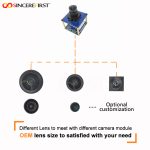
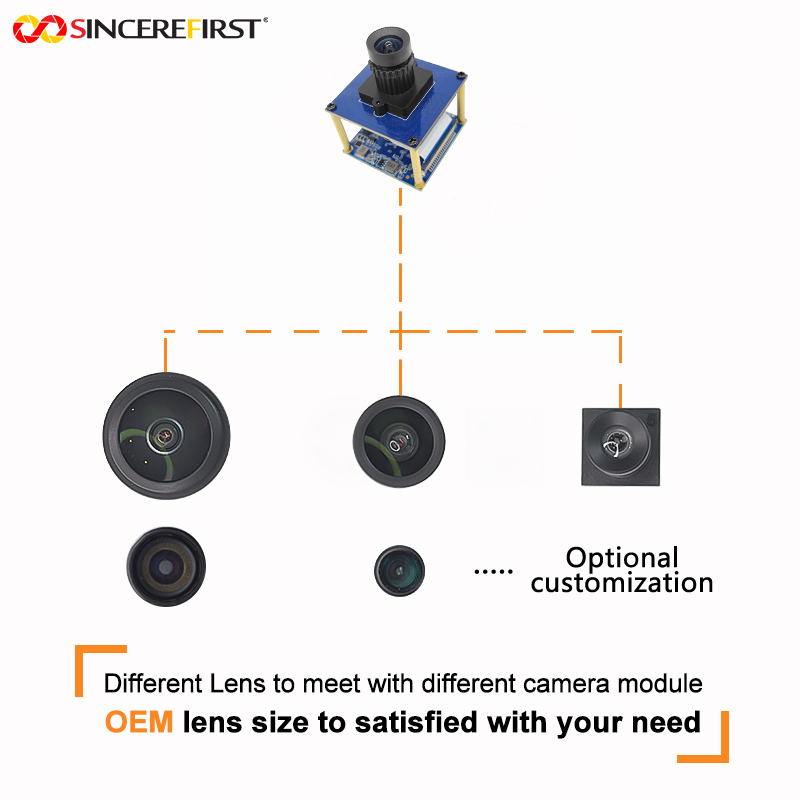
        An M12 version and C/CS mount lens customization provide different assembly options. A defined court position, vehicle enclosure or observation mount should guide the lens before the camera package is fixed.

      How This Module Supports Device Requirements

      Scene Detail Through a Frequent Movement Sequence

      4K60 combines a detailed image with successive views of play, people or products in motion. It serves recording systems that need both the context of the scene and useful information within it.

      A Sensor Direction for Light-Sensitive Projects

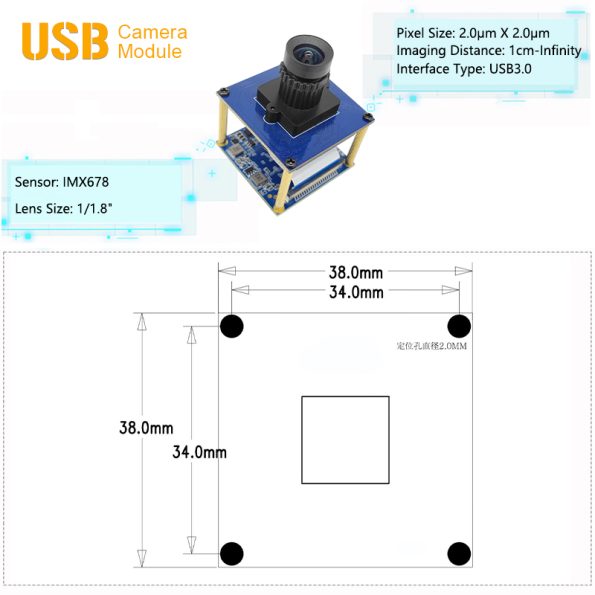
      The IMX678 uses a 1/1.8-inch optical format, 2μm pixels and STARVIS 2 technology.

      This combination is relevant where available light influences sensor and lens selection, alongside the required resolution.

      HDR for Bright and Shaded Scene Areas

      Standard HDR provides an imaging capability for scenes containing brightness differences. It is relevant to outdoor views and bright-background interiors, with the operating configuration selected around the actual scene.

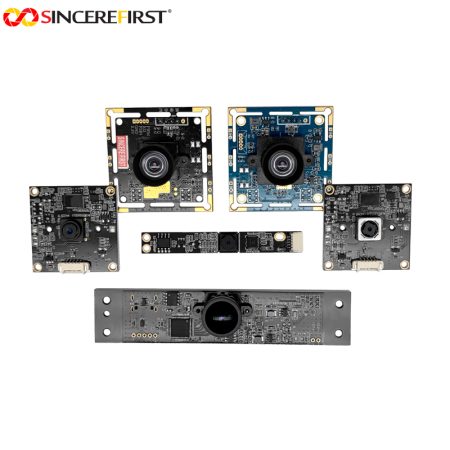
      Choosing This Model Within the High Frame Rate USB Camera Module Series

      Choose the 4K60 sensor and optics around the scene, then compare focus or motion-control needs:

      Model

      Selection Reason

      SF8A987-88

      Choose IMX678 4K60, its 1/1.8-inch STARVIS 2 sensor and M12 or C/CS optical directions.

      SF8A625-88

      Choose an IMX415-based 4K60 USB configuration with a 1/2.8-inch sensor format and standard HDR.

      SF-OC2688-415-V1.0

      Choose autofocus and 4K30 USB 2.0 where close-range subject distance changes during use.

      SF2A543-3.0

      Choose 1080P60 global shutter and external trigger when moving-vehicle geometry and capture timing dominate.

      Key Specifications

      Specification

      Details

      Model

      SF8A987-88

      Product Name

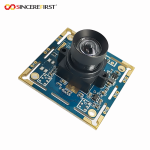
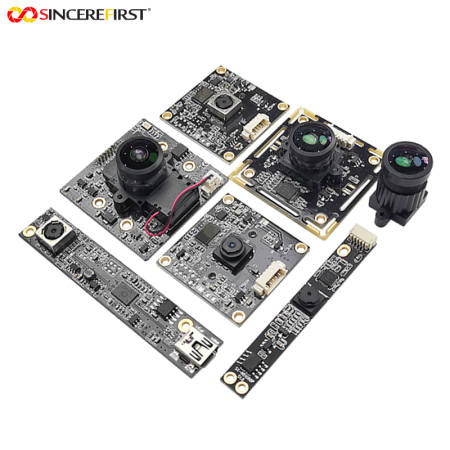
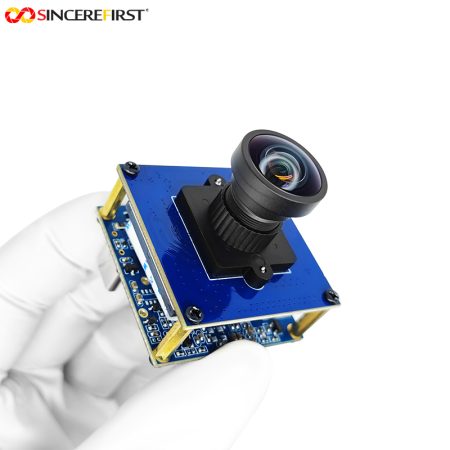
      Sony Starlight CMOS IMX678 4K60 USB3.0 Camera Module

      Sensor

      Sony IMX678 CMOS

      Resolution

      8MP / 3856×2200

      Video Output

      3840×2160 at 60fps

      Sensor Size

      1/1.8 inch

      Pixel Size

      2.0×2.0μm

      Feature

      STARVIS 2, HDR, enhanced NIR

      Output Format

      MJPG / YUY2 / H.264

      Focus

      Fixed Focus

      Focus Range

      1cm–Infinity

      Structure

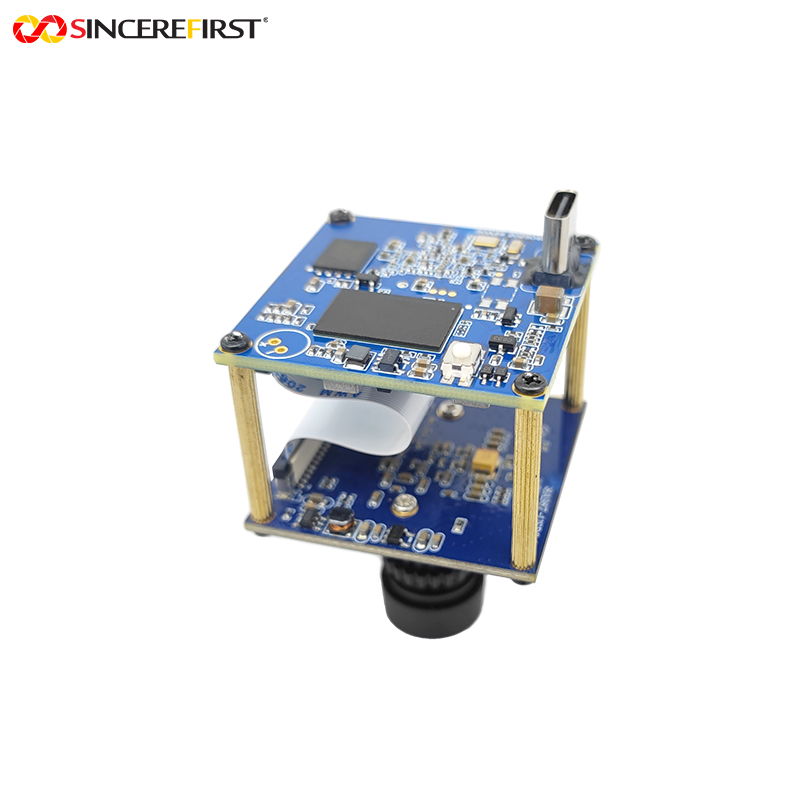
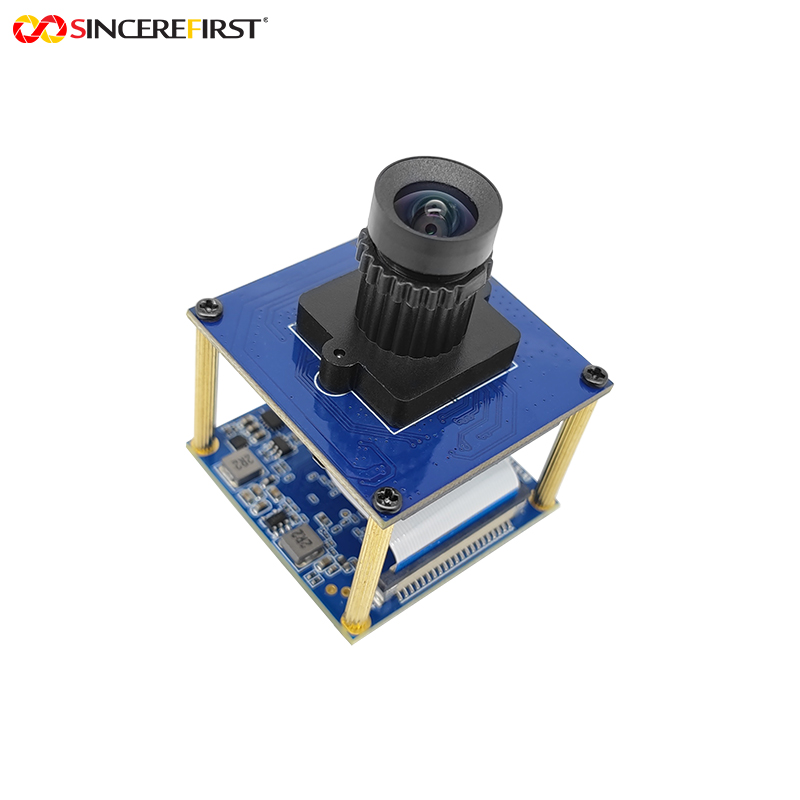
      Double-layer PCB Board

      Module Size

      38×38mm

      Protocol

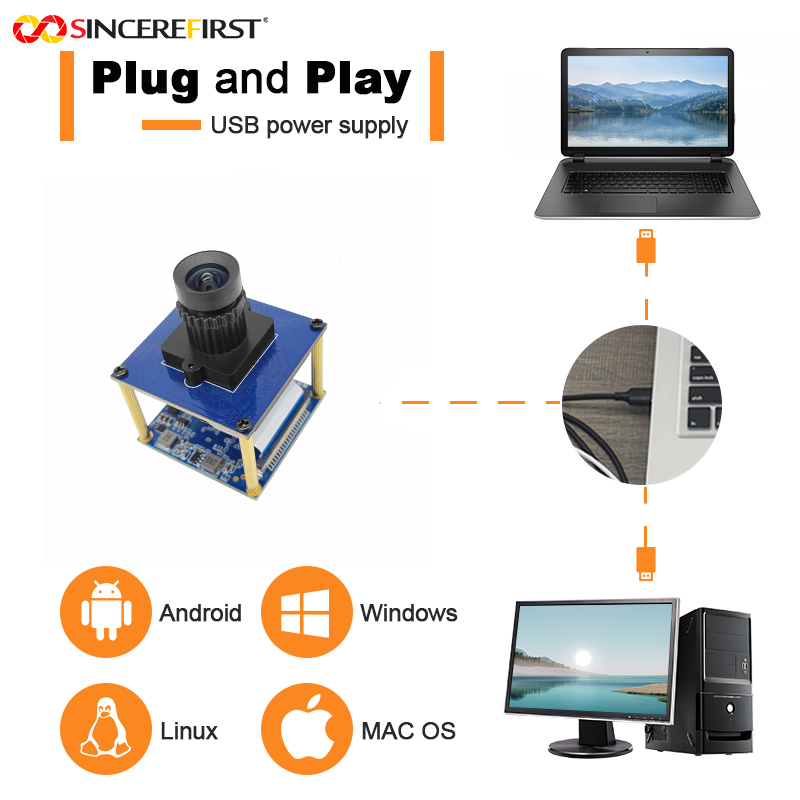
      UVC

      Interface

      USB 3.0 Type-C

      Option

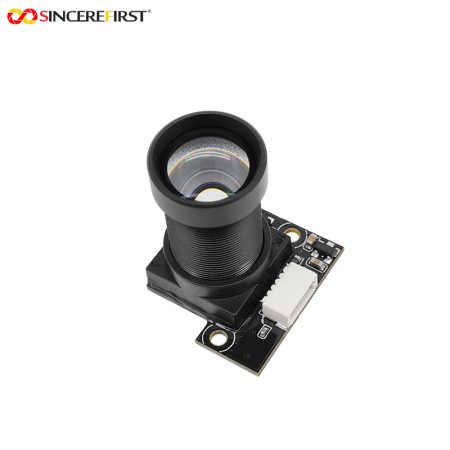
      M12 version; C/CS mount lens customization

      SincereFirst Customization

      Court, Vehicle and Room-View Optics

      FOV, focal length, focus, distortion requirements and filter choices can be evaluated around the target view. An M12 lens version is available, with C/CS mount lens customization for projects needing that arrangement.

      Camera Package and Cable Adaptation

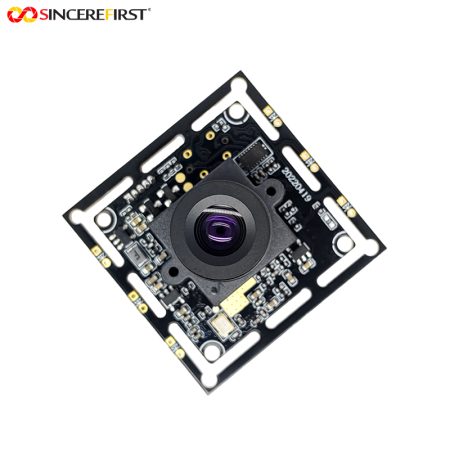
      Starting from the 38×38mm double-layer board, SincereFirst can assess board adaptation, mounting holes, connectors and cable length. Lens space and the enclosure’s optical opening should be included in the package discussion.

      Power and Project Illumination Integration

      USB protocol, power requirements and optional-light coordination can be assessed with the recording or observation host. Enhanced NIR response is a sensor capability; infrared use needs a project filter, lens and illumination plan.

      Image Tuning and Recording-Host Compatibility

      For a 4K recording system, SincereFirst can assess image tuning and host compatibility around the selected capture and recording path. Resolution or frame-rate changes are evaluated within the hardware limits, with the retained scene detail as the priority.

      Final configuration should be validated with the actual host platform, enclosure, optics, software, and lighting environment before sampling.

      FAQ

      Is the bare module ready to be mounted uncovered beside an outdoor court?

      It should be integrated into an enclosure suited to the installation. The lens window, mounting and cable entry need to follow the site conditions. Discuss that package as part of the camera project rather than treating the board as an outdoor-rated finished camera.

      Does HDR guarantee clear plate images from a moving vehicle at night?

      HDR deals with brightness differences. Plate detail also depends on framing, motion, exposure and illumination. For a project requiring controlled image timing or global shutter, use the Series comparison to select a camera with those functions rather than expecting HDR to provide them.

      Frame the Court or Target from the Position You Have

      Send SincereFirst the mounting position, required scene area and detail you need to retain. We can help select the lens and assess the image configuration and camera package for recording.

      Send Inquiry

        Close
        Close My Cart
        Close Recently Viewed
        Close
        Close
        Categories