

What can a 32-gram AI wearable tell us about the future of embedded vision?
Explore how image capture, local storage, AI processing, privacy and wearable design work together.
How does a 32-gram camera turn an ordinary day into something that can be searched later?
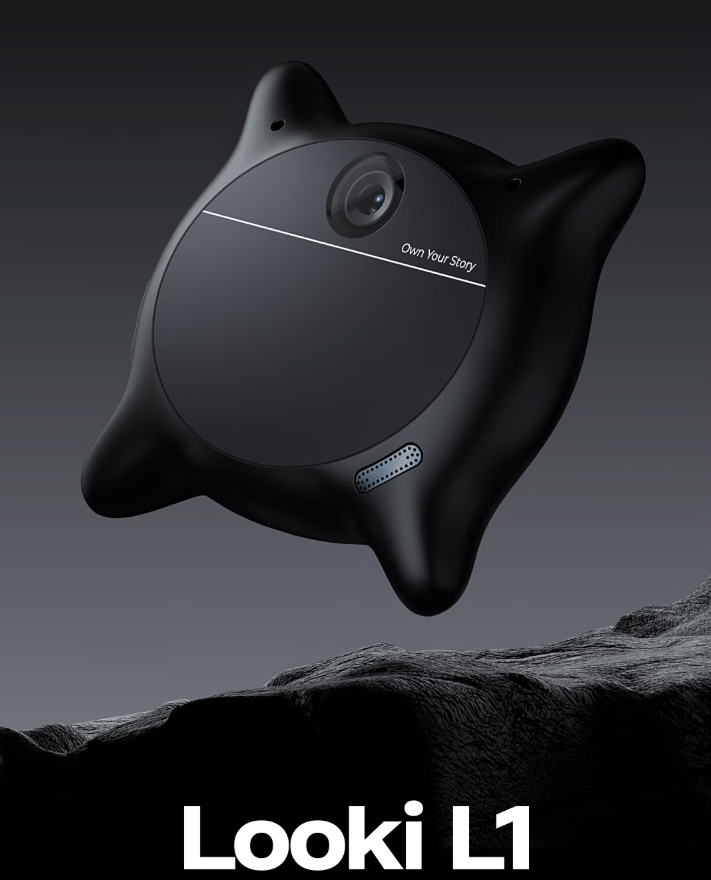
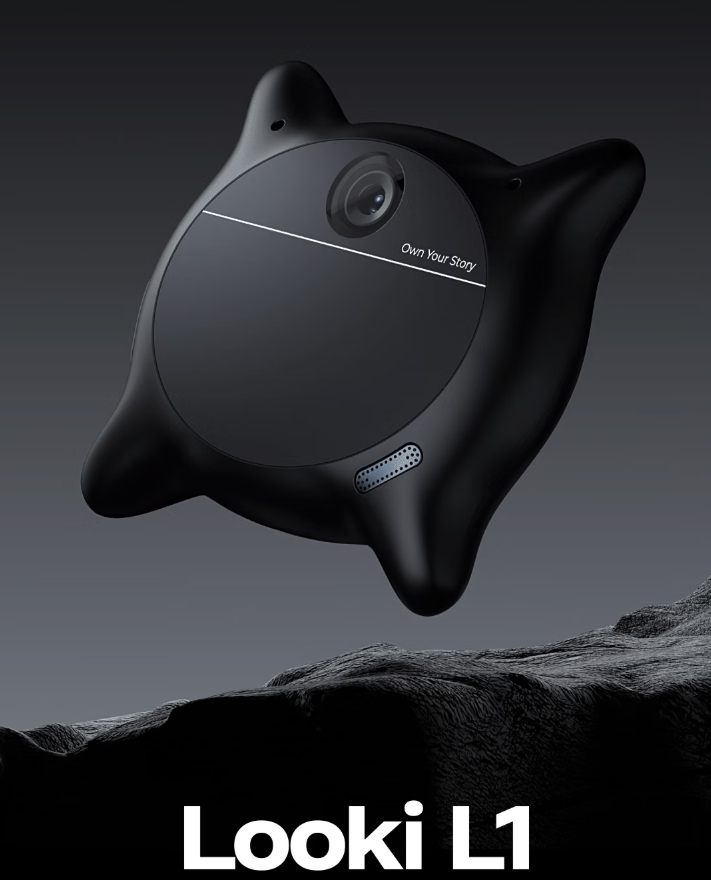
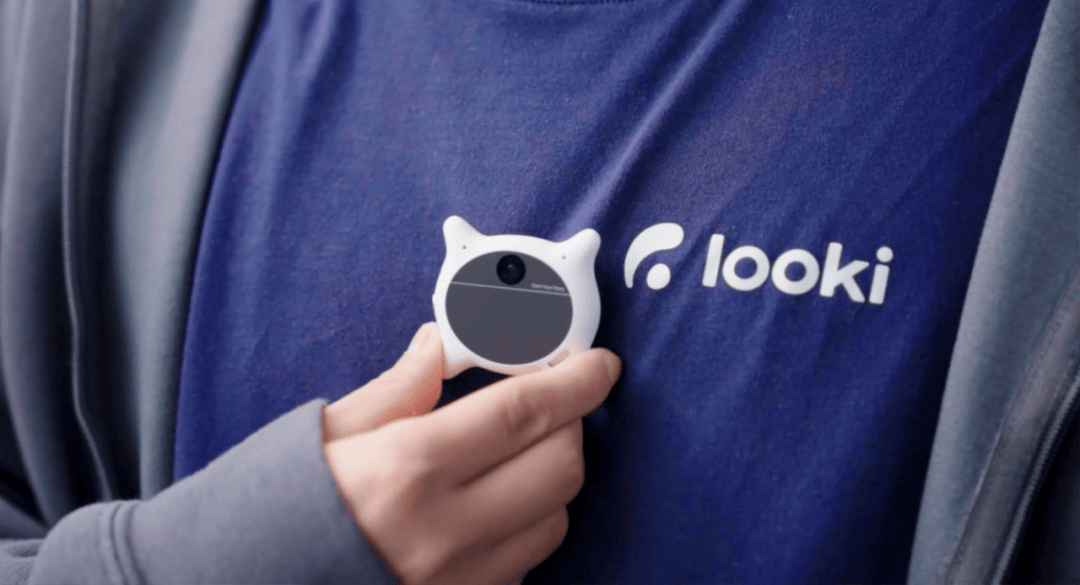
That was the question that caught our attention when our team studied the Looki L1 AI wearable recorder.
Unlike a smartphone or an action camera, this type of device is not primarily designed around deliberate photography. Its role is to capture everyday context with as little user interaction as possible.
According to the product information reviewed during our team discussion, the device supports 4K still images, 1080p video at 30 frames per second, a 109-degree field of view, HDR and electronic image stabilization.
It also combines local storage, multimodal sensing and AI-assisted content organization in a compact 32-gram body.
From Image Capture to Context Capture
Traditional cameras normally wait for the user to decide when to take a photo or start recording.
An AI wearable changes this relationship.
The camera becomes part of a continuous context system. Images, audio, motion information and time-based events can be organized into summaries, short videos, visual diaries or searchable memories.
This means the value of the imaging system is no longer determined only by how sharp a single image looks.
The system must also capture enough useful context for later AI processing.
A wider field of view may help record more of the surrounding environment. Electronic stabilization may improve usable footage when the device moves with the wearer. HDR may help when the user moves between indoor, outdoor, bright and shaded environments.
Each feature contributes to whether the captured material remains useful after AI processing.
Why Wearable Imaging Is a Balancing Problem
A wearable product has limited space, battery capacity and thermal headroom.
Higher resolution can preserve more detail, but it also increases data volume and processing demand. A wider field of view captures more context, but may reduce pixel density on individual subjects and introduce stronger edge distortion.
Continuous recording may provide more information, but it also affects power consumption, storage and privacy.
The engineering challenge is therefore not to maximize every specification.
It is to find a workable balance between:
- Image quality;
- Field of view;
- Module size;
- Power consumption;
- Motion stability;
- Local storage;
- AI processing;
- Privacy protection.


What This Means for Embedded Vision
Products such as Looki L1 show that cameras are gradually moving beyond simple image capture.
They are becoming input devices for AI systems that need to understand context, sequence and user activity.
For Camera Module development, this changes the first question.
Instead of asking only, “What resolution is required?”, developers may also need to ask:
- What context must the camera capture?
- How often will images be recorded?
- How much movement will occur?
- What lighting conditions will change during use?
- Where will image processing take place?
- What data should remain on the device?
A successful imaging system must fit the complete product workflow.
Key Takeaway
In an AI wearable, the camera is not simply recording what happened.
It is providing the visual context that allows the system to organize, interpret and retrieve what happened later.
That makes the Camera Module part of the memory architecture, not just a component for taking pictures.