

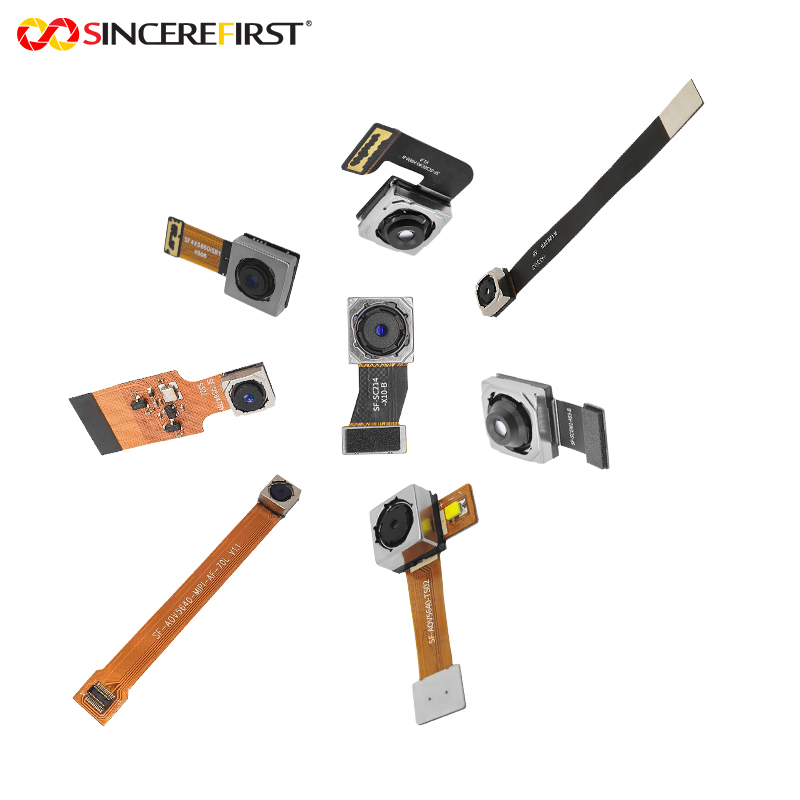
Every Monday, our team shares and discusses a different terminal product.
Sometimes it is a wearable camera. Sometimes it is a robot, inspection device, medical imaging product, smart terminal or another device that depends on visual input.
The purpose is not to follow product trends for their own sake.
It is to understand what happens after a Camera Module leaves the component level and becomes part of a complete product.
A Specification Does Not Explain the Full Application
A Camera Module specification can tell us about resolution, frame rate, interface, lens, field of view and structure.
It cannot fully explain:
- How the user will hold or wear the device;
- How often the lighting will change;
- Whether the device will move;
- How much battery power is available;
- What the AI model needs from the image;
- How the enclosure may affect optical performance;
- What matters most to the final user.
These questions become clearer when we study the complete product.
Different Products Create Different Imaging Priorities
A wearable recorder may prioritize compact size, wide scene coverage and low power consumption.
An industrial inspection device may care more about working distance, repeatability and target detail.
A robot may need motion handling, synchronization or low-latency output.
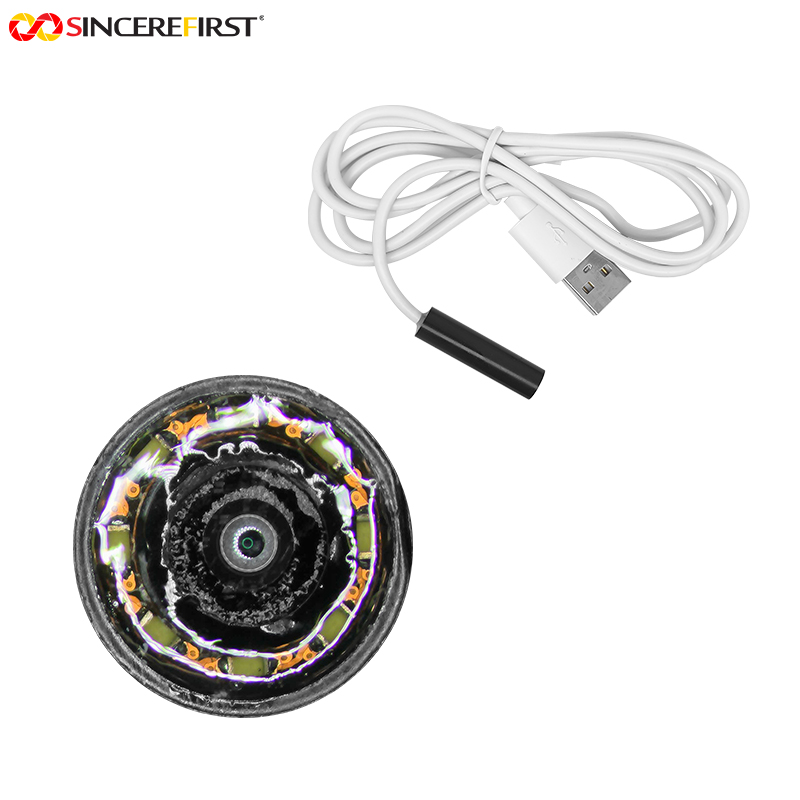
An endoscope device may be limited by lens diameter, illumination, cable structure and close working distance.
The Camera Module cannot be evaluated correctly without understanding these differences.
Product Research Improves Internal Communication
Terminal product sharing also helps different teams use the same application language.
Sales teams can better understand why customers provide certain requirements.
Engineering teams can see how component decisions influence the user experience.
Marketing teams can avoid describing products only through specifications.
Quality and production teams can better understand why consistency matters after the customer approves a sample.
This shared understanding makes project communication more practical.
Learning Before Recommending
Studying terminal products encourages us to ask better questions before recommending a module.
Instead of immediately matching a customer to the highest resolution or widest field of view, we can first ask:
- What is the device designed to accomplish?
- What visual information does it need?
- What are the installation limits?
- What are the expected operating conditions?
- Which trade-offs are acceptable?
This reduces the risk of treating Camera Module selection as a simple parameter comparison.
Adding Intelligent Eyes Starts With Understanding the Product
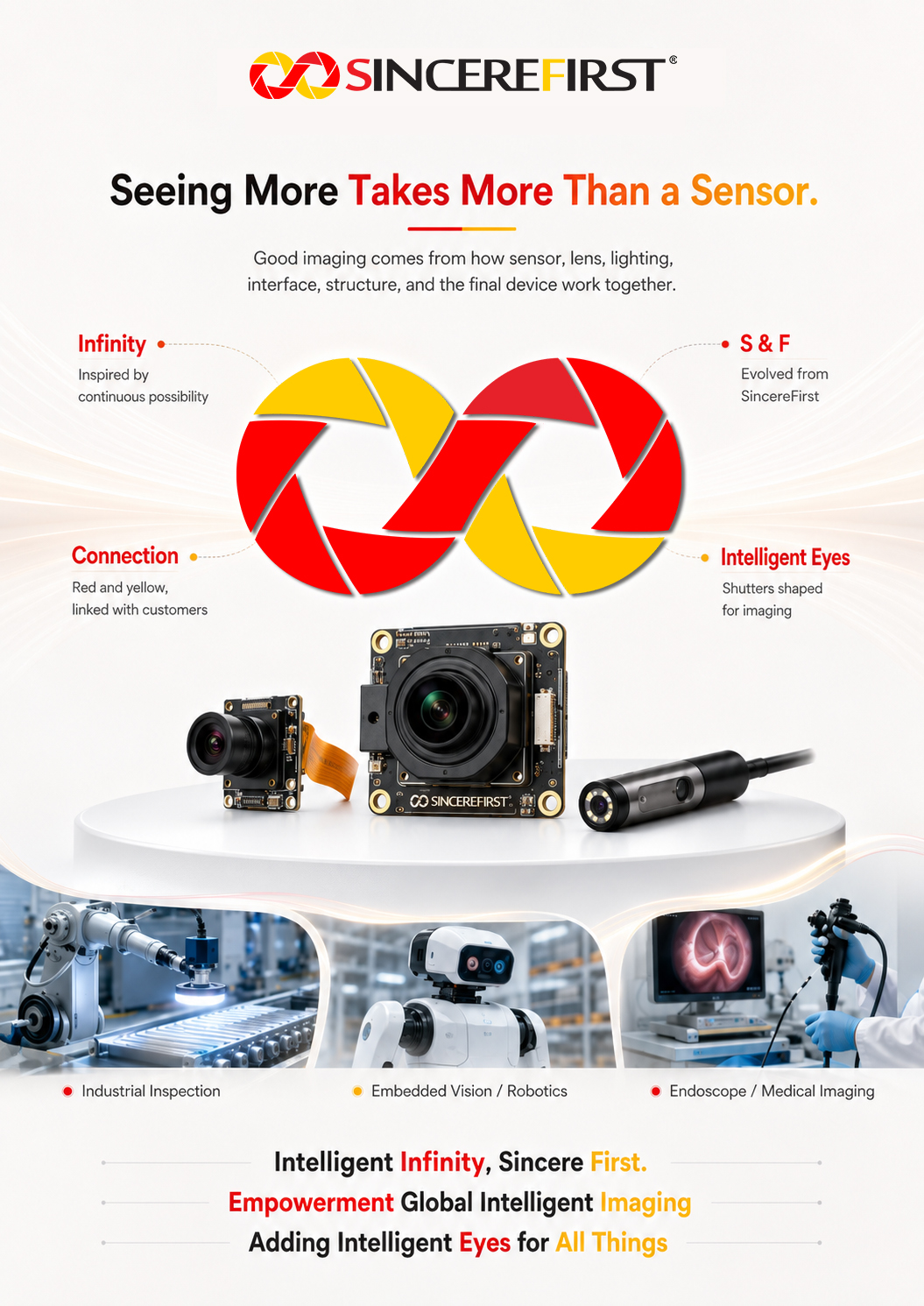
At SincereFirst, “Adding Intelligent Eyes for All Things” is not only about placing a camera inside more devices.
It also means understanding what those devices need to see, how they need to see it and what the captured image will be used for.
That is why end-market product research has become part of our weekly learning process.
The better we understand the final application, the more useful our early-stage evaluation and communication can become.