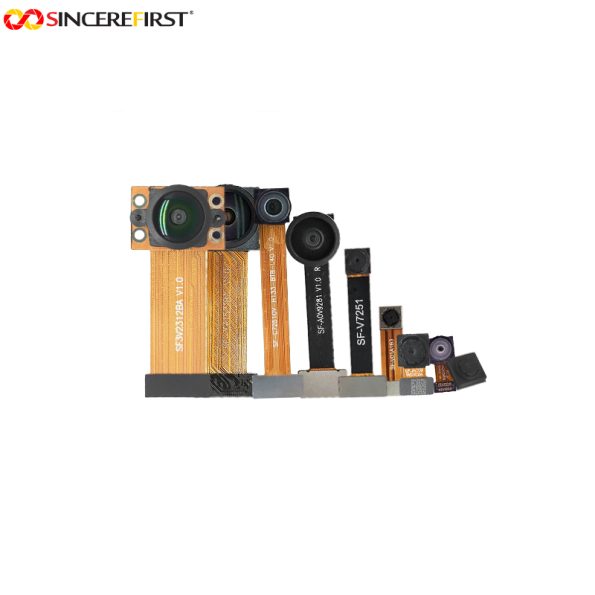




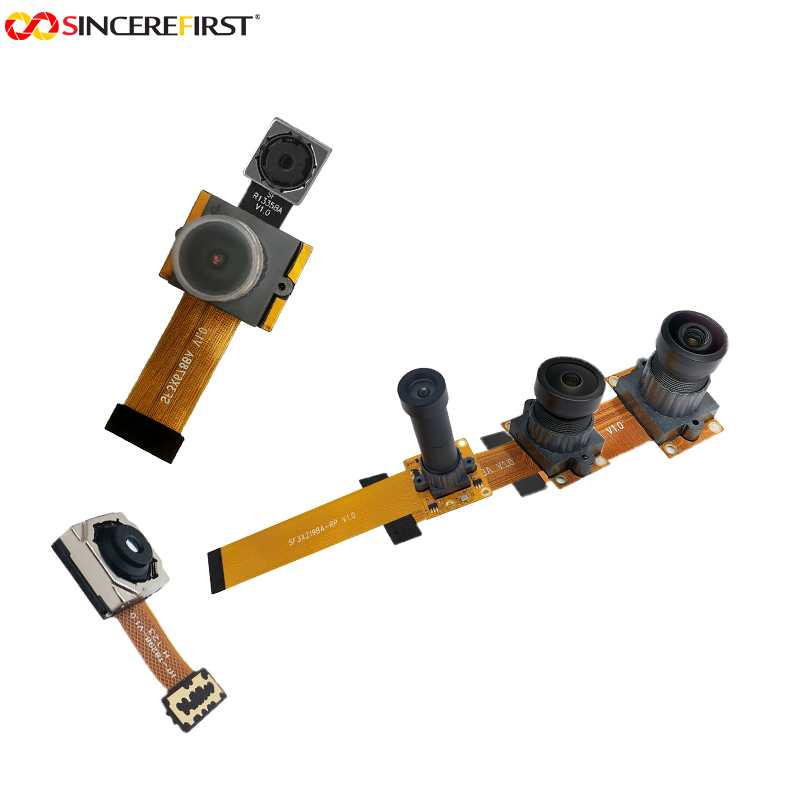
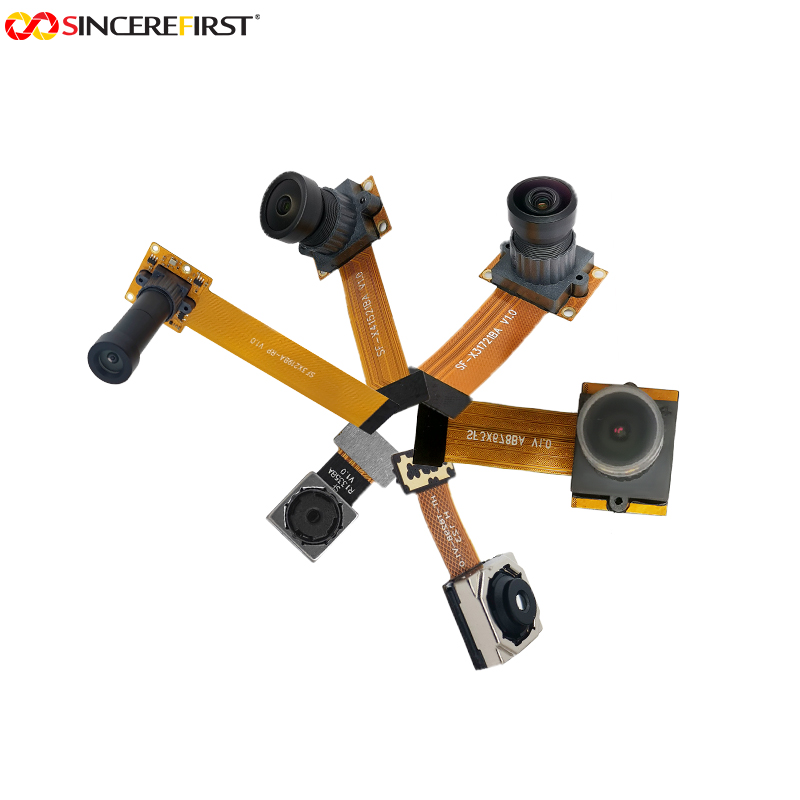
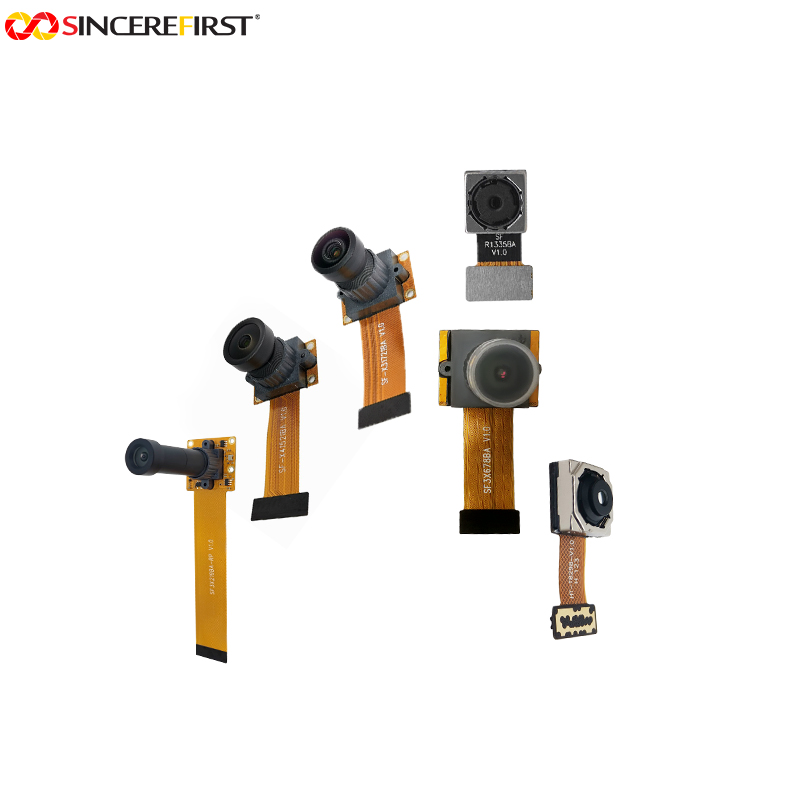


Active Alignment Process HD Image MIPI Interface Camera Modules for High-Resolution Device Integration
¥1.00

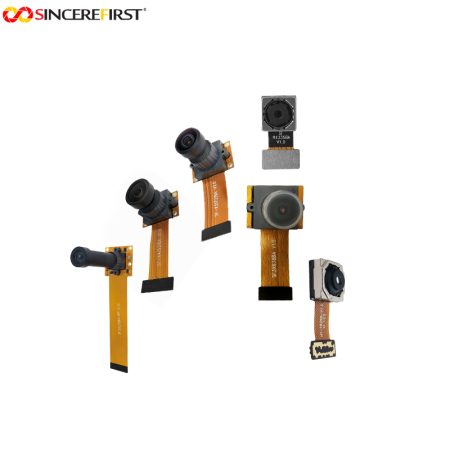
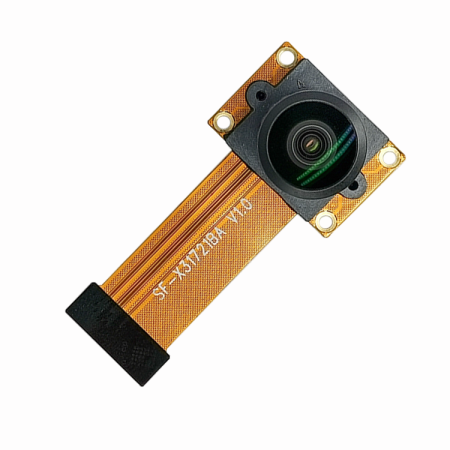
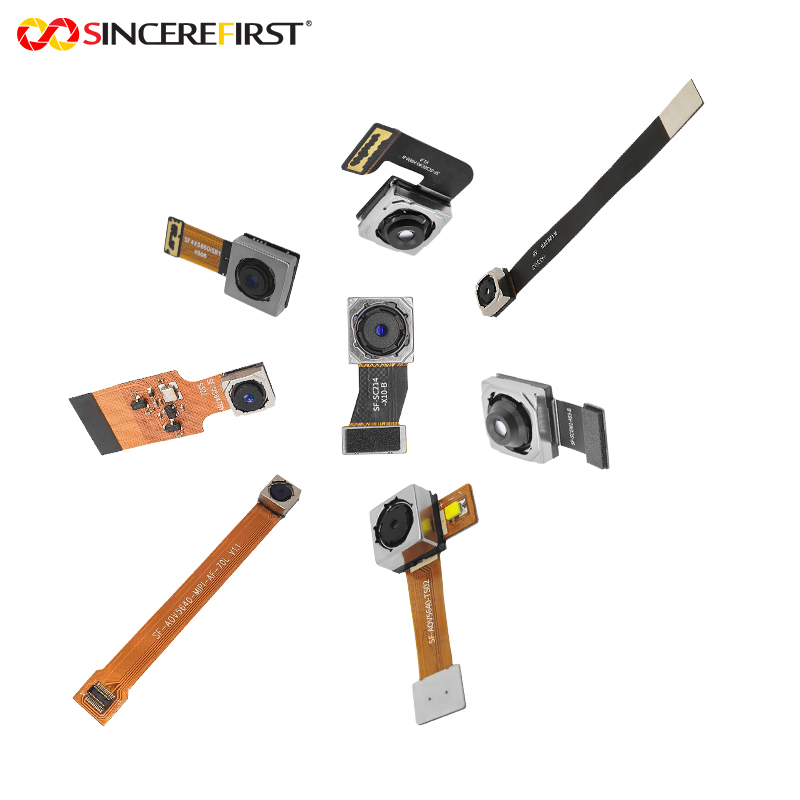
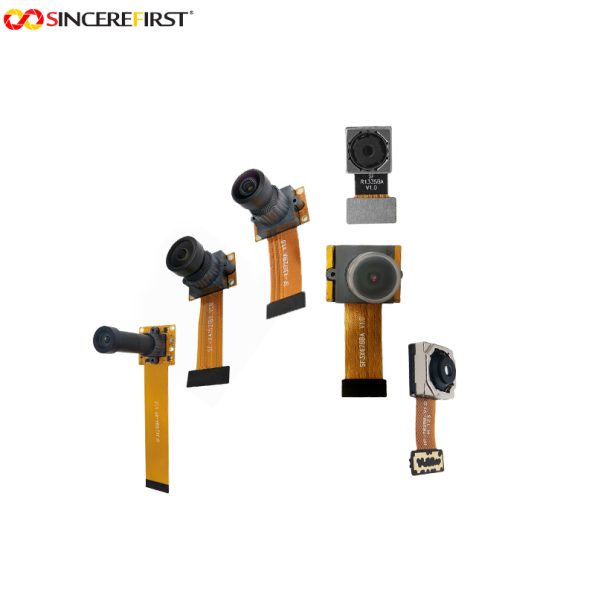
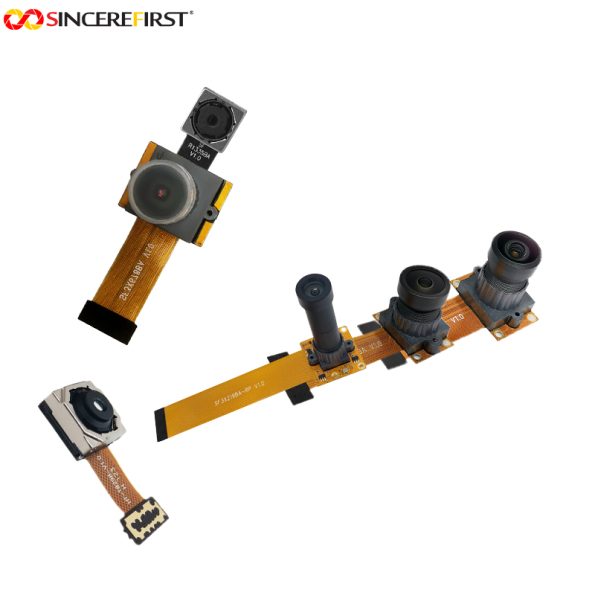
Explore 12MP to 108MP MIPI camera modules manufactured with Active Alignment, covering Fixed Focus, Autofocus, C-PHY and D-PHY configurations for high-resolution device integration.

—————————————————————————————–
Price is for reference only. Please contact us for the latest quotation.
+
  • Active Alignment Process HD Image MIPI Interface Camera Modules for High-Resolution Device Integration

    ¥1.00

    Request a Call Back

    • Active Alignment Process HD Image MIPI Interface Camera Modules for High-Resolution Device Integration

      ¥1.00

      Ask a Question

        ... people are viewing this right now

        Share

      Introduction

      Active Alignment Process Camera Module Series covers 12MP to 108MP MIPI camera configurations manufactured with AA as part of the standard assembly process. The Series includes Fixed-Focus and VCM Autofocus designs, C-PHY and D-PHY interface options, wide-angle imaging and high-resolution RAW-oriented configurations.

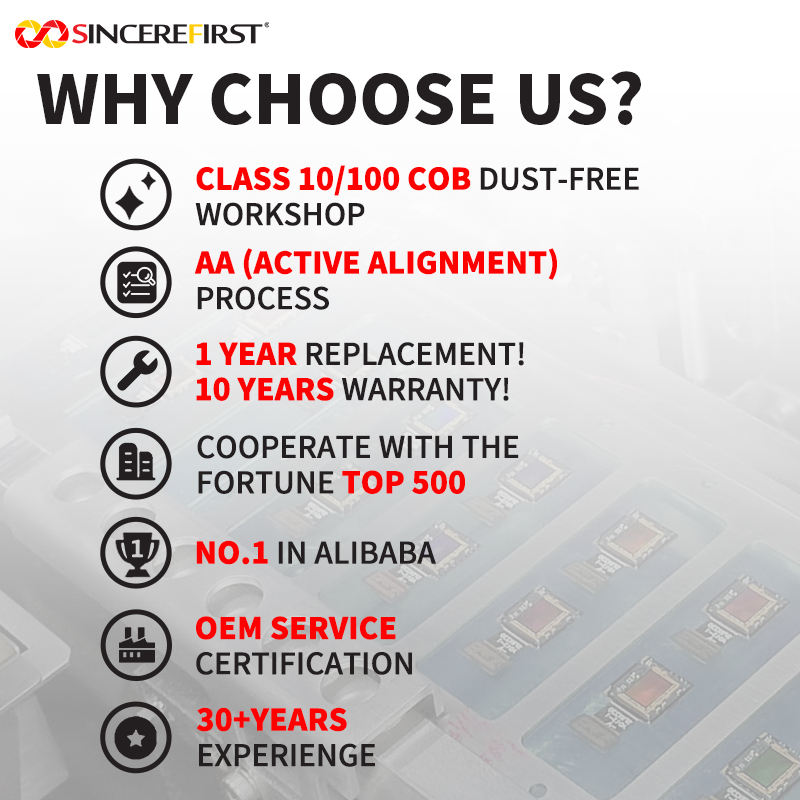
      AA is not an imaging mode. It is used during camera-module assembly to control the optical relationship between the lens and sensor, making it particularly relevant when high-resolution modules place tighter demands on optical alignment and production consistency.

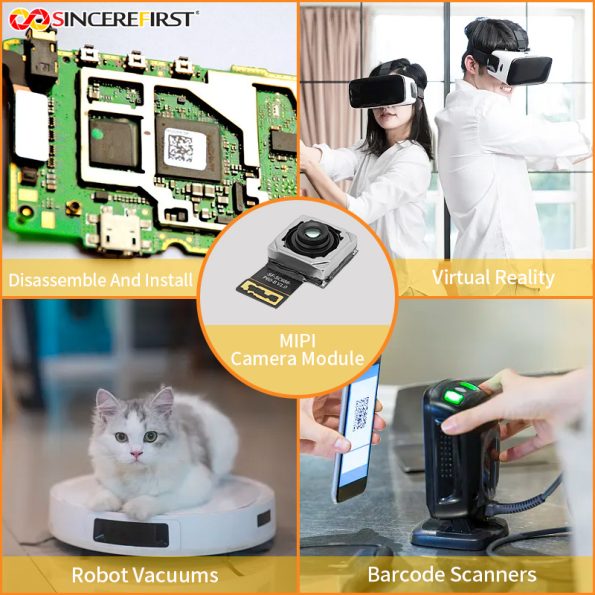
      Applications in Real Devices

      High-Resolution Smart Devices

      50MP, 64MP and 108MP camera modules can support devices where fine image detail and high-resolution capture are central to the visual task. Final selection depends on sensor size, focus behavior, host interface and available processing capability.

      Portable Imaging Equipment

      Compact MIPI devices may require high-resolution cameras while keeping the imaging assembly integrated into a small mechanical space. BTB connector, module height and lens clearance should be evaluated together.

      Wide-Scene Capture Devices

      The 12MP IMX681 configuration provides D110° scene coverage for applications where a wider Fixed-Focus view is more useful than a high-pixel Autofocus structure.

      Autofocus Imaging Systems

      The 50MP, 64MP and 108MP Autofocus configurations suit devices where subject distance can change and the host system can support VCM control together with the required MIPI data path.

      How to Choose the Integration Direction

      Resolution and Sensor Format

      Choose according to the detail the device must preserve, not simply the largest available pixel count. This Series ranges from a compact 12MP configuration to 50MP, 64MP and 108MP modules with different sensor formats and pixel sizes.

      Fixed Focus or Autofocus

      SF-SYZN6811 uses Fixed Focus around an 80cm focus position. The other five models use VCM Autofocus for projects that need greater flexibility across changing working distances.

      C-PHY or D-PHY

      The two IMX686 models provide different host-interface directions. SF-SC686-P60-B V1.0 uses C-PHY, while SF-OCX686H66 uses a 34-pin D-PHY MIPI connection.

      Scene Coverage

      The Series ranges from D78°–D87° Autofocus configurations to the wider D110° IMX681 Fixed-Focus model. FOV should be selected according to the required target size and scene coverage.

      Host Processing

      High-resolution MIPI modules depend on the host ISP, RAW support, lane configuration and processing resources. These conditions should be confirmed before sampling.

      Featured Models

      ModelSensorProduct DirectionReason to Consider
      SF-SYZN6811IMX68112MP Wide-Angle Fixed FocusConsider this model when D110° coverage and a stable 80cm focus position are more relevant than very high pixel count or Autofocus.
      SF-SC686-P60-B V1.0IMX68664MP C-PHY AutofocusConsider this model when the device requires 64MP detail, VCM Autofocus and a C-PHY MIPI host connection.
      SF-OCX686H66IMX68664MP D-PHY AutofocusConsider this model when the same 64MP sensor direction is needed with a 34-pin D-PHY MIPI interface.
      SF4X989AFBY V2.0IMX98950MP Large-Sensor AutofocusConsider this model when a large 1/0.98-inch sensor format, Octa-PD and multiple RAW bit depths are important to the imaging design.
      SF4X766AY1IMX76650MP PDAF AutofocusConsider this model when the project needs 50MP, PDAF, HDR and an Autofocus configuration without moving to the larger IMX989 sensor format.
      SF-SCA0B40-P70-B V1.0OVA0B40108MP AutofocusConsider this model when maximum image resolution is a primary requirement and the host can support the corresponding high-resolution MIPI data path.

      SincereFirst Customization

      Lens and FOV

      Each model has a defined standard optical configuration. FOV and lens parameters can be evaluated when the device requires a different target size, scene width or enclosure opening.

      Focus Configuration

      The IMX681 configuration uses Fixed Focus, while the higher-resolution models use VCM Autofocus. Focus behavior should be evaluated against the real working-distance range of the device.

      BTB Connector and Module Structure

      The Series includes 30-pin, 34-pin and 40-pin BTB structures. Connector direction, board position and module height can be reviewed against the host-board and enclosure design.

      MIPI and RAW Integration

      C-PHY, D-PHY, RAW bit depth and host ISP requirements vary by model. The selected configuration should be evaluated with the processor before sampling.

      FAQ

      When does AA Process provide the most meaningful value in this Series?

      AA becomes particularly relevant when higher-resolution sensors and tighter optical assemblies make lens-to-sensor alignment more sensitive. The process should be understood as part of module manufacturing rather than an additional image-processing feature.

      Should I choose the model with the highest pixel count?

      Not automatically. Sensor size, FOV, focus behavior, host bandwidth and image-processing capability can matter more than maximum resolution in the final device.

      What should be checked first when choosing between C-PHY and D-PHY?

      Start with the host processor and available camera interface. A module with the preferred sensor is not useful if its physical and electrical MIPI interface does not match the system architecture.

      What information is useful before requesting an AA module sample?

      Provide the host processor, MIPI interface type, required resolution, working-distance range, target FOV and available module space.

      Evaluate a AA Process Camera Module for Your Device

      Share your image-resolution requirement, host MIPI interface, focus range and mechanical limits so the appropriate AA Process camera module can be evaluated before sampling.

      Send Inquiry

        Close
        Close My Cart
        Close Recently Viewed
        Close
        Close
        Categories