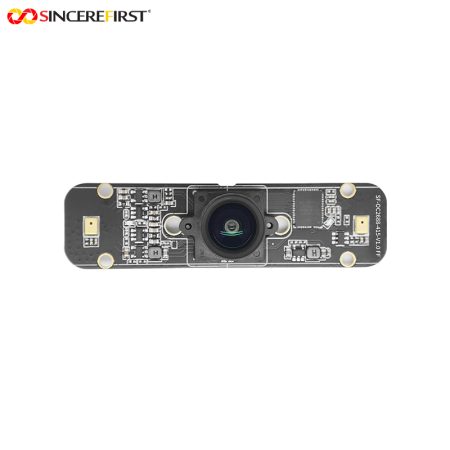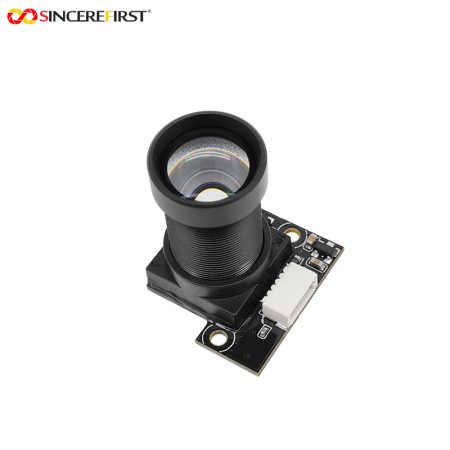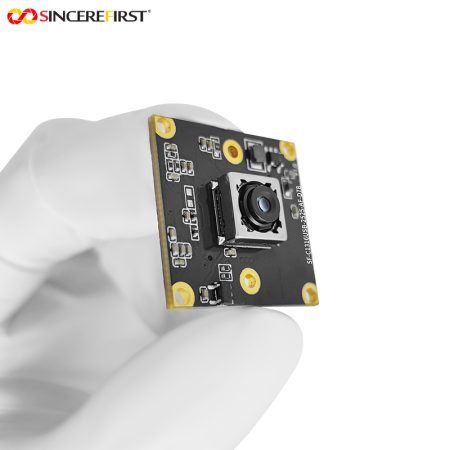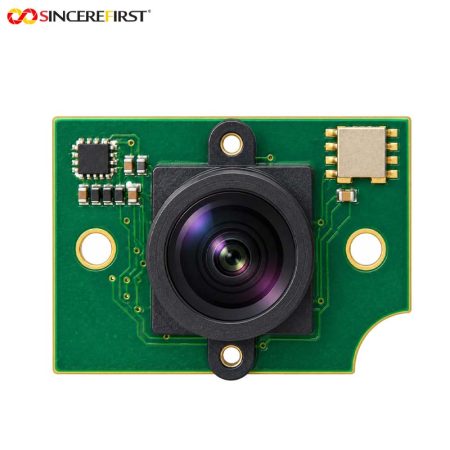

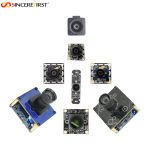
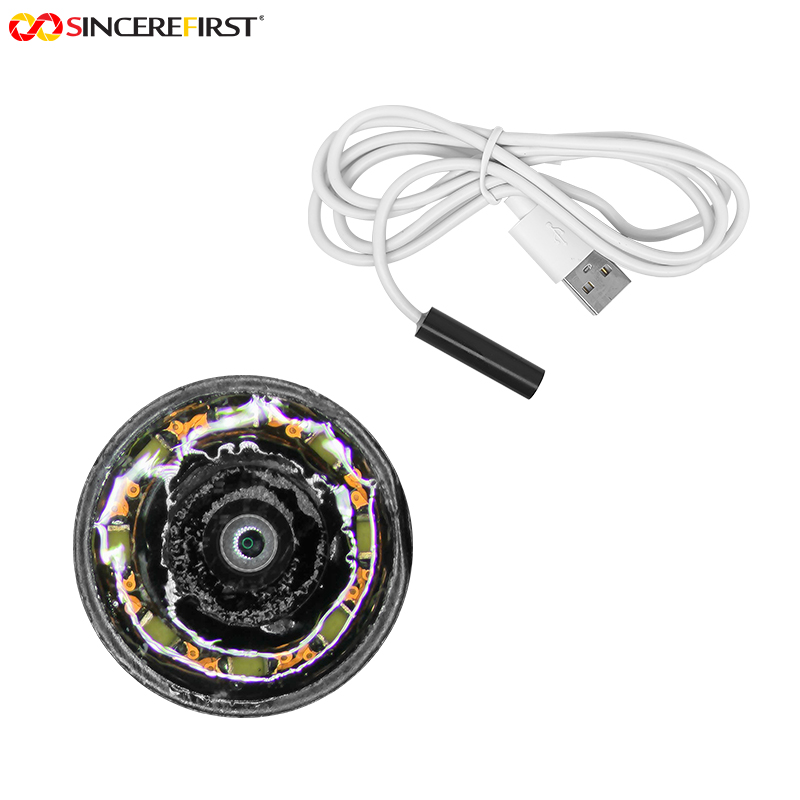
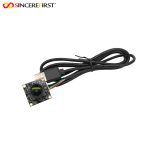
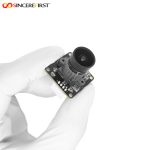
Sony IMX662 STARVIS 2 Image Sensor Wide-Angle 1080P60 USB Camera Module for Indoor Robots

$1.00

Give indoor robots a broad view under changing room light. Explore IMX662 STARVIS 2 imaging with an F1.6 lens and 1080P60 USB capture for compact devices.

—————————————————————————————–
Price is for reference only. Please contact us for the latest quotation.

+ −
  • Sony IMX662 STARVIS 2 Image Sensor Wide-Angle 1080P60 USB Camera Module for Indoor Robots
    $1.00

    Request a Call Back

    • Sony IMX662 STARVIS 2 Image Sensor Wide-Angle 1080P60 USB Camera Module for Indoor Robots

      $1.00

      Ask a Question

        ... people are viewing this right now

        Share

      Introduction

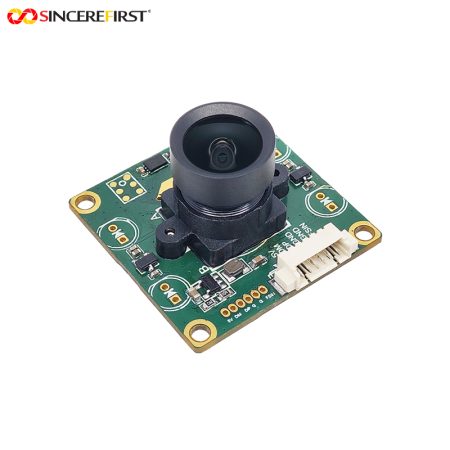
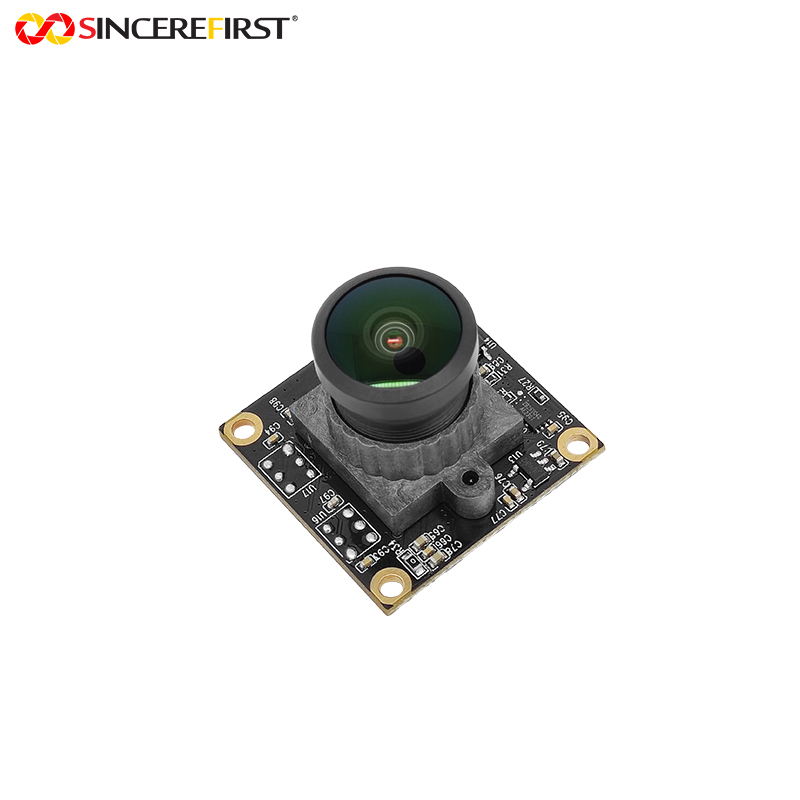
      This IMX662 USB module combines STARVIS 2 sensor technology, an F1.6 lens and 1080P60 capture for indoor scene imaging. Its wide horizontal view suits compact robots and observation devices that must see activity across an area while room lighting changes.

      Applications in Real Devices

      Cleaning Robots Operating Around Furniture

      A cleaning robot can move between open floor space and areas shaded by furniture. The sensor and large-aperture lens make this a relevant indoor-light configuration, while the wide view includes more of the surroundings from the robot’s camera position. The images feed the robot’s own processing system.

      Indoor Animal-Observation Cameras

      An animal may move rapidly between the center and edge of a room or enclosure. Broad coverage helps retain activity in the scene, and the full-HD sequence records changes in position. A project intended to operate after room lights are off also needs an appropriate lighting and optical configuration.

      Room-View Telepresence Units

      A compact unit may need to show people under uneven household or office light. Wide-angle capture can include several participants or a moving speaker without relocating the camera. Framing should still keep the important person large enough for the intended video use.

      Indoor Interaction Kiosks

      A kiosk can face users at different positions under changing indoor light. This configuration offers broad person-facing video, with optics selected around the interaction zone. If the device adds infrared illumination, its filter and lens arrangement become part of the project configuration.

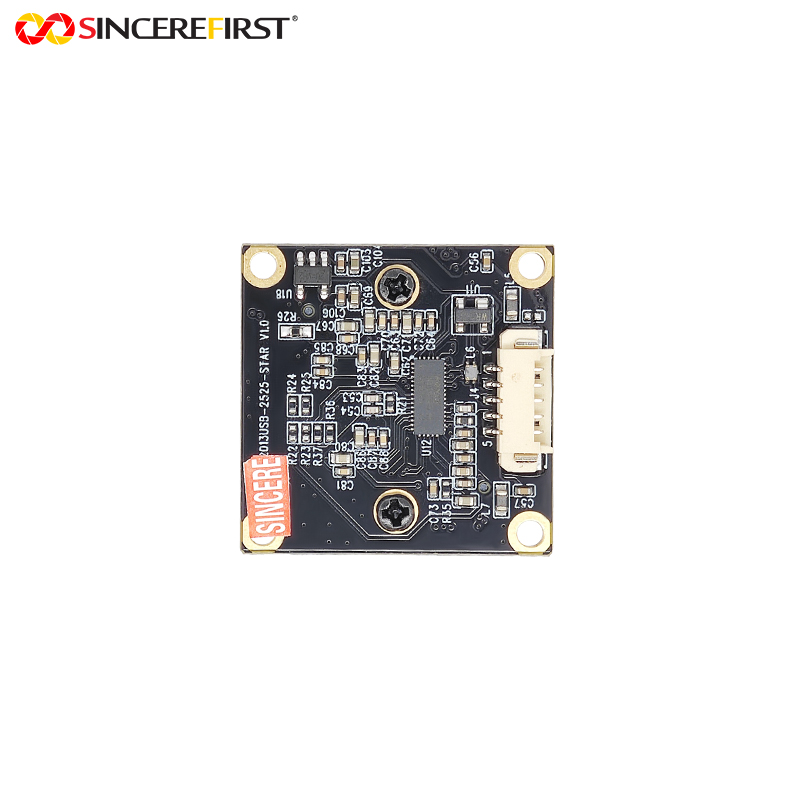
      SF-C2013USB-2525-STAR V1

      Project Evaluation Guide

      • Use real indoor-light scenes to choose the camera configuration.
        Consider this sensor and F1.6 combination when available light is a selection priority. If bright-dark contrast specifically calls for single-frame HDR, select its customized version; it is not part of the standard module.
      • Balance room coverage with near-subject detail.
        The H134° view is useful for broad coverage, with a standard focus range beginning at 30cm. Close obstacles, a small animal or a concentrated target view can call for different optics instead of retaining the widest lens.
      • Decide what happens when visible light is absent.
        An infrared project needs a suitable light source and a matching lens/filter configuration. Enhanced sensor NIR response supports that assessment; it does not make the standard camera a complete night-vision assembly.

      How This Module Supports Device Requirements

      Sensor and Lens Choices Around Available Light

      STARVIS 2 technology and the F1.6 aperture make light availability a meaningful reason to consider this camera. They address an indoor imaging requirement that a frame-rate figure alone does not describe.

      A Broad Surrounding View from One Position

      The wide horizontal lens includes an extensive scene around a robot or observation unit. It is useful where the camera’s mounting position is fixed and activity may occur away from the center of the image.

      Full-HD Movement Capture in a Small Assembly

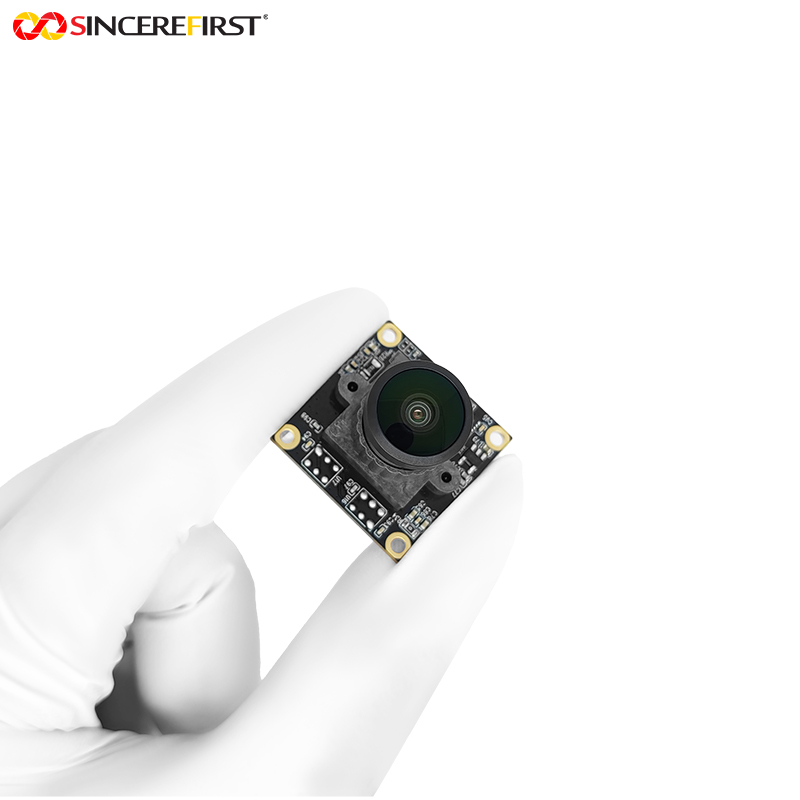
      1080P60 supplies successive views as a subject or robot moves. The compact board helps place that image source within a robot body or observation enclosure, with optics chosen around the actual subject distance.

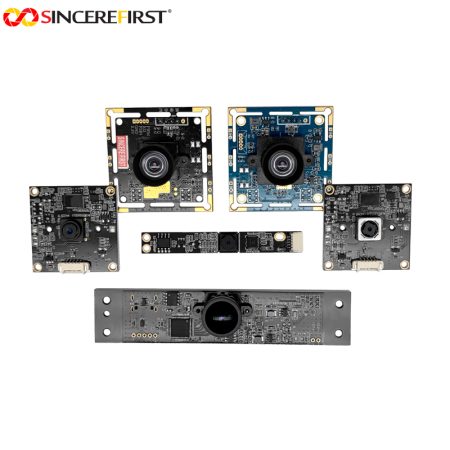
      Choosing This Model Within the High Frame Rate USB Camera Module Series

      Start with workout coverage, then compare installation shape and the need for indoor-light or 4K imaging:

      Model

      Selection Reason

      SF-C2013USB-2525-STAR V1.0

      Choose IMX662, F1.6 and H134° optics for a broad indoor view selected around available light.

      SF-C2013USB-2525-H120 V1.0

      Choose the compact H120° 1080P60 direction when workout coverage is the primary requirement. |

      SF-C2013USB-6010-1080P60-CHN-D90 V1.0

      Choose the 50×10mm board where the camera must fit a narrow border.

      SF8A987-88

      Choose IMX678 4K60 with USB 3.0 where higher scene detail and its larger sensor format matter.

      Key Specifications

      Specification

      Details

      Model

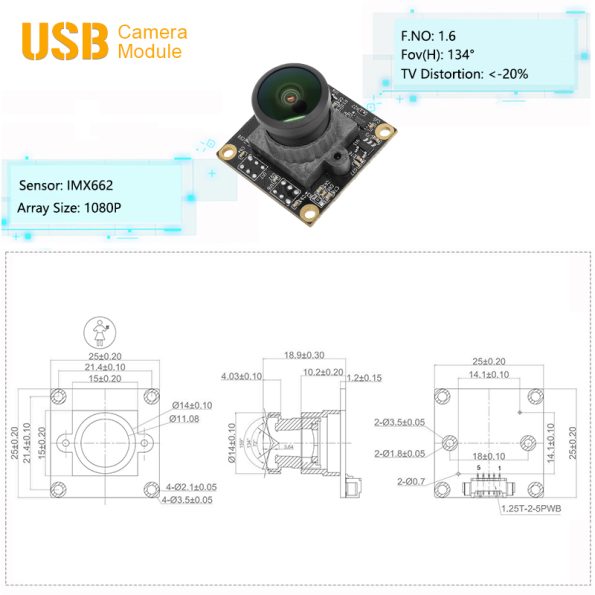
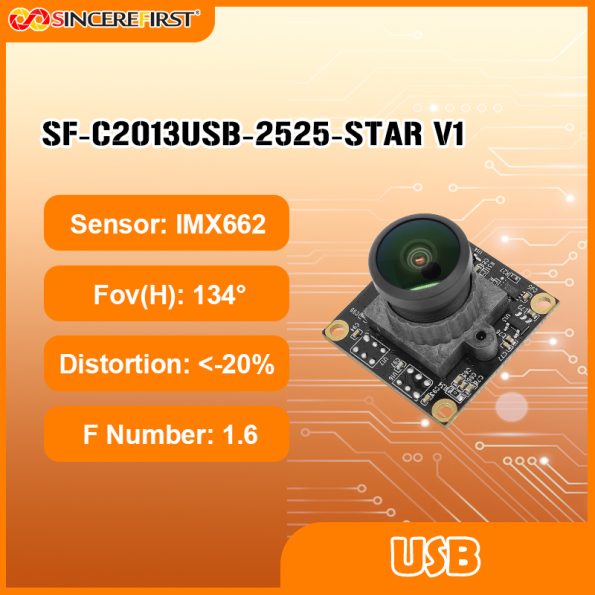
      SF-C2013USB-2525-STAR V1.0

      Product Name

      IMX662 STARVIS 2 Night Vision 1080P60 USB Camera Module

      Sensor

      Sony IMX662 STARVIS 2 CMOS

      Resolution

      2MP / 1920×1080

      Video Output

      1920×1080 at 60fps

      Sensor Size

      1/2.8 inch

      Pixel Size

      2.9×2.9μm

      Features

      STARVIS 2; enhanced NIR

      Output Format

      MJPG / YUV

      Focus

      Fixed Focus

      Focus Range

      30cm–Infinity

      FOV

      H134°

      F.NO

      1.6

      EFL

      2.3mm

      TV Distortion

      < −20%

      Module Size

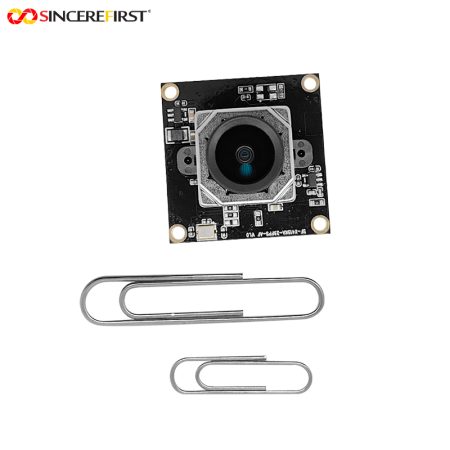
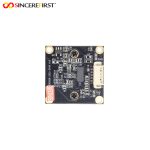
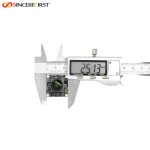
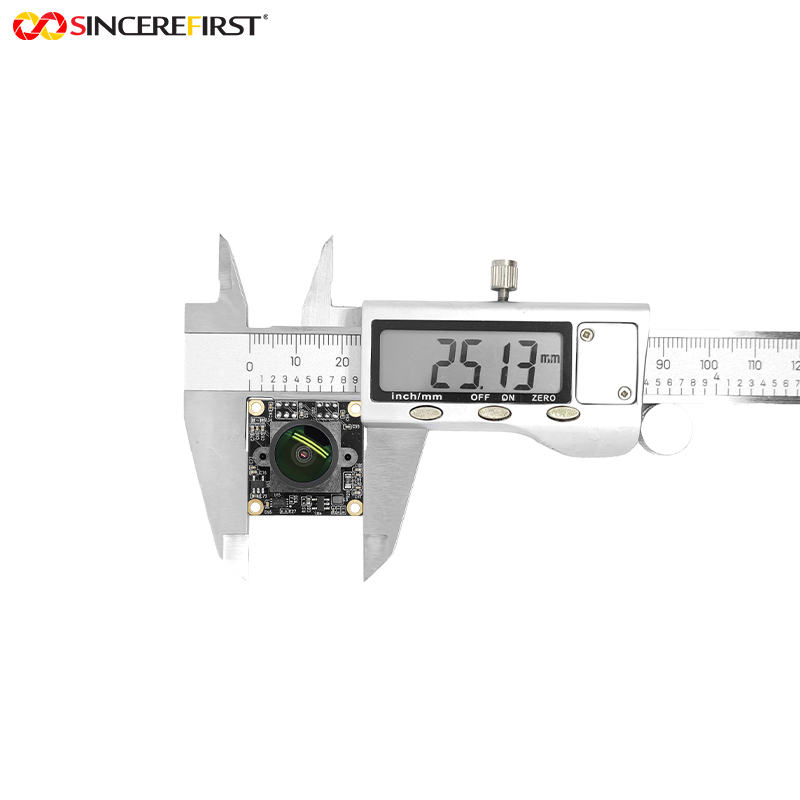
      25×25mm

      Protocol

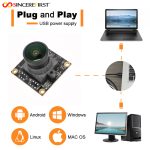
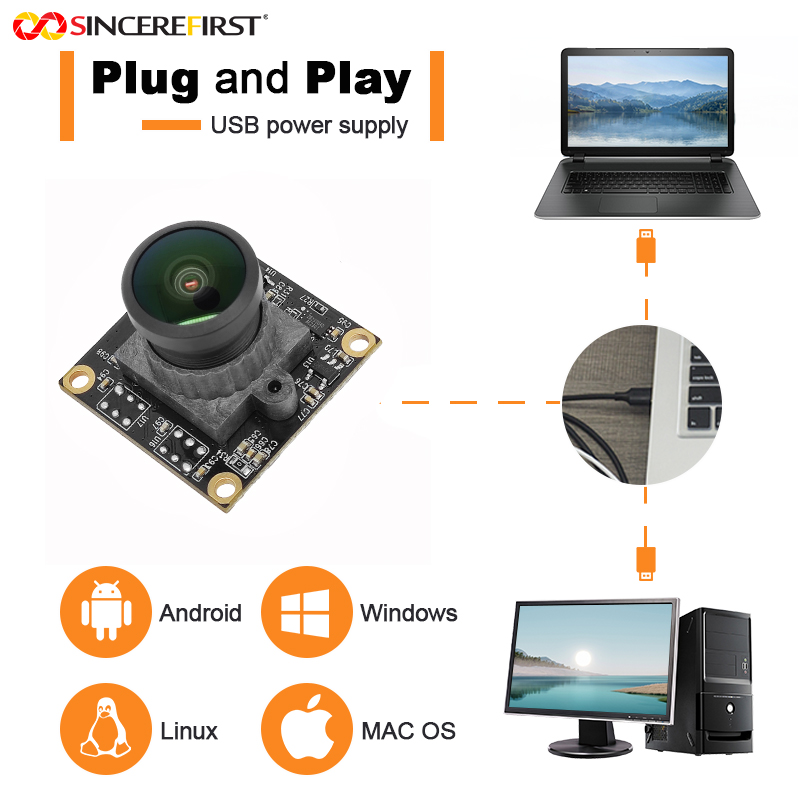
      UVC

      Interface

      USB 2.0

      Option

      Single-frame HDR

      SincereFirst Customization

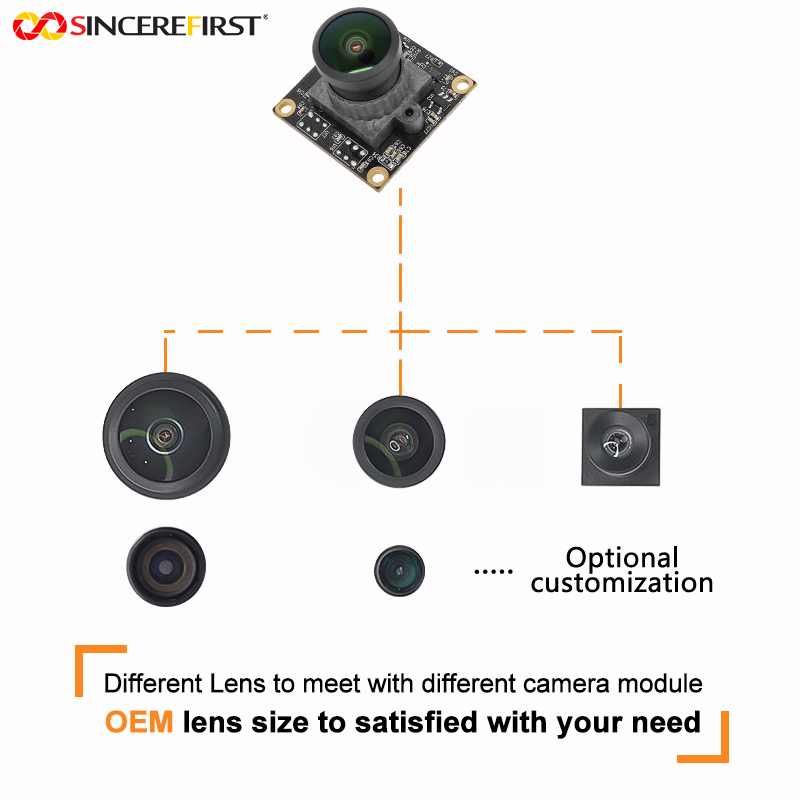
      Room-View, Close-Subject and Infrared Optics

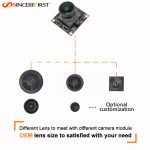
      FOV, focal length, focus, distortion requirements and IR-cut or IR-pass filters can be evaluated around the robot or observation area. Sensor NIR response is a starting capability; the project determines the complete optical arrangement.

      Camera Window, Board and Connection Layout

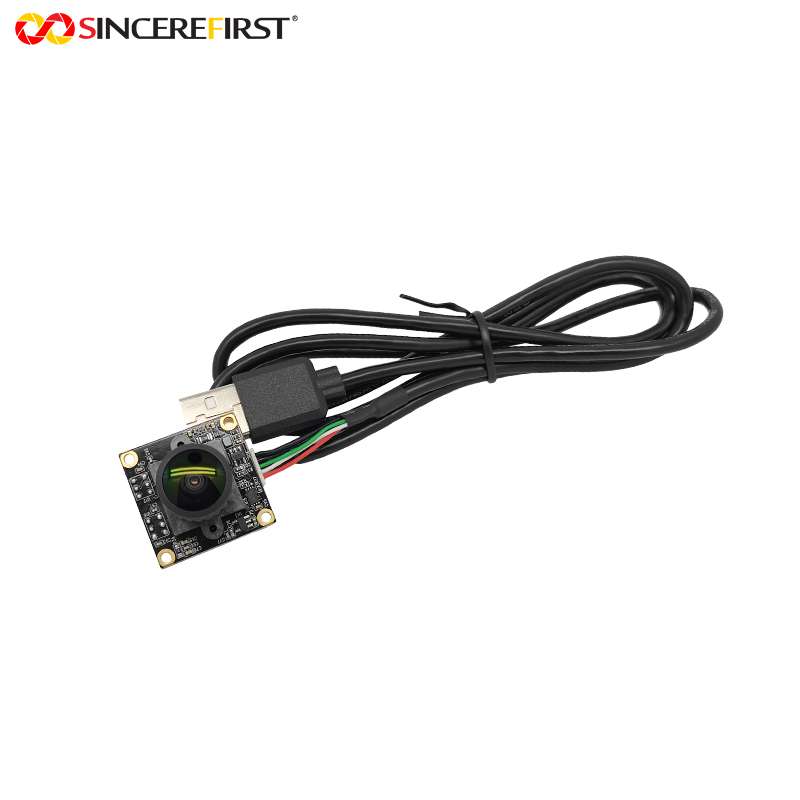
      Starting from the 25×25mm board, SincereFirst can assess board shape, mounting holes, connector position and cable length. The lens opening and any housing window should be considered with the broad camera view.

      Power and Optional Illumination Integration

      USB protocol, power requirements and added-light coordination can be assessed around the device electronics. A night-observation project should define where its illumination comes from instead of treating the camera as a complete lighting system.

      Image Tuning and Customized Single-Frame HDR

      Scenes from bright room areas and shaded corners can guide image tuning and host-compatibility evaluation. Single-frame HDR requires customization and is not included in the standard module; any resolution or frame-rate changes remain within the hardware limits.

      Final configuration should be validated with the actual host platform, enclosure, optics, software, and lighting environment before sampling.

      FAQ

      Can an animal-observation device record when the room lights are off?

      That use needs suitable illumination and an optical configuration that admits it. The sensor’s NIR response alone does not provide light. An existing infrared source can be evaluated together with the lens, filter and observation distance.

      Can the broad view be kept behind a robot’s curved front window?

      It depends on the window and lens placement. The opening can restrict edge coverage, while the material and lighting can introduce reflections. Assess the actual front-window assembly when choosing the optics, rather than relying on the uncovered lens angle alone.

      Select the Indoor View Around the Device and Its Light

      Send SincereFirst representative scenes, the camera position and the nearest subject distance. We can help select the lens and filter configuration and assess any lighting or HDR customization needed.

      Send Inquiry

        Close
        Close My Cart
        Close Recently Viewed
        Close
        Close
        Categories