

Explore the Camera Module requirements behind compact AI wearable devices, including size, FOV, power, motion stability, lighting, privacy and AI workflow integration.
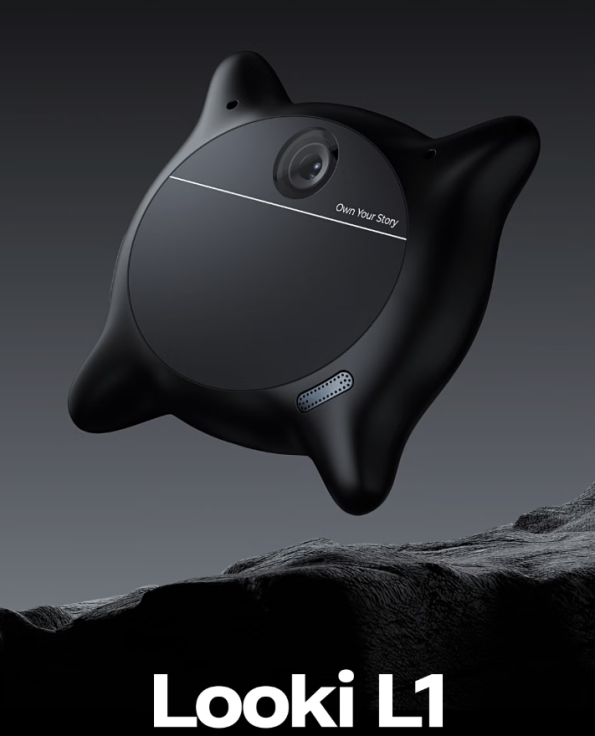
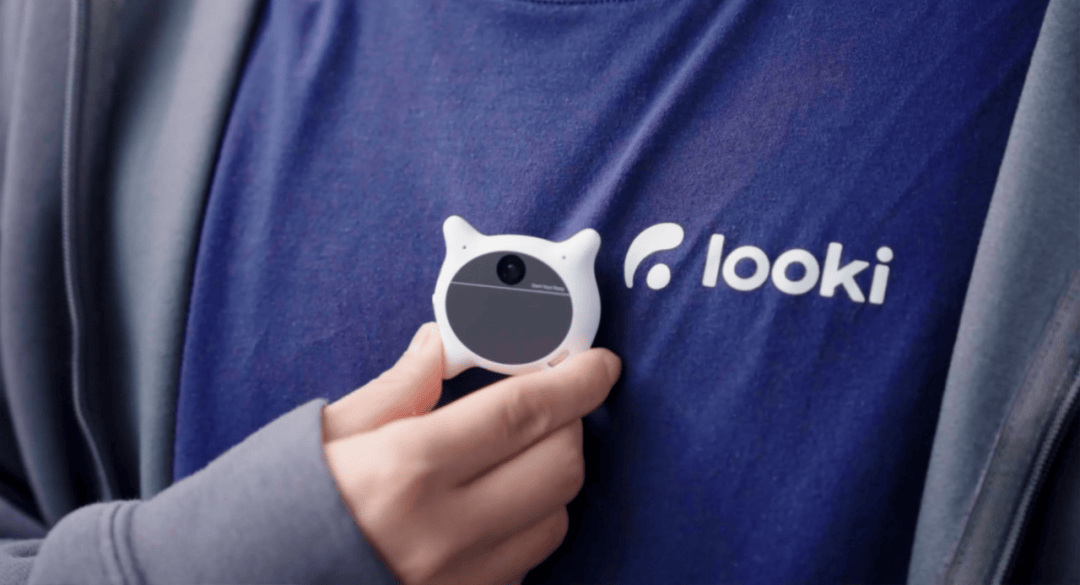
When an entire wearable device weighs only 32 grams, the Camera Module cannot be selected as an isolated component.
Its optical performance, structure, power demand and data output all influence the final user experience.
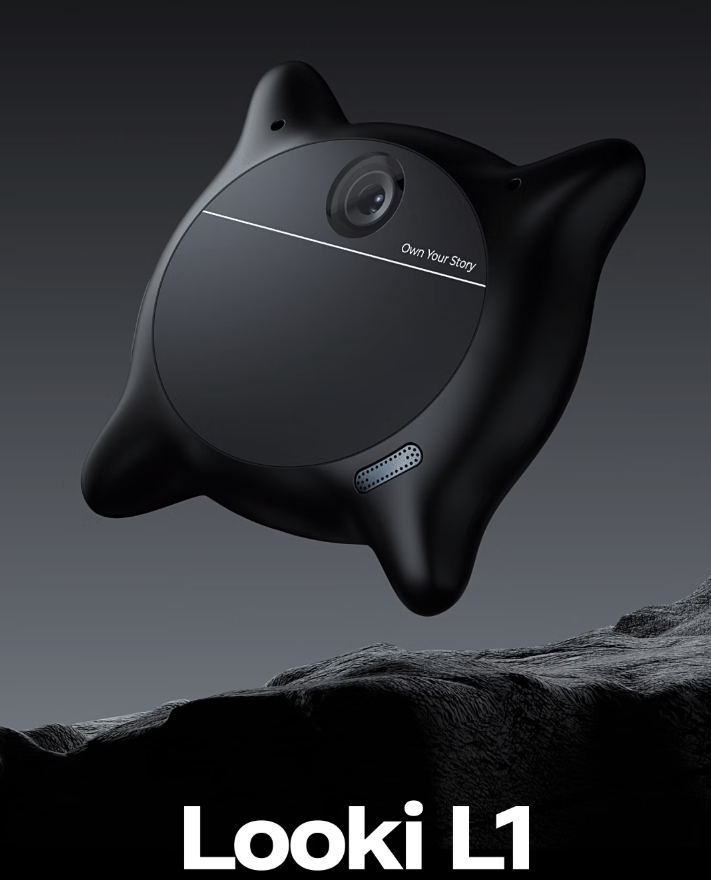
The Looki L1 provides a useful example of how multiple imaging requirements must be considered together.
1. Module Size and Weight
A wearable device must remain comfortable during extended use.
This means the imaging system needs to fit within strict limits for:
- PCB and optical dimensions;
- Lens height;
- Connector position;
- Cable routing;
- Module weight;
- Mechanical support.
A Camera Module that performs well on a development board may still be unsuitable if its lens structure makes the final product too thick or front-heavy.
The final enclosure should therefore be considered early in the selection process.
2. Field of View and Wearing Position
A wearable camera is not always pointed directly at the subject.
Its viewing direction changes with the user’s posture, clothing, mounting position and movement.
A relatively wide field of view can improve the chance of capturing useful surroundings. However, wider coverage may also bring stronger distortion, lower subject detail and more unwanted background information.
The right field of view should be evaluated at the actual wearing position rather than only from a specification sheet.
3. Power Consumption and Capture Strategy
The device information reviewed by our team lists a 375 mAh battery and up to approximately 13 hours in an AI or interval-based recording mode.
This illustrates an important design principle: long operating time does not depend only on battery size.
It also depends on how the camera is used.
Possible capture strategies include:
- Continuous video;
- Interval photography;
- Event-triggered capture;
- Low-frame-rate monitoring;
- Motion-triggered recording;
- Temporary high-quality capture.
The Camera Module, processor and AI workflow must support the same power strategy.

4. Motion and Stabilization
A body-worn camera moves constantly.
Walking, turning, clothing movement and magnetic mounting can all change the captured image.
Electronic image stabilization can improve the visual result, but it usually depends on more than the image sensor alone. Gyroscope information, software processing, exposure time and available image margins may all influence stabilization performance.
This is why stabilization should be evaluated as a system capability rather than a single Camera Module parameter.
5. Changing Lighting Conditions
Wearable devices may move from indoor lighting to outdoor sunlight within seconds.
They may also record under backlight, shade, low light or mixed color temperatures.
HDR, exposure control, automatic gain and low-light performance can help, but each may introduce trade-offs involving motion blur, image noise, frame rate or processing demand.
Real testing should therefore include the lighting transitions expected during actual use.

6. Privacy and Data Architecture
Privacy is not a feature that can be delivered by the Camera Module alone.
It depends on the complete architecture, including:
- When images are captured;
- Where they are stored;
- Whether processing happens locally or in the cloud;
- How long information is retained;
- Whether users know when recording is active;
- How data is encrypted or deleted.
For devices built around everyday context, these questions should be considered from the beginning of product development.
7. AI Workflow Compatibility
The best-looking image is not always the most useful input for AI.
Developers should determine whether the system needs:
- General scene context;
- Human activity information;
- Text readability;
- Object recognition;
- Face-level detail;
- Temporal event understanding;
- Visual summaries.
These tasks may lead to different decisions for resolution, frame rate, FOV, exposure and image compression.
For a lightweight AI wearable, Camera Module selection is a system-level decision.
Size, field of view, motion, power, lighting, data processing and privacy must be evaluated together before a suitable imaging configuration can be identified.