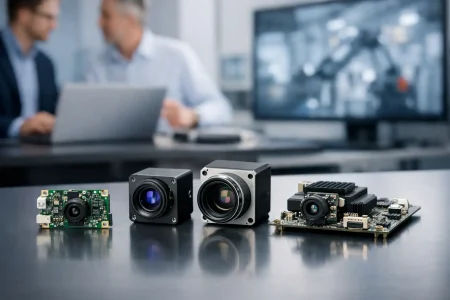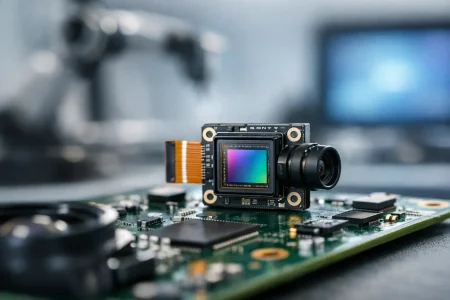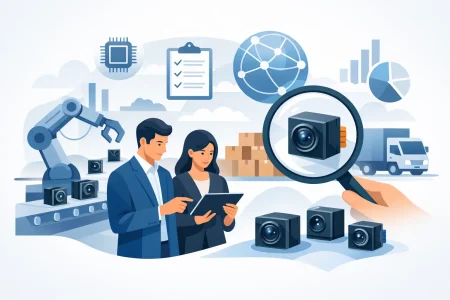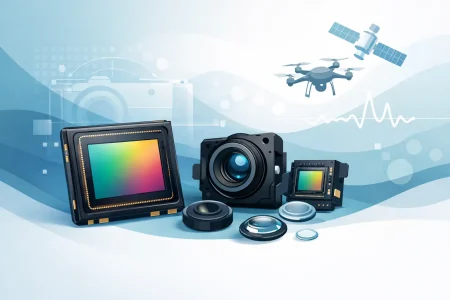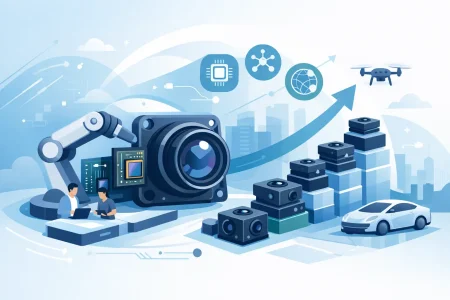

A camera that looks fine on a lab bench can become a problem the moment it moves into a shipped product. Frame drops, timing mismatches, PCB routing constraints, and unstable image quality usually show up after the interface choice is already locked. That is why selecting a dvp camera module for embedded systems is not just a sensor decision. It is a system architecture decision that affects processing load, board layout, power design, optics, and production risk.
For many embedded products, DVP remains a practical interface because it is familiar, cost-conscious, and straightforward to integrate with MCUs, DSPs, and entry-level application processors that support parallel camera input. In products where the image pipeline is modest and the requirement is stable, predictable capture rather than high-bandwidth streaming, DVP can still be the right fit. The key is knowing where it performs well and where it starts to create limits.
What a DVP camera module for embedded systems does well
A DVP camera module outputs image data over a parallel digital video interface, typically with synchronization and pixel clock signals. Compared with MIPI, it is usually simpler at the electrical level and easier for many engineering teams to bring up during early development. If your host processor already includes a DVP or CMOS sensor interface, the software and hardware path can be more direct.
That simplicity matters in products with tight cost targets or shorter development cycles. A smart lock, handheld scanner, basic industrial reader, educational device, or compact HMI terminal may not need multi-lane high-speed serial imaging. In those cases, DVP offers a practical balance between image capture capability and integration effort.
It also helps when teams need broad compatibility with legacy embedded platforms. Many long-life industrial and medical designs are built around processors that are stable, qualified, and already approved in a product line. Replacing the main processor just to adopt a newer camera interface is often more expensive than selecting a DVP module that fits the existing architecture.
Where DVP starts to show its limits
The trade-off is bandwidth, pin count, and routing complexity. A parallel interface consumes more GPIO or dedicated camera pins than a serial alternative. On compact boards, this can create pressure on connector choice, stack-up planning, and EMI control. As resolution, frame rate, or bit depth increase, DVP also becomes less attractive.
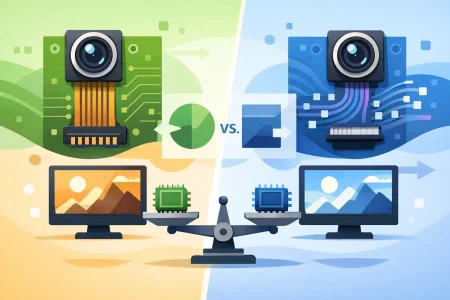
This is why there is no universal answer to whether DVP is better than MIPI. It depends on the processor, the enclosure, the target image quality, and the cost of redesign. If your product needs higher resolution video, lower EMI, fewer board traces, or longer flex routing in a very compact device, MIPI is often the better path. If your platform already supports DVP cleanly and your imaging requirements are moderate, DVP can reduce development friction.
How to evaluate a DVP camera module for embedded systems
Start with the host, not the camera. Engineers sometimes begin with sensor resolution and optical format, then discover the processor cannot ingest the required pixel clock or format. The right sequence is to confirm your processor interface, supported timing, input voltage, synchronization scheme, and software driver path first.
After that, evaluate the sensor and module as a package. Resolution alone is not enough. For barcode reading, object detection, face capture, or inspection, sensitivity, dynamic range, lens field of view, distortion control, and fixed focus distance may matter more than headline megapixels. A lower-resolution sensor with stable exposure and better low-light performance often delivers better real-world results than a higher-resolution option that struggles in the target environment.
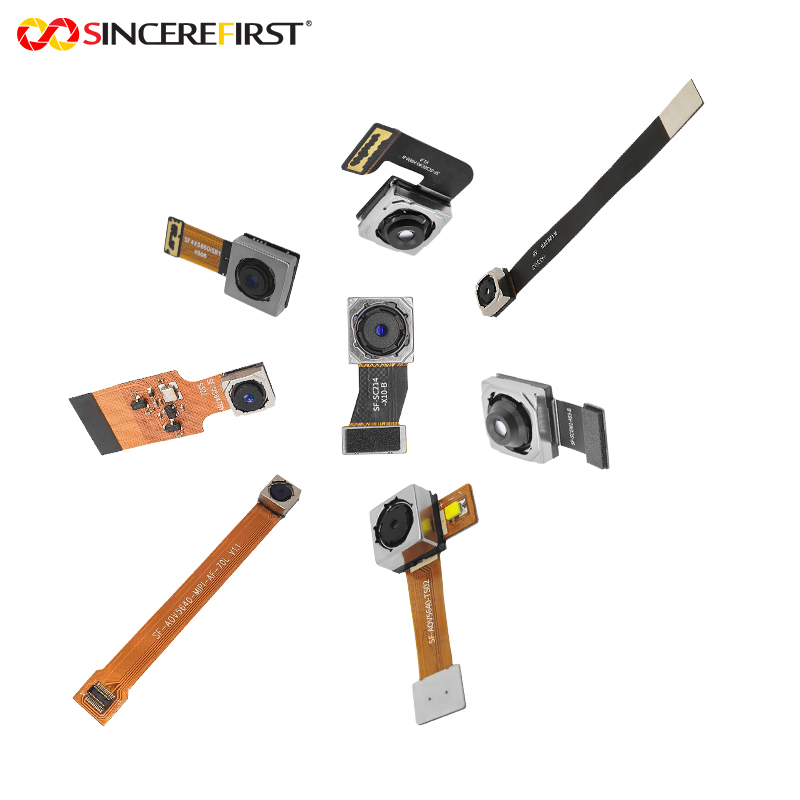
Mechanical integration matters just as much. In embedded products, the camera is rarely installed in a neutral optical environment. There may be cover glass, IR filters, light pipes, dust barriers, thermal constraints, or tight z-height limits. A module that works as a bare sample can behave differently once assembled into a plastic or metal housing. This is where module customization becomes valuable, especially for OEM and ODM programs.
Sensor, lens, and tuning choices
A DVP camera module for embedded systems should be selected as an imaging system, not a loose collection of parts. Sensor size affects more than image quality. It changes lens options, total module footprint, and low-light behavior. Lens focal length shapes the field of view, but it also changes working distance and edge distortion. IR cut filter decisions depend on whether the product uses visible light only or day-and-night imaging.
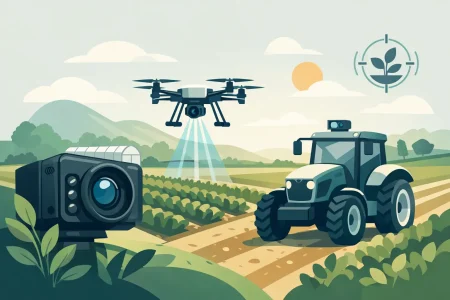
Image tuning is another area where many projects lose time. Auto exposure, white balance, color correction, and noise reduction all need adjustment for the actual use case. A medical accessory, factory scanner, and agricultural device do not want the same tuning profile. If the module supplier can support tuning around the target lighting and scene type, validation tends to move faster.
For fixed-function commercial products, consistency between batches is critical. It is not enough for one sample to look good. The module has to maintain optical alignment, electrical stability, and repeatable image behavior across production lots. That is where manufacturing discipline becomes part of camera performance.
Integration issues that affect schedule and yield
The camera module is only one part of the path. Flex cable orientation, connector reliability, grounding strategy, and shielding can all decide whether the design passes validation. DVP signals are usually more forgiving than very high-speed serial links, but they still require careful timing and layout control. Skew, signal integrity issues, and poor power filtering can create intermittent image defects that are hard to isolate.
Software teams also need clarity early. Output format, initialization sequence, register map, and ISP behavior should be confirmed before the hardware design is frozen. If your embedded platform uses Linux, RTOS, or a proprietary stack, driver support and image control interfaces need to be mapped from the start. Late changes in output format can create avoidable delays.
This is one reason many OEMs prefer working with a manufacturer that can support both standard modules and custom adaptation. A camera vendor that understands connectors, optics, ISP tuning, and production constraints can remove several rounds of trial and error.
Standard module or custom module?
If your product is in early proof-of-concept stage, a standard DVP module is usually the fastest route. It lets your team validate field of view, image quality, processor compatibility, and basic mechanical fit without waiting for a custom build. For pilot production or commercial launch, the answer is less obvious.
A standard module can save time when your industrial design is flexible and your requirements are common. But if your product needs a specific cable length, unusual mounting geometry, different lens holder, onboard LEDs, compact stack height, or tuned optics for a defined working distance, custom development often reduces total project risk. It may add effort up front, but it can prevent assembly issues, calibration drift, or last-minute housing changes later.
For procurement teams, this decision also affects long-term supply stability. A standard module is useful only if its lifecycle, sensor availability, and manufacturing repeatability are clear. A customized module tied to a controlled bill of materials can be the safer commercial choice when product life is measured in years, not quarters.
What serious buyers should ask a supplier
When qualifying a DVP camera partner, the best questions are not just about price. Ask about supported sensors, available resolutions, typical lead times, sample turnaround, image tuning support, connector options, cleanroom production, and batch consistency controls. Ask whether the supplier can support both prototype quantities and scale production without changing core specifications.
It is also worth asking how quickly engineering changes can be handled. In embedded vision projects, revisions are normal. Lens updates, FPC changes, firmware adjustments, and mounting tweaks often happen after first integration. A supplier with strong internal engineering and manufacturing coordination can keep those changes from becoming schedule problems.
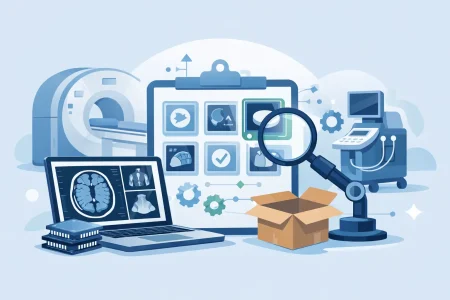
Companies building products for industrial automation, healthcare devices, robotics, and smart equipment usually need more than a catalog camera. They need a module that fits the processor, enclosure, optical target, and production plan. That is why manufacturers such as SincereFirst position DVP modules as part of a broader imaging solution rather than a stand-alone component.
A good camera choice should make the next stage of development easier, not harder. If your team is evaluating a dvp camera module for embedded systems, the right question is not simply whether the interface works. The better question is whether the module will still work reliably after the board is miniaturized, the housing is closed, the software is finalized, and volume production begins. That is where the right supplier earns its place.