


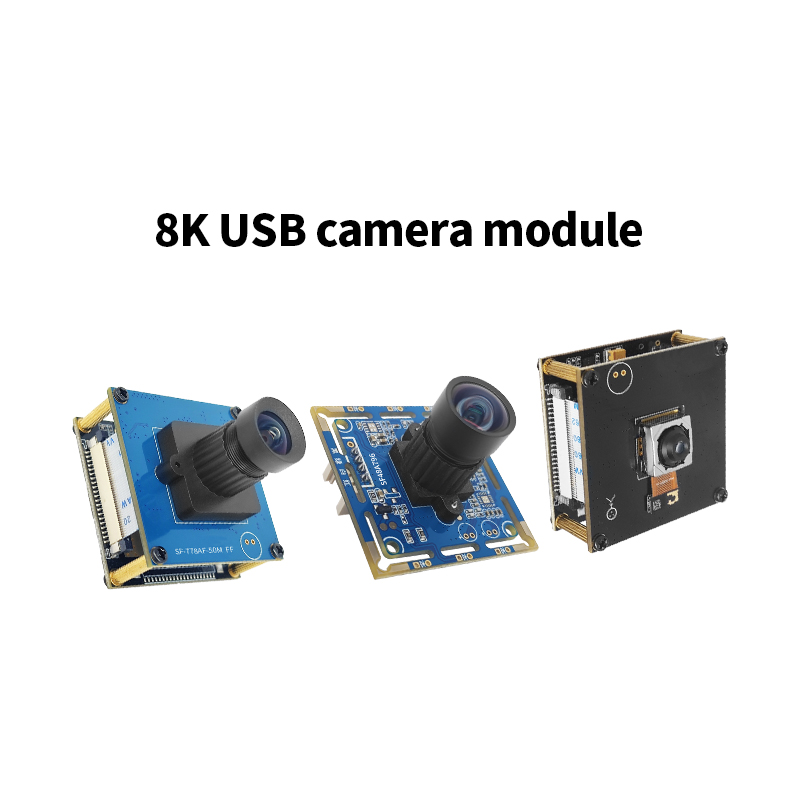
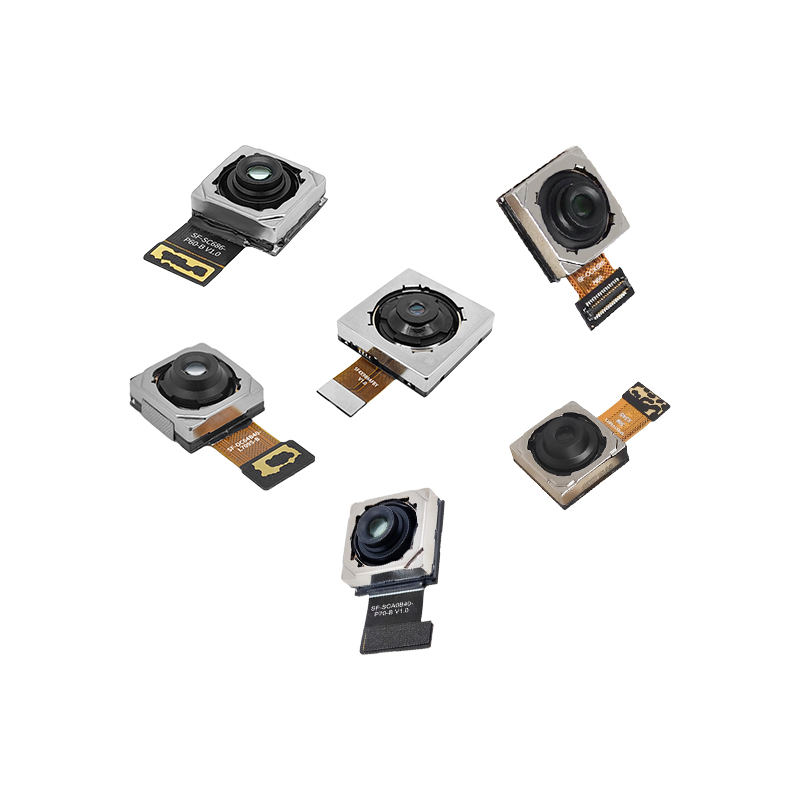
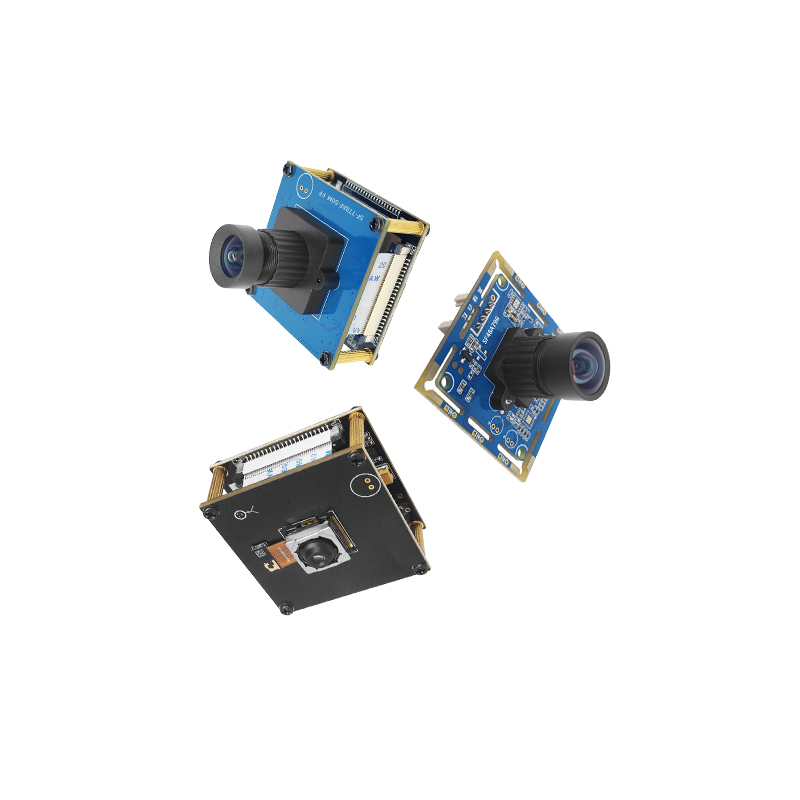


8K Camera Modules for High-Resolution Embedded Imaging Applications

¥1.00

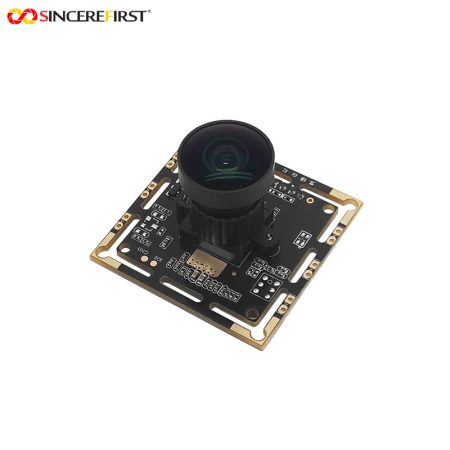
Explore SincereFirst 8K camera module solutions from 48MP to 108MP with USB2.0 and MIPI interfaces, autofocus, RAW output, HDR, PDAF and customized optical designs for embedded imaging applications.

—————————————————————————————–
Price is for reference only. Please contact us for the latest quotation.

+
  • 8K Camera Modules for High-Resolution Embedded Imaging Applications
    ¥1.00

    Request a Call Back

    • 8K Camera Modules for High-Resolution Embedded Imaging Applications
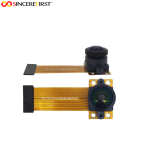
      ¥1.00

      Ask a Question

        ... people are viewing this right now

        Share

      Introduction

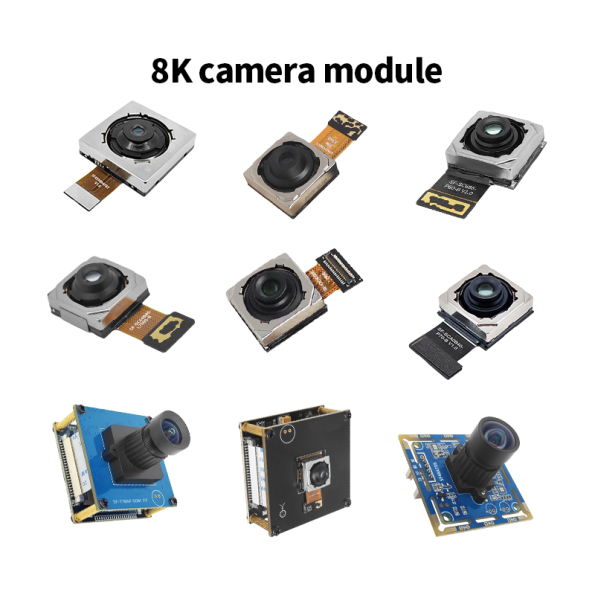
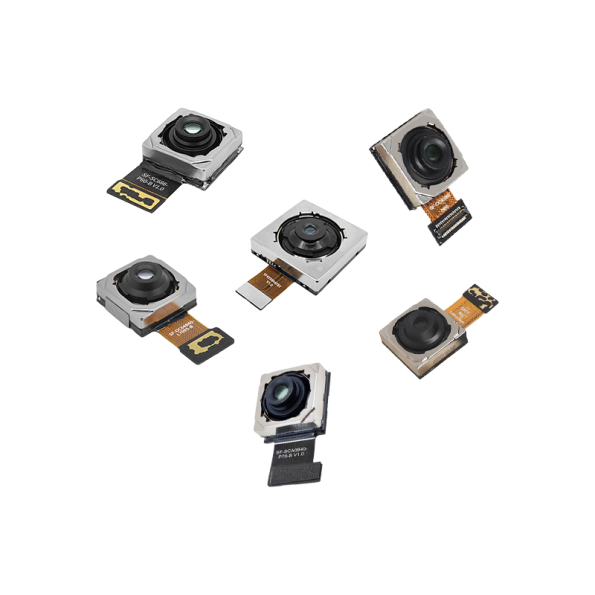
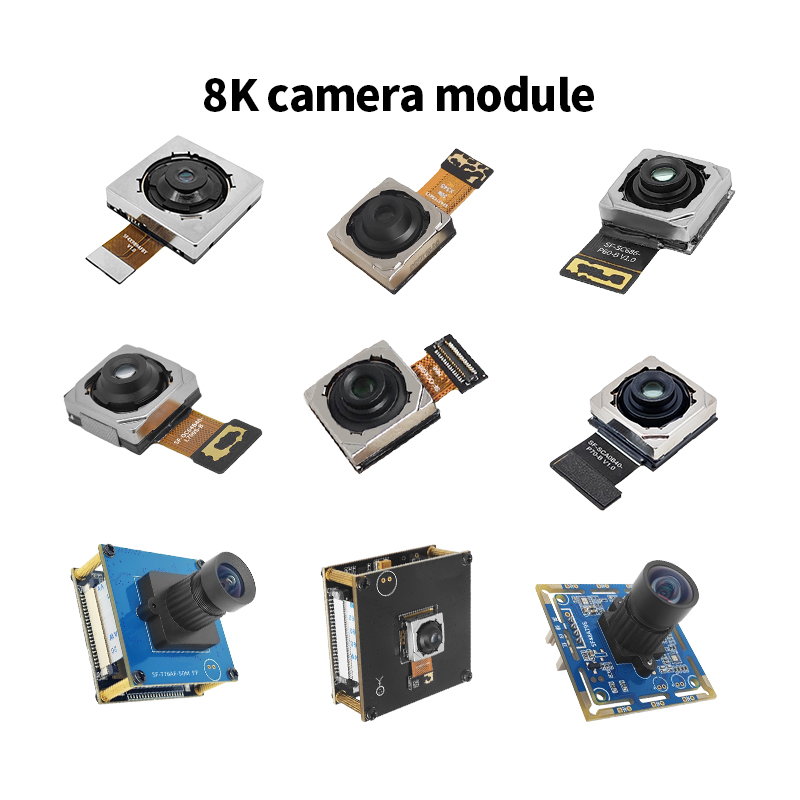
      8K Camera Module Series provides high-resolution imaging solutions for embedded devices requiring detailed image capture, flexible integration and customized optical configurations.

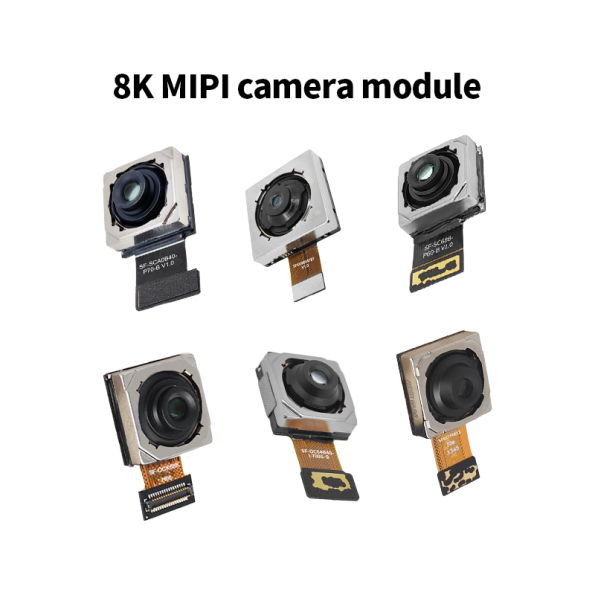
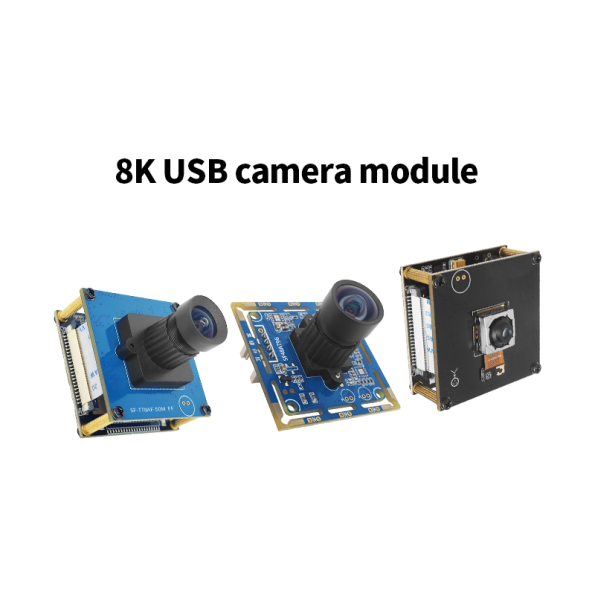
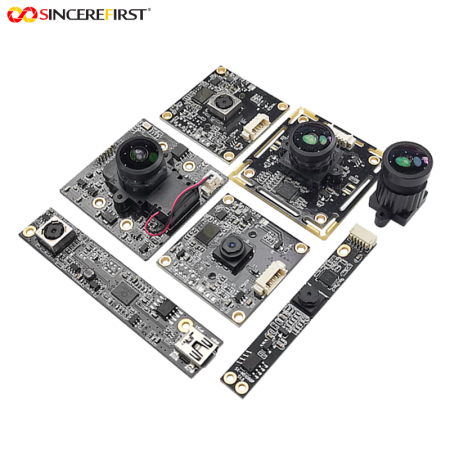
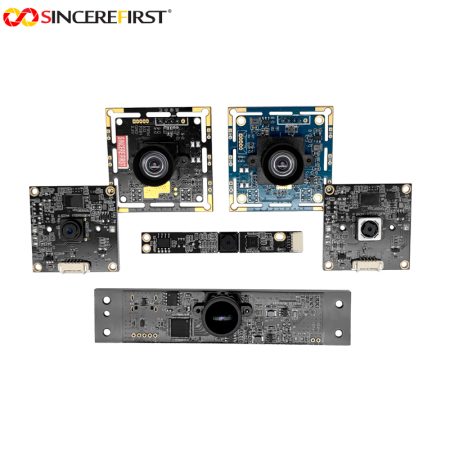
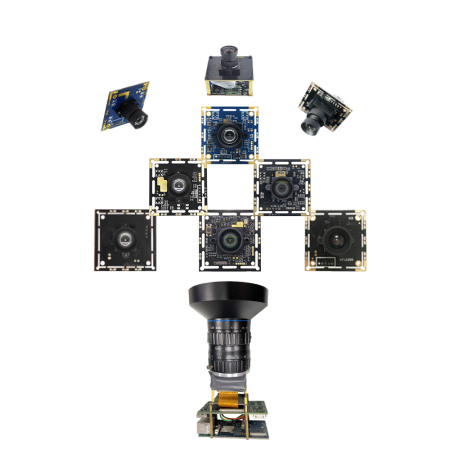
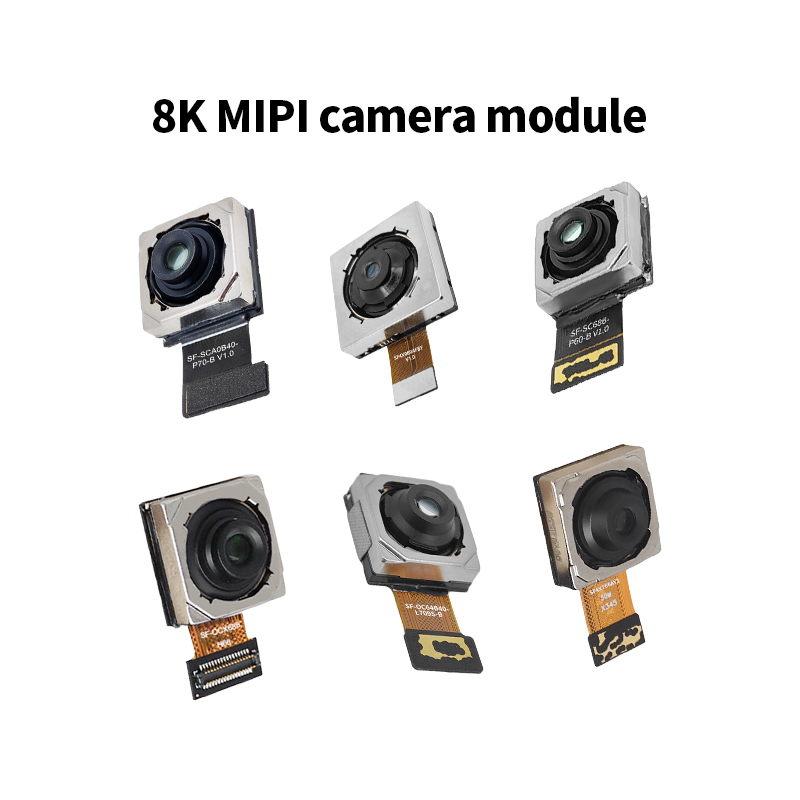
      The series covers 48MP, 50MP, 64MP and 108MP camera modules based on Sony, Samsung and OmniVision CMOS sensors, including USB2.0 camera modules for simplified system integration and MIPI camera modules for embedded platforms requiring RAW image processing and ISP tuning.

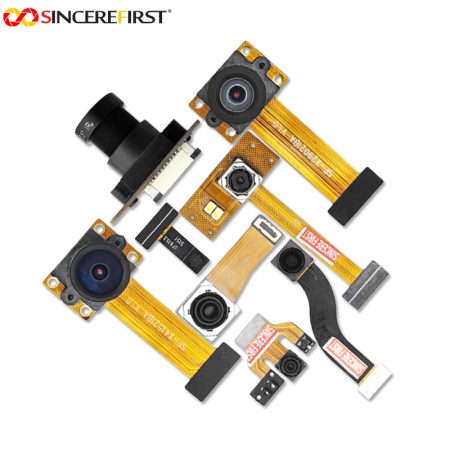
      Beyond resolution selection, different models within the series provide various integration directions including autofocus, fixed focus, wide-angle imaging, telephoto imaging, OIS stabilization, large-format sensors and customized FPC/connector structures.

      Applications in Real Devices

      AI Vision and Intelligent Inspection Equipment

      High-resolution camera modules provide additional image details for AI recognition, inspection and analysis systems where small features or image cropping capability are important.

      The suitable module depends on the target size, working distance, lighting condition and host processing capability.

      Industrial Imaging Systems

      For industrial inspection equipment requiring detailed image acquisition, 8K camera modules can support applications such as surface inspection, defect analysis and measurement tasks.

      Lens selection, distortion control and interface compatibility should be evaluated according to the actual system requirements.

      Robotics and Smart Devices

      Robotic and intelligent devices often require compact camera modules with high image detail, autofocus capability or special optical coverage.

      The series includes standard-angle, wide-angle and telephoto configurations to support different device structures and observation requirements.

      Embedded Vision Platforms

      MIPI camera modules within this series are designed for embedded platforms requiring direct sensor integration, RAW output and ISP processing, while USB camera modules provide a simpler integration path for PC-based or embedded computing systems.

      How to Choose the Integration Direction

      Choose by Host Architecture

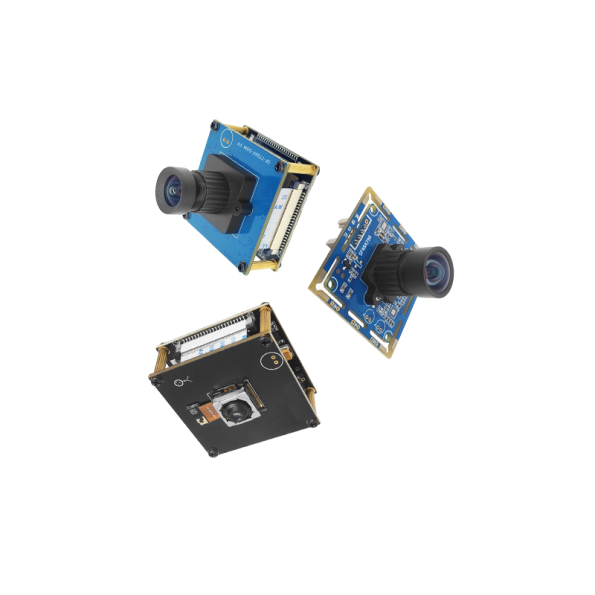
      If the device needs a standard camera connection to a PC, industrial computer or UVC-compatible embedded host, a USB camera module provides the more direct integration path.

      If the camera will connect directly to an embedded processor and the project requires RAW data, ISP tuning or deeper sensor control, choose a MIPI camera module and confirm D-PHY / C-PHY compatibility with the host platform.

      Choose by Image Detail and Output Requirement

      Select sensor resolution according to the smallest detail the device needs to preserve, rather than simply choosing the highest megapixel count.

      48MP and 50MP models already cover many high-detail imaging tasks, while 64MP and 108MP directions are more relevant when the project requires additional cropping margin, smaller feature capture or higher native image detail. Full-resolution capture and 4K30 video should also be treated as different operating requirements.

      Choose by Working Distance and Focus Method

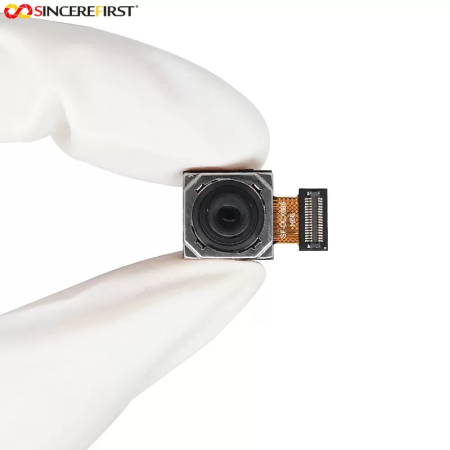
      Choose Autofocus when object distance changes during normal operation and the camera needs to maintain focus automatically.

      Choose Fixed Focus when the working distance remains relatively stable, or when the project requires an M12, C/CS or other customized optical configuration without active focus control.

      Choose by Optical Task

      Standard-FOV modules are suitable when the target and mounting position are already well defined.

      For special imaging conditions, the Series also provides different directions including ultra-wide and fisheye coverage, telephoto imaging, OIS stabilization and large-format sensor configurations. These should be selected according to working distance, scene width, distortion tolerance and platform movement rather than resolution alone.

      Choose by Embedded Mechanical Integration

      For MIPI projects, the connector and FPC structure must match the device layout as well as the electrical interface.

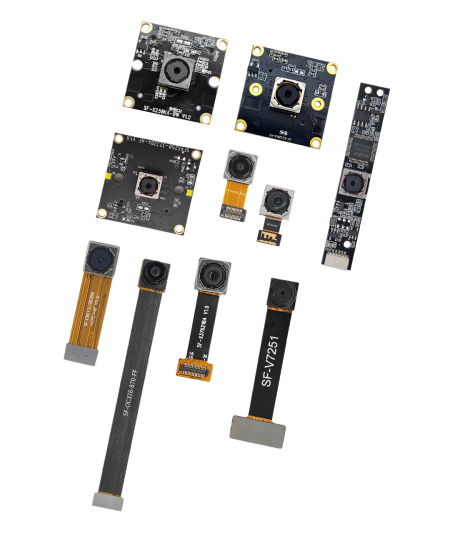
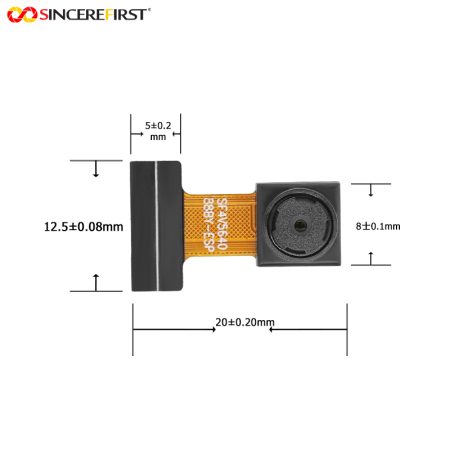
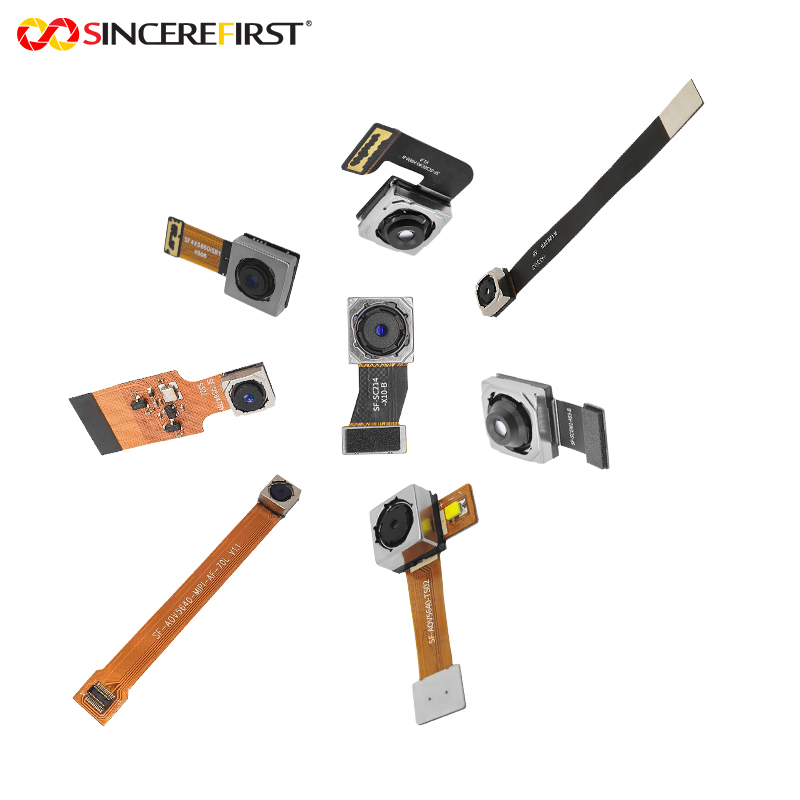
      The Series includes different 20Pin / 24Pin / 30Pin / 34Pin / 36Pin / 40Pin BTB connectors, standard or irregular FPC structures, long-FPC designs and dual-layer PCB USB modules, allowing the camera architecture to be selected around the available internal space and host-board connection.

      Featured Models

      ModelSensorInterfacePositioning
      SF48A796Sony IMX586USB2.048MP USB camera module for high-resolution general imaging
      SF-SYA3580-586Sony IMX586USB2.048MP autofocus USB camera module
      SF-ANVIS-48MSamsung S5KGM1USB Type-C 2.048MP autofocus USB module with dual-layer PCB design
      SF-778AF-50M AFSony IMX766USB Type-C 2.050MP autofocus USB camera module
      SF4X989AFBY V2.0Sony IMX989MIPILarge sensor high-end imaging module
      SF4X586OISBYSony IMX586MIPI48MP OIS camera module with stabilization support
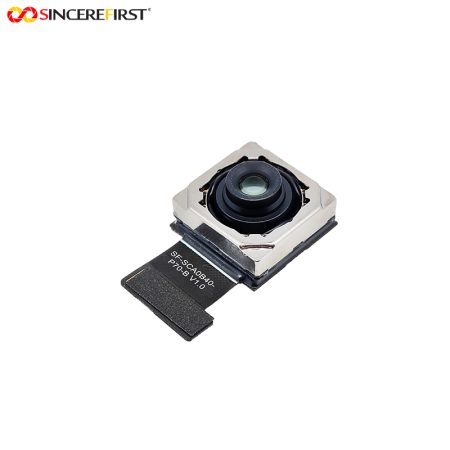
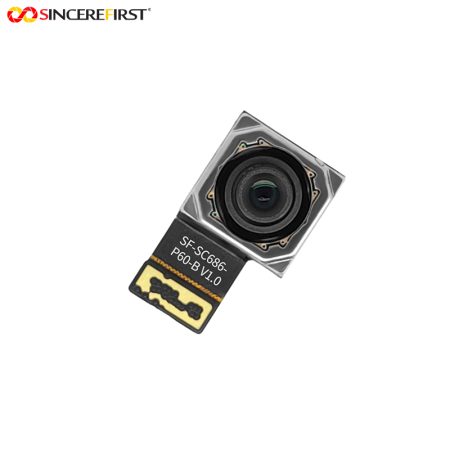
      SF-SCA0B40-P70-B V1.0OmniVision OVA0B40MIPI108MP ultra-high-resolution embedded camera module

      SincereFirst Customization

      Sensor and Image Configuration

      Sensor platforms can be evaluated according to resolution requirements, image quality targets, host processing capability and application conditions.

      Lens and FOV Configuration

      Lens parameters including focal length, field of view, distortion, focus method and optical structure can be evaluated according to working distance and device requirements.

      FPC, PCB and Connector

      Module structure can be customized according to mechanical limitations, including FPC layout, PCB size, BTB connector selection and module mounting requirements.

      Interface and RAW Integration

      USB and MIPI interface solutions can be evaluated according to host platform requirements, including RAW output modes, MIPI configuration and ISP integration needs.

      Final configuration should be validated with the actual host platform, enclosure, optics, software, and lighting environment before sampling.

      FAQ

      Is choosing a higher megapixel sensor always the best solution?

      No. Resolution should match the actual imaging task. Higher megapixel sensors also require suitable optics, processing capability and data bandwidth.

      Should I choose USB or MIPI for an 8K camera module?

      USB is usually more suitable when simple integration is preferred. MIPI is more suitable when the camera needs direct integration with an embedded processor and customized image processing.

      How do I choose between autofocus and fixed focus?

      Autofocus is suitable when the object distance changes during operation. Fixed focus is more suitable when the working distance remains stable and simplicity is preferred.

      When is a wide-angle or telephoto camera module needed?

      Wide-angle modules are suitable when the system needs broader scene coverage, while telephoto modules are suitable when the target is distant or occupies a smaller area in the scene.

      Can SincereFirst customize the camera module for a new device?

      Yes. Customization can include sensor selection, lens configuration, FPC structure, connector design, interface adaptation and optical optimization.

      Evaluate a 8K Camera Module for Your Device

      Share your application scenario, resolution requirement, host platform, interface type, working distance, FOV requirement and focus method.

      Send Inquiry

        Close
        Close My Cart
        Close Recently Viewed
        Close
        Close
        Categories