





206° Ultra-Wide USB Camera Module for Wide-Area Audio-Video Devices

$1.00

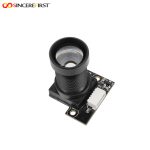
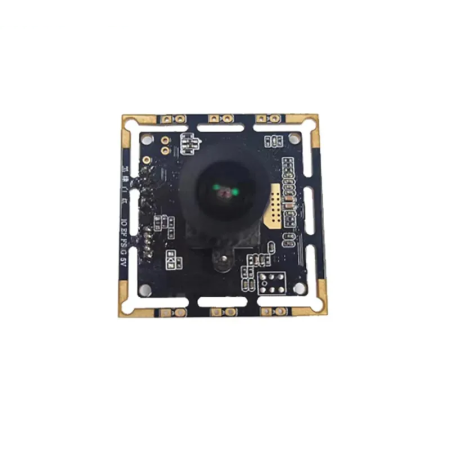
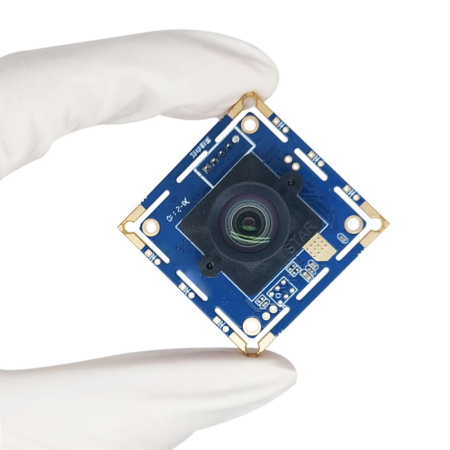
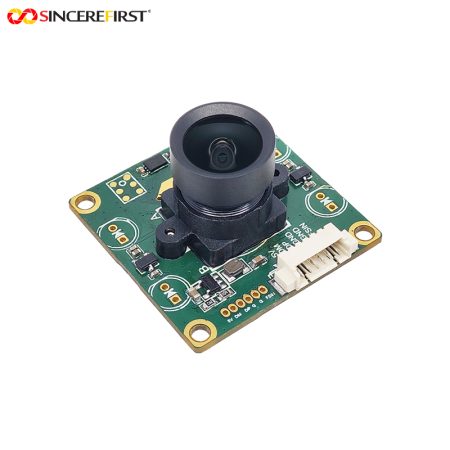
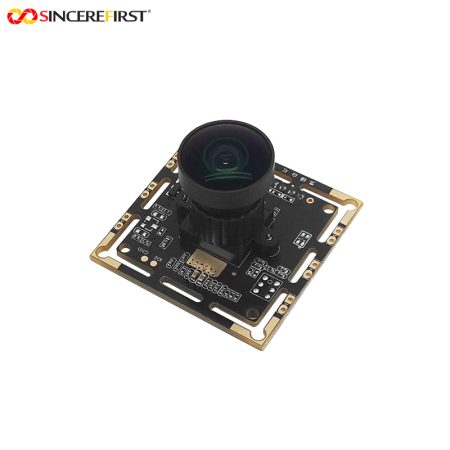
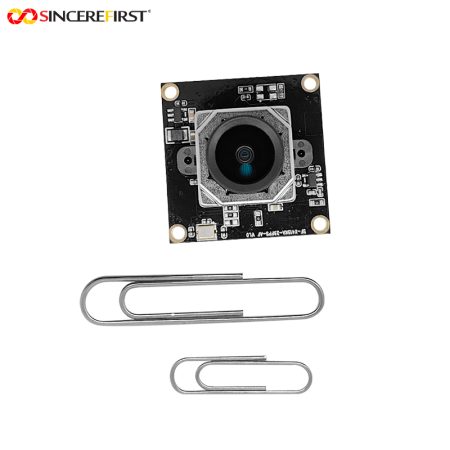
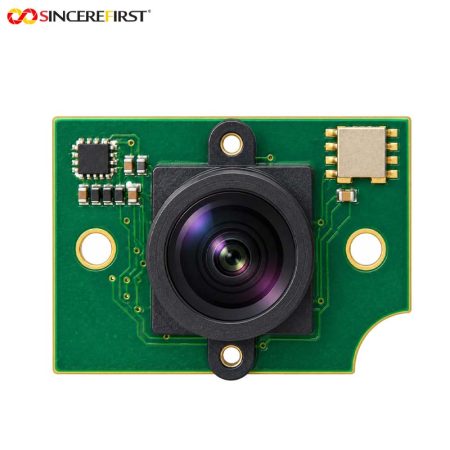
1MP USB 2.0 camera module with 1/4-inch sensor, integrated microphone, UVC/UAC output, Fixed Focus from 50cm to infinity, D206° × H206° × V121° ultra-wide FOV, F2.2 lens and 25 × 25mm PCB.

—————————————————————————————–
Price is for reference only. Please contact us for the latest quotation.

+ −
  • Cmos UVC USB Camera Module Industrial Camera Modules

    206° Ultra-Wide USB Camera Module for Wide-Area Audio-Video Devices
    $1.00

    Request a Call Back

    • Cmos UVC USB Camera Module Industrial Camera Modules

      206° Ultra-Wide USB Camera Module for Wide-Area Audio-Video Devices

      $1.00

      Ask a Question

        ... people are viewing this right now

        Share
      Cmos UVC USB Camera Module Industrial Camera Module
      Introduction

      A conventional wide-angle camera can still leave large areas outside the frame when the camera position is fixed and the product needs to observe almost everything around the front of the device.

      This USB camera module pushes the optical direction much further, combining a 206° horizontal field of view with an integrated microphone and a compact 25×25mm PCB. It is designed for products where maximum scene coverage matters more than maintaining normal perspective geometry.

      The module also supports UVC video and UAC audio, allowing camera and microphone functions to share the same USB architecture. A waterproof lens configuration can also be evaluated for projects that need additional environmental protection at the optical end.

      The uploaded V1.0 drawing identifies this product as SF-C1014USB-2525-MIC-H206.

      Applications in Real Devices

      Wide-Coverage Interactive Terminals

      Some interactive terminals need to observe users approaching from different positions rather than only directly in front of the camera.

      The 206° horizontal coverage can capture a much broader area from one fixed installation point.

      Multi-User Audio-Video Devices

      Devices used by several people may need both wide visual coverage and voice input.

      The integrated microphone and UVC/UAC architecture combine these functions without adding a separate audio module.

      Compact Monitoring Terminals

      Where enclosure space limits the ability to install multiple cameras, one ultra-wide camera can provide substantially broader visual coverage from a single camera position.

      Equipment with Protected Lens Requirements

      Some products need the camera lens to face environments where additional sealing or lens protection is required.

      For these projects, a waterproof lens configuration can be evaluated without changing the basic USB camera architecture.

      Project Evaluation Guide

      Consider This Model When

      • Maximum scene coverage is a primary requirement.
      • A conventional 90°–125° lens still leaves blind areas.
      • A 206° horizontal FOV is acceptable.
      • Both camera and microphone functions are required.
      • UVC and UAC fit the host architecture.
      • A 25×25mm PCB fits the enclosure.
      • The normal target distance is approximately 50cm or farther.
      • A waterproof lens option may be needed.

      Confirm Before Sampling

      • Actual area that must be visible.
      • Camera mounting orientation.
      • Whether 206° introduces too much unused scene.
      • Whether strong optical distortion is acceptable.
      • Required resolution and frame rate.
      • Host UVC/UAC compatibility.
      • Acoustic opening for the microphone.
      • Lens clearance inside the enclosure.
      • Waterproof lens requirement and sealing structure.
      • Whether geometric correction is required downstream.

      Choosing This Model Within the USB Camera Module Series

      This model represents the ultra-wide audio-video USB direction.

      Choose it when scene coverage is more important than preserving natural image geometry.

      Compared with SF-C1014USB-2525-MIC-H125, the two models share a similar 25×25mm camera + microphone architecture, but their optical positioning is very different:

      • H125 version → broad but more conventional wide-angle coverage
      • H206 version → extreme ultra-wide coverage for minimizing blind areas

      The decision should therefore be based primarily on the required scene width and acceptable distortion rather than PCB size.

      Related Models

      SF-C1014USB-2525-MIC-H125 V1.0
      Consider this model when integrated audio is still required but H125° provides enough coverage and lower optical distortion is preferred.

      SF-C1014USB-2020-MIC V1.0
      Consider this model when a smaller 20×20mm PCB is more important than ultra-wide scene coverage.

      Key Specifications

      SpecificationDetails
      Product Name206° Ultra-Wide USB Camera
      ModelSF-C1014USB-2525-MIC-H206 V1.0
      Sensor1/4″ 1MP Sensor
      InterfaceUSB 2.0
      Video ProtocolUVC
      Audio ProtocolUAC
      AudioIntegrated Microphone
      Focus TypeFixed Focus
      Focus Range50cm–Infinity
      EFL1.08mm
      ApertureF2.2
      Diagonal FOVD206°
      Horizontal FOVH206°
      Vertical FOVV121°
      TV Distortion< -80%
      PCB Size25 × 25mm
      Lens Outer StructureApprox. Ø17mm
      Module DepthApprox. 13.6mm
      Mounting Holes4 × Ø2.1mm / Ø3.5mm structure
      Connector4Pin
      Connector Pitch2.0mm
      Pin DefinitionUSB 5V / DM / DP / GND
      DSPUSB 2.0 DSP
      VersionV1.0

      SincereFirst Customization

      Lens and Scene Coverage

      The FOV can be evaluated according to the actual surrounding area that needs to remain visible. If 206° is wider than necessary, a narrower optical configuration can provide a larger target image and lower distortion.

      Focus Distance

      The Fixed Focus setting can be reviewed according to the real operating distance when the standard 50cm-to-infinity configuration does not match the application.

      Microphone and Acoustic Design

      Microphone position, acoustic opening and enclosure structure can be evaluated according to voice distance and ambient-noise conditions.

      Waterproof Lens and Mechanical Integration

      A waterproof lens configuration, lens housing, mounting structure and enclosure interface can be evaluated according to the required environmental design. The final waterproof performance should be confirmed at the complete device level rather than inferred from the lens alone.

      Final configuration should be validated with the actual host platform, enclosure, optics, software, and lighting environment before sampling.

      FAQ

      When should I choose the 206° version instead of the H125° version?

      Choose 206° when reducing blind areas and maximizing surrounding scene coverage are more important than maintaining a natural perspective.

      If H125° already captures the required area, the narrower version may provide a more usable target size and less distortion.

      Does a 206° FOV mean the camera can see everything around it?

      No.

      It provides extremely wide front-facing coverage, but actual usable coverage depends on lens orientation, enclosure obstruction and how the image is cropped or corrected by the host.

      Why is the distortion so high?

      Extreme wide-angle optics trade geometric accuracy for field of view.

      The specification lists TV distortion below -80%, so this model is better suited to scene awareness than measurement or geometry-sensitive imaging.

      Can software correct the ultra-wide image?

      That may be possible, but correction depends on the host processor, calibration method and final image requirement.

      If dewarping is required, it should be evaluated as part of the complete system rather than assumed from the camera alone.

      Does the waterproof lens make the complete camera waterproof?

      No.

      A waterproof lens is only one part of the sealing design. The lens interface, PCB, connector, enclosure and complete assembly must also be evaluated.

      Is this module suitable for targets closer than 50cm?

      The standard focus range begins at approximately 50cm.

      For closer subjects, the optical focus configuration should be reevaluated.

      Request Project Evaluation

      If your device needs extreme wide-area coverage together with integrated USB audio, share the required viewing area, camera position, working distance, enclosure opening and waterproof requirements.

      SincereFirst can help determine whether the 206° configuration is necessary or whether the H125° version would provide a better balance between coverage, target size and distortion.

      Send Inquiry

        Close
        Close My Cart
        Close Recently Viewed
        Close
        Close
        Categories