

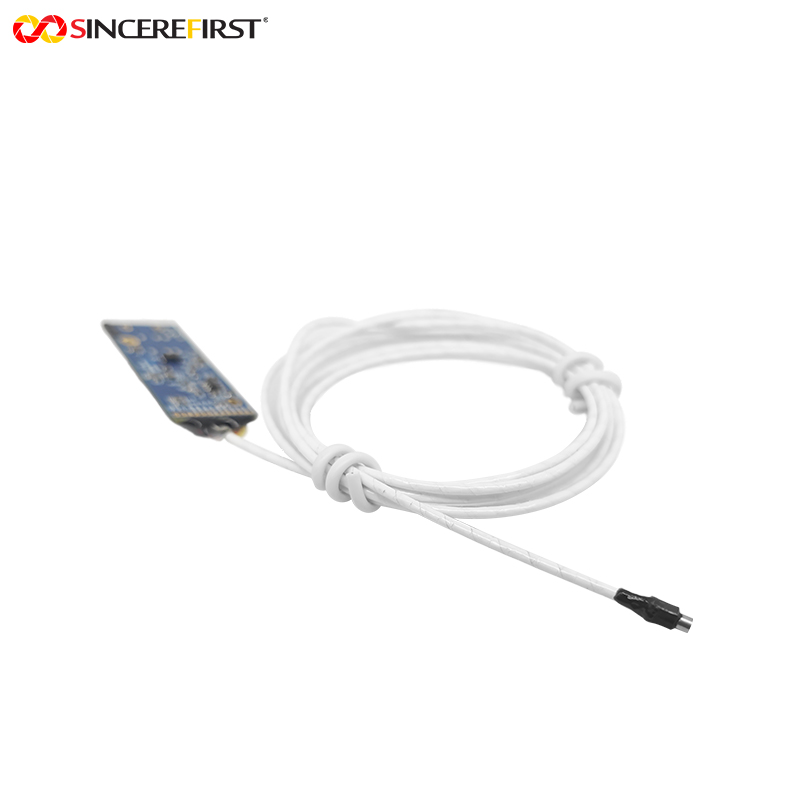

Triple-Camera USB Endoscope for Multi-Direction Cavity Inspection

$1.00

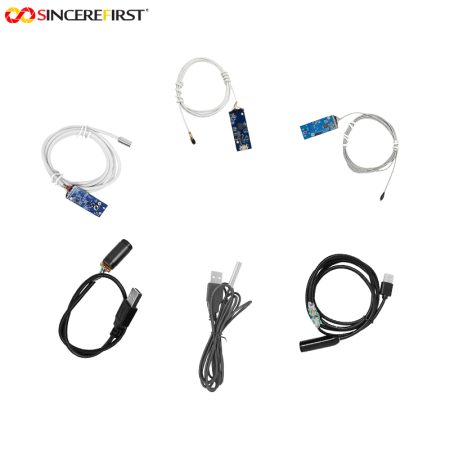
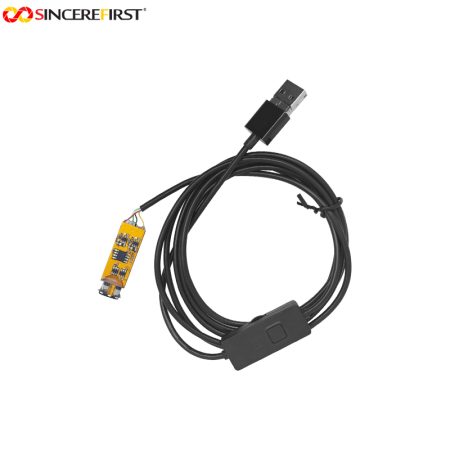
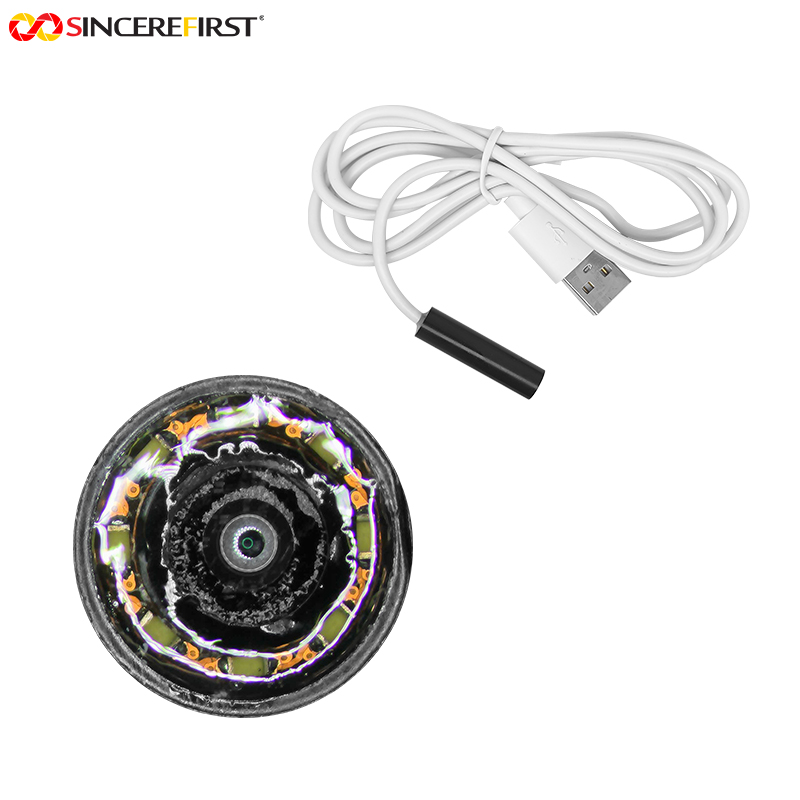
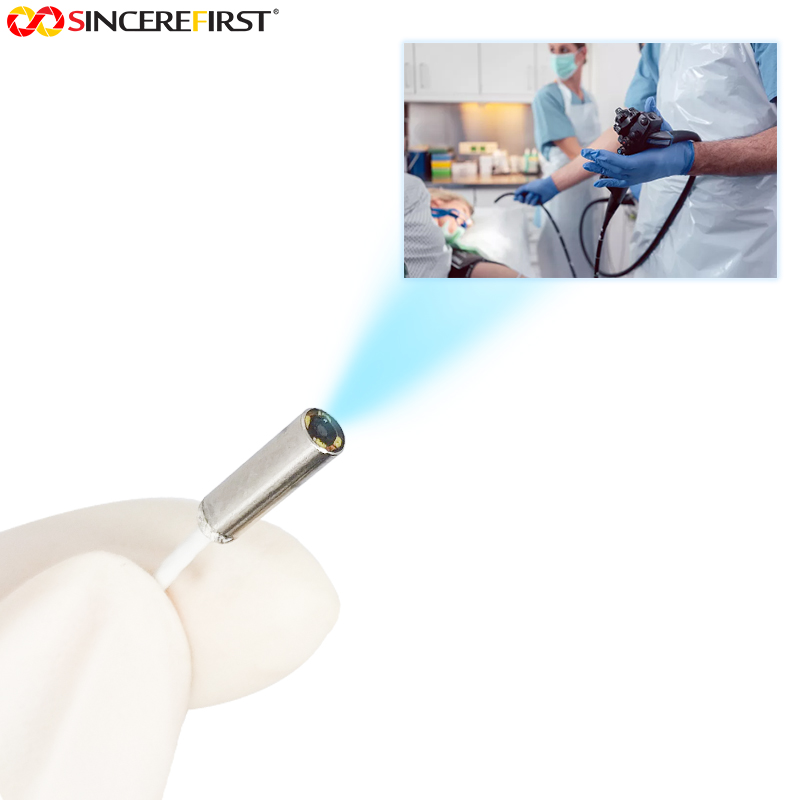
1MP triple-camera USB endoscope module with 1 forward + 2 side cameras, Fixed Focus, D76° FOV, 7.9mm IP67 stainless-steel camera head, 8 forward LEDs + 1 LED per side camera and USB 2.0 interface.

—————————————————————————————–
Price is for reference only. Please contact us for the latest quotation.

+ −
  • Triple-Camera USB Endoscope for Multi-Direction Cavity Inspection
    $1.00

    Request a Call Back

    • Triple-Camera USB Endoscope for Multi-Direction Cavity Inspection

      $1.00

      Ask a Question

        ... people are viewing this right now

        Share

      Introduction

      In a narrow cavity, adding more viewing directions only helps if each camera can actually see the surface it is aimed at.

      This three-camera design combines one forward-view camera and two side-view cameras inside a 7.9mm inspection head. More importantly, the lighting follows the viewing structure: the forward camera uses eight white LEDs, while each side camera has its own dedicated white LED.

      This makes the module particularly relevant to inspection devices where the operator needs to observe the path ahead and both side walls without relying entirely on probe rotation or front-facing illumination.

      Applications in Real Devices

      Pipe Wall Inspection

      Cracks, deposits or surface changes may appear on either side of a pipe rather than directly ahead. Two side cameras give the device dedicated lateral views while the forward camera continues to guide insertion.

      Internal Equipment Cavity Inspection

      Inside housings or machinery, the target may appear on different surfaces around the probe. Three viewing directions allow the inspection head to check more surrounding areas from one insertion position.

      Multi-Surface Borescope Systems

      Some inspection tasks require the operator to compare forward and side surfaces rather than examine only one direction. A three-camera structure supports this workflow without requiring a separate camera head for each viewing angle.

      Dark Enclosed Inspection Areas

      When little ambient light reaches the inspection area, the side cameras cannot depend only on illumination projected forward. Dedicated side LEDs provide lighting closer to the actual side-view direction.

      Project Evaluation Guide

      Consider This Model When

      • The inspection requires one forward and two side views.
      • Both side walls may contain the target.
      • Side cameras need their own local illumination.
      • A 7.9mm camera head fits the access opening.
      • Fixed Focus around 5cm matches the inspection task.
      • USB 2.0 is suitable for the host system.
      • IP67 protection is required for the camera head.

      Confirm Before Sampling

      • Minimum access diameter.
      • Which surfaces must be inspected.
      • Real camera-to-target distance.
      • Surface reflectivity and LED requirement.
      • Whether the system displays one view or multiple views.
      • Cable length and routing.
      • USB host and software architecture.
      • Exposure conditions beyond normal IP67 use.

      Choosing This Model Within the Endoscope Camera Series

      Choose this model when the project requires three viewing directions and dedicated illumination for each direction.

      Its key difference from SF-SPU65-3A29 is not simply that both are three-camera designs. This model uses 8 LEDs around the forward camera plus one LED for each side camera, making the lighting arrangement a more important part of its positioning.

      Related Models

      SF-SPU65-3A29
      Choose this three-camera alternative when the project needs forward and dual-side viewing with a different illumination configuration.

      SF-SPU65-2A29
      Choose this dual-camera model when only one side view is required.

      Key Specifications

      Specification

      Details

      Product Name

      Triple-Camera USB Endoscope

      Model

      SF-SPA65-3A34

      Sensor Type

      CMOS

      Resolution

      1MP / 1280 × 720

      Frame Rate

      720P @ 18fps

      Sensor Size

      1/9 inch

      Pixel Size

      1.4μm × 1.4μm

      Focus Type

      Fixed Focus

      Field of View

      D76°

      Aperture

      F2.8

      Focus Distance

      5cm

      Camera Layout

      1 Forward + 2 Side

      Camera Head Diameter

      7.9mm

      Module Size

      27 × Ø7.9mm

      Housing

      Integrated Stainless-Steel Sleeve

      Protection

      IP67

      Forward LEDs

      8 × White SMD LEDs

      Side LEDs

      1 × White SMD LED per Side Camera

      AEC / AGC / White Balance

      Auto

      ADC Accuracy

      10-bit

      Interface

      USB 2.0

      Power

      5V

      Operating Temperature

      0°C to +50°C


      SincereFirst Customization

      Multi-Direction Camera Layout

      The forward and two side-camera directions can be evaluated according to the surfaces that need to be inspected.

      Directional LED Configuration

      Forward and side illumination can be adjusted according to target distance, cavity shape and surface reflectivity.

      Focus Configuration

      The focus setting of each viewing direction can be evaluated according to the actual inspection distance.

      Device Integration

      Cable routing, USB connection, camera switching and mechanical structure can be adapted to the final endoscope design.

      Final configuration should be validated with the actual host platform, enclosure, optics, software, and lighting environment before sampling.

      FAQ

      Do all three cameras use the same illumination?

      No. The forward camera uses eight white LEDs, while each side camera has one dedicated white LED.

      When is a three-camera head worth choosing over a dual-camera design?

      When important targets may appear on both side walls as well as directly ahead. If only one side direction matters, a dual-camera structure may be sufficient.

      Can the side cameras completely eliminate probe rotation?

      Not necessarily. They reduce dependence on rotation, but the final inspection coverage still depends on cavity geometry, camera orientation and target position.

      Why should side-lighting be evaluated separately?

      A side-facing camera observes a surface at a different angle from the front camera. Light projected forward may not illuminate that surface effectively.

      Does IP67 mean it can be used in any liquid environment?

      No. Pressure, chemicals, prolonged immersion and temperature should be evaluated separately.

      Evaluate This Module for Your Device

      Share your  host processor, DPHY MIPI requirements, 24Pin connector conditions, ISP capability, working distance, required FOV and mechanical limitations. SincereFirst can evaluate whether the OV64B40 24Pin Autofocus configuration matches the device before sampling.

      Send Inquiry

        Close
        Close My Cart
        Close Recently Viewed
        Close
        Close
        Categories