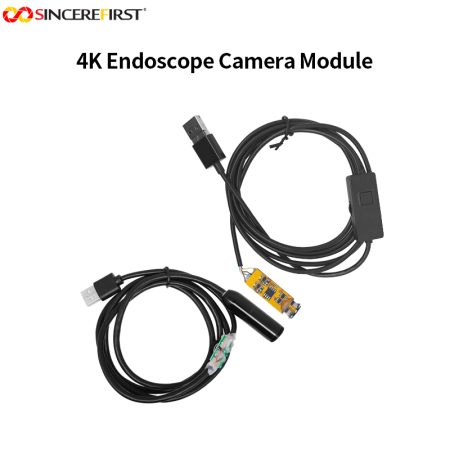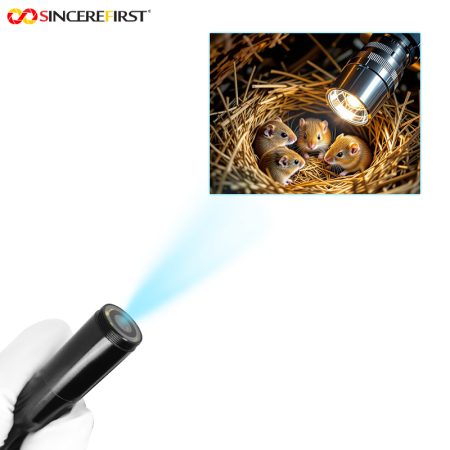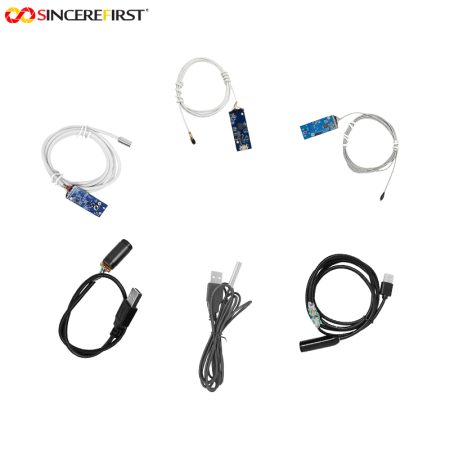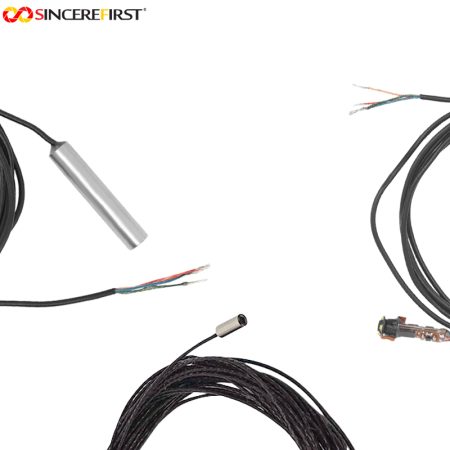


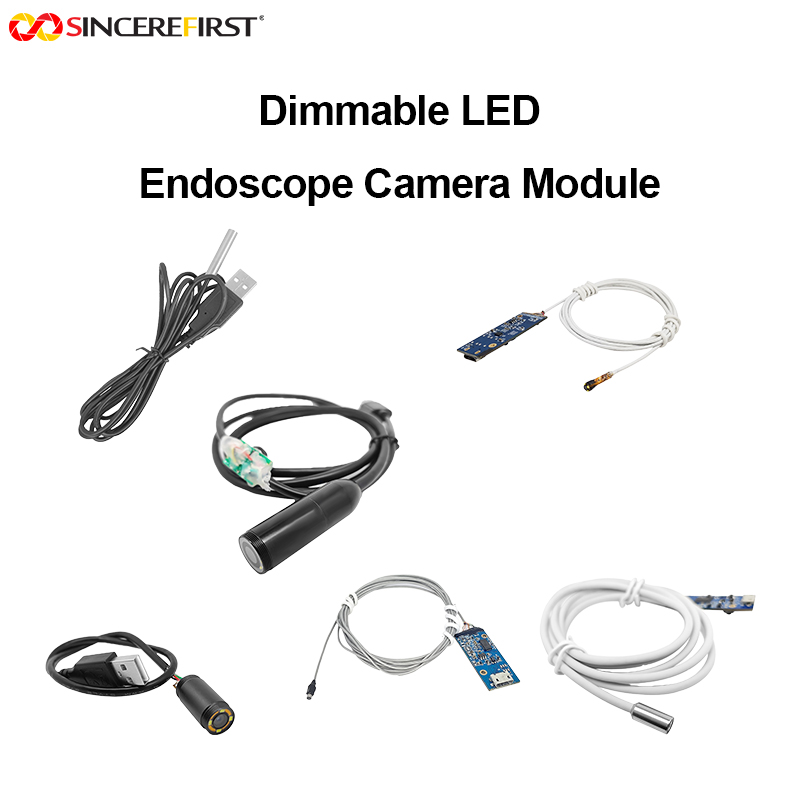
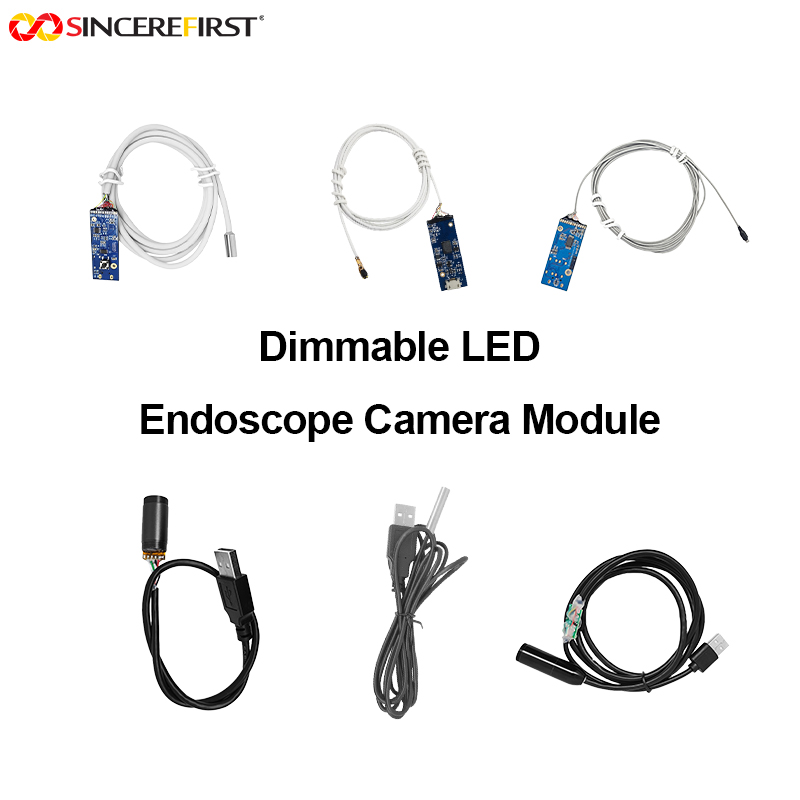
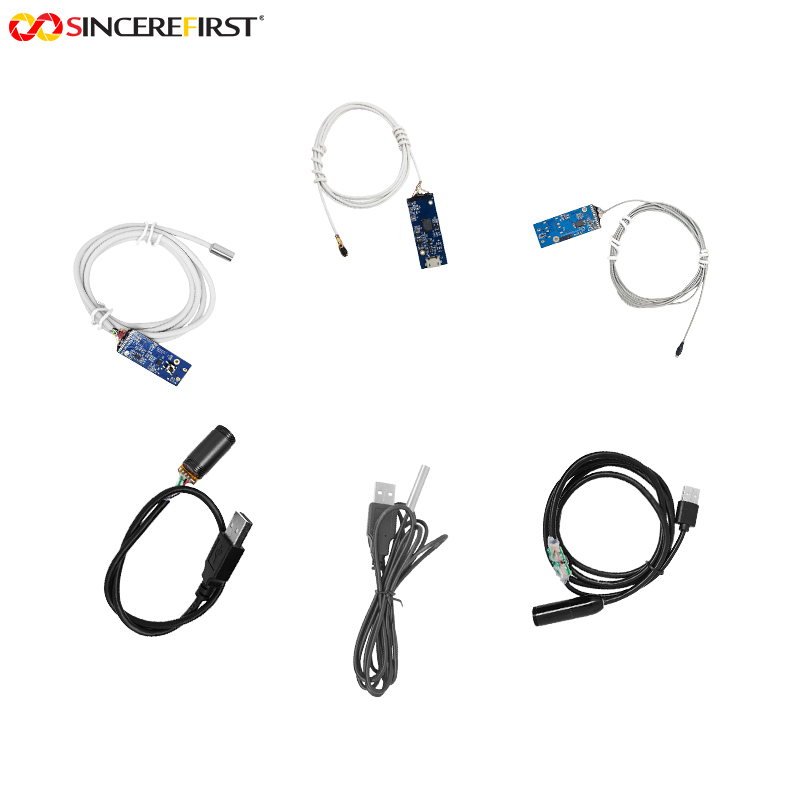
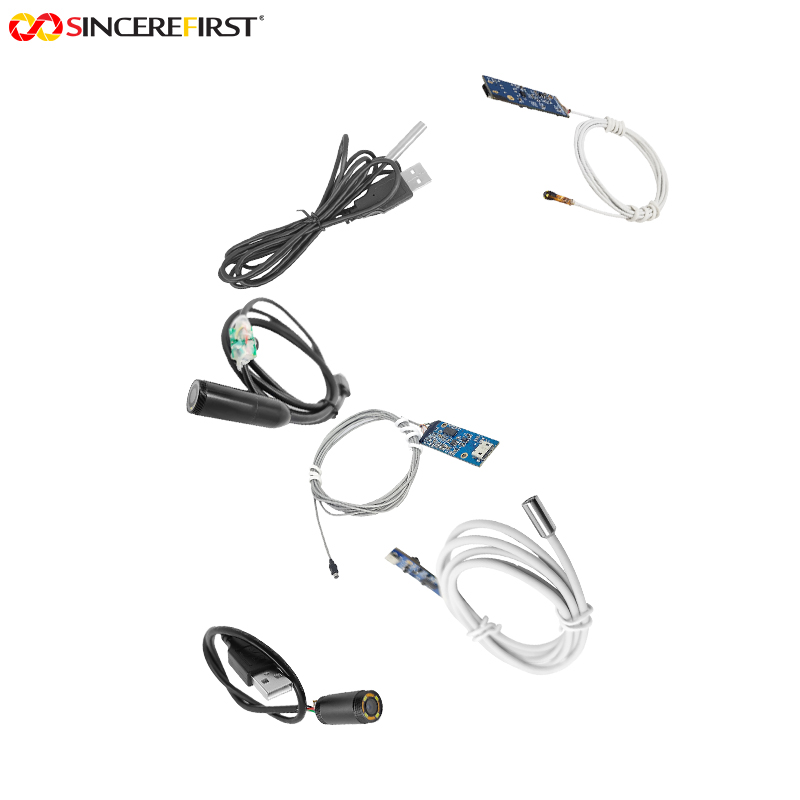
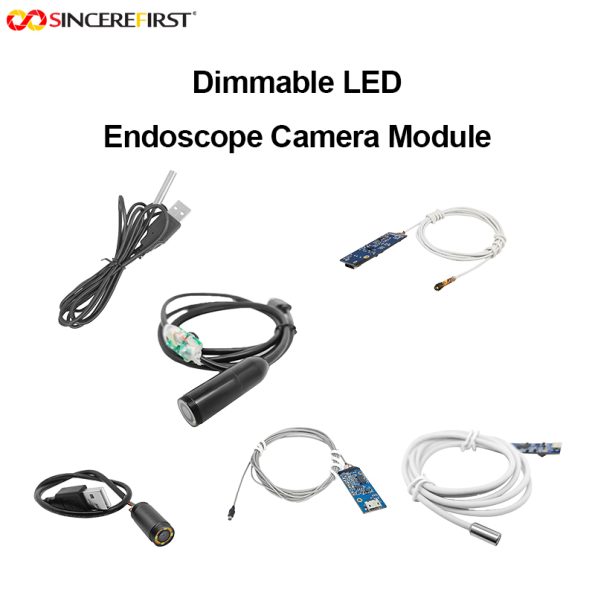
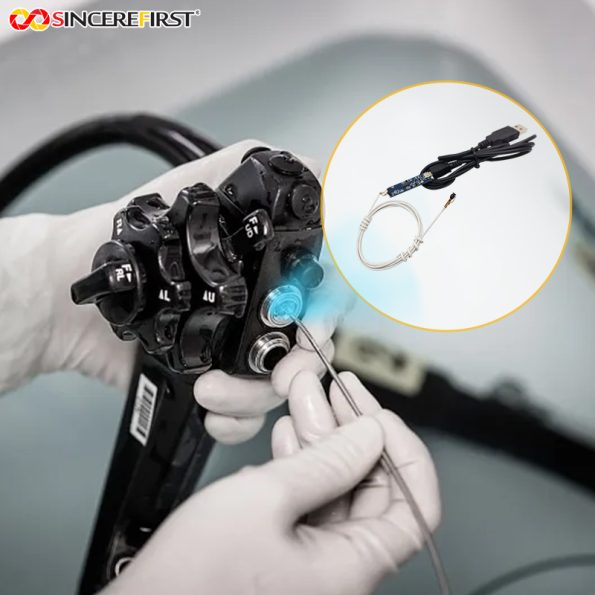
CMO Sensor Dimmable LED Endoscope Camera Modules with Adjustable Illumination for Inspection Devices
¥1.00

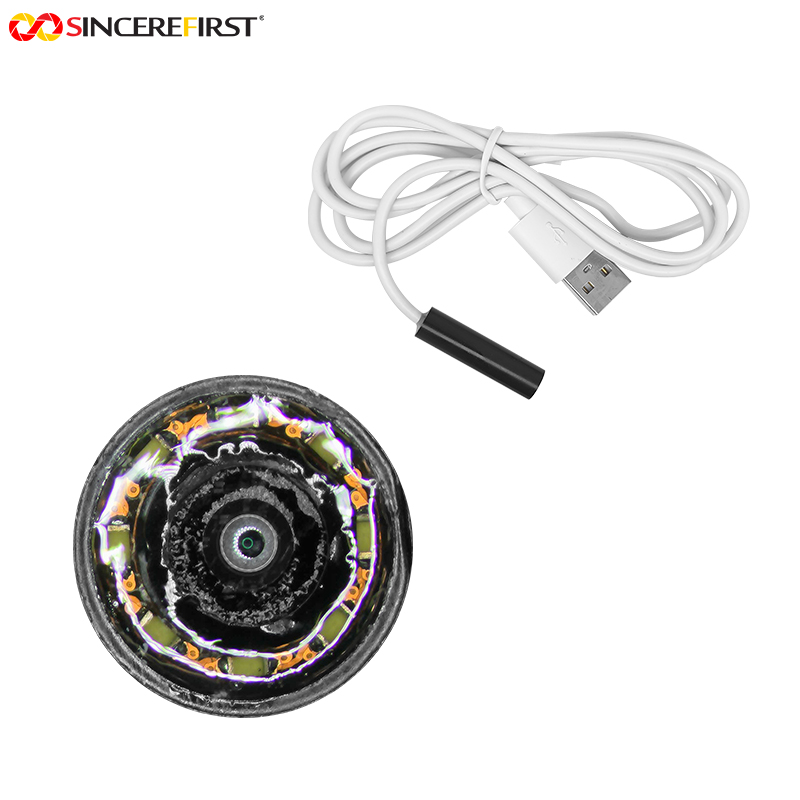
Explore USB endoscope camera modules with adjustable LED illumination, multiple diameter options, focus configurations and customizable integration choices for inspection device development.

—————————————————————————————–
Price is for reference only. Please contact us for the latest quotation.
+
  • CMO Sensor Dimmable LED Endoscope Camera Modules with Adjustable Illumination for Inspection Devices

    ¥1.00

    Request a Call Back

    • CMO Sensor Dimmable LED Endoscope Camera Modules with Adjustable Illumination for Inspection Devices

      ¥1.00

      Ask a Question

        ... people are viewing this right now

        Share

      Introduction

      Endoscope devices often operate in narrow spaces where lighting conditions, observation distance and inspection targets can vary. Fixed illumination may not always provide suitable visibility across different environments, making flexible lighting control an important consideration during camera module selection.

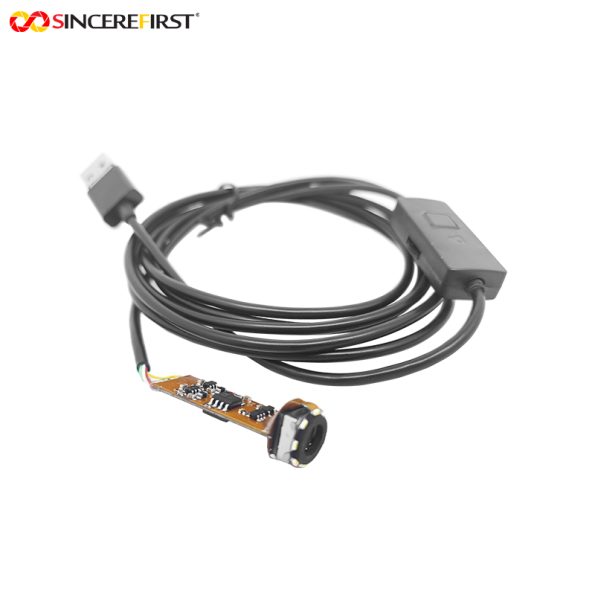
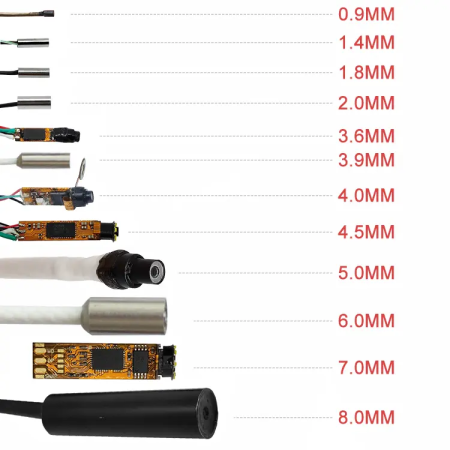
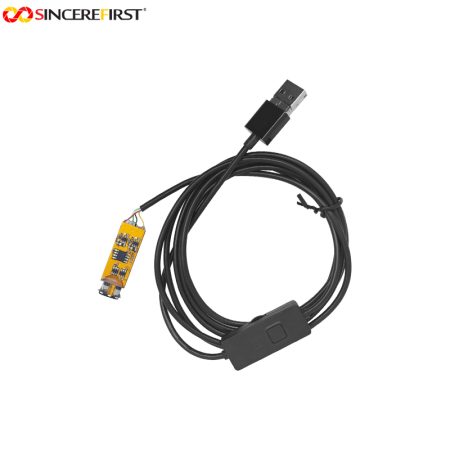
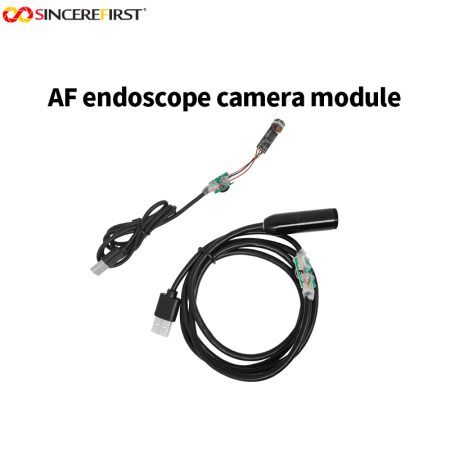
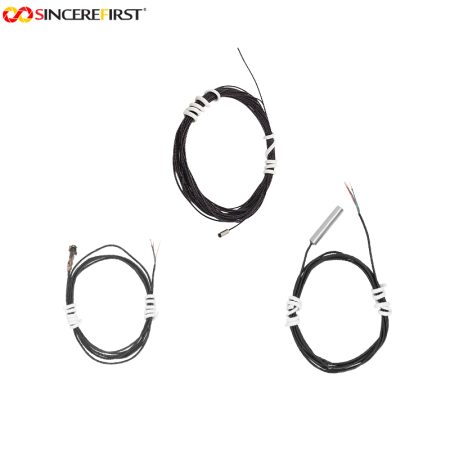
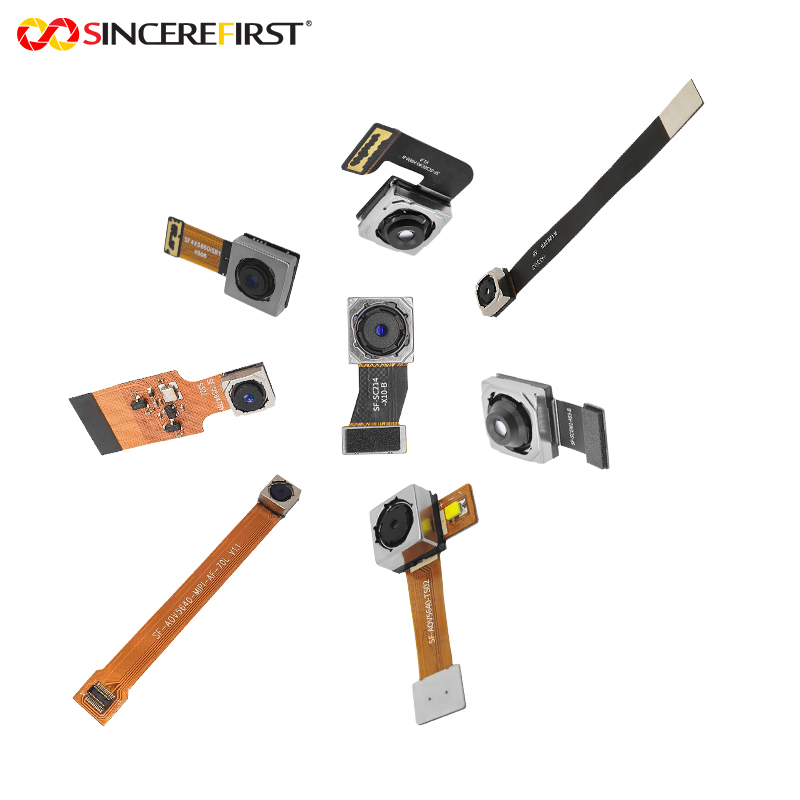
      The Dimmable LED Endoscope Camera Module Series provides camera module options with adjustable illumination capability, USB integration and different mechanical configurations. The series covers compact diameter designs, different imaging requirements and various structural options, helping equipment developers evaluate a suitable configuration according to their device requirements.

      From compact inspection tools to professional observation equipment, these camera modules are designed for applications where illumination control, mechanical integration and imaging performance need to be considered together.

      Applications in Real Devices

      Medical and Professional Inspection Devices

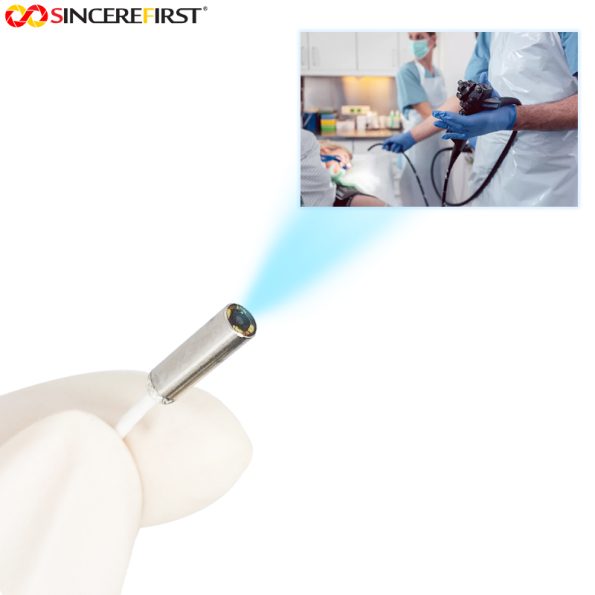
      Close-range observation equipment requires compact camera structures, stable illumination and suitable focus performance to capture clear images in limited spaces.

      Industrial Inspection Equipment

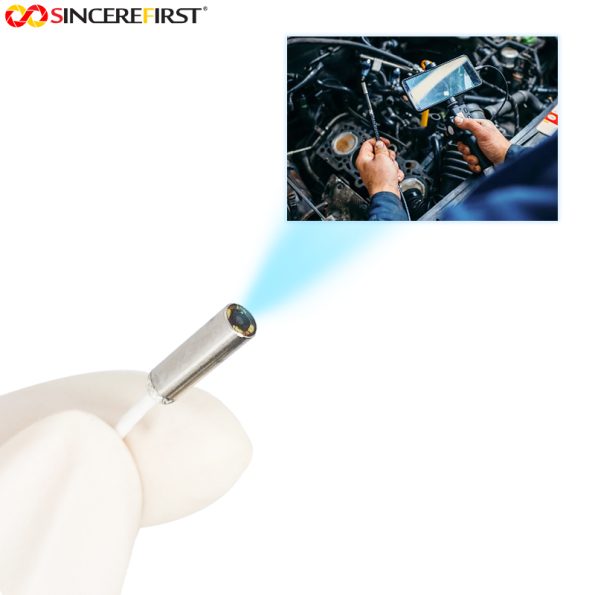
      Industrial inspection tools often operate inside machines, equipment or enclosed areas where lighting conditions can be difficult to control.

      Pipe and Internal Structure Inspection Tools

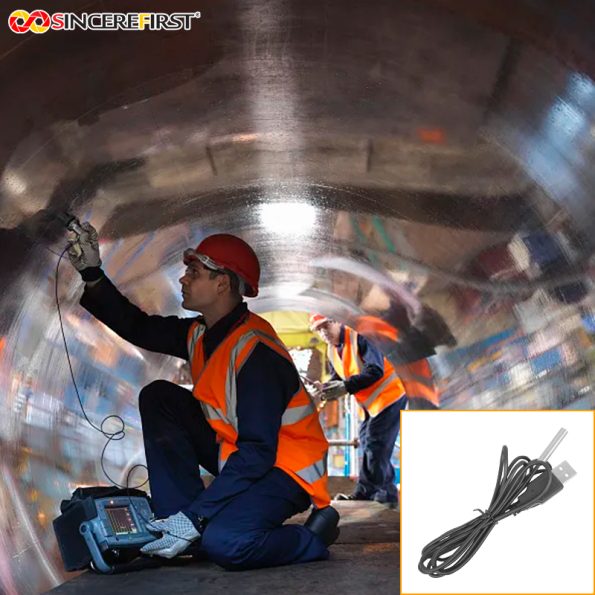
      Inspection devices used for pipes, channels and internal structures require compact camera modules that can access narrow areas while maintaining sufficient visibility.

      Dental and Oral Observation Equipment

      Dental and oral observation devices require compact imaging structures for close-range inspection.

      Portable Diagnostic and Maintenance Devices

      Portable inspection equipment often requires compact design, USB connectivity and flexible operation.

      Research and Laboratory Observation Equipment

      Laboratory and research equipment may involve different observation distances, target sizes and lighting environments.

      How to Choose the Integration Direction

      Choose Based on Installation Space

      For devices with limited internal space or narrow access requirements, camera diameter, lens structure and mechanical integration should be evaluated first.

      Compact diameter options can support equipment designs where installation space is a key limitation.

      Choose Based on Imaging Requirements

      Different inspection tasks require different levels of image detail.

      When evaluating a camera module, developers should consider:

      • Required image resolution
      • Observation distance
      • Focus requirement
      • Frame rate requirement

      Applications requiring general observation may prioritize compact integration, while detailed inspection tasks may require higher-resolution or autofocus configurations.

      Choose Based on Lighting Control Requirements

      Lighting requirements vary depending on the inspection environment and target surface.

      Different projects may require different illumination adjustment methods, including:

      • Button control
      • Software/App control
      • Optional dimming modules

      The suitable configuration depends on how the final device will be operated.

      Choose Based on Protection and Structure Requirements

      For applications exposed to dust, moisture or mechanical contact, protective structures should be considered during module selection.

      Steel shell structures and IP67 protection options can be evaluated according to the operating environment and device requirements.

      Featured Models

      ModelProduct DirectionReason to Consider
      SF-C1019USB-D3.1-PLUS3.1mm compact USB endoscope camera module with LED illuminationSuitable when limited installation space is the primary design requirement.
      SF-C1019USB-D3.9-PLUS3.9mm protected structure with integrated LEDs and IP67 protection optionA balanced choice for compact inspection devices requiring additional environmental protection.
      SF-C1019USB-1000P-D3.9-PLUS1000P high-frame-rate USB inspection moduleConsider when smoother image output is required for moving inspection targets.
      SF-SAC1019USB-D3.9-TypeC-EQ-105DType-C connected module with configurable optionsSuitable for projects requiring flexible connection methods and additional configuration possibilities.
      SF-C2016USB-1080P60-D6.0-3KEY1080P high-frame-rate USB module with APP dimming controlDesigned for applications requiring smoother imaging and software-based illumination adjustment.
      SF-SP12-D14.5High-resolution autofocus endoscope camera module with integrated LED illumination and protective structureSuitable when detailed observation, autofocus capability and enhanced mechanical protection are required.
      SF-SP11D-520D12.5Autofocus module for detailed close-range observationA practical option for inspection applications requiring autofocus performance and integrated illumination.

      SincereFirst Customization

      Sensor and Image Configuration

      Sensor selection, resolution, frame rate, output format and image requirements can be evaluated according to the visual task and host processing capability.

      Lens, FOV and Focus

      Fixed Focus, Autofocus, viewing angle, distortion, working distance and optical structure can be evaluated according to the application requirements.

      Interface and Mechanical Integration

      USB, Type-C, cable structure, connector, module size, housing design and installation requirements can be discussed according to the final device design.

      Illumination Configuration

      LED quantity, lighting structure and brightness control methods can be evaluated based on the inspection environment and device operation requirements.

      FAQ

      Q1. How do I select a suitable endoscope camera module for my device?

      Selection usually depends on installation space, image requirements, focus distance, lighting environment, interface requirements and mechanical integration conditions.

      The suitable configuration should be evaluated based on the actual device application rather than a single specification.

      Q2. Can one camera module fit different inspection environments?

      Different inspection environments may require different combinations of diameter, lens configuration, illumination and protection structure.

      The appropriate module should be selected according to the device structure and inspection conditions.

      Q3. What factors should be considered when integrating LED illumination?

      Brightness control method, working distance, target surface characteristics and enclosure structure should be considered together.

      Different environments may require different illumination configurations to achieve suitable observation results.

      Q4. Can the camera module be customized for OEM equipment?

      Yes.

      Customization can be evaluated for sensor configuration, optical structure, interface, cable, mechanical design and illumination requirements according to the project conditions.

      Q5. What is the difference between Fixed Focus and Autofocus configurations?

      Fixed Focus configurations are suitable for applications where the observation distance remains relatively stable.

      Autofocus configurations provide more flexibility when the distance between the camera and target changes during operation.

      Q6. Can waterproof structures be provided?

      Selected configurations support protective structures such as steel shell designs and IP67 protection options according to application requirements.

      Evaluate Your Camera Module Requirements with SincereFirst

      Every inspection device has different requirements for installation space, imaging performance, illumination and mechanical integration.

      Share your application conditions, including:

      • Device type
      • Installation space
      • Imaging target
      • Interface preference
      • Operating environment

      SincereFirst can help evaluate a suitable camera module configuration for your project.

      Send Inquiry

        Close
        Close My Cart
        Close Recently Viewed
        Close
        Close
        Categories