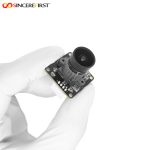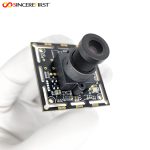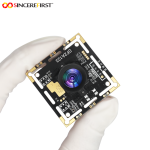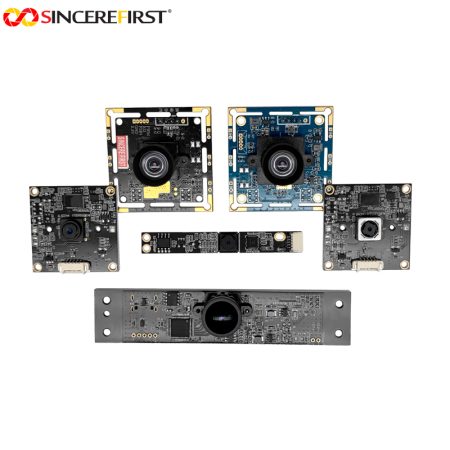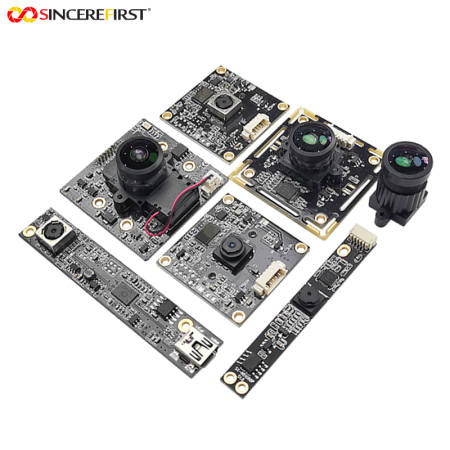

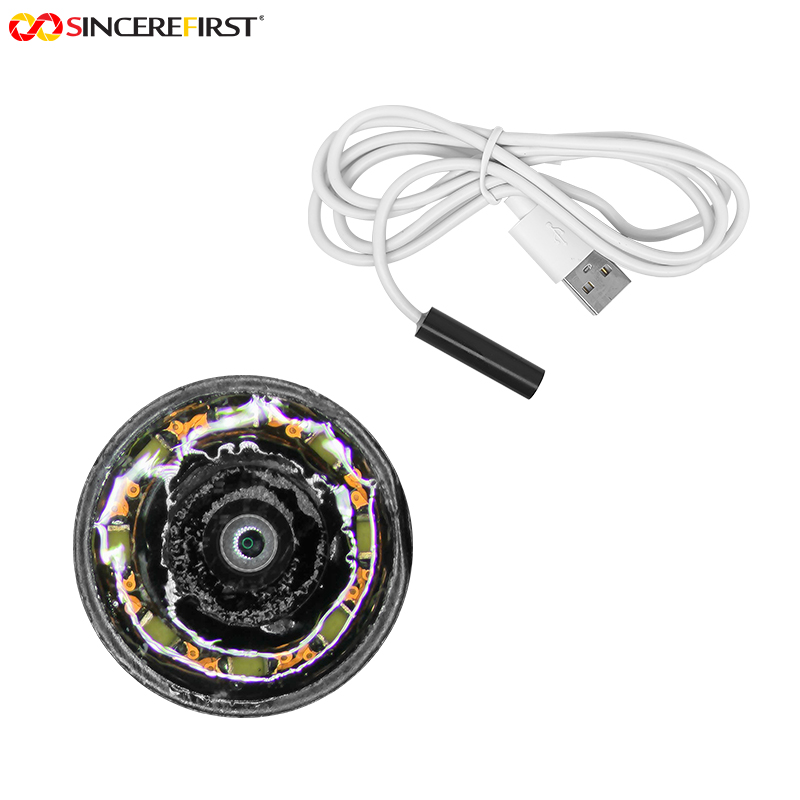





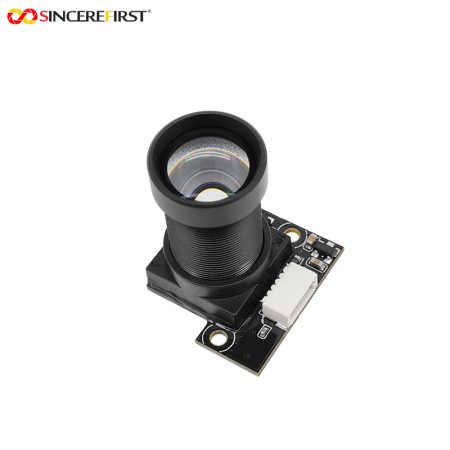
OV7251 VGA 120fps Monochrome USB Camera Module for Interactive Projection Systems

$1.00

Follow movement across a projected surface with 120fps monochrome capture. Match a wide-angle OV7251 USB camera to your interaction area.

—————————————————————————————–
Price is for reference only. Please contact us for the latest quotation.

+ −
  • OV7251 VGA 120fps Monochrome USB Camera Module for Interactive Projection Systems
    $1.00

    Request a Call Back

    • OV7251 VGA 120fps Monochrome USB Camera Module for Interactive Projection Systems
      $1.00

      Ask a Question

        ... people are viewing this right now

        Share
      Cmos UVC USB Camera Module Industrial Camera Module
      Introduction

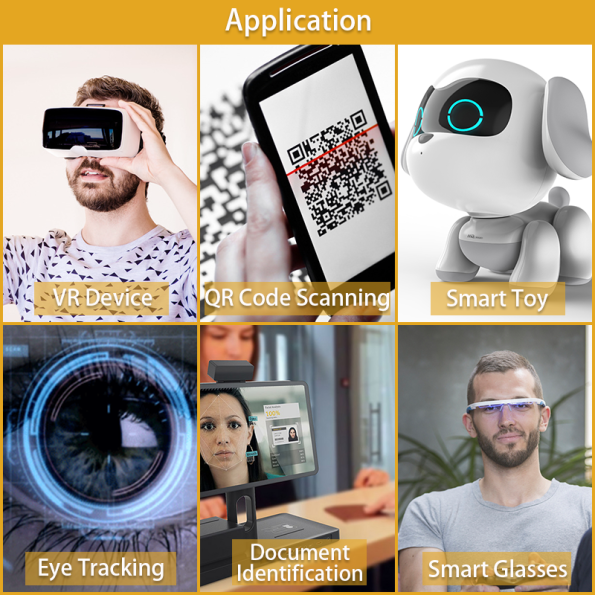
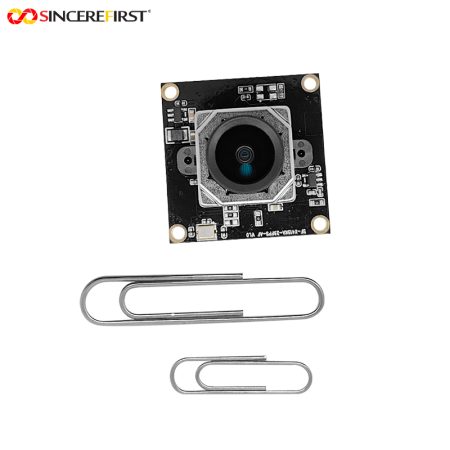
      This OV7251 monochrome USB camera combines a global shutter with 640×480 capture at 120fps for imaging moving targets. It supplies rapid image sequences for devices that follow position, outlines or gestures, including interactive whiteboards and robot vision systems.

      Applications in Real Devices

      Interactive Whiteboards and Projection-Based Teaching Systems

      An interactive whiteboard must follow a hand or pointer as it moves across the projected surface. Skewed target shapes and large gaps between images make that task harder. Global shutter capture preserves the target’s shape, while a frequent image sequence helps the host follow its changing position across the board.

      Moving-Part Position and Presence Inspection Stations

      A production station checking whether a part has reached the correct position needs a usable outline while that part moves. Global shutter monochrome imaging is relevant when the decision depends on shape, presence or alignment. The lens should concentrate the view on the part; fine surface-defect inspection calls for a different level of detail.

      Visual Motion Sensing in Cleaning Robots

      A moving cleaning robot observes floor features and nearby objects from a changing viewpoint. Global shutter imaging helps preserve those features as the camera moves, providing images for the robot’s visual motion processing. This direction suits grayscale feature tracking where the target remains visible at VGA resolution.

      Eye-Tracking and Gaze-Interaction Devices

      Embedded Vision System Architecture Guide

      An eye-tracking device needs successive views of pupil movement without rolling-shutter deformation. The sensor’s fast monochrome capture is relevant to that task, but the eye must occupy enough of the image. This application needs project optics and a suitable focus setting rather than the standard broad scene view. 

      Touchless Gesture-Control Terminals

      A touchless display or control terminal must follow hand movement within a defined interaction zone. Frequent grayscale images support host-side gesture analysis, while global shutter helps retain hand contours during motion. The camera view should cover that zone while keeping hands large enough for the intended processing.

      Project Evaluation Guide

      • Check the information the decision requires.
        Consider this camera when position, outlines and brightness contrast are sufficient at VGA resolution. If the device must distinguish colors, read small text or examine fine surface defects across a broad area, move to a color or higher-resolution model.

      • Check what happens while the target is in view.
        Global shutter and fast capture are useful when target or camera movement makes image geometry and successive positions important. For a stationary target whose smallest detail is the priority, allocate the camera choice toward resolution and optics instead.

      • Check the installed viewing geometry.
        The standard lens covers H108° × V78.5°, with a stated focus range beginning at 20cm. Choose it for broad-area capture from a suitable position. For an eye close-up, a narrow inspection area or geometry-sensitive measurement, discuss a different lens and focus configuration before selecting the sample.

      How This Module Supports Device Requirements

      Preserve the Shape of a Moving Target

      Global shutter avoids the line-by-line timing difference that can skew a moving hand, part or scene feature. The host receives a more faithful outline for position and shape analysis, rather than having to work around rolling-shutter deformation.

      Follow More Stages of an Action

      120fps capture provides a denser sequence of positions during a quick gesture or product pass. It gives the host more observations between the beginning and end of the movement, supporting analysis of how the target moves through the scene. 

      Build Around Brightness and Outline Information

      Monochrome imaging serves tasks based on target edges, markers and light-dark differences. It is a relevant choice when color adds little to the decision, allowing the camera selection to focus on the contrast and target shape the device actually uses.

      Choosing This Model Within the High Frame Rate USB Camera Module Series

      The useful distinction is the image information your device needs, alongside capture speed:

      Model

      Selection Reason

      SF-C0317USB-BW-3838 V1.1

      Choose VGA monochrome global shutter capture when rapid position and outline imaging is sufficient.

      SF1.3A142-GS-USB

      Choose 1.3MP color global shutter at 190fps when the task needs color, more detail and a faster image sequence.

      SF2A123

      Choose 1600×1300 color global shutter at 60fps when product detail matters more than the higher capture rate.

      SF2A543

      Choose 1080P100 global shutter over USB 2.0 when the task needs a full-HD image, with color or monochrome configurations.

      Key Specifications

      Specification

      Details

      Model

      SF-C0317USB-BW-3838 V1.1

      Product Name

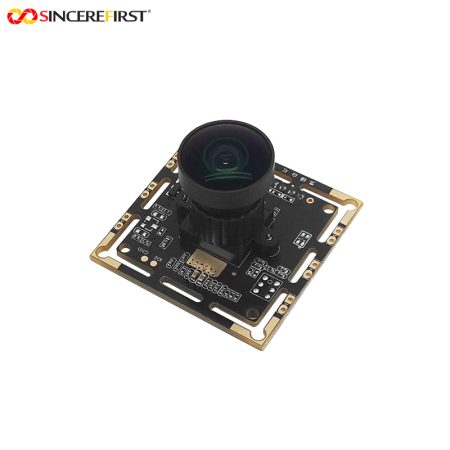
      OV7251 VGA 120fps Global Shutter USB Camera Module

      Sensor

      OmniVision OV7251 low-power monochrome CMOS

      Resolution

      0.3MP / VGA

      Video Output

      640×480 at 120fps

      Sensor Size

      1/7.5 inch

      Pixel Size

      3.0×3.0μm

      Shutter

      Global Shutter

      Output Format

      MJPEG / YUV

      Focus

      Fixed Focus

      Focus Range

      20cm–Infinity

      FOV

      D141° / H108° / V78.5°

      F.NO

      2.2

      EFL

      1.08mm

      TV Distortion

      < −15%

      Module Size

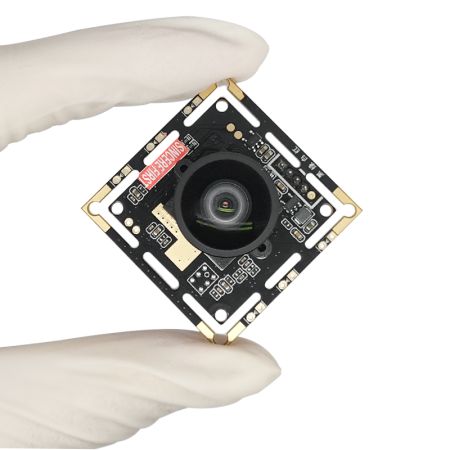
      38×38mm

      Interface

      USB 2.0

      SincereFirst Customization

      Optics and Filters for the Target

      Starting from the standard D141° wide-angle lens, SincereFirst can evaluate focal length, FOV, focus, distortion requirements and IR-cut or IR-pass filters. The project may need broad board coverage, a concentrated part view or close-up eye imaging; each calls for a different optical choice.

      Board, Connector and Cable Adaptation

      The standard 38×38mm board is the starting assembly. Board dimensions, screw-hole positions, connector arrangement and cable length can be evaluated where the camera must fit a display border, robot body or inspection head.

      Electrical and Illumination Integration

      For devices with a defined power budget or controlled illumination, SincereFirst can assess USB protocol requirements, power requirements and lighting-control integration. The scope follows the project’s electronics and the camera hardware rather than assuming lighting control is included as standard.

      Firmware Tuning and Host Compatibility

      Image tuning, project-specific resolution or frame-rate configurations, and driver or host compatibility requirements can be evaluated within the sensor and USB 2.0 hardware limits. This is useful when the target is visible but the standard image settings or host integration need adjustment.

      Final configuration should be validated with the actual host platform, enclosure, optics, software, and lighting environment before sampling.

      FAQ

      Does global shutter remove the need for extra light during fast motion?

      Global shutter prevents rolling-shutter skew; it does not remove motion blur from an exposure that is too long. Existing light may be sufficient, but the scene must allow an exposure short enough for the target’s movement. Choose illumination around that requirement.

      Can we keep the infrared illumination already used in our interaction device?

      It may be reusable with a matching optical configuration. Its wavelength must suit the selected lens and filter, and it must provide enough light at the target. A monochrome camera is not automatically an IR-pass configuration; SincereFirst can evaluate the optics around your existing light source.

      Select the Camera Around the Movement You Need to Follow

      Share a scene image, the target you need to track and the available camera position. SincereFirst can help choose a standard or project optical configuration for sampling, then assess the mounting and host integration the device needs.

      Send Inquiry

        Close
        Close My Cart
        Close Recently Viewed
        Close
        Close
        Categories