

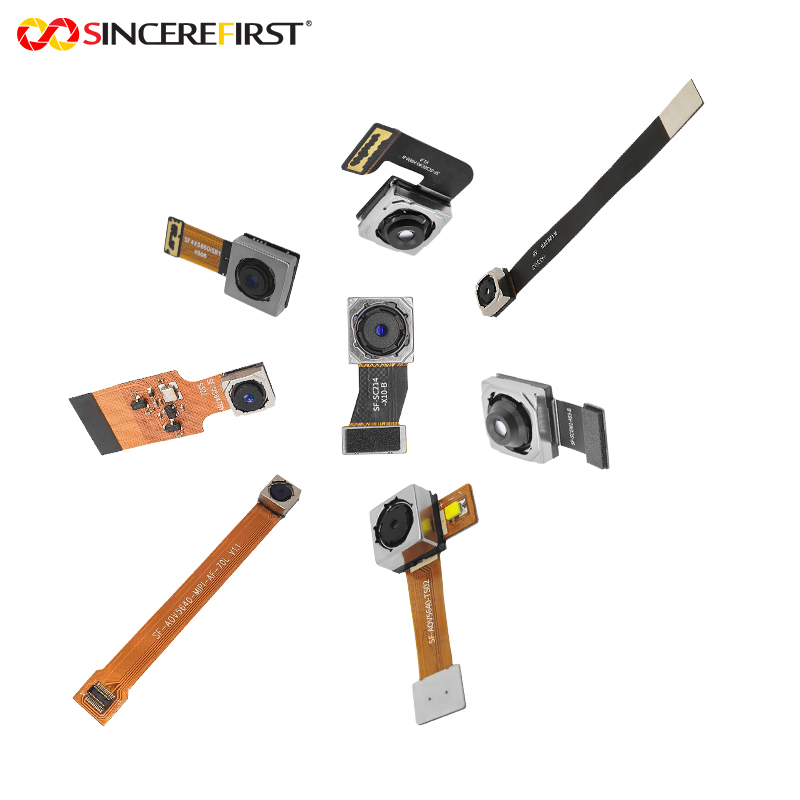
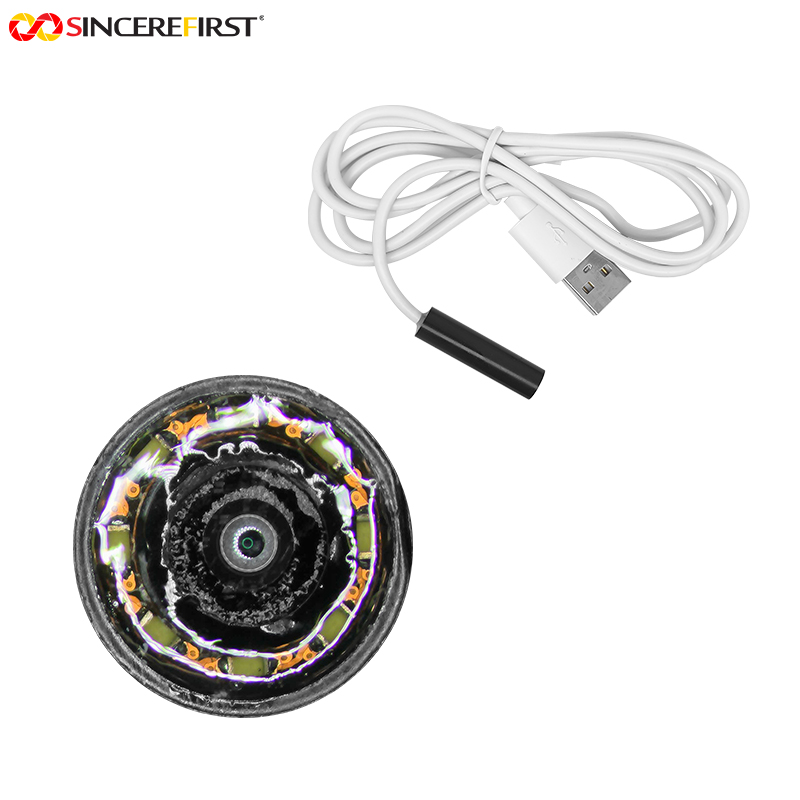

This week, our team used the Looki L1 AI wearable recorder as a starting point to explore how embedded vision is changing.
The product represents more than a small wearable camera. It shows how imaging, local data, motion information and AI processing can work together to turn daily experiences into organized and searchable context.
Here are five practical observations from this week.

1. The Camera Is Becoming an AI Input Device
In an AI wearable, images are not always the final output.
They may become source material for event detection, visual summaries, memory search and contextual understanding.
2. Resolution Is Only One Part of Image Usefulness
A high-resolution image may preserve more detail, but the system must also consider field of view, motion, lighting, storage, bandwidth and processing power.
The useful image is the one that supports the complete product task.
3. Wearable Devices Need Real-Position Testing
A Camera Module should be evaluated in the actual wearing position.
Mounting height, angle, clothing, movement and enclosure design can all change what the camera captures.
4. Wide Field of View Creates Trade-Offs
A wider view can reduce framing dependence and capture more context.
However, it may also reduce subject detail, increase edge distortion and require additional correction or stabilization cropping.
5. Privacy Must Be Designed at System Level
Local storage and local processing can support privacy-focused design, but privacy does not depend on one component.
Capture behavior, storage, encryption, retention and user control must be considered together.
This Week’s Main Conclusion
The development of AI wearables shows why Camera Module selection should begin with the terminal product rather than with an isolated specification.
The right imaging system is the one that fits the visual task, physical structure, power strategy and AI workflow of the final device.