

A medical imaging module that looks acceptable on paper can still derail a device program once integration starts. The sensor may perform well in a lab, but fail under thermal load, miss interface timing on your processor, or introduce image inconsistencies that slow verification. That is why learning how to source medical imaging modules is less about finding a part with a good datasheet and more about qualifying a supply partner that can support performance, traceability, and scale.
What matters first when sourcing medical imaging modules
For most OEM teams, the real question is not simply resolution. It is whether the module fits the clinical or diagnostic task, the mechanical envelope, the host platform, and the production plan at the same time. A module for a portable screening device has very different priorities than one used in an endoscope, skin imaging unit, dental device, or compact diagnostic terminal.
Start with the application, because that determines almost every downstream decision. If your device needs fine detail in a short working distance, sensor size, lens design, distortion control, and illumination coordination will matter more than headline megapixels. If the system is moving image data in real time, interface choice and signal integrity become central. If the device operates in a regulated setting, consistency between prototype and mass production matters just as much as image quality.
This is where many sourcing projects go off track. Buyers compare modules too early by price, while engineers are still defining optical, electrical, and mechanical constraints. The result is a lower quoted module that later requires redesign, shielding changes, lens swaps, firmware updates, or enclosure modifications.
How to source medical imaging modules without creating integration risk
A disciplined sourcing process starts with a technical requirements package. It does not need to be perfect, but it should be specific enough that a manufacturer can evaluate feasibility instead of guessing. That package typically includes target resolution, frame rate, field of view, working distance, output interface, module dimensions, power limits, lighting conditions, and the host processor or control board.
You should also define environmental and reliability expectations early. Medical-adjacent hardware often faces stricter demands for temperature performance, long operating hours, cleaning exposure, cable flex, or compact assembly tolerances. If those conditions come up after sample approval, the approved module may no longer be the right module.
The next step is supplier screening. In this category, you are not only buying a component. You are buying engineering response time, process control, and manufacturing repeatability. A capable supplier should be able to discuss sensor options, lens matching, ISP tuning, interface compatibility, EMI considerations, connector selection, and production test methods in practical terms. If the conversation stays at catalog level, that is a warning sign.
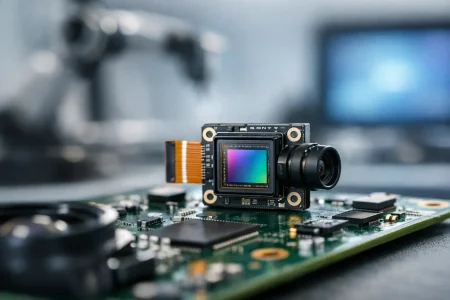
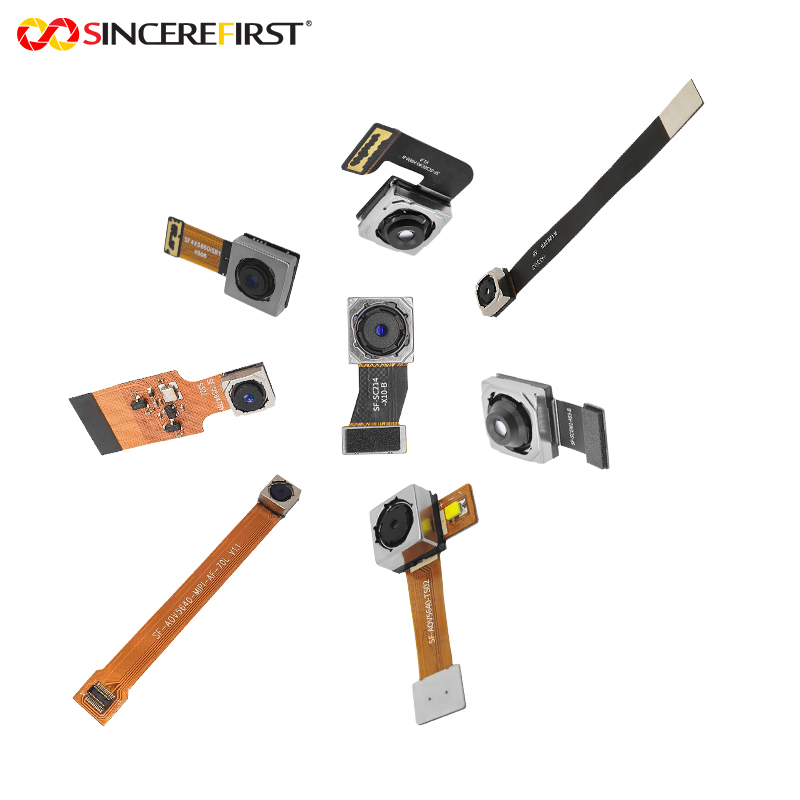
A good sourcing discussion should move quickly from generic capability to your exact device constraints. Can the supplier adapt an existing MIPI or USB camera architecture? Can they modify FPC length, connector type, board shape, shielding, or lens stack height? Can they support custom tuning for color, exposure, low light, or specific tissue and surface imaging conditions? Those answers tell you far more than a broad product list.
Key specifications to verify before sample approval
Image quality is the first gate, but it should be evaluated in the same conditions the final device will face. Bench tests in ideal lighting rarely expose the problems that appear inside a compact housing. Evaluate sharpness, noise, color consistency, latency, flare behavior, and edge performance in your actual optical path and illumination setup.
Interface compatibility deserves equal attention. Medical imaging modules are commonly sourced with MIPI, USB, DVP, or customized output paths depending on the host architecture. Each option has trade-offs. MIPI is attractive for embedded devices with tight size and power requirements, but integration can be more demanding. USB can reduce development complexity and speed up validation, but it may not fit every compact or power-sensitive design. The right answer depends on the product architecture, not on what is easiest to quote.
Mechanical fit is another area where sourcing errors become expensive. A module may meet image targets but still fail because of stack-up height, connector orientation, cable bend radius, heat concentration, or tolerance mismatch with the enclosure. Ask for detailed drawings early and review them with both mechanical and electronics teams before locking samples.
Then there is supply continuity. Sensor lifecycle, lens availability, connector sourcing, and PCB material stability all affect long-term procurement. If your product roadmap extends over several years, make sure the supplier can discuss alternate sensor paths, controlled change processes, and how they manage component transitions. Short-term sample success is not enough.
Supplier qualification is more than a factory checklist
When evaluating how to source medical imaging modules, many teams focus on whether a supplier can manufacture. The better question is whether the supplier can manufacture consistently at the volume and quality level your program needs.
Ask how samples move into pilot production and then into mass production. A reliable manufacturer should be able to explain cleanroom handling, assembly controls, optical inspection, electrical testing, and final image verification. They should also be able to tell you what is standardized and what is customized for your program.
Lead time matters, but lead time without process discipline creates bigger problems later. Fast prototype turnaround is valuable only if the sample reflects a production-capable design. If a supplier hand-builds an impressive sample that cannot be repeated at scale, your project loses time instead of gaining it.
It is also worth assessing how the supplier handles engineering changes. Medical and medical-adjacent devices often evolve through several rounds of enclosure, firmware, and optics updates. You need a partner that can keep revision control clear across drawings, BOMs, tuning files, and validation samples. Poor change management is one of the most common causes of late-stage confusion.
Customization vs standard modules
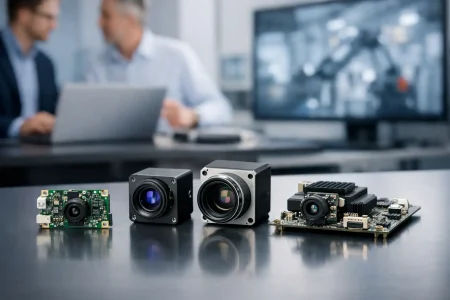
Standard modules can shorten development when your application falls close to common requirements. They are especially useful for feasibility work, proof-of-concept builds, and early firmware integration. If the optical path, interface, and mechanical footprint are already aligned, a standard design can save substantial time.
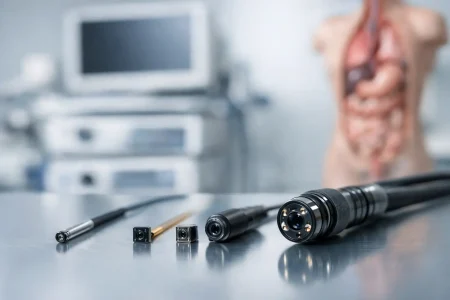
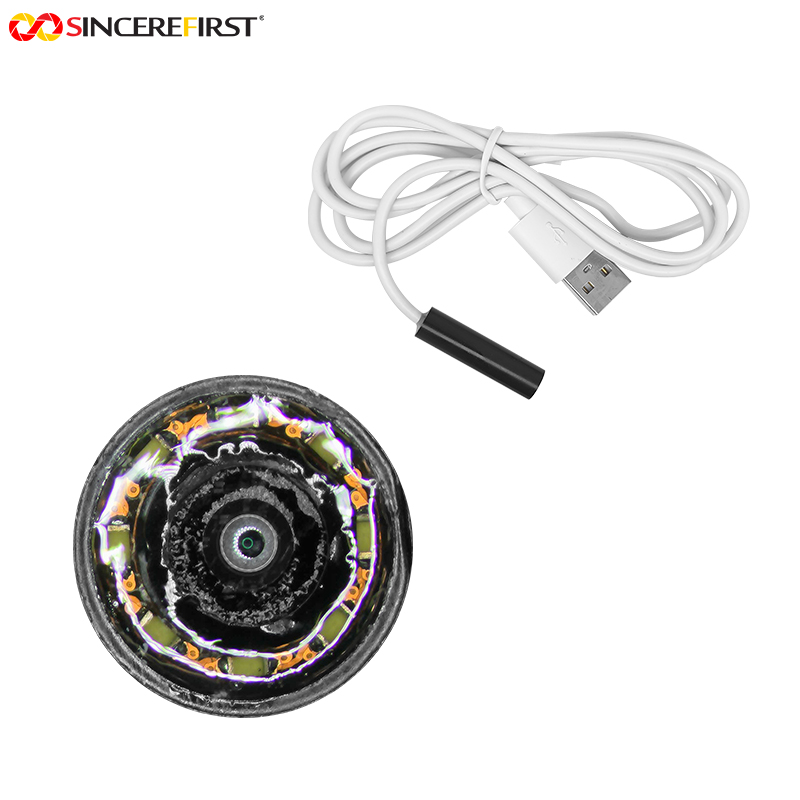
But many medical device programs eventually need some level of customization. That may be as small as changing the connector, cable length, lens field of view, or board dimensions. In other cases, customization extends to sensor selection, low-distortion optics, integrated illumination, waterproofing, miniature endoscope formats, or image tuning around a specific viewing environment.
The trade-off is straightforward. Standard modules reduce early cost and speed evaluation. Custom modules improve fit, performance, and product differentiation, but require tighter technical coordination. The right sourcing strategy often uses both – standard modules for early validation, followed by a controlled custom path once the device architecture is stable.
Questions procurement and engineering should ask together
The strongest sourcing decisions happen when procurement, hardware engineering, and product teams align early. Procurement may focus on price stability, lead time, and supplier reliability. Engineering may focus on image performance, driver support, and integration complexity. Both views are necessary.
A practical supplier review should cover sample lead time, minimum order expectations, production capacity, test coverage, customization limits, and documentation support. It should also cover the less visible issues: who supports bring-up, how failures are analyzed, what parameters are controlled in production, and how image consistency is maintained lot to lot.
For North American device teams, response speed can be a deciding factor. Time zone friction, slow sample revisions, or unclear technical ownership can stretch development cycles fast. A manufacturer with strong export experience and a clear engineering handoff process can reduce that friction significantly, especially when your launch schedule depends on multiple hardware vendors moving in step.
Red flags that should slow down a sourcing decision
If a supplier quotes quickly but cannot map the module to your processor, enclosure, and use case, you are looking at sales coverage rather than engineering support. If they avoid discussing test methods, production controls, or component lifecycle, qualification risk is still on your side.
Be cautious when sample results vary without explanation. Medical imaging applications demand consistency, not one good sample. The same applies to suppliers that offer broad customization claims but cannot provide drawing discipline, revision tracking, or realistic development timelines.
A strong partner should be confident about what can be done now, what needs development work, and what trade-offs will affect cost, timing, or performance. That kind of directness is usually a better sign than a perfect promise.
A better way to approach sourcing
The most effective teams treat sourcing as an engineering and manufacturing decision from the start. They define the imaging task clearly, validate modules in real operating conditions, and qualify suppliers on their ability to support the full path from prototype to volume production. That approach reduces redesigns, protects launch timing, and improves long-term supply stability.
For buyers working through specialized camera integration, especially in compact medical and endoscopic formats, a manufacturer with deep module design experience, fast customization capability, and production discipline can shorten the path from concept to qualified supply. Sourcing goes better when the supplier is not just selling a camera board, but helping you build a device that has to perform every time.
The smartest next step is not asking who has the cheapest module. It is asking who can still support your program when the first prototype becomes a real product.