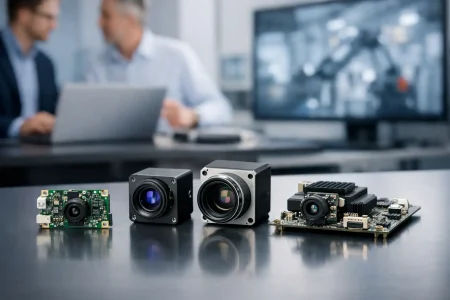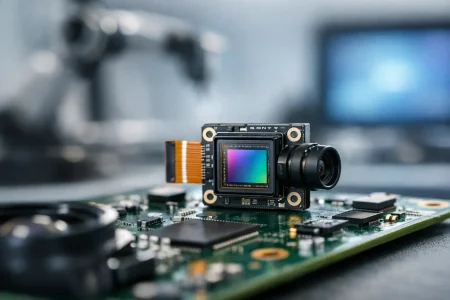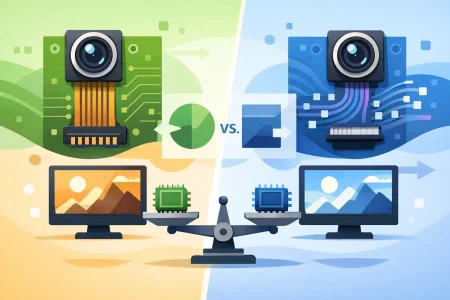

A camera module that looks right on paper can still fail in the field for one simple reason: the sensor was chosen for a spec sheet, not for the actual imaging task. Sensor selection for camera modules is where performance, integration risk, and production cost start to separate. For OEMs, system integrators, and engineering teams, that choice affects everything from low-light stability and motion clarity to processing load, thermal behavior, and long-term supply.
A useful selection process starts by asking what the image needs to do, not what headline resolution seems attractive. A security node, an AMR, a medical device, and a barcode reader may all use compact camera modules, but they do not need the same sensor behavior. The right sensor is the one that supports the end application with enough margin for real-world conditions.
What sensor selection for camera modules actually depends on
Most buying teams begin with resolution. That makes sense, but it is rarely the main factor behind usable image quality. A 13MP sensor in poor lighting or a fast-motion environment can perform worse than a 2MP or 5MP sensor that has larger pixels, better sensitivity, and the correct shutter architecture.
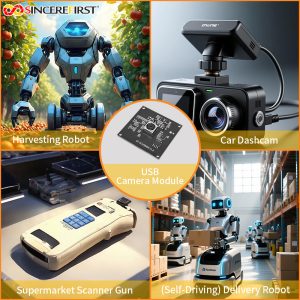
The first decision point is the imaging target itself. If the module is inspecting fine defects on a production line, pixel density matters because small features must be resolved. If the module is part of a delivery robot navigating a warehouse, dynamic range, motion handling, and latency may matter more than raw pixel count. If the camera is designed into a handheld medical or endoscope device, size constraints, color accuracy, power draw, and thermal control may dominate the selection.
This is why experienced engineering teams treat the sensor as part of a complete imaging chain. Lens match, ISP tuning, interface bandwidth, illumination, enclosure limits, and host processor capability all shape what the sensor can deliver in practice.
Start with the application, not the megapixels
A good selection workflow usually begins with four practical questions. What must the camera detect or measure? At what distance? Under what lighting? At what speed?
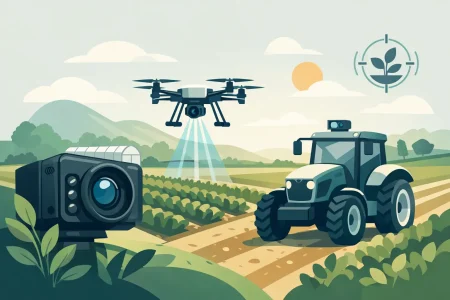
These questions immediately narrow the field. For example, a module used for face authentication on a smart terminal needs predictable color and exposure under mixed indoor light. A camera on industrial equipment may face vibration, glare, and constant operation. A smart agriculture device may need decent sensitivity at dawn and dusk with limited onboard processing. The same sensor will not be optimal across all three cases.
Resolution still matters, but only in relation to field of view and required detail. If an application needs to identify a 1 mm defect across a wide target area, higher resolution is justified. If it only needs to detect object presence or track movement, a lower-resolution sensor may reduce cost and improve frame rate while keeping the system simpler.
Higher resolution also adds downstream demands. It increases data throughput, memory use, processing requirements, and sometimes power consumption. In embedded systems, those trade-offs can be more expensive than the sensor itself.
Pixel size and sensitivity
Pixel size remains one of the most practical indicators of low-light behavior. Larger pixels collect more light, which can improve signal-to-noise ratio and reduce the need for aggressive gain. That matters in warehouses, street environments, medical systems, and compact products where lighting is limited.
There is no universal rule that larger pixels are always better. If the application needs high spatial detail in strong, controlled light, smaller pixels in a higher-resolution format may be the right answer. But when customers report noisy images, unstable exposure, or disappointing night performance, pixel size is often part of the root cause.
Sensor format and module size
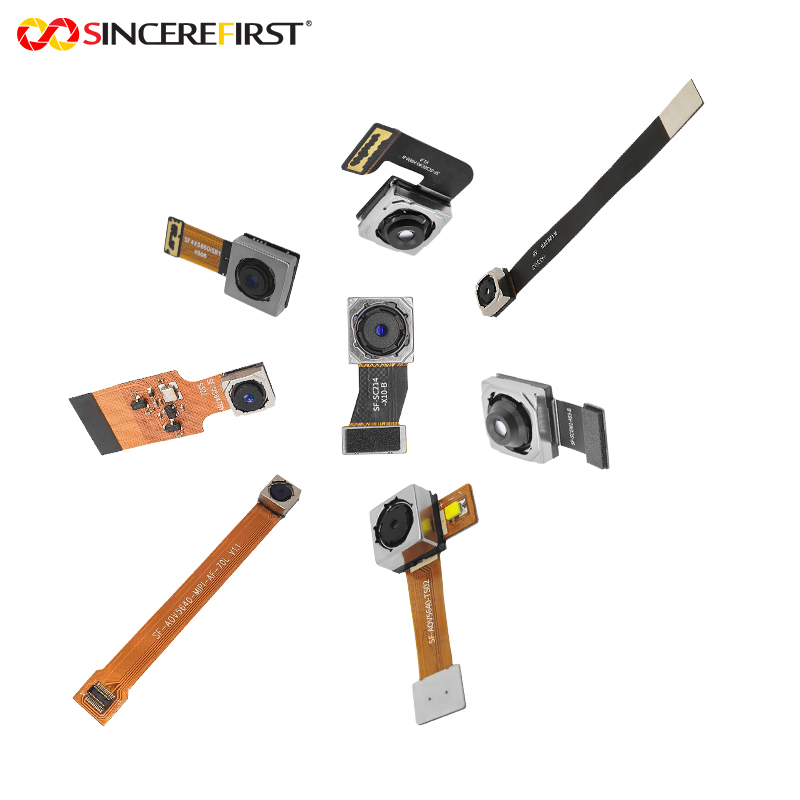
Mechanical constraints often decide more than teams expect. A larger optical format can improve image quality, but it usually requires a larger lens stack, more space, and tighter mechanical planning. In compact devices, especially handheld units, wearables, endoscopes, and space-limited embedded products, sensor size must fit the industrial design from the beginning.
This is one reason camera module development should not treat the sensor as an isolated component purchase. Package size, connector orientation, focal length, board layout, and cable routing all influence whether integration remains straightforward or becomes a redesign.
Rolling shutter or global shutter
Shutter type is one of the most common decision points in sensor selection for camera modules. Rolling shutter sensors are widely used because they are cost-effective and suitable for many static or moderately dynamic scenes. They work well in consumer devices, access control, document capture, and many general-purpose embedded systems.
Global shutter sensors are better suited for motion-critical tasks. In robotics, industrial automation, machine vision, and code scanning, they avoid the distortion that appears when moving objects are captured line by line. If the camera or target moves quickly, rolling shutter artifacts can reduce algorithm accuracy and make measurement unreliable.
The trade-off is straightforward. Global shutter usually costs more and may offer fewer choices at the same price point. But when motion accuracy matters, it is often the more economical option at the system level because it reduces image correction, missed reads, and field failures.
Dynamic range, color, and image consistency
Many deployments fail not because the image is blurry, but because the sensor cannot hold detail across difficult lighting. A scene with backlighting, reflective surfaces, shadows, and bright highlights will quickly expose weak dynamic range. Entrance monitoring, vehicle systems, outdoor kiosks, and industrial scenes often have this challenge.
High dynamic range capability helps preserve useful detail in both dark and bright areas. That can improve analytics, OCR, and object recognition. It also reduces the burden on software compensation.
Color performance should be selected with equal care. Some systems need accurate color reproduction for diagnosis, product sorting, or user interaction. Others can use monochrome sensors to gain sensitivity and reduce complexity. Monochrome is often a strong choice for machine vision tasks where contrast matters more than color information.
Image consistency matters in production too. If a device program will scale over multiple batches or across several markets, stable tuning and reliable sensor sourcing become part of the selection criteria. A sensor that performs well in evaluation but has uncertain supply status creates avoidable risk later.
Interface, bandwidth, and host compatibility
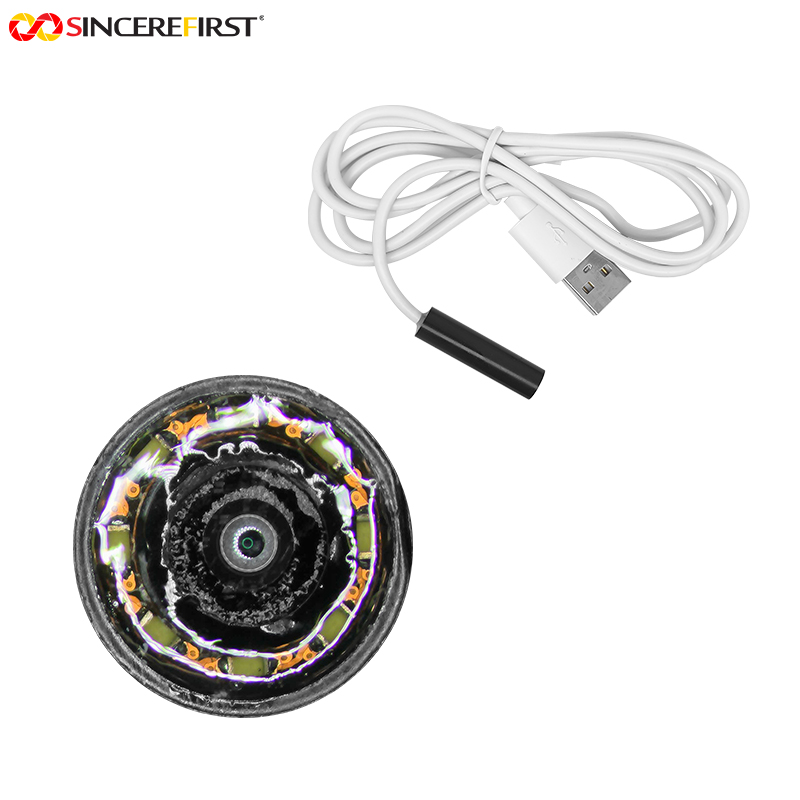
A strong sensor choice can still become a poor module choice if the interface does not fit the host system. MIPI CSI-2 is often preferred in embedded products because it supports high throughput in compact architectures. USB camera modules can speed development for many commercial and industrial devices where plug-and-play integration is valuable. DVP may still fit legacy or simpler platforms.
The correct interface depends on more than convenience. It affects cable length, EMI behavior, latency, software support, and board design. The host processor must also handle the sensor output without bottlenecks. A high-frame-rate sensor brings little value if the ISP, memory bandwidth, or application processor cannot sustain it.
This is where supplier engineering support becomes valuable. Matching sensor, lens, ISP settings, interface, and module form factor early saves time during validation and pilot build.
Cost should be measured at the system level
Teams under budget pressure sometimes reduce camera cost by choosing the lowest-priced sensor that meets basic resolution targets. That approach can backfire. A cheaper sensor may require stronger illumination, more software correction, more processor headroom, or more support time during calibration and field tuning.
A better approach is to evaluate total system cost. That includes module integration effort, firmware adaptation, production yield, long-term availability, and whether the selected sensor leaves enough margin for changing conditions. The least expensive part is not always the least expensive decision.
For custom programs, it also helps to think in phases. Early prototypes may prioritize speed and validation. Production programs usually prioritize consistency, lifecycle planning, and manufacturing repeatability. A supplier with both standard modules and custom engineering can shorten that path. SincereFirst typically supports this by aligning sensor choice with optical design, interface selection, and scalable manufacturing from the start.
A practical way to narrow the shortlist
When engineering teams evaluate sensors efficiently, they usually narrow the list by application class first, then validate against operating conditions. That means identifying required detail, motion behavior, lighting range, module size, interface, and processing limits before comparing sensor families.
From there, testing matters more than assumptions. Sample modules should be reviewed in the actual environment, with target objects, real working distances, expected illumination, and realistic motion. Lab results are useful, but field-relevant testing exposes issues much faster. It is also the best way to balance image quality against cost and lead time.
The most reliable camera programs are rarely built around the highest spec sensor. They are built around the right sensor, correctly integrated, with enough engineering margin to perform after deployment. If your team starts sensor selection with application demands and system constraints instead of marketing numbers, you make the camera module easier to launch, easier to scale, and easier to trust when it is in the field.