
IMX678 4K MIPI FPC Camera Module for Embedded AI Imaging Devices
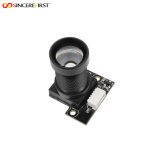
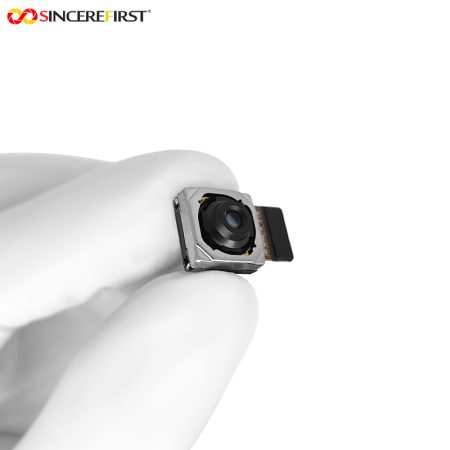
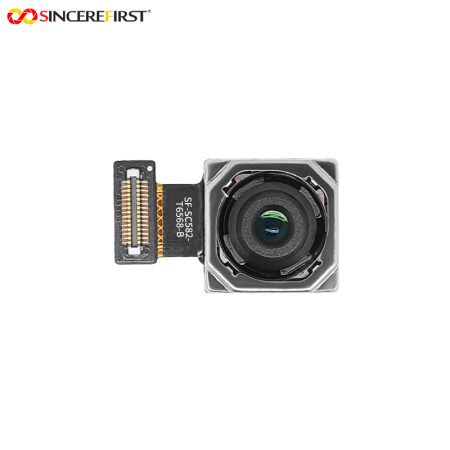
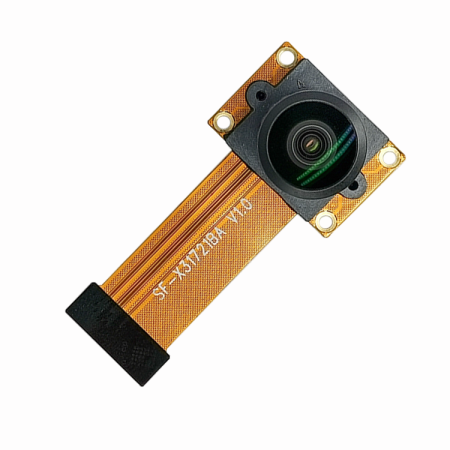
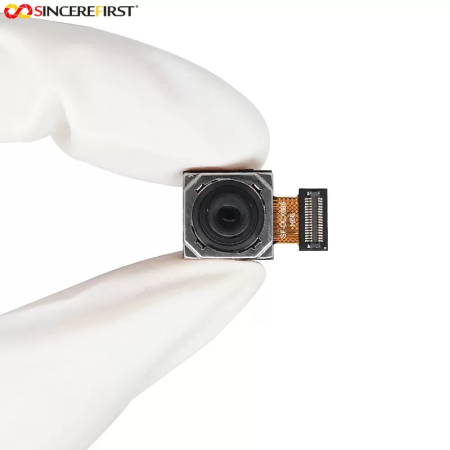
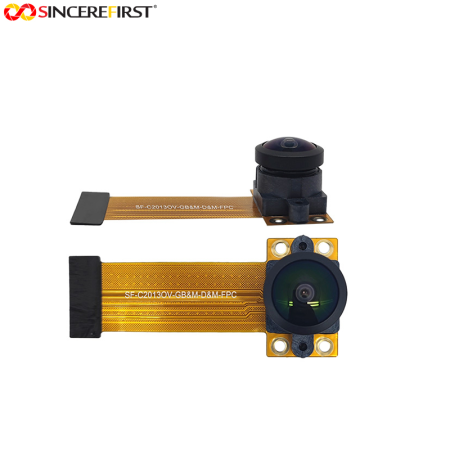
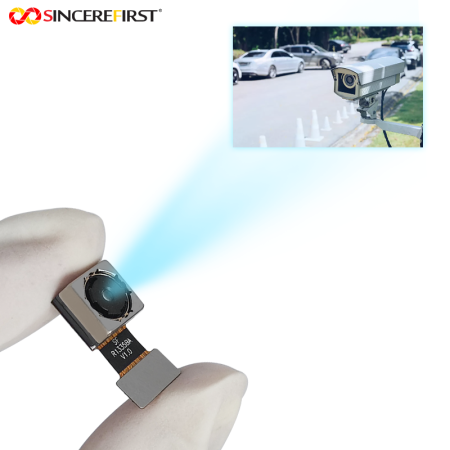
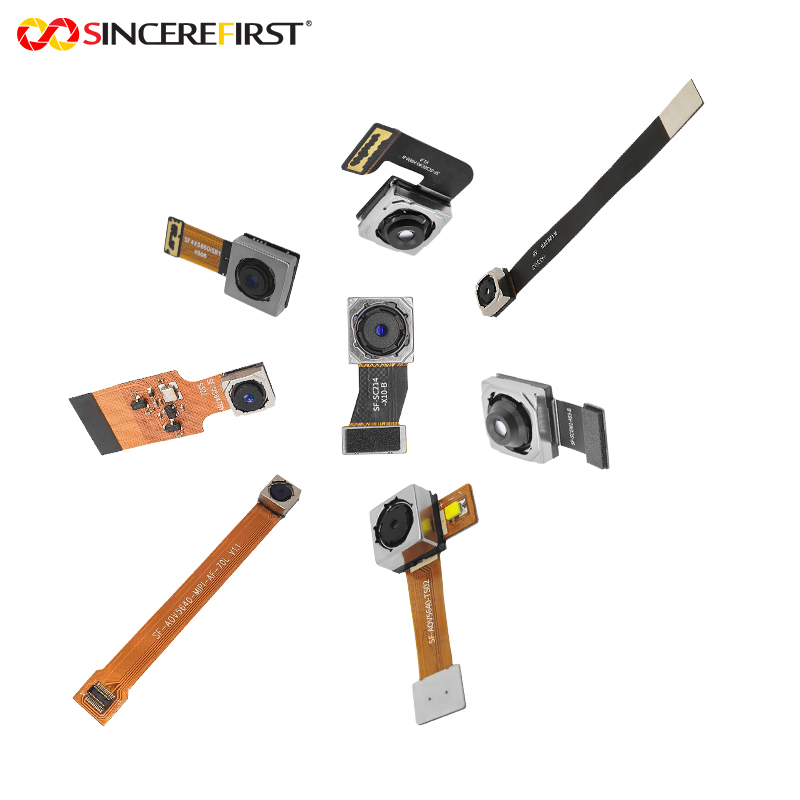
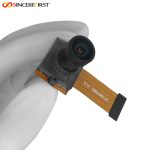
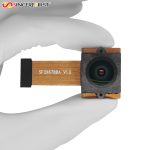
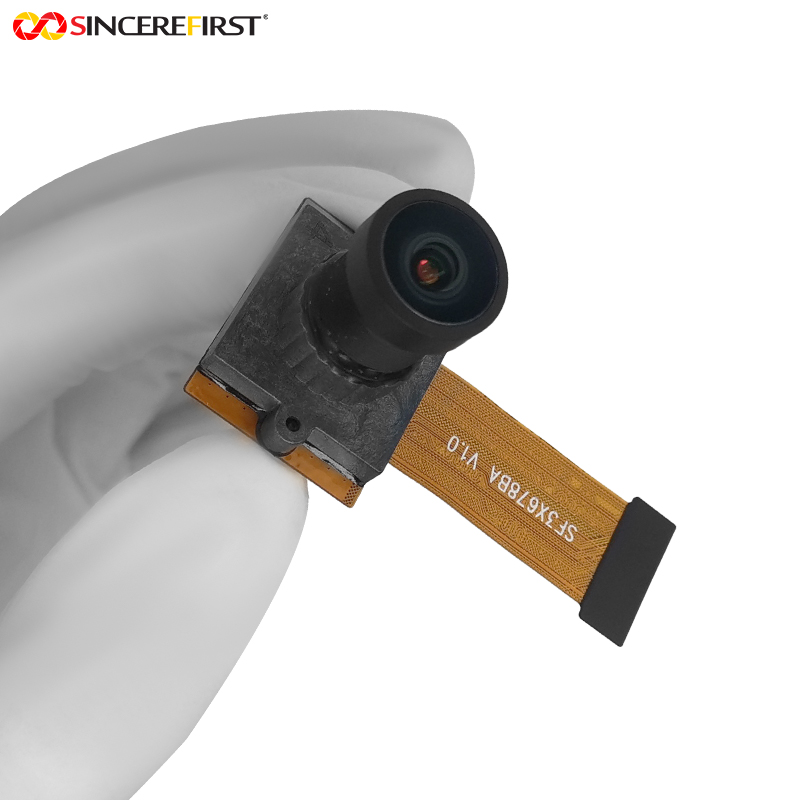
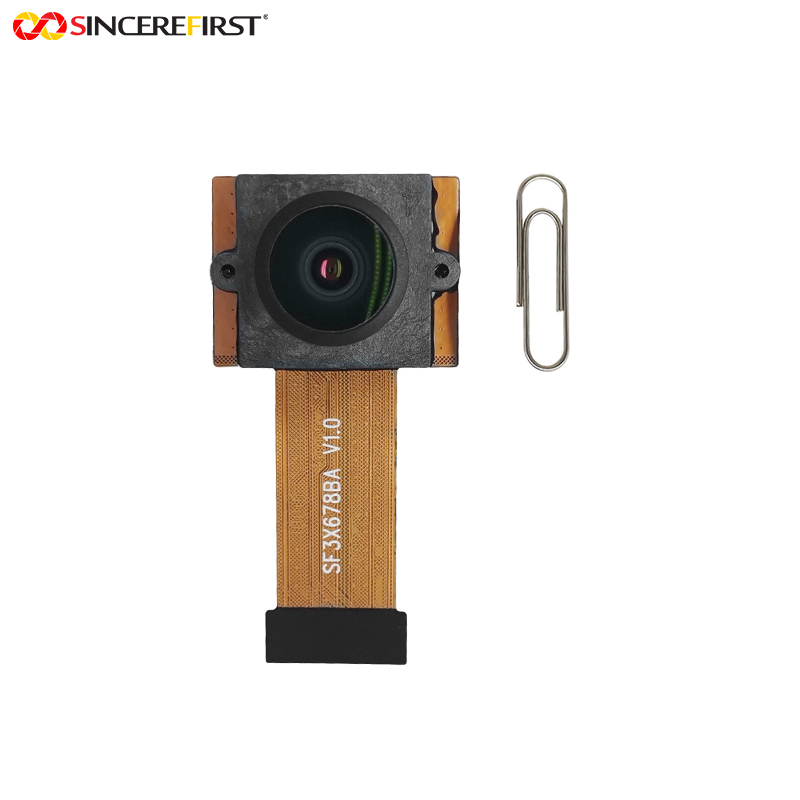
IMX678 4K MIPI FPC camera module with 8MP resolution, 4K@30fps RAW output, a standard D133° Fixed Focus lens, and project-level D200° lens.

IMX678 4K MIPI FPC Camera Module for Embedded AI Imaging Devices
Request a Call Back
- Send Inquiry

IMX678 4K MIPI FPC Camera Module for Embedded AI Imaging Devices
Ask a Question
Introduction
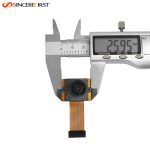
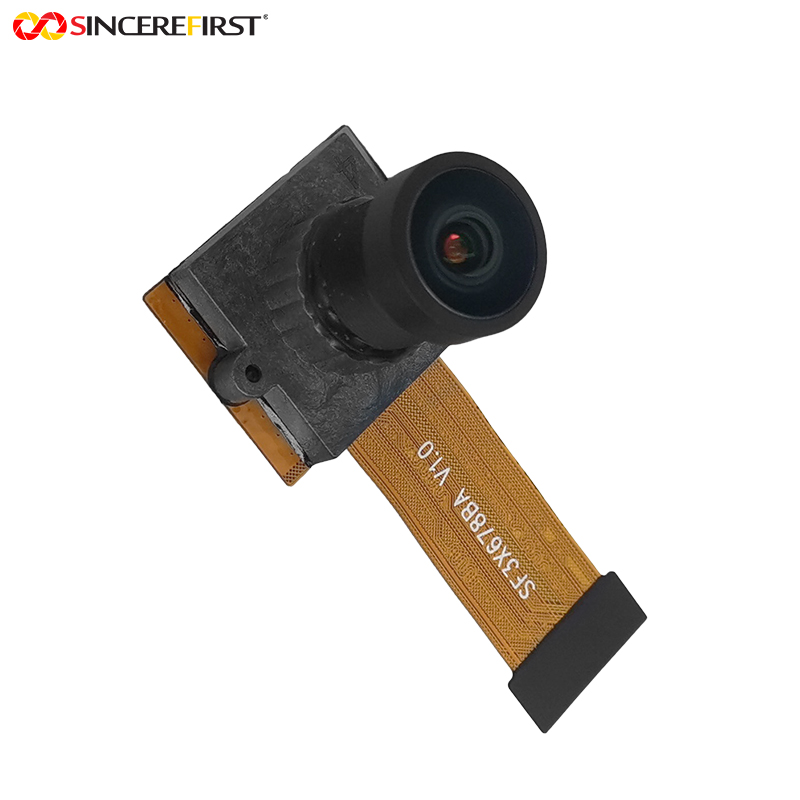
SF3X678BA V1.0 is an 8MP IMX678 MIPI FPC camera module for embedded AI imaging devices that require 4K@30fps RAW output, wide scene coverage, and host-side image processing. The standard configuration uses a D133° Fixed Focus lens, while a D200° or wider lens direction can be evaluated for projects with broader coverage requirements.
Applications in Real Devices
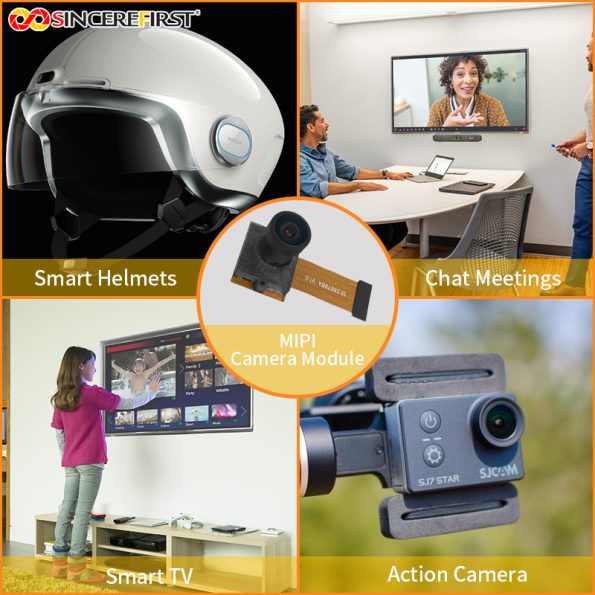
Embedded AI Imaging Devices
Embedded AI imaging devices often use the camera module as a source of RAW data for host-side ISP processing, scene understanding, event detection, or visual analysis.
The 30Pin MIPI interface, 10/12-bit RAW output, 4K@30fps mode, and standard D133° field of view make this model relevant when the device needs detailed image input and broad environmental coverage. Host MIPI support, ISP capability, enclosure opening, and the final optical configuration should be confirmed before sampling.
Robotic Vision Systems
The broad standard field of view and RAW output can support robotic devices that need environmental image input for host-side processing. Motion, lighting, and enclosure effects should be evaluated in the actual platform.
Smart Monitoring and Environmental Sensing Devices
The 1m-to-Infinity Fixed Focus range and wide standard lens can support medium- to long-distance scene observation where the host processes the incoming MIPI image data.
Project Evaluation Guide
Consider This Model When
- The project requires 4K@30fps RAW image input.
- The host provides a compatible MIPI interface and ISP pipeline.
- Wide scene coverage is more important than close-range narrow-area imaging.
- The target distance is generally within the standard 1m-to-Infinity range.
Confirm Before Sampling
- MIPI pin definition, lane configuration, RAW10/RAW12 support, and ISP compatibility.
- Final FOV, vignetting, and mounting angle inside the enclosure.
- HDR mode, frame rate, and host bandwidth combination.
- Filter, lens transmission, illumination wavelength, and ISP settings for NIR-related use.
D200° or wider lens requirements, including distortion tolerance and enclosure space.
Choosing This Model Within the 4K MIPI FPC Camera Module Series
SF3X678BA V1.0 is the wide-FOV IMX678 MIPI option in the 4K MIPI FPC Camera Module Series. Its standard D133° lens supports broad scene capture, while the D200° or wider optical direction remains a project-level evaluation rather than the standard configuration.
Related Models
IMX415 — SF-X41521BA V1.0 — Consider this model when 4K@60fps output is a higher priority than the larger 2μm pixel structure.
IMX317 — SF-X31721BA V1.0 — Consider this model when 4K@60fps and a D200° or wider lens evaluation are both required.
Key Specifications
Specification | Details |
Sensor | Sony IMX678 CMOS |
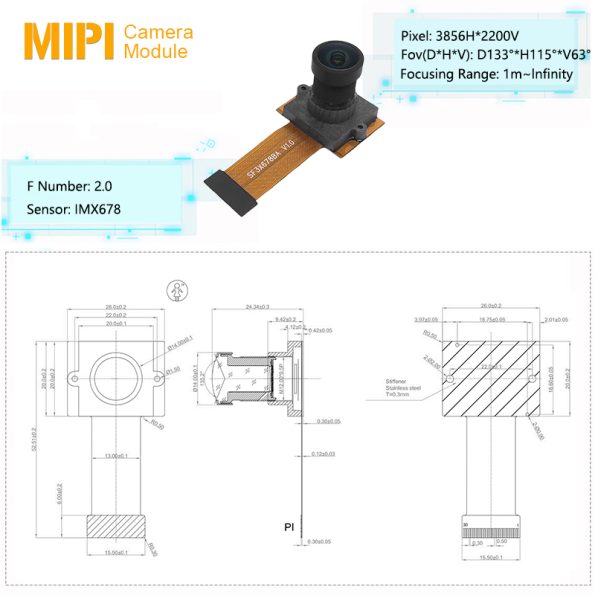
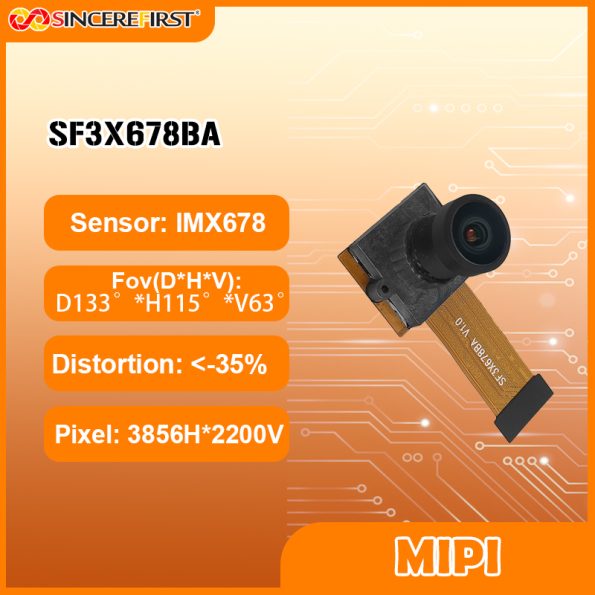
Resolution | 8MP, 3856 × 2200 |
Maximum Video Output | 4K@30fps |
Optical Format | 1/1.8 inch |
Output Format | RAW10 / RAW12 |
Interface | 30Pin Gold-Finger MIPI |
Focus Type | Fixed Focus |
FOV | D133° × H115° × V63° |
Focal Length | 4mm |
Focus Range | 1m to Infinity |
F.No | 2.0 |
TV Distortion | < -35% |
SincereFirst Customization
Lens and FOV
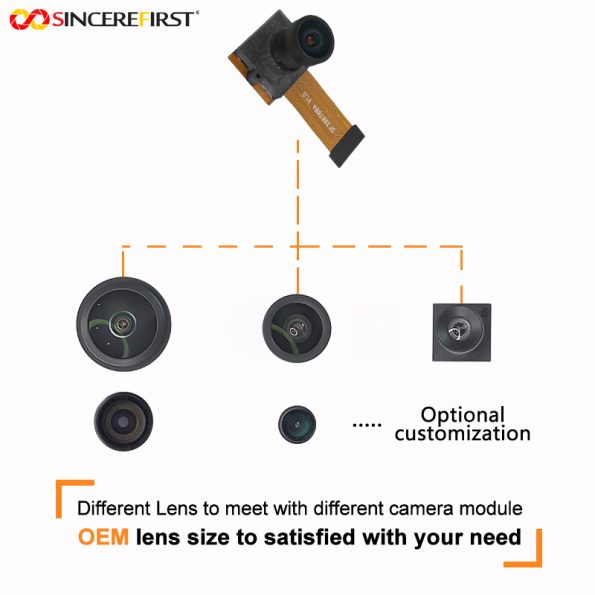
The standard D133° lens can be reviewed against the target scene; D200° or wider optical directions can be evaluated.
Optical Filter and NIR
Filter selection, lens transmission, illumination wavelength, and NIR-related requirements can be discussed for the target environment.
FPC and Connector
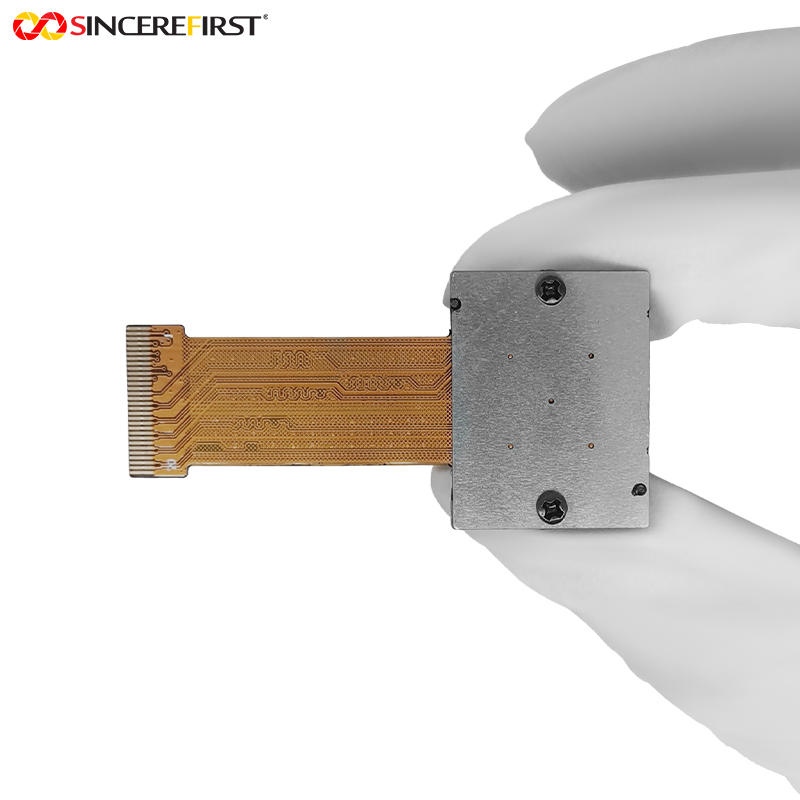
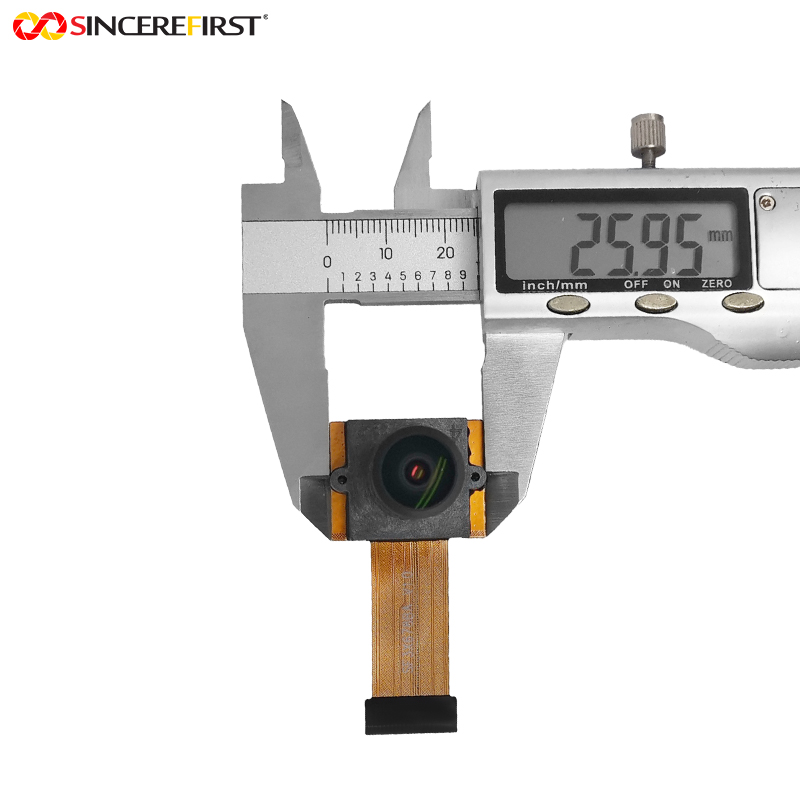
FPC layout, connector definition, and module-side structure can be evaluated against the host and enclosure.
MIPI and Image Configuration
RAW format, applicable image modes, exposure behavior, and host-side ISP requirements can be reviewed during project evaluation.
Final configuration should be validated with the actual host platform, enclosure, optics, software, and lighting environment before sampling.
FAQ
Is this module relevant for embedded AI devices?
It can be considered when the device requires 4K@30fps RAW input, a MIPI interface, and broad scene coverage. Host compatibility should be confirmed before sampling.
Is D200° the standard lens?
No. The standard lens is D133°. A D200° or wider option requires separate optical and structural evaluation.
Can HDR and NIR be used directly?
They are sensor-level capabilities. Actual performance depends on the selected mode, optics, filter, illumination, and host ISP.
What should be provided for evaluation?
Share the device, host platform, MIPI definition, working distance, FOV, lighting conditions, enclosure limits, and expected quantity.
Evaluate This Module for Your Device
Share your device, host platform, target mode, working distance, FOV, lighting conditions, and enclosure limits for evaluation before sampling.
Send Inquiry
- 4K Camera Module (4)
- Camera Module Connectors (1)
- Endoscope Camera Module (1)
- FPC Camera Module (5)
- DVP Camera Module (1)
- MIPI Camera Module (5)
- Medical imaging module (3)
- USB Camera Module (3)
- 4K Camera Module
- AI Camera Module
- Camera Module
- camera module Connectors
- camera modules Connectors
- Camera Sensor
- Cmos Camera Module
- cmos camera module Connectors
- Cmos Camera Sensor
- Cmos Endoscope Camera Module
- Cmos Endoscope Camera Sensor
- Cmos Mipi Camera Module
- Cmos Mipi Endoscope Camera Module
- Cmos USB Camera Module
- Cmos UVC Camera Module
- Cmos UVC USB Camera Module
- CSI Camera Module
- CSI Endoscope Camera Module
- Custom Camera Module
- DVP Camera Module
- DVP Endoscope Camera Module
- Embedded Camera Module
- Endoscope Camera Module
- Endoscope Camera Sensor
- IMX678 Camera Module
- Industrial Camera Module
- Industrial Endoscope Camera Module
- MIPI Camera Module
- MIPI Endoscope Camera Module
- OEM Camera Module
- USB Camera Module
- UVC Camera Module
- UVC USB Camera Module
Related Products
SincereFirst 0.1MP-200MP FPC Cmos MIPI DVP Camera Modules CSI Camera Modules
Explore SincereFirst 4K USB camera modules with USB 2.0 and USB 3.0 Type-C, 4K@15fps to 4K@60fps, MJPG/YUY2/H.264, autofocus, Fixed Focus, compact structures, and HDMI options.

Description:
The Sony IMX678 is an advanced CMOS image sensor designed primarily for security and surveillance applications. It boasts an 8.4 MP resolution with a pixel pitch of 2.0 µm, offering high-quality imaging performance. Built on the STARVIS 2 platform, it integrates cutting-edge technologies such as DOL HDR, Clear HDR, and NIR Enhanced to enhance image clarity in various lighting conditions.
This 1/1.8-inch format sensor measures 8.86 mm diagonally and provides a square pixel array with 8.40 million effective pixels. Its efficient power consumption is supported by a triple power supply configuration, which includes analog 3.3 V, digital 1.1 V, and interface 1.8 V. This setup ensures optimal performance while minimizing energy use.
Incorporating these technologies, the IMX678 is ideal for high-performance MIPI camera module applications, especially in scenarios demanding clear and stable images. Its capability to function effectively at 60fps makes it a perfect fit for 8MP camera modules and surveillance systems that require fast frame rates. Additionally, its low power consumption makes it a suitable option for long-term surveillance applications.
With its ability to deliver outstanding image quality even under challenging conditions, the Sony IMX678 sensor also supports higher-end solutions such as 4K camera modules, making it a versatile choice for both basic and advanced security systems. This sensor’s combination of high resolution, powerful HDR capabilities, and low power requirements positions it as a premium option for modern surveillance and imaging solutions.
key features:
High Resolution: The Sony IMX678 features an 8.4 MP resolution with a 2.0 µm pixel pitch
Imaging Technologies: It incorporates DOL HDR, Clear HDR, and NIR Enhanced technologies, even in low light environments also clear.
Power Consumption: The sensor operates with a triple power supply (3.3 V analog, 1.1 V digital, 1.8 V interface) and maintains low power usage.
-7-450x253.jpg)

FAQ
Q1: Are you factory or trade company? A1: We are factory and have our own production line with 10 levels of dust-free workshops professional trained production workers.
Q2: What can you customize with our camera module? A2: FPC length, module shape, module head size, lens holder, imaging direction, pinout, connector, VCM, lens, Firmware and so on.
Q3: What is your camera module custom requirements flow? A3: Camera module / Board camera customized process insight With hundreds of camera module application, the standard camera modules can’t meet each specific requirement, so customization process comes with necessity and popularity, the hardware and firmware modification, including module dimension, lens view angle, auto/fixed focus type and lens filter, to empower the innovation. Non-recurring engineering completely covers the research, development, design for producing a new product. For saving the developing time and cost, SINCERE FIRST provides the custom camera module service based on our standard camera module solution. · Customized requirements flow 1. You can provide drawings or samples, as well as request documentation and developed by our engineering staff. 2.Communication or Meeting 3. We will communicate with you in detail to determine somewhat product you need and try to set the most suitable product for you according to your needs. 4.Sample Development 5.Determine the details of the development sample and the delivery time. Communicate at any time to ensure smooth progress. 6. Sample Testing 7. Test and age on your application, feedback test results, no need to modify, mass production.
Q4: What operating system does your camera module support? A4: Our camera module can support Windows, Mac-IOS, Android and Self-developed Software.
Q5: Which software / development platform do your camera modules support? A5: Arduino, ESP32, Raspberry Pi, NVIDIA, Ambarella, RK(Rockchip), MTK(MediaTek Inc.), Qualcomm, ATI Q6: How long does it take to develop a new camera module? A6: Typically around 7–10 days from start date.
Explore SincereFirst 4K MIPI FPC camera modules with RAW output, 4K@30fps and 4K@60fps options, Fixed Focus and autofocus, wide FOV, Raspberry Pi support, and project-level optical evaluation.
Explore SincereFirst 4K camera modules across MIPI FPC and USB integration directions. Compare real-device requirements, host processing, frame rate, optics, structure, and project evaluation needs.