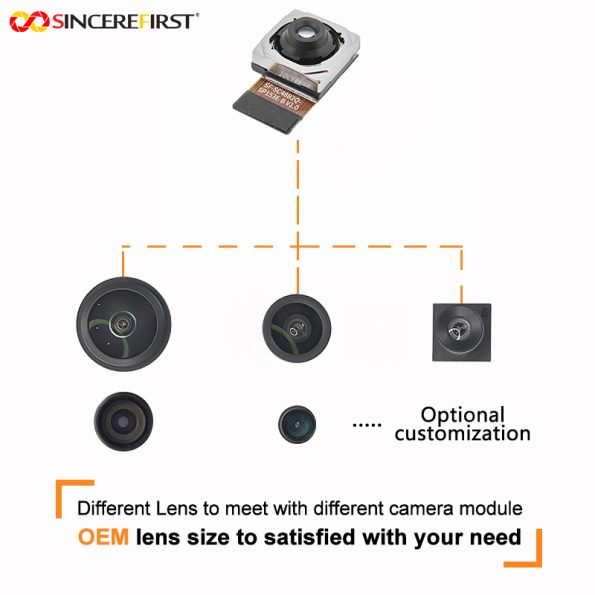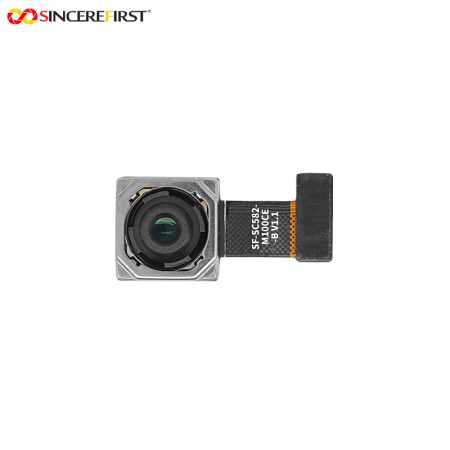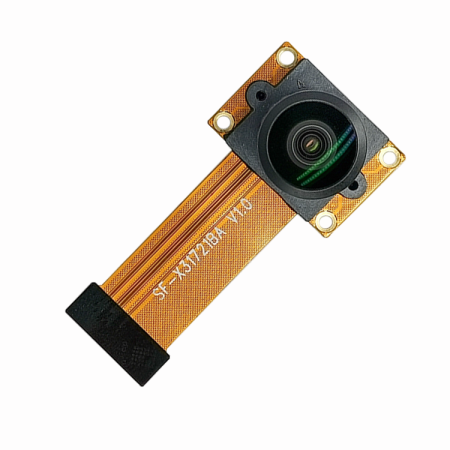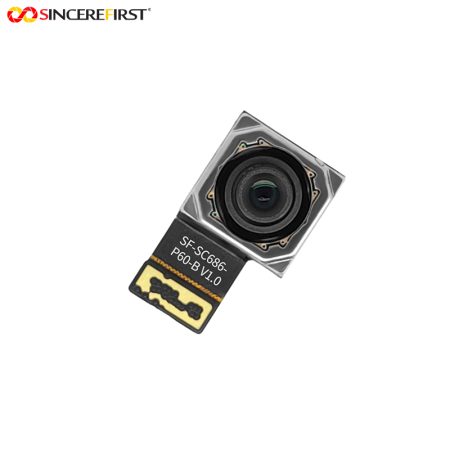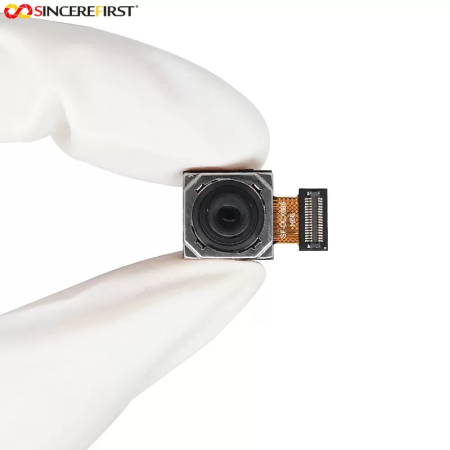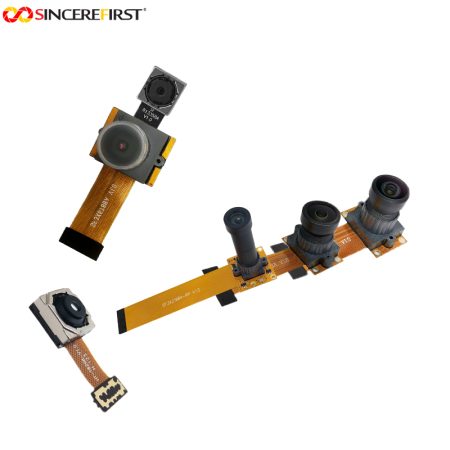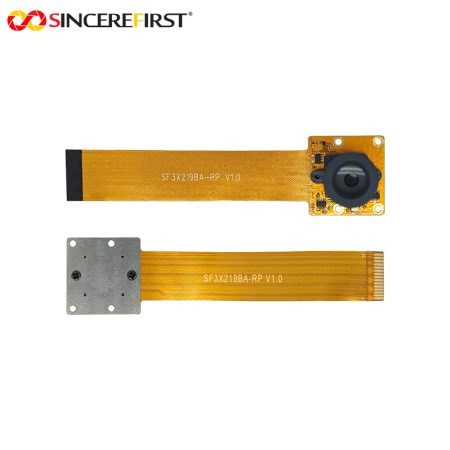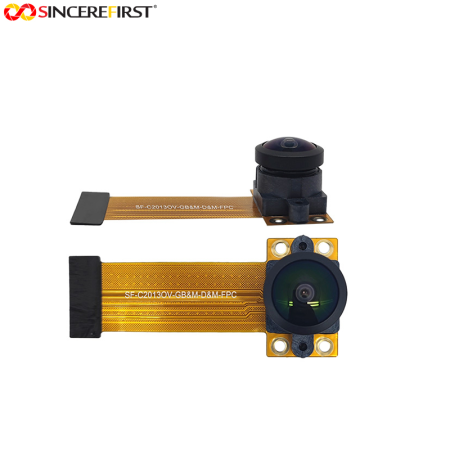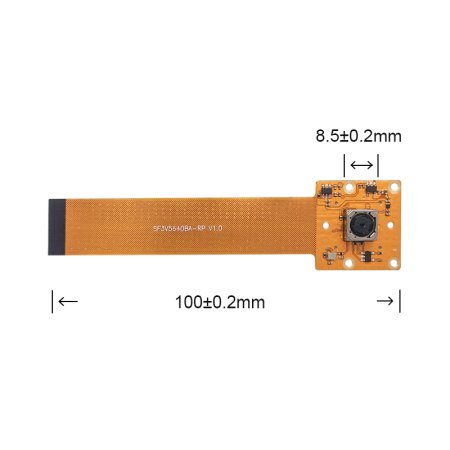

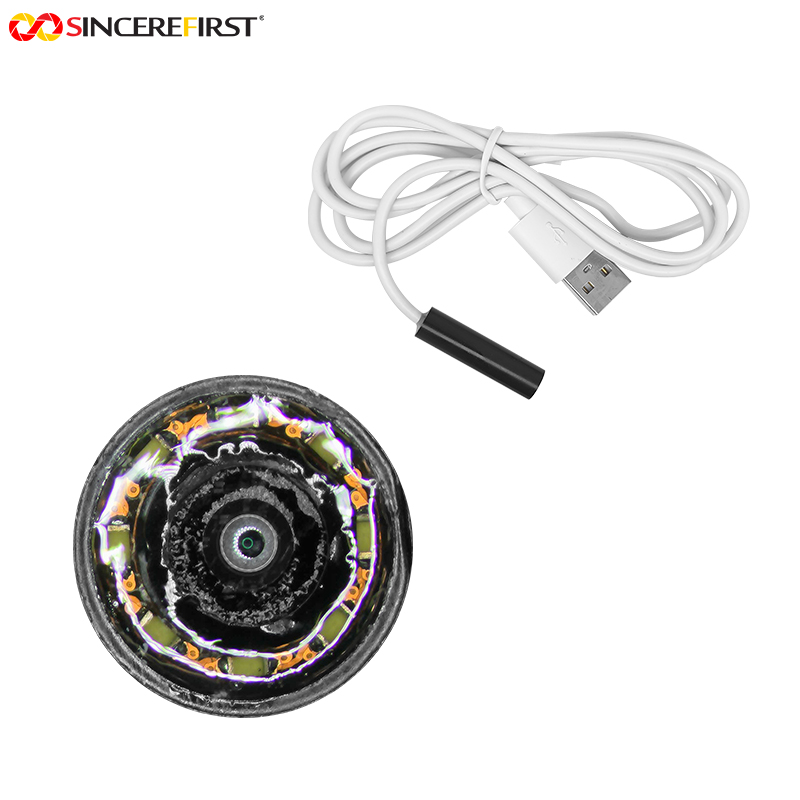
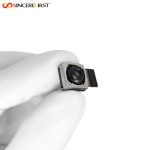
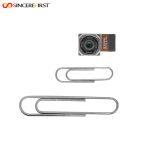

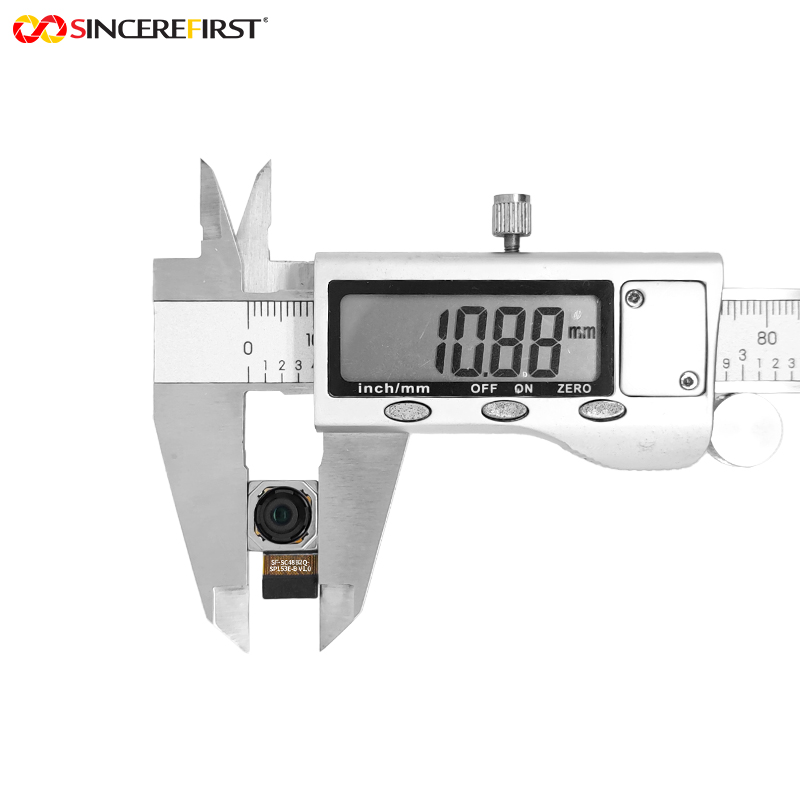
OV48B2Q 48MP RAW10 30Pin MIPI Autofocus Camera Module for Embedded Imaging

$1.00

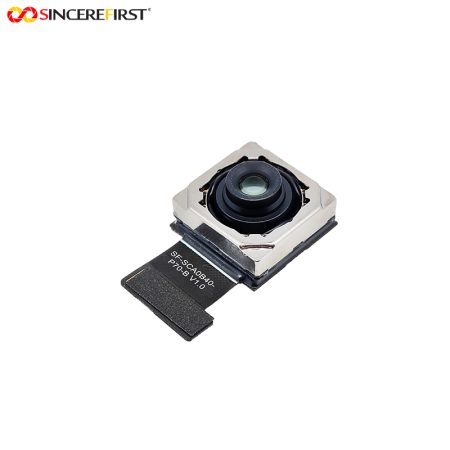
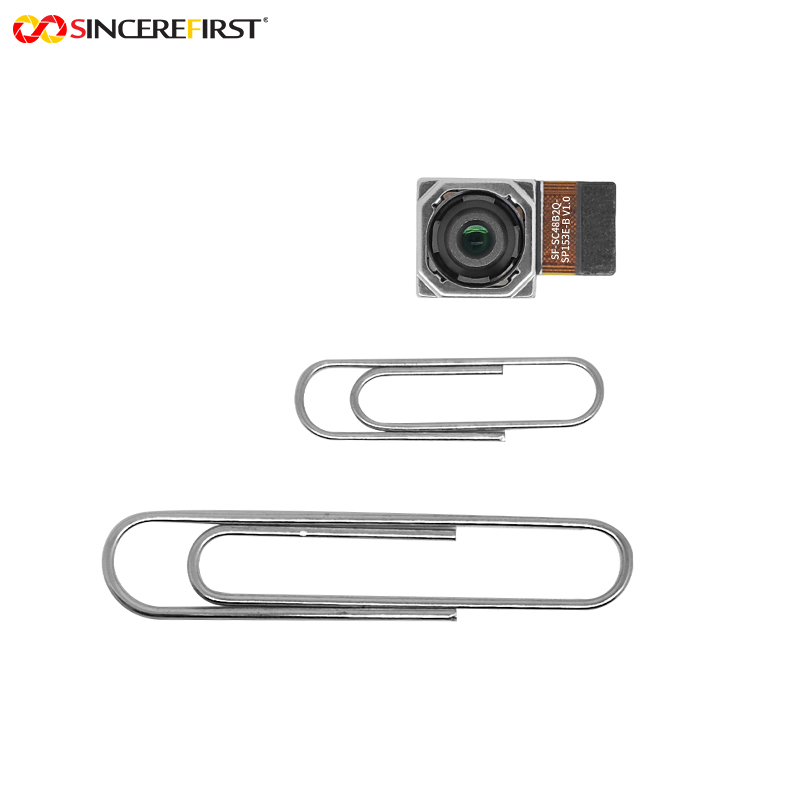
OV48B2Q 48MP MIPI autofocus camera module with 8000×6000 resolution, 4K 30fps , RAW10 output, PDAF, HDR, D80.1° FOV and 30Pin BTB integration for embedded imaging systems.

—————————————————————————————–
Price is for reference only. Please contact us for the latest quotation.

+
  • OV48B2Q 48MP RAW10 30Pin MIPI Autofocus Camera Module for Embedded Imaging
    $1.00

    Request a Call Back

    • OV48B2Q 48MP RAW10 30Pin MIPI Autofocus Camera Module for Embedded Imaging
      $1.00

      Ask a Question

        ... people are viewing this right now

        Share

      Introduction

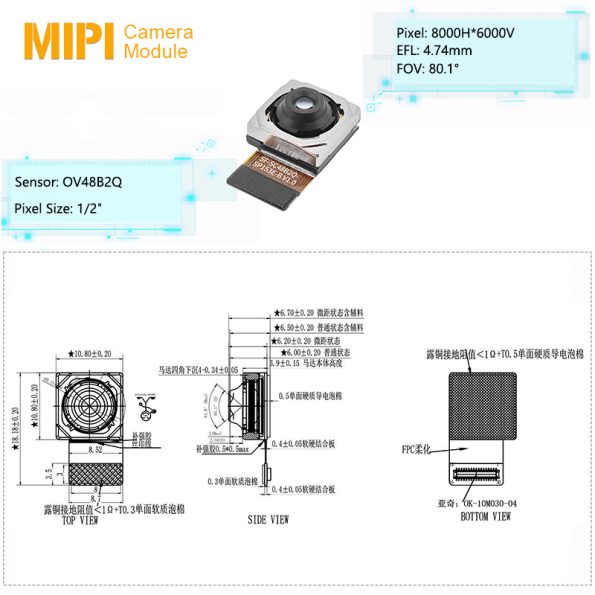
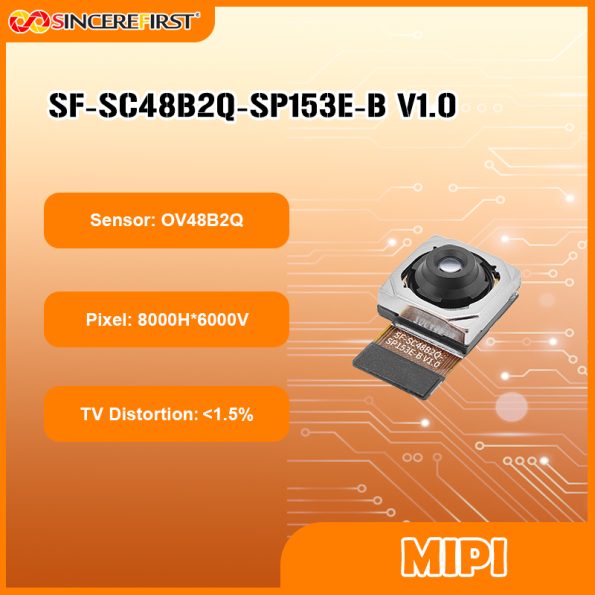
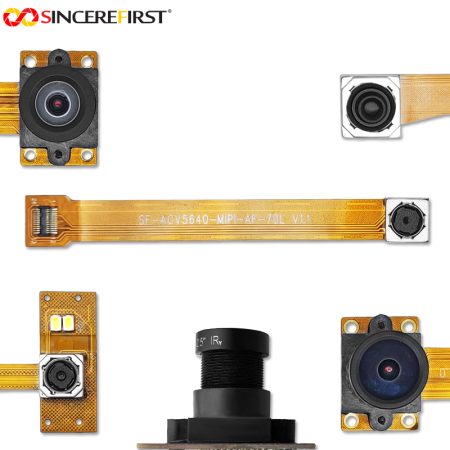
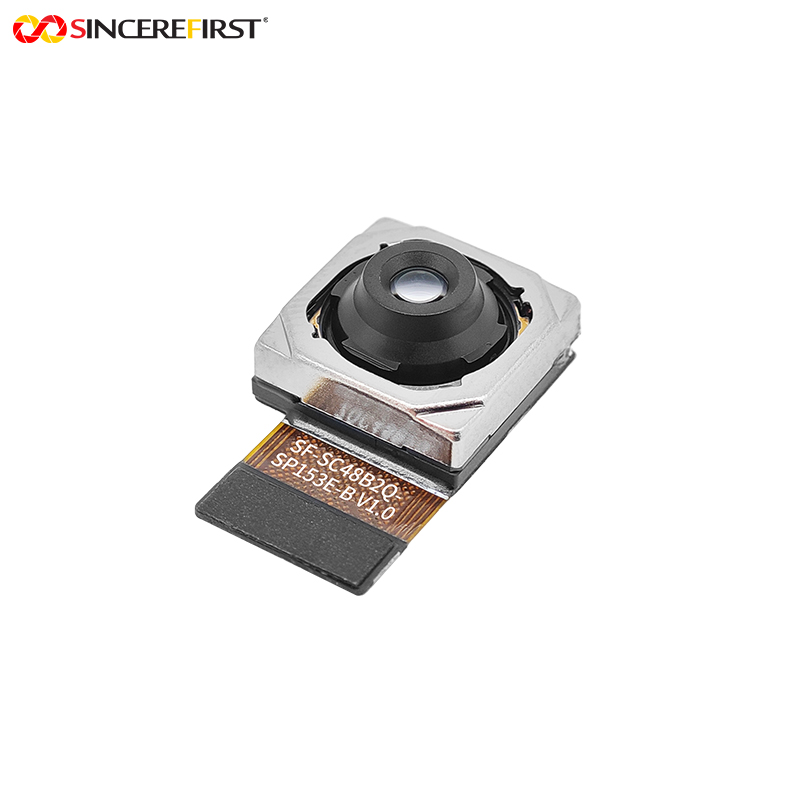
      SF-SC48B2Q-SP153E-B V1.0 is a 48MP MIPI Camera Module designed for embedded devices requiring high-resolution RAW imaging, VCM Autofocus and a 30Pin BTB hardware connection.

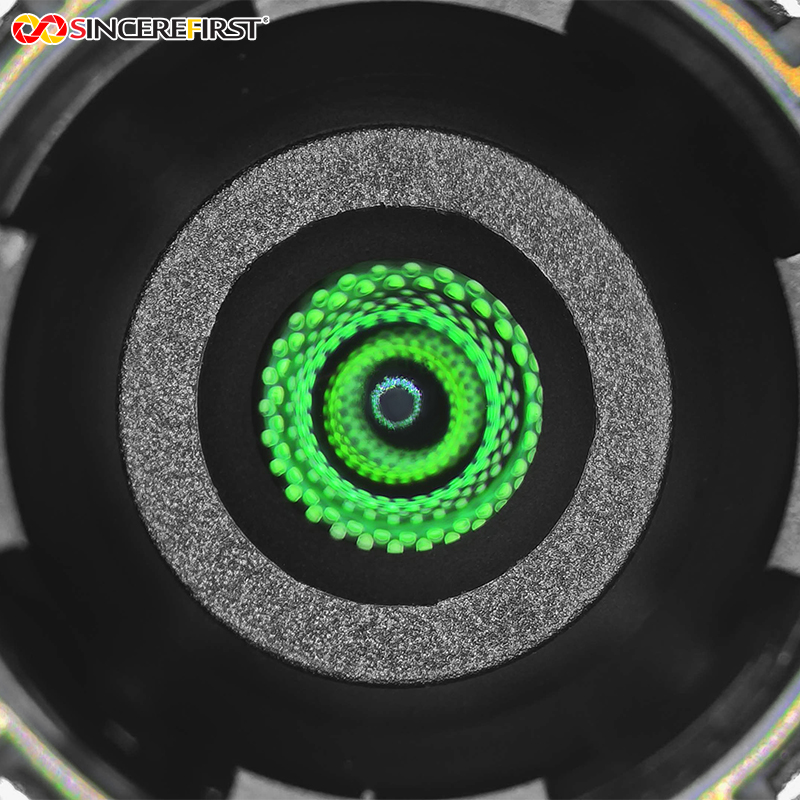
      Based on the OV48B2Q CMOS sensor, it supports up to 8000×6000 resolution and 4K at 30fps, together with 4-in-1 pixel technology, PDAF and HDR. The D80.1° optical configuration with TV distortion below 1.5% provides a balanced viewing direction for devices that need broad but controlled scene coverage.

      Within the OV48B2Q family, its main selection value is not a different sensor capability but the 30Pin BTB integration structure, which can be important when matching an existing host PCB and FPC architecture.

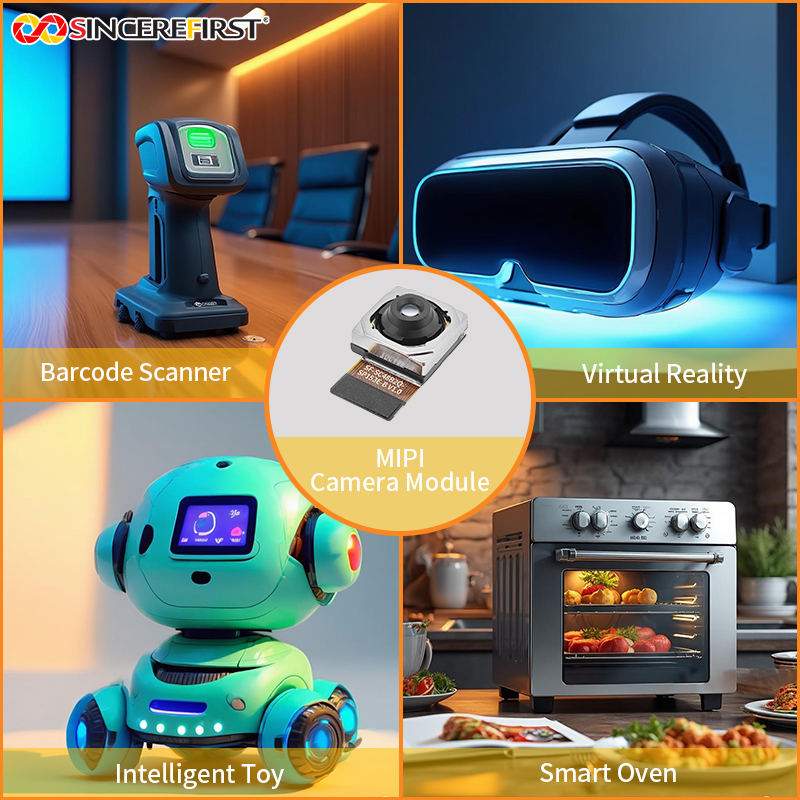
      Applications in Real Devices

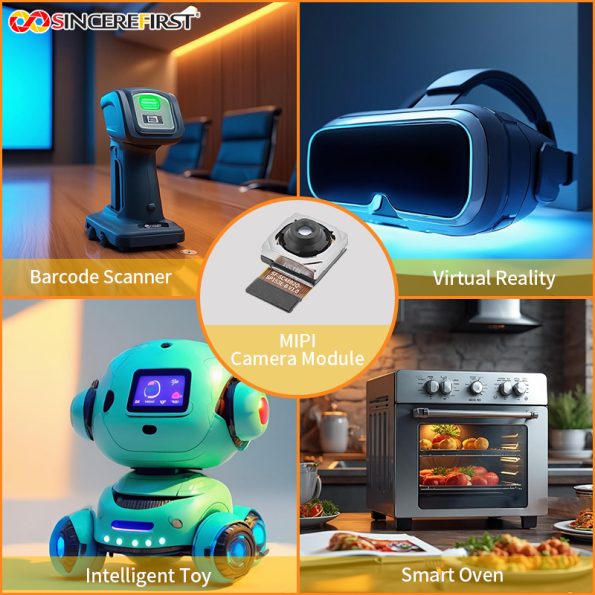
      Embedded AI Imaging Equipment

      For embedded AI systems that need high-resolution sensor data before recognition or analysis, RAW10 output provides a direct imaging source for the host processor and ISP pipeline.

      The 48MP native resolution is useful when smaller target details need to remain available before cropping or algorithm processing.

      High-Resolution Inspection Devices

      For equipment observing components, printed information or fine surface features, 8000×6000 image capture provides additional spatial detail for inspection and analysis.

      The D80.1° viewing direction is suitable when the device needs wider scene coverage without moving to the stronger perspective and distortion characteristics of an ultra-wide lens.

      Smart Imaging Terminals

      VCM Autofocus provides greater flexibility when object distance changes during operation.

      This makes the module relevant to devices where the camera cannot be optimized around only one fixed focal plane but still requires direct MIPI integration rather than USB/UVC.

      OEM Embedded Camera Systems

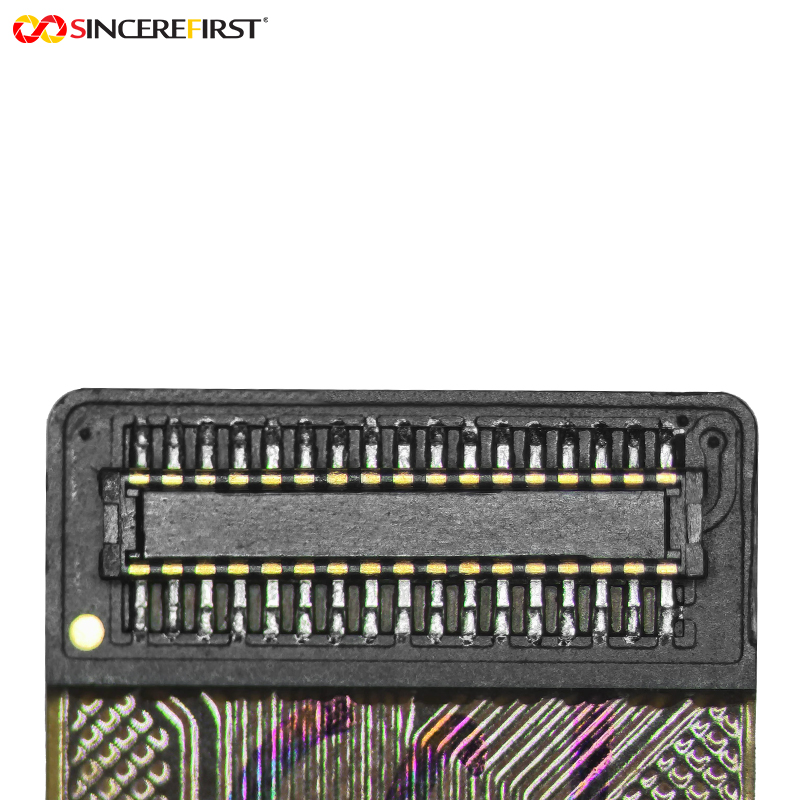
      The 30Pin BTB connection provides a defined hardware-integration direction for products with an existing host-board connector architecture.

      The final design should evaluate connector position, FPC routing, lens clearance and host electrical compatibility together.

      Project Evaluation Guide

      Consider This Model When

      • 48MP / 8000×6000 native image detail is required.
      • RAW10 output is needed for host-side ISP processing.
      • 4K at 30fps is required as a video mode.
      • VCM Autofocus is needed for changing target distances.
      • PDAF and HDR are relevant to the imaging architecture.
      • D80.1° coverage and low distortion suit the scene.
      • A 30Pin BTB MIPI connection matches the host-board design.

      Confirm Before Sampling

      • Host processor and MIPI compatibility.
      • RAW10 and ISP support for the OV48B2Q platform.
      • 30Pin connector definition and host-board pin matching.
      • FPC routing and available installation space.
      • Required Autofocus range.
      • Working distance and target dimensions.
      • Whether D80.1° provides the correct balance between scene coverage and target size.
      • Whether native 48MP capture or 4K30 video is the primary operating mode.

      Choosing This Model Within the 8K Camera Module Series

      SF-SC48B2Q-SP153E-B V1.0 is the 30Pin OV48B2Q Autofocus MIPI direction within the 8K Camera Module Series.Choose this model when the project requires the OV48B2Q 48MP RAW platform with Autofocus and standard-angle optics, but the device architecture is designed around a 30Pin BTB connection.

      Compared with SF-SC48B2Q-C6102-B V3.0, the main selection difference is the connector architecture: C6102-B uses a 20Pin BTB direction, while this model uses 30Pin. For devices requiring much broader scene coverage and a long-FPC structure, SF-SC48B20-3030524548-B V1.0 is the more relevant direction.

      Related Models

      OV48B2Q 20Pin MIPI – SF-SC48B2Q-C6102-B V3.0
      Consider this model when the same 48MP OV48B2Q Autofocus direction is required but a 20Pin BTB connection better matches the host board.

      OV48B2Q D120° Long-FPC – SF-SC48B20-3030524548-B V1.0
      Consider this model when the project requires ultra-wide scene coverage, a long-FPC structure and a different 24Pin BTB integration direction.

      Key Specifications

      SpecificationDetails
      ModelSF-SC48B2Q-SP153E-B V1.0
      SensorOV48B2Q CMOS
      Resolution48MP / 8000 × 6000
      Sensor Size1/2 inch
      Pixel Size0.8μm × 0.8μm
      4K Video3840 × 2160 @ 30fps
      Pixel Technology4-in-1 Pixel
      PDAFSupported
      HDRSupported
      Output Format10bit RAW
      FocusVCM Autofocus
      Field of ViewD80.1°
      TV Distortion<1.5%
      InterfaceMIPI
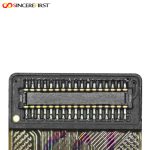
      Connector30Pin BTB

      SincereFirst Customization

      Lens and Optical Configuration

      The standard optical direction provides approximately D80.1° coverage with TV distortion below 1.5%.

      Lens parameters and FOV can be evaluated when the working distance, target size or enclosure requires a different balance between scene coverage and usable target detail.

      Autofocus Configuration

      VCM Autofocus is the standard focus direction. Autofocus behavior can be evaluated according to the intended working-distance range, target characteristics and host-side control requirements.

      MIPI and 30Pin BTB Integration

      The standard hardware direction uses a 30Pin BTB MIPI connection.

      Connector definition, FPC routing and host-board compatibility should be evaluated together so the camera module can be integrated without redesigning the imaging architecture after sampling.


      RAW10 and ISP Integration

      RAW10 output provides sensor-level image data for host processing.ISP tuning requirements for HDR, Autofocus, color and final image quality can be evaluated according to the processor platform and device imaging targets.

      Final configuration should be validated with the actual host platform, enclosure, optics, software, and lighting environment before sampling.

      FAQ

      What is the main reason to choose this 30Pin version instead of the 20Pin OV48B2Q model?

      The main reason is hardware compatibility. Both belong to the same OV48B2Q high-resolution Autofocus direction, so the connector pinout, FPC design and host-board architecture can be more important than image-resolution differences.

      Is D80.1° suitable for high-detail imaging?

      It can provide a useful balance between scene coverage and target size. If the FOV becomes too wide, the target occupies fewer pixels; if it is too narrow, the device may not capture enough surrounding scene. Actual working distance and target dimensions should therefore drive the optical choice.

      When should I choose the D120° OV48B2Q model instead?

      Choose the D120° model when broad scene coverage is more important than keeping the target large within the frame. It is also more relevant when the device requires its long-FPC mechanical structure.

      Does RAW10 output mean the module can be used like a USB UVC camera?

      No. RAW10 requires a compatible embedded processor, sensor driver and ISP pipeline. It is intended for direct MIPI integration rather than plug-and-play UVC operation.

      How important is the host ISP for a 48MP MIPI module?

      It is critical. The sensor can provide high-resolution RAW data, but the host ISP and tuning determine how that data becomes the final image. Sensor selection alone does not guarantee the final device image quality.

      Do PDAF and VCM guarantee the same Autofocus performance on every host platform?

      No. The sensor, VCM, driver, ISP and Autofocus control logic work together. Actual focus speed, stability and accuracy should be validated on the target platform.

      Evaluate This Module for Your Device

      Share your  host processor, MIPI and 30Pin connector conditions, RAW/ISP requirements, working-distance range, target size and required FOV. SincereFirst can evaluate whether this OV48B2Q 30Pin Autofocus configuration matches the device before sampling.

      Send Inquiry

        Close
        Close My Cart
        Close Recently Viewed
        Close
        Close
        Categories