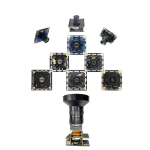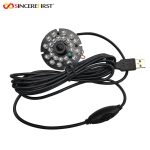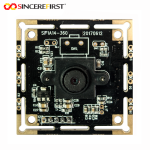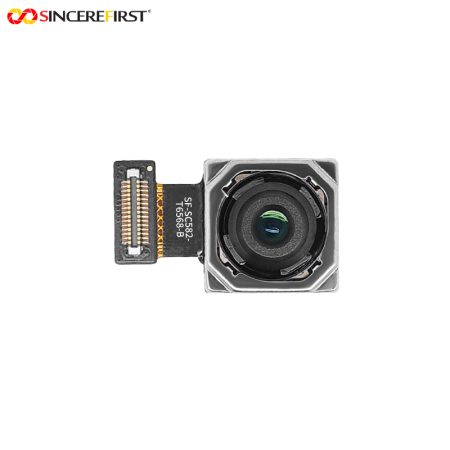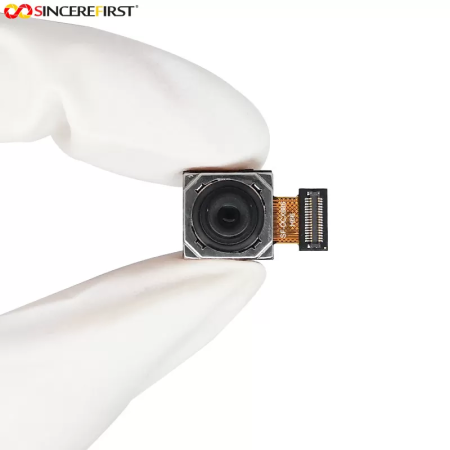



Cost-Effective 2MP MIPI Camera Module for Low-Light and Wide-Area Imaging

$1.00

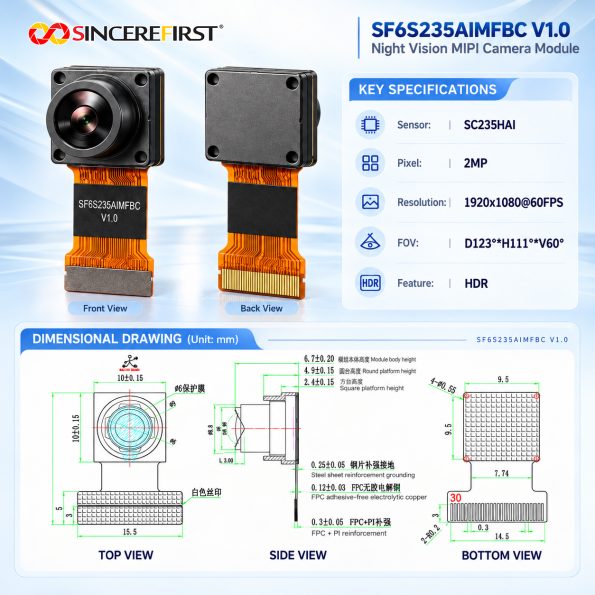
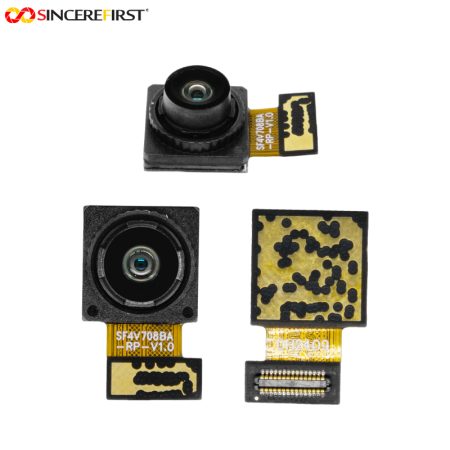
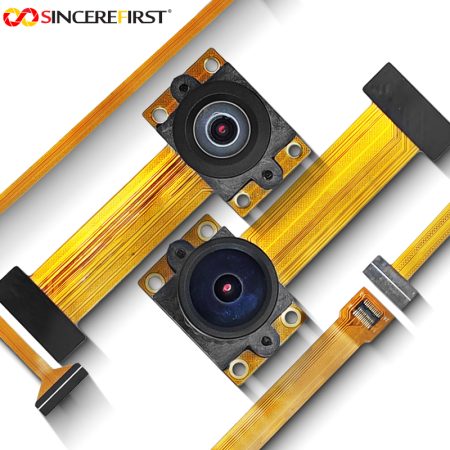
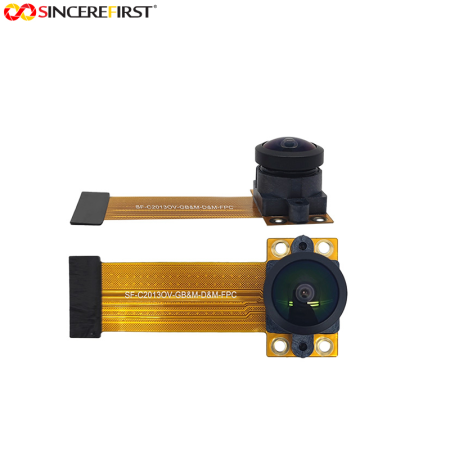
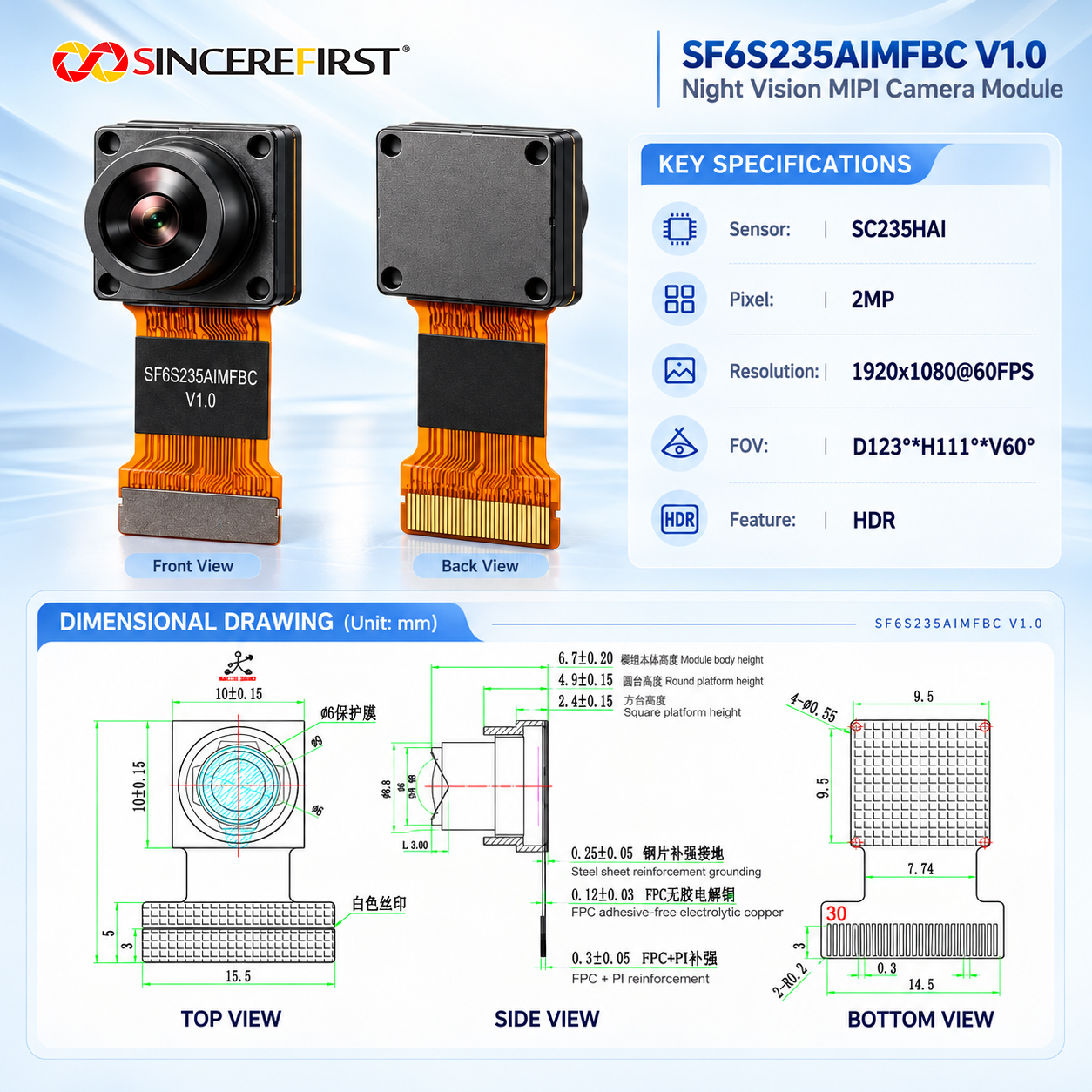
2MP MIPI camera module with SmartSens SC235HAI starlight CMOS sensor, 1920 × 1080 @ 60fps, SmartClarity®-3, Lightbox IR® NIR enhancement, HDR, 8/10bit RAW output, Manual Focus, D123° × H111° × V60° wide FOV and 30Pin Gold Finger interface.

—————————————————————————————–
Price is for reference only. Please contact us for the latest quotation.

+ −
  • Cost-Effective 2MP MIPI Camera Module for Low-Light and Wide-Area Imaging
    $1.00

    Request a Call Back

    • Cost-Effective 2MP MIPI Camera Module for Low-Light and Wide-Area Imaging

      $1.00

      Ask a Question

        ... people are viewing this right now

        Share

      Introduction

      Many embedded vision projects do not need a high-megapixel sensor. They need a camera that can handle low light, changing brightness and a wide scene without adding unnecessary image data and system cost.

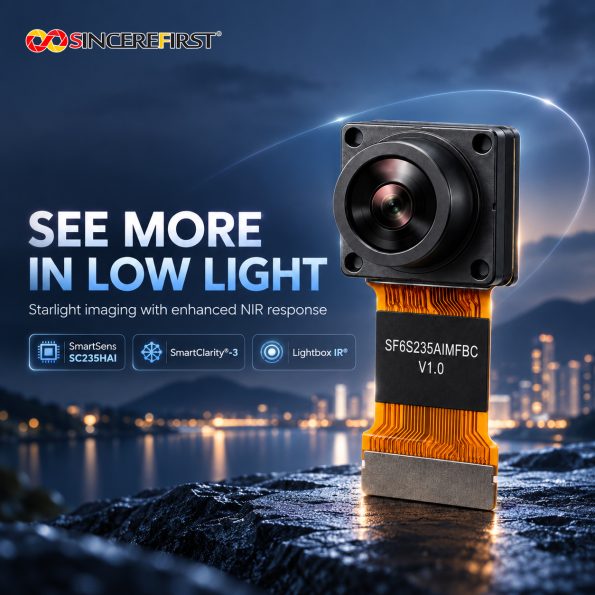
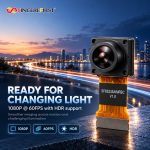
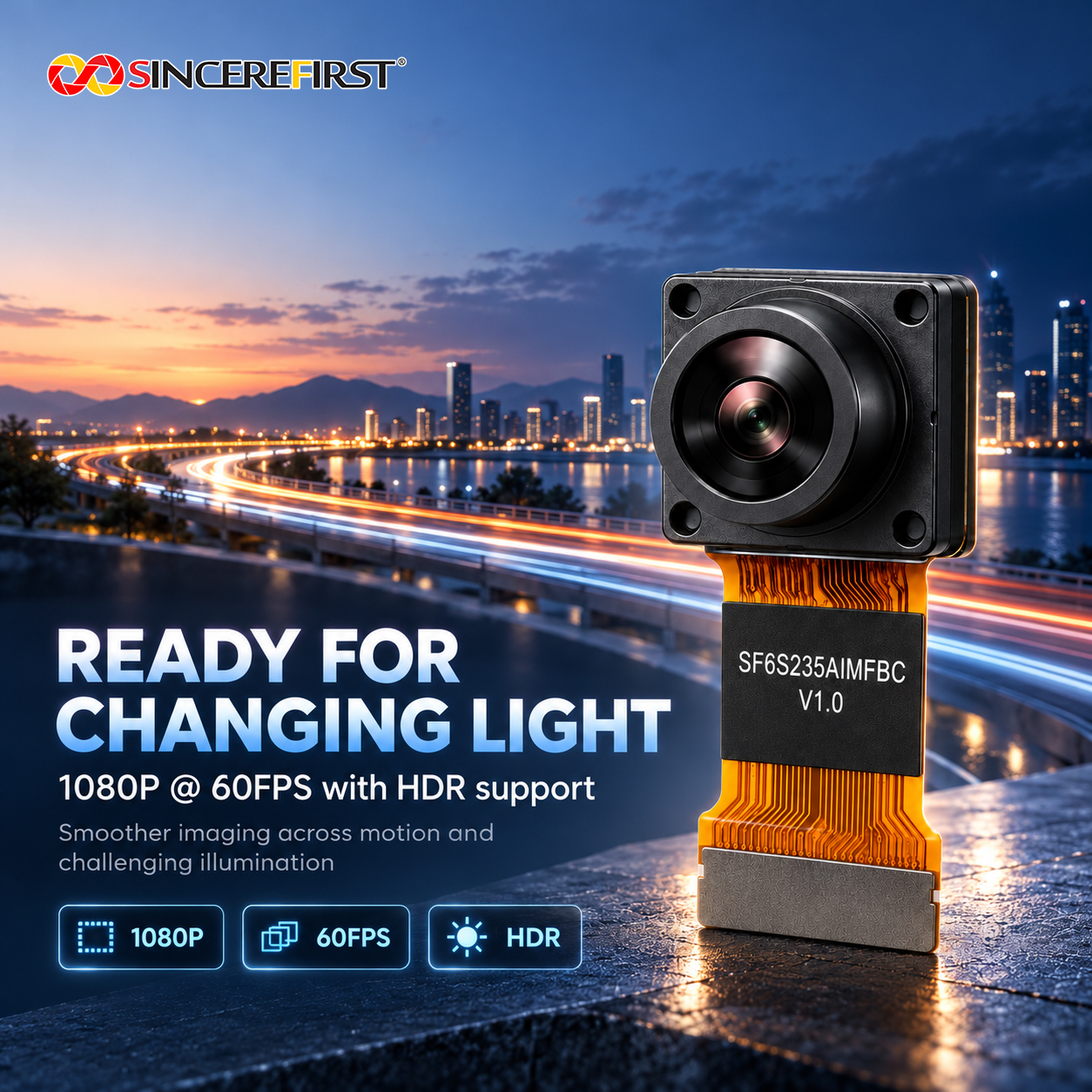
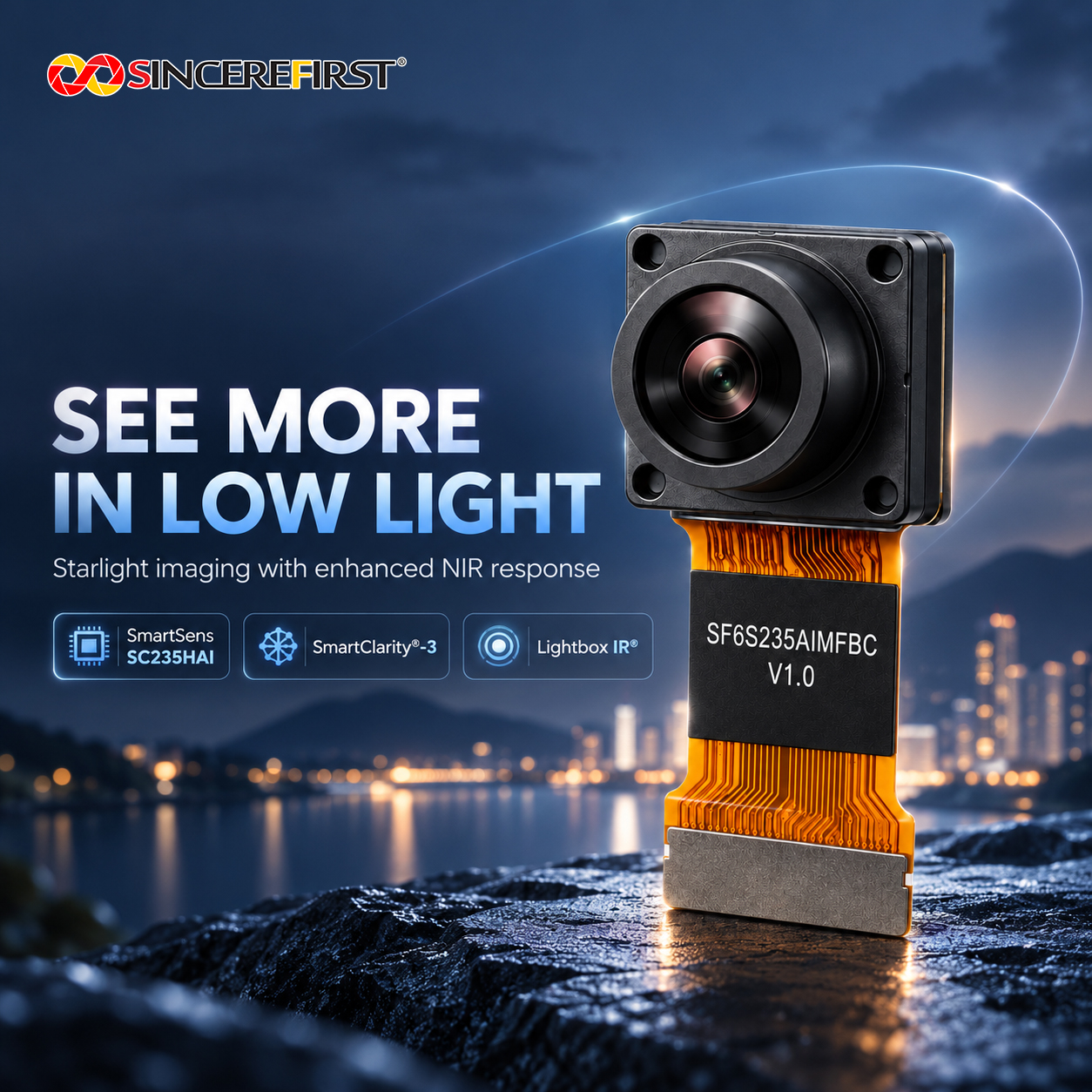
      This 2MP MIPI camera module is built around the SmartSens SC235HAI starlight-grade CMOS sensor. It combines 1920×1080@60fps, SmartClarity®-3, Lightbox IR® NIR enhancement and HDR, providing a practical imaging platform for devices that need to operate across different lighting conditions.

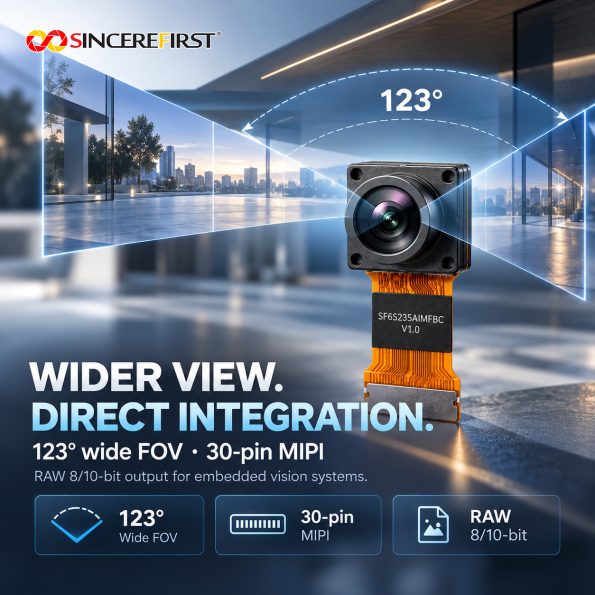
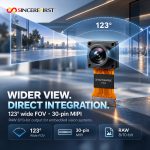
      A D123° wide-angle Fixed Focus lens expands scene coverage from a limited camera position, while RAW8/10 output keeps image processing under the control of the host ISP.

      The result is a balanced 2MP solution for projects that value low-light capability, HDR, wide coverage and controlled system cost more than simply increasing resolution.

      Applications in Real Devices

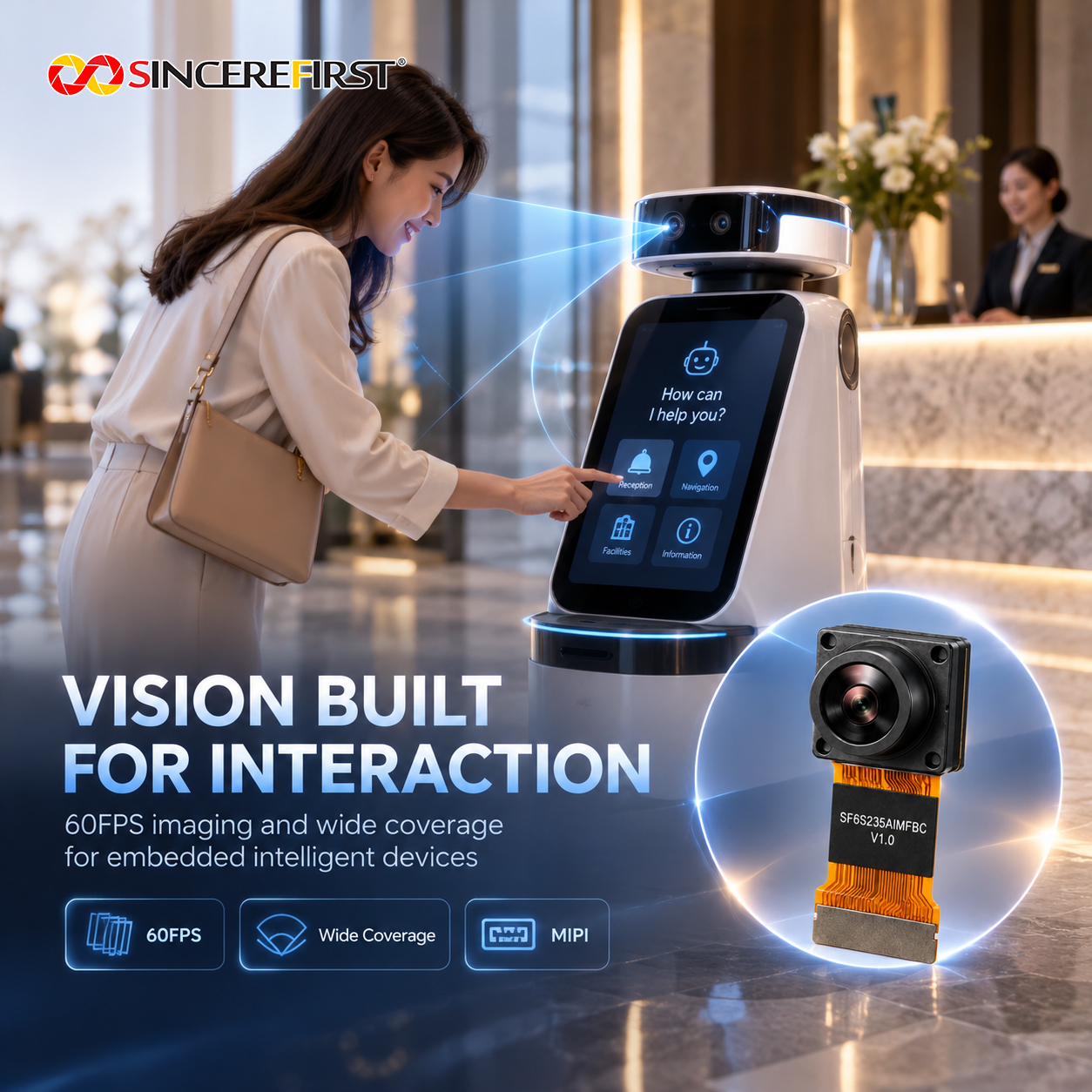
      Mobile Robots in Changing Lighting

      A mobile robot may move from a bright workspace into a dim corridor or operate after ambient light has dropped.

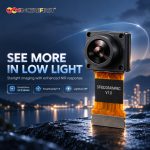
      The starlight-grade sensor and Lightbox IR® NIR enhancement provide a more suitable imaging direction for low-light and NIR-assisted operation, while 60fps supports smoother capture when the platform is moving.

      Indoor and Night-Time Smart Devices

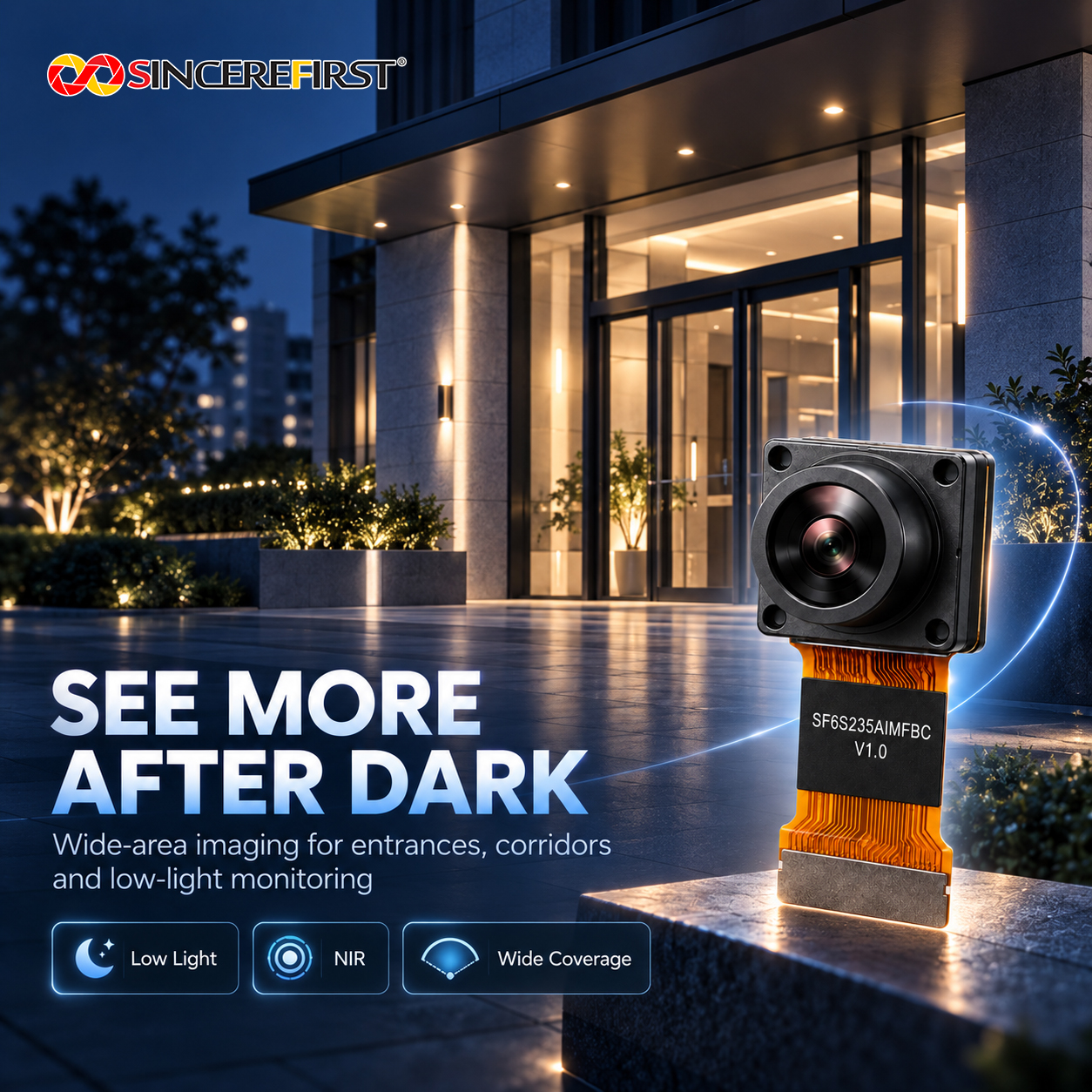
      Some smart devices need to remain visually aware after normal ambient lighting becomes insufficient.

      Instead of relying only on visible-light performance, the module can be evaluated with NIR illumination to support imaging under darker operating conditions.

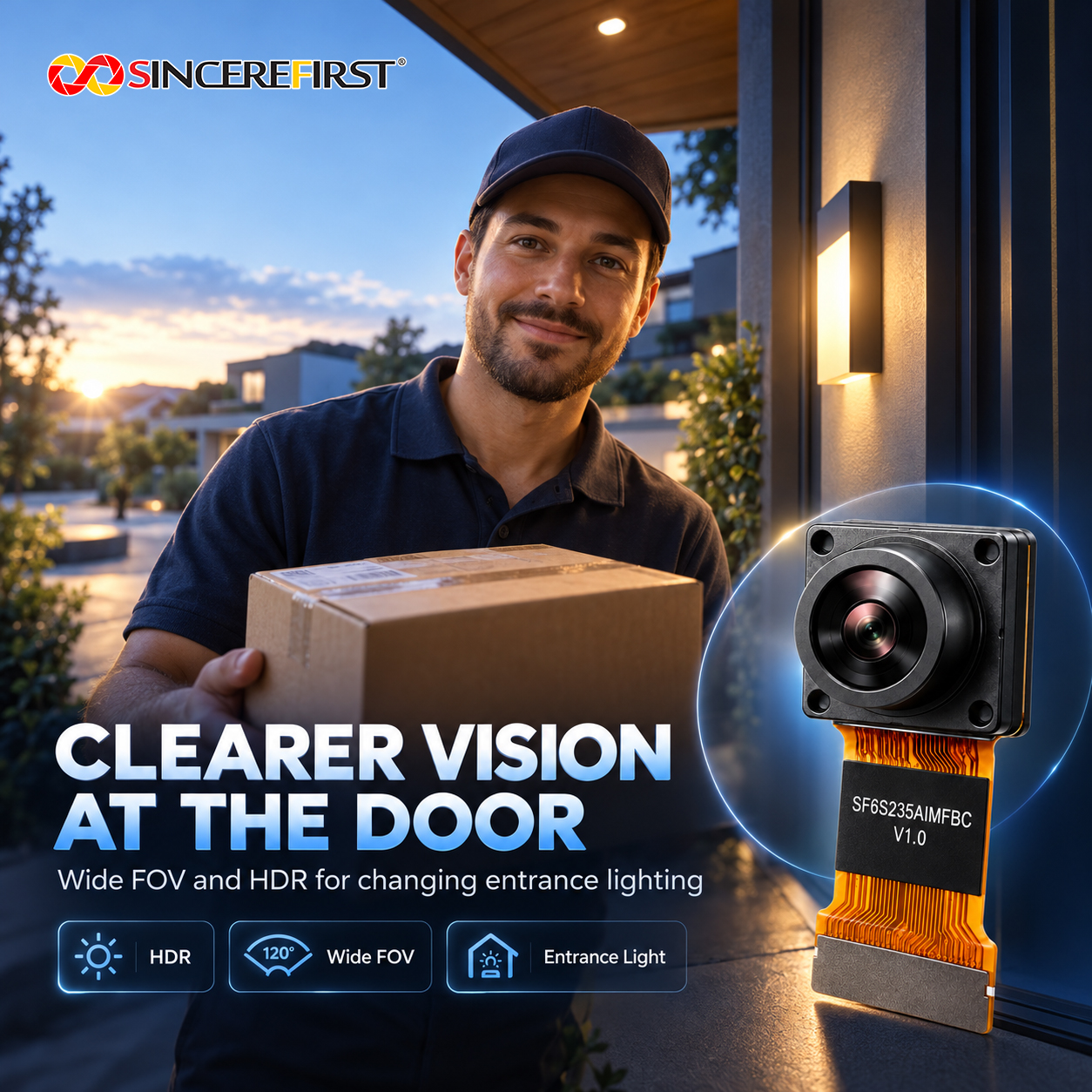
      High-Contrast Entrance and Monitoring Devices

      A camera facing a doorway, window or bright light source may capture strong highlights and dark areas in the same frame.

      HDR helps the imaging system handle these brightness differences more effectively than selecting resolution alone.

      Wide-Area Embedded Vision

      When mounting distance is limited, a narrow lens may leave important parts of the environment outside the image.

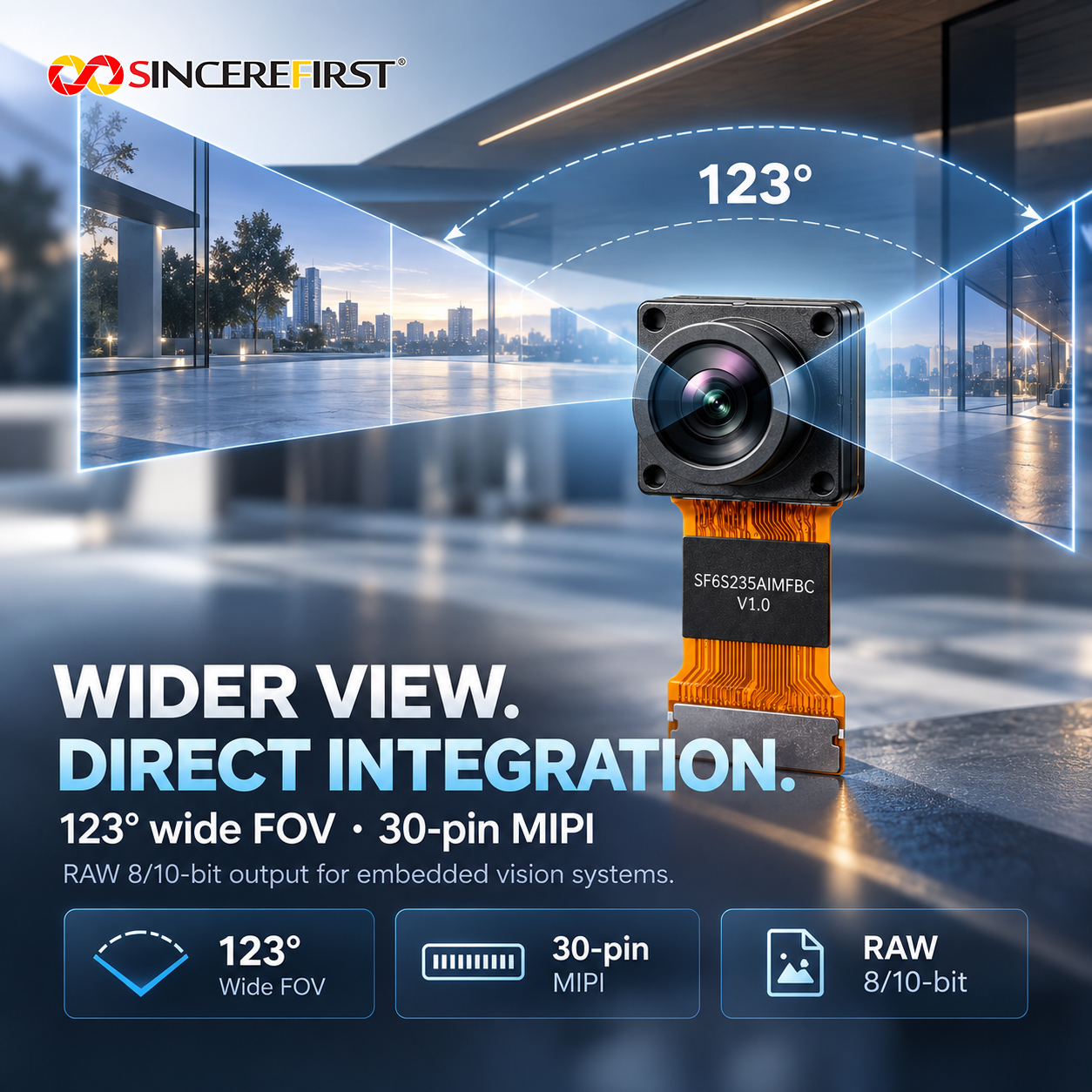
      The D123° diagonal and H111° horizontal FOV provide broader scene coverage from a single camera position.

      Project Evaluation Guide

      Consider This Model When

      • 2MP resolution provides enough target detail.

      • A cost-effective imaging platform is preferred over unnecessary high resolution.

      • The device may operate in low-light or night-time conditions.

      • NIR illumination is part of the system design.

      • HDR is required for scenes containing both bright and dark areas.

      • Broad scene coverage is important.

      • D123° FOV matches the installation geometry.

      • 1080P@60fps is useful for moving scenes.

      • The host supports MIPI and RAW8/10 processing.

      Confirm Before Sampling

      • Actual day and night illumination conditions.

      • Whether NIR illumination will be used.

      • NIR wavelength and illumination distance.

      • Required HDR scene conditions.

      • Target movement speed.

      • Required working distance.

      • Required scene width.

      • Smallest target detail that must remain visible.

      • Host processor and ISP.

      • MIPI lane and RAW8/10 compatibility.

      • Available camera-head and FPC space.

      Choosing This Model Within the Global Shutter Camera Module Series

      Choose this model when the project does not need very high resolution but still requires a strong combination of low-light imaging, HDR, wide FOV and 60fps motion performance.

      Its value is not simply that it is a 2MP MIPI camera.

      The more important selection logic is:

      2MP for controlled system resources
      Starlight + NIR for darker scenes
      HDR for uneven brightness
      D123° for wider coverage

      Compared with high-resolution MIPI modules, this configuration is better suited to applications where increasing megapixels would add data and processing requirements without solving the actual lighting or scene-coverage problem.

      Related Models

      SF-SAC0115OV-MONO-FPC V1.0
      Consider this model when monochrome global shutter, very small camera size and motion capture are more important than full-HD color scene imaging.

      SF-SC586-3A0
      Consider this model when wide-angle MIPI imaging is still required but the project needs substantially higher 48MP spatial detail.

      Key Specifications

      SpecificationDetails
      Product NameLow-Light Wide-Angle MIPI Camera
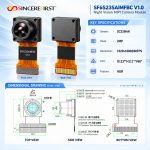
      ModelSF6S235AIMFBC V1.0
      SensorSmartSens SC235HAI CMOS
      Product DirectionCost-Effective Starlight Imaging
      Resolution2MP / 1920 × 1080
      Frame Rate1920 × 1080 @ 60fps
      Sensor Size1/2.9 inch
      Pixel Size2.8μm × 2.8μm
      SmartClarity®-3Supported
      Lightbox IR®NIR Enhancement
      HDRSupported
      Output FormatRAW 8-bit / 10-bit
      Focus TypeFixed Focus
      Lens Type1/2.9″ 6E
      EFL2.69mm
      ApertureF2.4
      Diagonal FOVD123°
      Horizontal FOVH111°
      Vertical FOVV60°
      TV Distortion<7%
      Lens CRA15.8°
      Sensor CRA15°
      Center Resolution≥800 TV Lines
      Corner Resolution≥600 TV Lines
      InterfaceMIPI
      MIPI Configuration2-Lane
      Connector30Pin Gold Finger
      Sensor I²C Address0x60(W) / 0x61(R)
      DVDD1.2V
      AVDD2.8V
      DOVDD1.8V
      Module ProcessCSP


      SincereFirst Customization

      Lens and Wide-Angle Coverage

      FOV can be evaluated according to the required scene width, mounting distance and target size when D123° captures either too much or too little of the application area.

      Low-Light and NIR Configuration

      IR filter, NIR illumination compatibility and optical configuration can be evaluated according to the required night-time environment, working distance and illumination wavelength.

      Focus and Working Distance

      The Fixed Focus position can be adjusted according to the real camera-to-target distance and required image detail.

      FPC and MIPI Integration

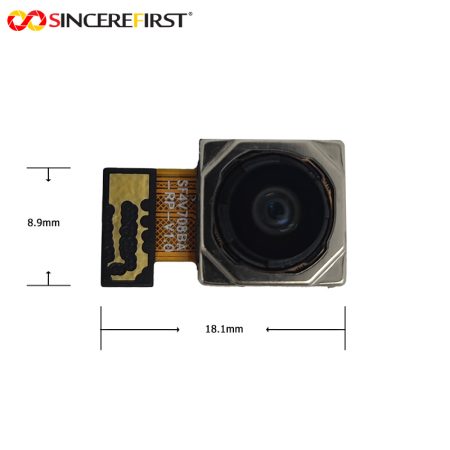
      FPC length, 30Pin definition, reinforcement structure, MIPI lane configuration and power requirements can be reviewed according to the host processor and internal mechanical layout.

      Final configuration should be validated with the actual host platform, enclosure, optics, software, and lighting environment before sampling.

      FAQ

      Why choose this 2MP module instead of a higher-resolution camera?

      If 1080P already provides enough target detail, higher resolution can add image data, ISP workload and system requirements without necessarily improving low-light performance, HDR handling or scene coverage.

      This model is more relevant when the project prioritizes a balanced combination of imaging capability and system cost.

      Can this camera be used for night-time imaging?

      The SC235HAI is a starlight-grade sensor and supports Lightbox IR® NIR enhancement, making it suitable for evaluation in low-light and NIR-assisted applications.

      Actual night performance depends on the complete optical and illumination system, so night-vision distance should be validated under the final device conditions.

      What is the difference between NIR enhancement and HDR?

      NIR enhancement helps when visible illumination is insufficient and the device uses near-infrared light.

      HDR addresses scenes where bright and dark areas exist at the same time.

      They solve different imaging problems and may both be useful in the same device.

      Why is the D123° lens useful for robotics?

      A wider FOV allows the camera to capture more of the surrounding path from one position.

      However, the wider scene also means each individual object occupies fewer pixels, so target size and required recognition detail should still be evaluated.

      Is 1080P@60fps necessary for every application?

      No.

      60fps is most useful when the camera or target moves quickly enough that additional temporal information improves the image task.

      For relatively static scenes, the host may not need to operate at the maximum frame rate.

      Can the camera connect directly to any 30Pin MIPI host?

      No.

      The host must match the 30Pin definition, voltage rails, MIPI lane architecture, sensor clock, I²C control and RAW8/10 processing requirements.

      Request Project Evaluation

      If your project needs a cost-effective 2MP camera that must see wider, operate under lower light and handle high-contrast scenes, provide the working distance, required viewing area, day/night lighting conditions, NIR illumination, target movement and host processor.

      SincereFirst can evaluate whether the standard D123° + Starlight + NIR + HDR configuration matches the project or whether the lens, focus or optical filtering should be adjusted.

      Send Inquiry

        Close
        Close My Cart
        Close Recently Viewed
        Close
        Close
        Categories