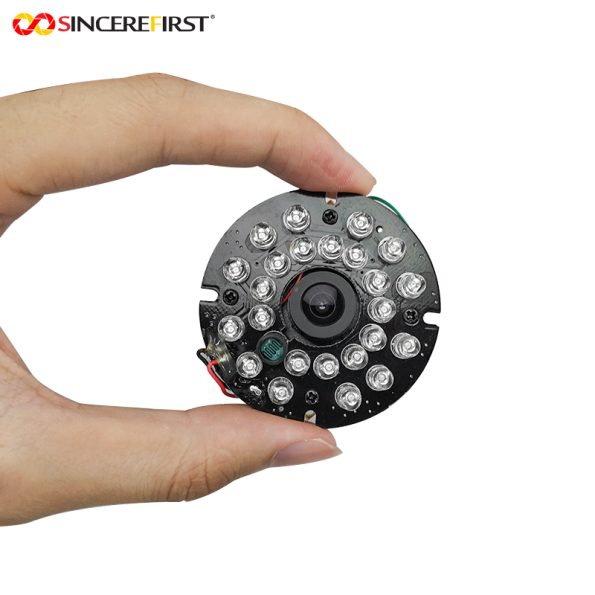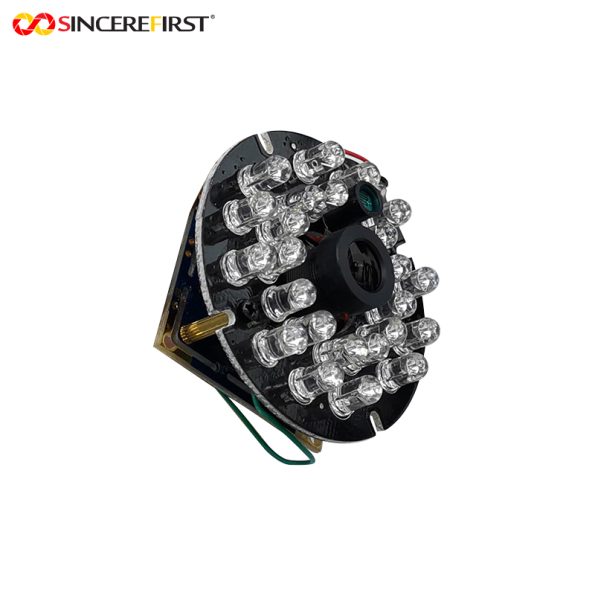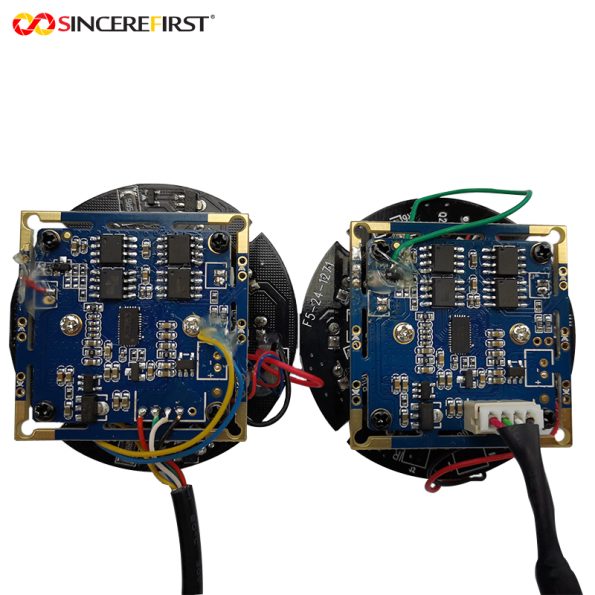

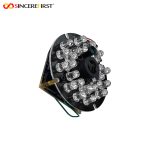
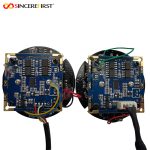
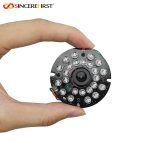
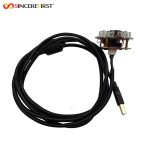


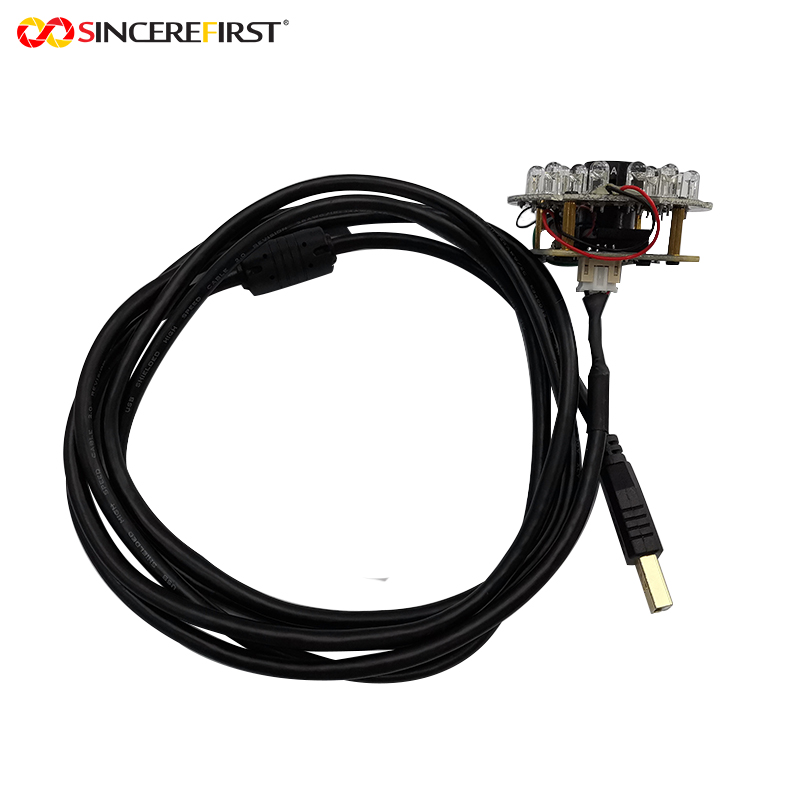


High-Speed Global Shutter IPC Camera Module for Motion Capture and Network Imaging

$1.00

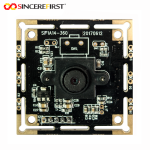
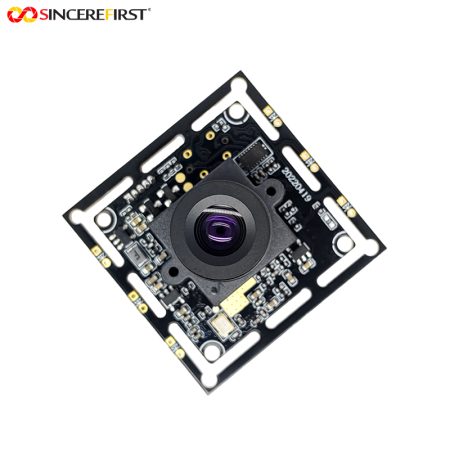
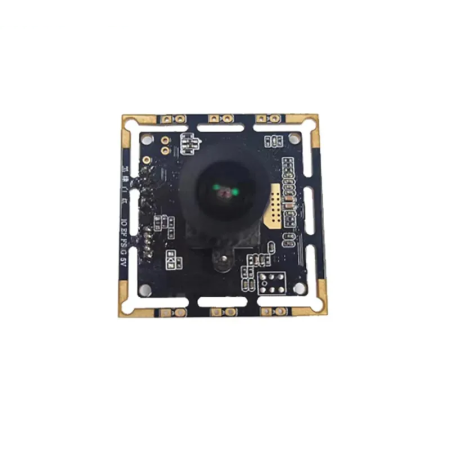
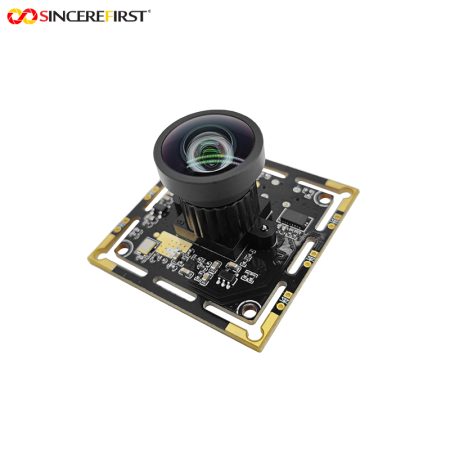
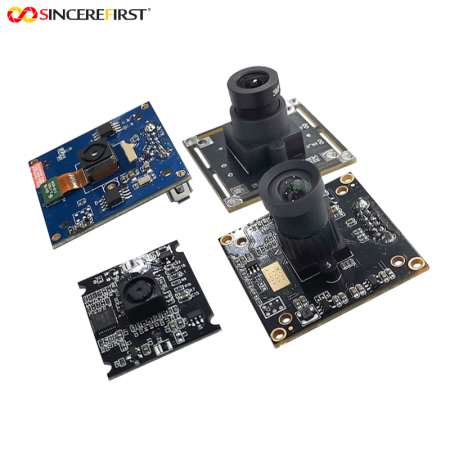
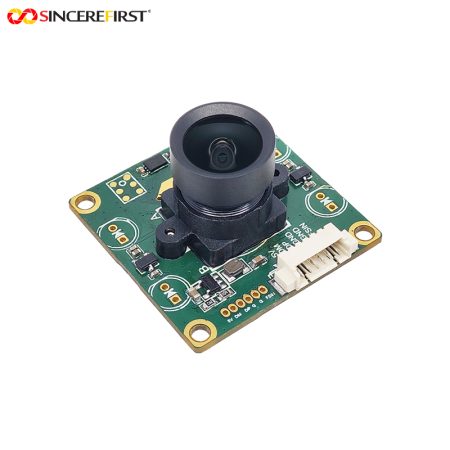
1.3MP Global Shutter IPC camera module with 1/2.7-inch CMOS sensor, 1280 × 1024 up to 190fps or 640 × 480 up to 500fps, H.264 encoding, RTSP support, Ethernet interface and 38 × 38mm PCBA.

—————————————————————————————–
Price is for reference only. Please contact us for the latest quotation.

+ −
  • High-Speed Global Shutter IPC Camera Module for Motion Capture and Network Imaging
    $1.00

    Request a Call Back

    • High-Speed Global Shutter IPC Camera Module for Motion Capture and Network Imaging

      $1.00

      Ask a Question

        ... people are viewing this right now

        Share

      Introduction

      Fast-moving targets create a different camera-selection problem from ordinary monitoring. The system does not only need an image—it needs enough frame rate to capture how the target changes between moments, while the host architecture must still handle transmission, storage and processing.

      This IPC camera module combines a 1.3MP imaging platform with high-speed output up to 1280×1024@190fps or 640×480@500fps, together with embedded H.264 compression and network streaming.

      Unlike a conventional USB camera module that sends video directly to a host PC, this design integrates a 32-bit ARM processor, Linux system, Ethernet networking, storage interfaces and RTSP support, making it more suitable for standalone or network-connected imaging equipment.

      Applications in Real Devices

      High-Speed Motion Observation

      Fast mechanical movement can change significantly between ordinary 30fps frames.

      The 190fps and 500fps operating directions provide more temporal samples for observing rapid motion, making the module relevant to equipment where movement sequence matters more than conventional live viewing.

      Industrial Process Monitoring

      Production equipment may need to record fast events while also sending the video across a network.

      The combination of high-speed imaging, H.264 encoding and Ethernet/RTSP provides a more integrated direction than using a separate camera plus external video encoder.

      Machine Motion and Equipment Analysis

      For mechanisms, moving components or repetitive processes, higher frame rate can help reveal short-duration events that may be missed by standard video.

      The network architecture also allows captured video to be viewed or processed from another system rather than only locally.

      Networked Embedded Vision Equipment

      Systems that need camera capture, local processing, TF storage and remote access can use the IPC architecture as a more complete imaging subsystem instead of treating the camera as a simple image sensor peripheral.

      Project Evaluation Guide

      Consider This Model When

      • Fast-moving targets need substantially more than 30fps.
      • 1280×1024@190fps or 640×480@500fps matches the motion task.
      • Global shutter architecture is required.
      • H.264 compressed video is preferred.
      • Ethernet or RTSP streaming is part of the system.
      • Local TF storage is useful.
      • A standalone Linux-based camera architecture is preferred.
      • A 38×38mm IPC board fits the available space.

      Confirm Before Sampling

      • Target speed and motion direction.
      • Smallest detail that must remain visible.
      • Required resolution versus frame-rate trade-off.
      • Whether 190fps or 500fps is the actual operating mode.
      • Lens FOV and working distance.
      • Network bandwidth.
      • H.264 bitrate and recording duration.
      • Local TF storage requirement.
      • Host/network protocol requirements.
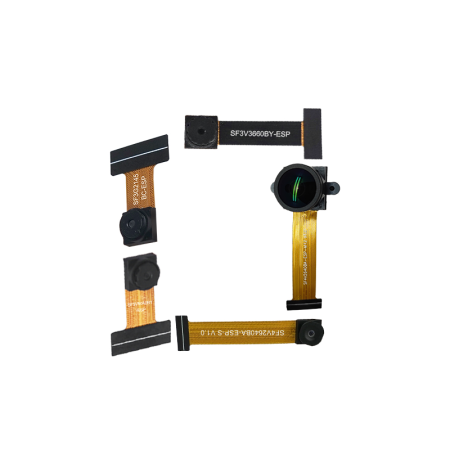
      • Sensor-board interface selection.
      • Required power supply and thermal conditions.

      Choosing This Model Within the USB Camera Module Series

      This model represents the high-speed global-shutter IPC direction.

      Choose it when the device needs both fast image capture and a complete embedded network-video architecture.

      Compared with conventional USB camera modules, it is not simply another interface version. It adds its own processor, Linux system, H.264 encoding, network protocols, Ethernet connection, TF storage and additional I/O.

      Its strongest selection advantage is therefore the combination of:

      High-Speed Capture + Embedded Processing + Network Streaming

      rather than megapixel count alone.

      Related Models

      For this page, adjacent models should ideally be other IPC camera modules that provide either:

      • lower frame rate with higher resolution;
      • different sensor formats;
      • different network or encoding architecture.

      I would not use the previous USB camera models as Related Models here because the system architecture is fundamentally different. Once the adjacent IPC model numbers are confirmed, they should replace this placeholder with two real comparisons.

      Key Specifications

      SpecificationDetails
      Product NameHigh-Speed IPC Camera Module
      ModelSF1.3A142GS-N
      Camera TypeIPC Camera Module
      Shutter DirectionGlobal Shutter*
      Sensor1.3MP CMOS
      Sensor Size1/2.7 inch
      Pixel Size4.0μm × 4.0μm
      Sensor TechnologyBSI
      Main Stream 11280 × 1024 @ 190fps
      Main Stream 2640 × 480 @ 500fps
      Sub Stream 11280 × 1024 @ 30fps
      Sub Stream 2640 × 480 @ 30fps
      Video CompressionH.264
      Audio CompressionG.711 / AAC
      Audio ProcessingAEC / ANR / AGC
      Main ControlEmbedded 32-bit ARM
      CPU ArchitectureA7 / FPU / NEON
      CPU Frequency1GHz
      DDR2Gb Built-in
      Flash16MB
      Operating SystemLinux
      Minimum IlluminationColor 0.03Lux @ F1.2 / B&W 0.01Lux @ F1.2
      SNR>42dB, AGC Off
      WDRDigital WDR >70dB
      NetworkEthernet
      StreamingRTSP
      Network ProtocolsTCP/IP, UDP, RTP, RTSP, HTTP, DNS, DHCP, FTP, NTP, PPPOE, RTMP
      StorageTF Card up to 256GB
      Wi-Fi ExpansionUSB Interface to Wi-Fi Module
      Sensor Interface 1MIPI / DVP / BT656
      Sensor Interface 2MIPI
      Serial InterfaceDebug and Communication UART
      Audio / I/OAudio In / Audio Out / Reset / Alarm I/O / GPIO
      Power InputDC 4.5–16V
      Power ConsumptionApprox. 2.8W
      PCBA SizeApprox. 38 × 38 × 21mm
      Operating Temperature-20°C to +70°C
      Working Humidity<90% RH

      SincereFirst Customization

      Sensor and High-Speed Imaging

      Resolution, frame-rate direction and sensor-board configuration can be evaluated according to target speed, required image detail and capture conditions.

      Lens and Working Distance

      Lens FOV, focal length and working distance can be evaluated according to the motion area, target size and camera installation position.

      Network and Video Streaming

      H.264 streaming, RTSP operation, Ethernet configuration and network protocol requirements can be reviewed according to the target monitoring, recording or remote-access architecture.

      Interface and System Integration

      Sensor interface, UART, audio I/O, alarm I/O, GPIO, TF storage and Wi-Fi expansion requirements can be evaluated according to the complete embedded system.

      Final configuration should be validated with the actual host platform, enclosure, optics, software, and lighting environment before sampling.

      FAQ

      When does 500fps provide useful value over 190fps?

      500fps provides more temporal samples for very fast events, but it operates at the lower 640×480 resolution.

      If target detail is more important than maximum temporal resolution, 1280×1024@190fps may be the better direction.

      Is this mainly a monitoring camera or a machine vision camera?

      Its architecture supports both high-speed imaging and network video functions.

      Whether it is used for monitoring, motion analysis or another embedded imaging task depends on the target, frame-rate requirement and host workflow.

      Why use H.264 on a high-speed camera?

      High frame rates generate much more video data.

      H.264 compression can reduce transmission and storage load compared with sending uncompressed frames continuously.

      Does RTSP mean the video can be viewed remotely?

      RTSP provides a standard network streaming direction.

      Actual remote viewing still depends on the network architecture, player/client software and final system configuration.

      Can it store video locally?

      The module provides a TF card interface supporting storage up to 256GB according to the specification. 

      Actual recording duration depends on bitrate, frame rate and video settings.

      Does the module support Wi-Fi?

      The main board provides a USB interface intended for a Wi-Fi module. 

      This should be treated as a Wi-Fi expansion direction rather than assuming Wi-Fi hardware is included as standard.

      Request Project Evaluation

      If your project needs high-speed image capture combined with H.264 network streaming, share the target speed, required resolution, smallest visible detail, working distance, network bandwidth and recording requirements.

      SincereFirst can help evaluate whether the project should prioritize 1280×1024@190fps or 640×480@500fps, and how the sensor, lens and IPC architecture should be configured.

      Send Inquiry

        Close
        Close My Cart
        Close Recently Viewed
        Close
        Close
        Categories