
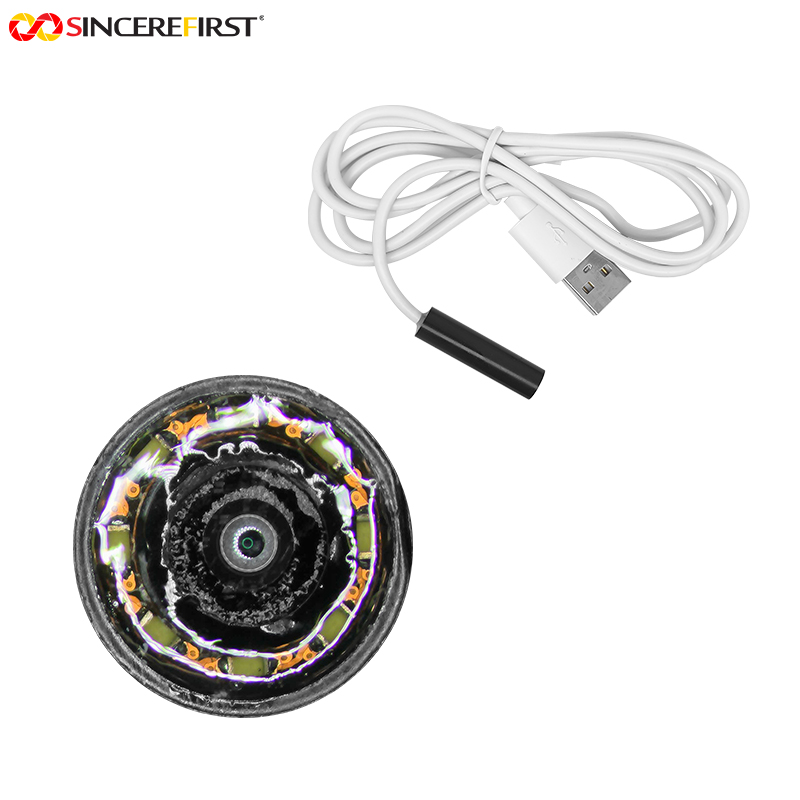


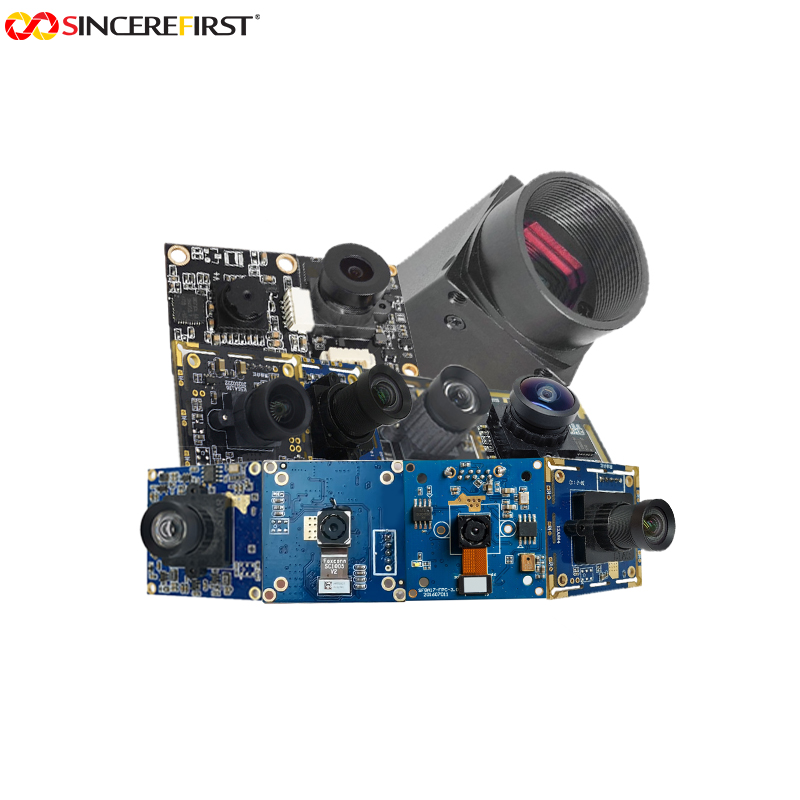

4K Camera Module Series for Embedded, Industrial, and Smart Imaging Devices

Explore SincereFirst 4K camera modules across MIPI FPC and USB integration directions. Compare real-device requirements, host processing, frame rate, optics, structure, and project evaluation needs.

  • 4K Camera Module Series for Embedded, Industrial, and Smart Imaging Devices
    Request a Call Back

    •  Send Inquiry

      4K Camera Module Series for Embedded, Industrial, and Smart Imaging Devices

      Ask a Question

        ... people are viewing this right now

        Share

      Introduction

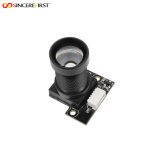
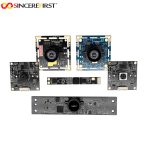
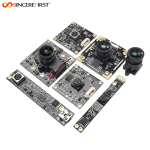
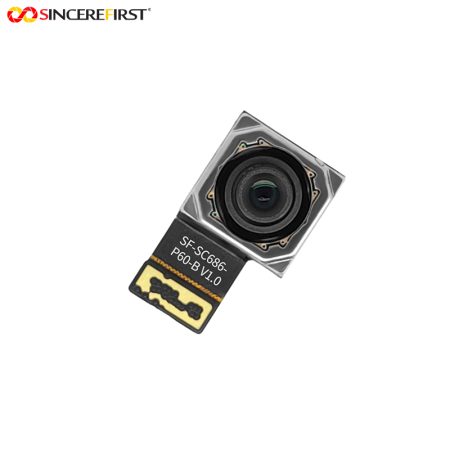
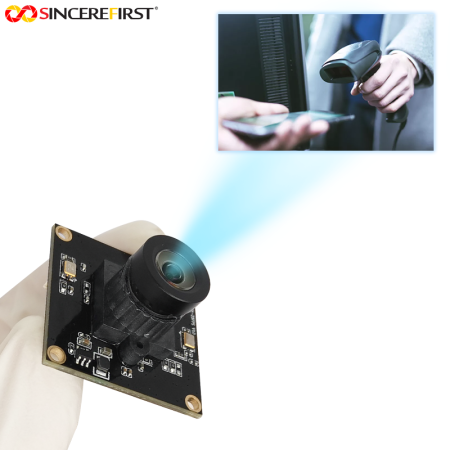
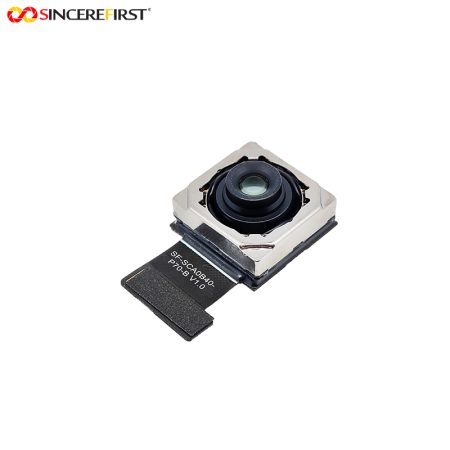
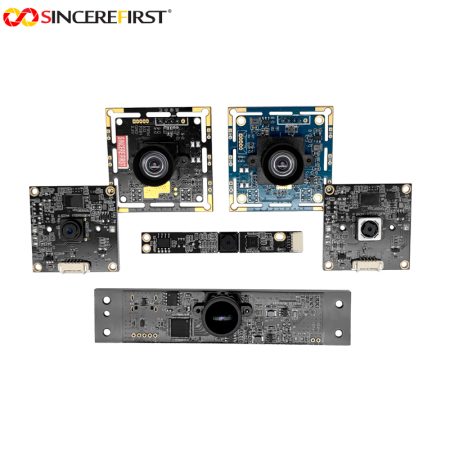
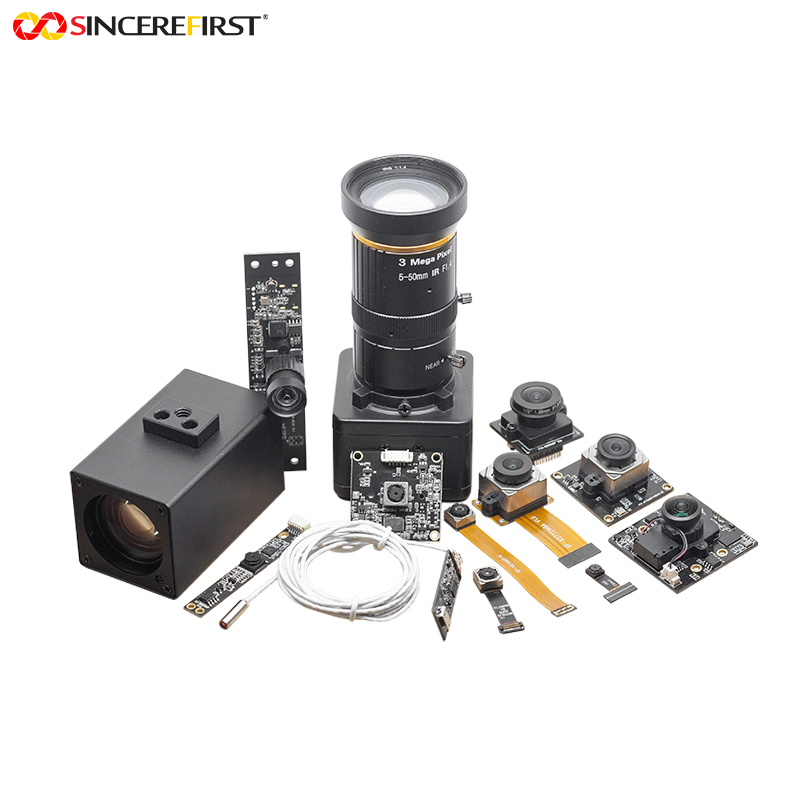
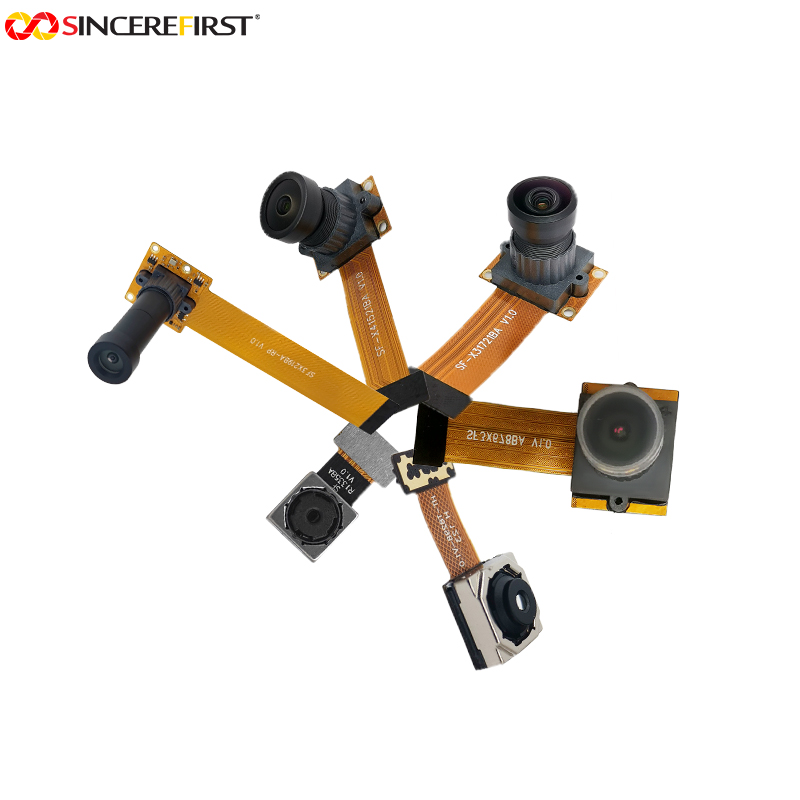
      SincereFirst 4K Camera Module Series brings together MIPI FPC and USB camera modules for devices that need higher image detail, 4K video, and application-specific integration. The series includes RAW MIPI modules for host-side ISP processing, USB modules for UVC-based workflows, 4K@15fps to 4K@60fps options, autofocus and Fixed Focus configurations, wide-FOV directions, and USB-plus-HDMI models. A 4K label alone does not define project suitability; interface, output format, frame rate, host processing, optics, enclosure, and lighting should be evaluated together.

      Applications in Real Devices

      Embedded AI and Smart Devices

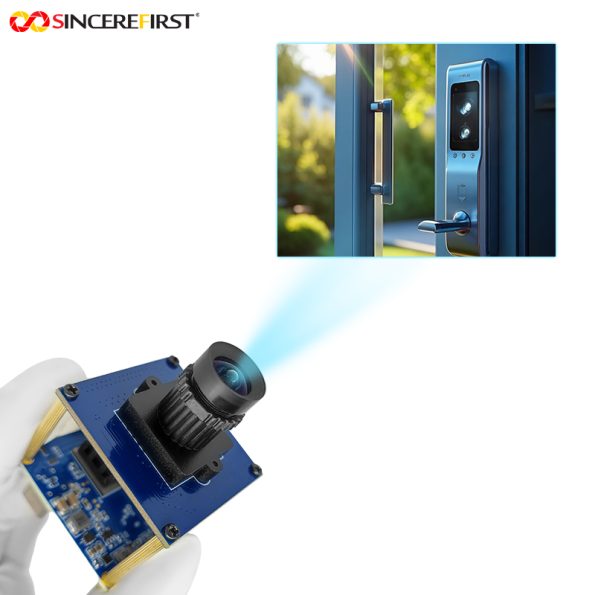
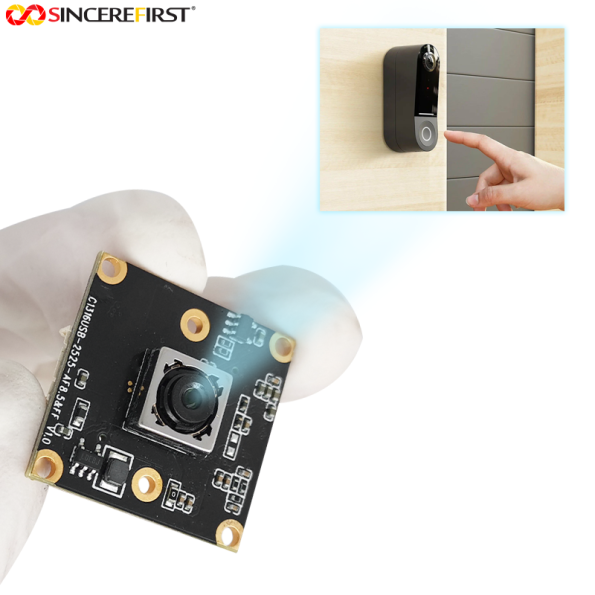
      Embedded devices may use 4K image data for scene understanding, object analysis, event detection, or high-detail recording. MIPI FPC models are relevant when the host controls RAW processing and internal camera placement; USB models are relevant when the device uses a UVC-based host workflow.

      Industrial and Inspection Equipment

      Inspection devices may need 4K detail for surface review, object checking, measurement support, or documentation. The required frame rate, focus type, lens, working distance, output format, and mechanical structure depend on whether the target is stationary, moving, close, or changing in distance.

      Robotic and Mobile Vision Systems

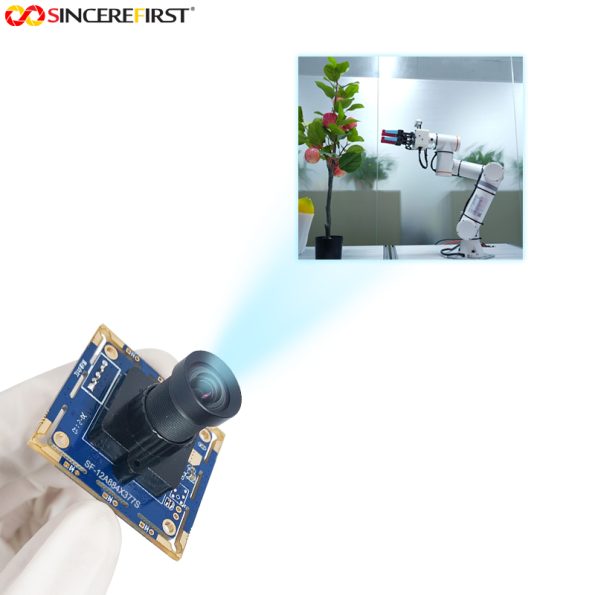
      Robotic devices may need wide environmental coverage, higher frame rate, low latency, or host-side image processing. The final configuration should be evaluated with motion, exposure, bandwidth, processing load, enclosure, and the target lighting environment.

      Professional Recording and Monitoring Devices

      Recording and monitoring devices may prioritize 4K detail, compressed output, direct display, autofocus, or wide scene coverage. USB 3.0, H.264, HDMI, and different optical directions create different system-level workflows.

      How to Choose the Integration Direction

      Choose MIPI FPC for Internal Embedded Integration

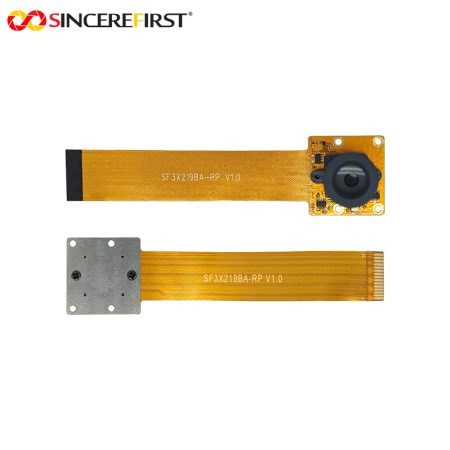
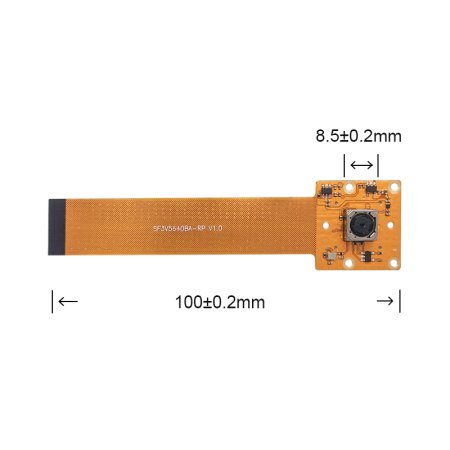
      Consider the 4K MIPI FPC direction when the camera is integrated inside a compact device, the host provides a compatible MIPI interface, and RAW image processing or ISP control is handled on the processor.

      Choose USB for Host-Connected Evaluation and Deployment

      Consider the 4K USB direction when the device uses USB 2.0 or USB 3.0, a UVC workflow, host-side software, compressed formats, or a more direct connection to a PC or embedded host.

      Select Frame Rate by the Visual Task

      4K@15fps, 25fps, 27fps, 30fps, and 60fps serve different motion and processing requirements. The selected output format may change the available frame rate.

      Confirm Optics and Structure Before Sampling

      FOV, focus type, working distance, lens height, board shape, FPC layout, connector, cable, and enclosure opening can change whether the standard configuration is useful in the final device.

      Explore the Series

      Series Direction

      When to Consider It

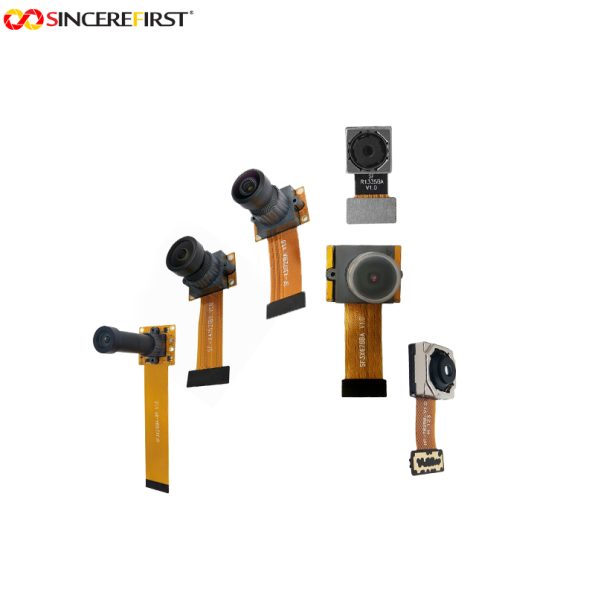
      4K MIPI FPC Camera Module Series

      Compact internal integration, RAW output, host-side ISP, flexible FPC placement.

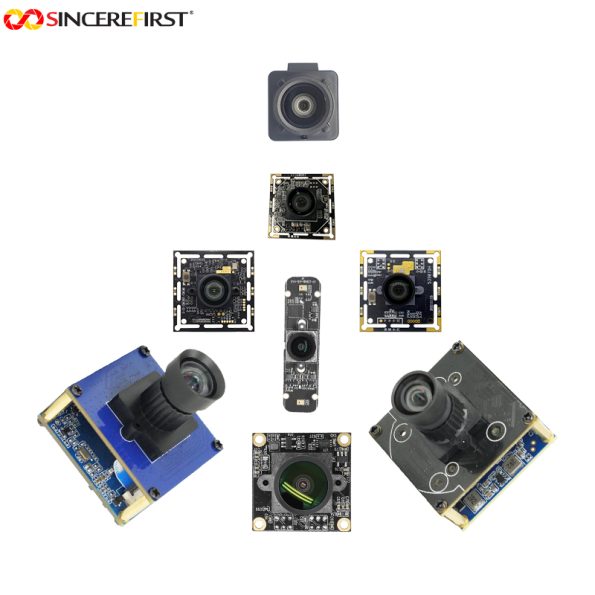
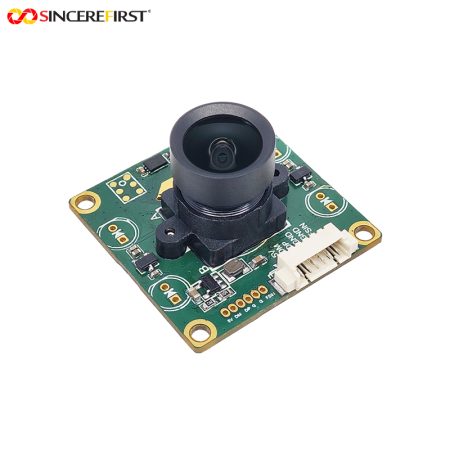
      4K USB Camera Module Series

      USB 2.0 / USB 3.0, UVC workflow, MJPG / YUY2 / H.264, Type-C, and HDMI directions.

      Featured Models

      Model

      Sensor

      Product Direction

      Reason to Consider

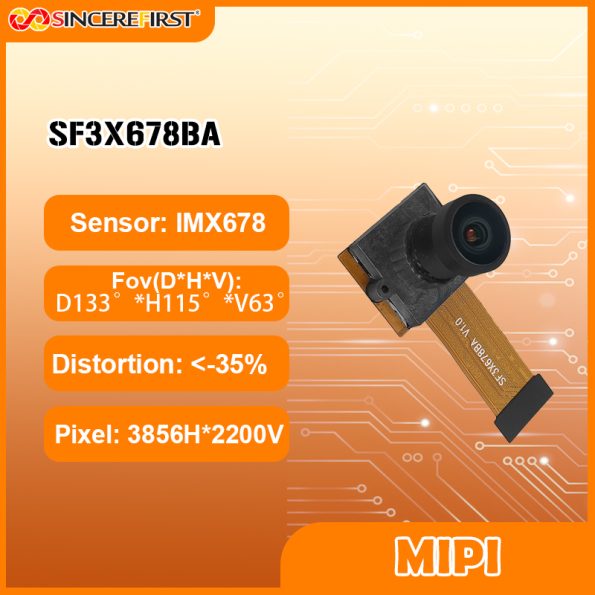
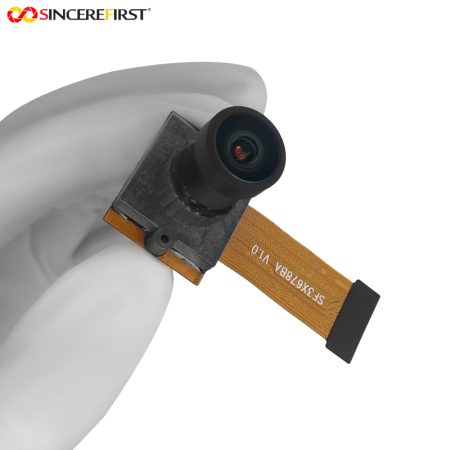
      SF3X678BA V1.0

      IMX678

      4K MIPI FPC, D133° standard lens

      Wide RAW image input for embedded AI devices; D200° or wider lens evaluation available.

      SF-X41521BA V1.0

      IMX415

      4K@60fps MIPI FPC

      High-frame-rate RAW input with wide H129° coverage.

      SF8A987-88

      IMX678

      4K@60fps USB 3.0

      MJPG / H.264 4K@60fps for high-speed host-connected workflows.

      SF8A625-88

      IMX415

      4K@60fps USB 3.0

      4K@60fps plus 1080p@60fps with multiple output formats.

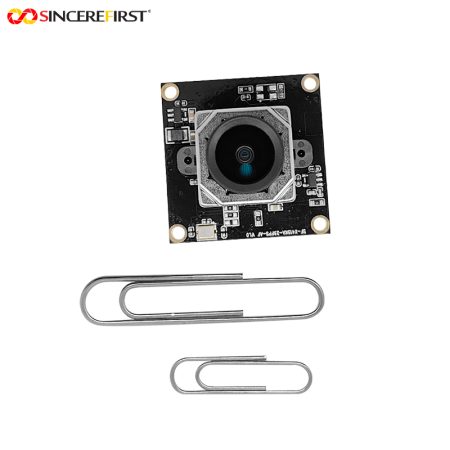
      SF-C1316USB-2525-AF-D78 V1.0

      IMX298

      16MP compact USB

      25 × 25mm, PDAF, VCM Autofocus, 4K@15fps.

      SF-SQ8A987-86

      IMX678

      USB 3.0 + HDMI

      Multi-interface 4K@30fps direction for host capture and direct display.

      SincereFirst Customization

      Sensor and Output Direction

      Sensor, resolution, output format, frame rate, RAW or compressed workflow, and host-side processing requirements can be evaluated according to the visual task.

      Lens, FOV, and Focus

      Fixed Focus, VCM Autofocus, PDAF, wide-angle, low-distortion, working distance, and D200° or wider optical directions can be discussed where confirmed.

      Interface and Mechanical Integration

      MIPI, USB 2.0, USB 3.0 Type-C, HDMI, FPC, BTB, board shape, connector, cable, and enclosure requirements can be evaluated.

      Sample Validation

      The final configuration should be tested with the actual host, enclosure, optics, lighting, software, and operating mode before production decisions.

      FAQ

      How should I choose between 4K MIPI FPC and 4K USB?

      Choose MIPI FPC when the device has a compatible embedded host and needs RAW or internal integration. Choose USB when a UVC-based host workflow and more direct connection are required.

      Does every 4K module provide the same frame rate?

      No. The confirmed models range from 4K@15fps to 4K@60fps, and the output format may change the available frame rate.

      Is 4K alone enough to select a model?

      No. Interface, host processing, focus, FOV, working distance, output format, board structure, and enclosure are also required for useful evaluation.

      What information should be provided?

      Provide the device, visual task, host platform, interface, resolution and frame rate, output format, working distance, FOV, lighting, enclosure, and quantity.

      Evaluate a 4K Camera Module for Your Device

      Share the device, host, interface, target mode, working distance, FOV, lighting, and enclosure limits for evaluation before sampling.

      Send Inquiry

        Close My Cart
        Close Recently Viewed
        Close
        Close
        Categories