
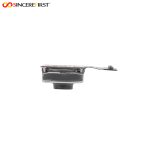
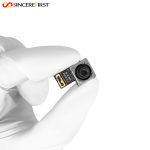
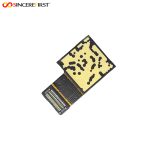
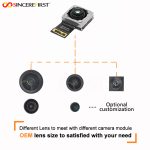
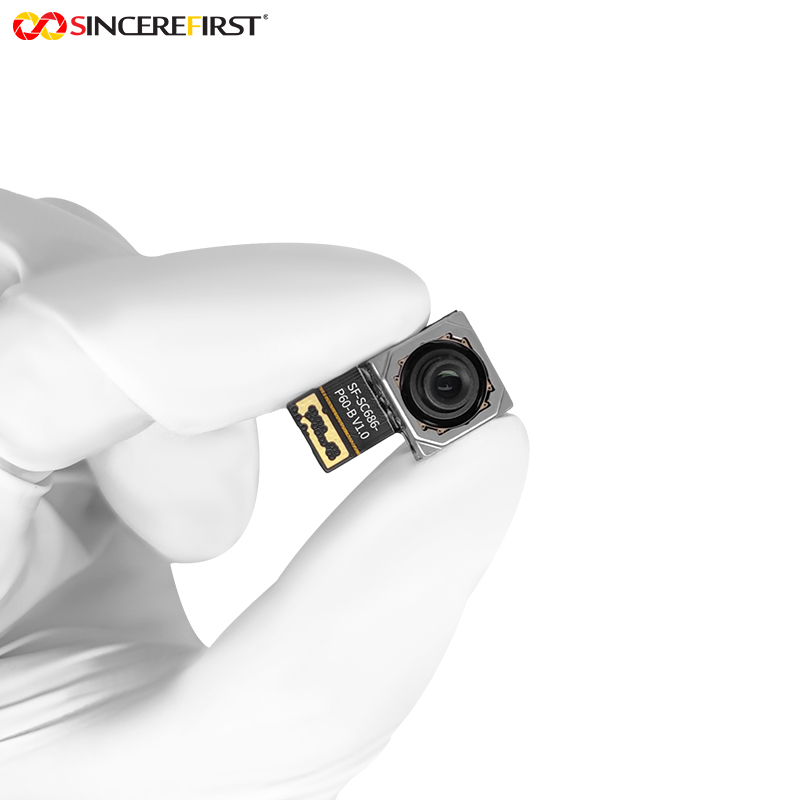
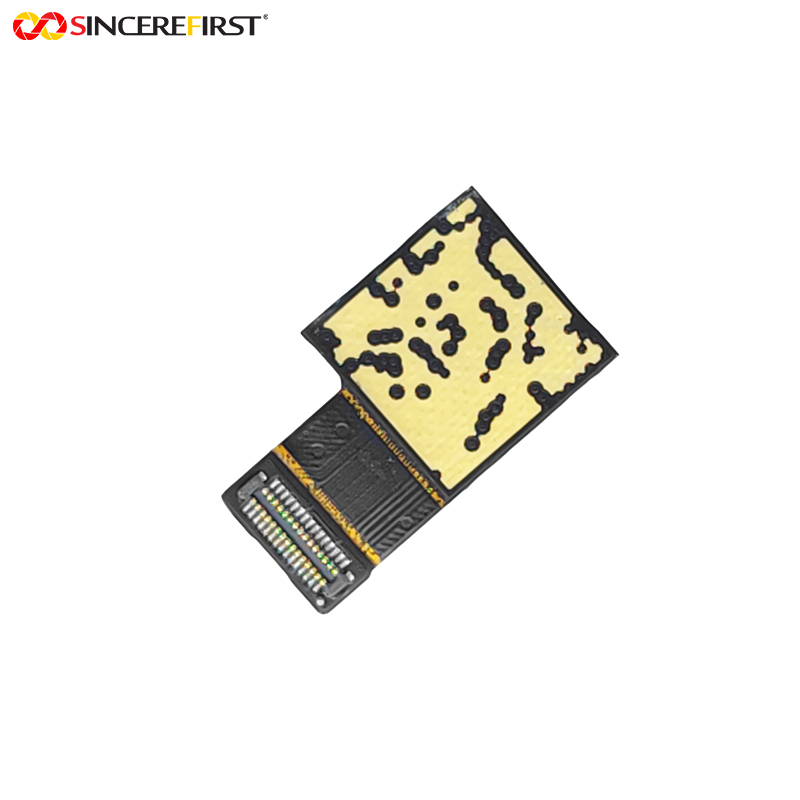
64MP C-PHY MIPI Camera Module for Portable and Smart Imaging Devices

$1.00

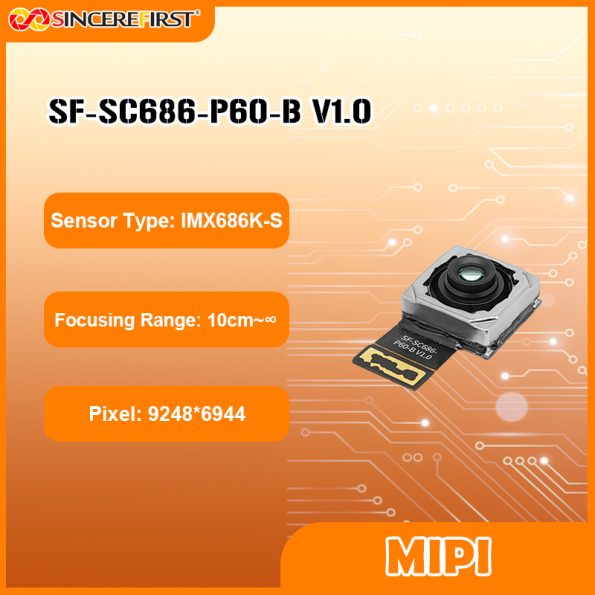
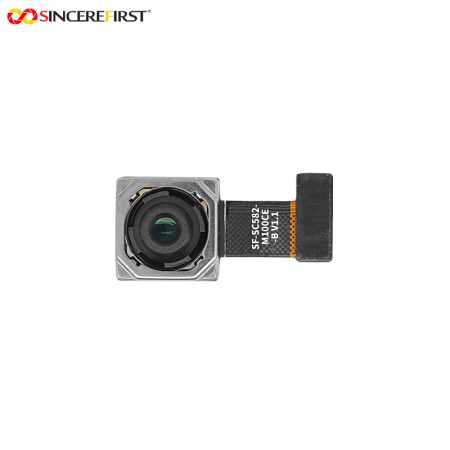
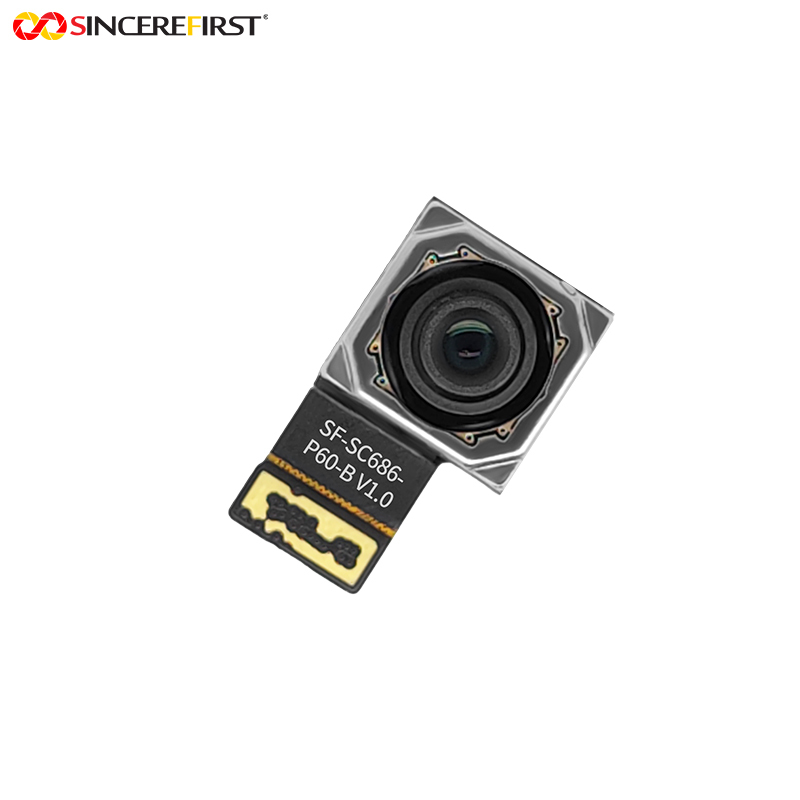
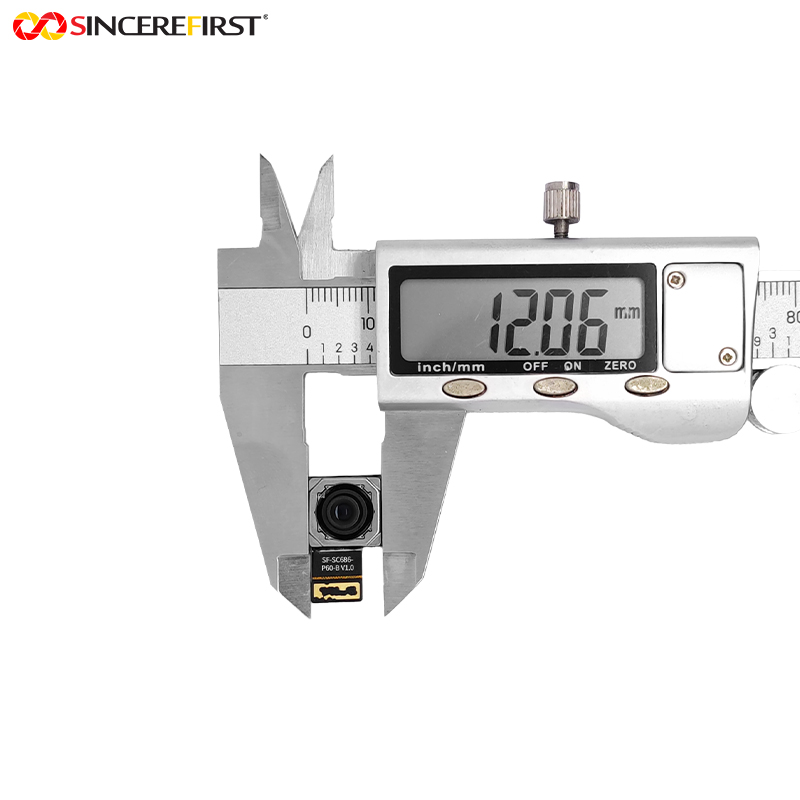
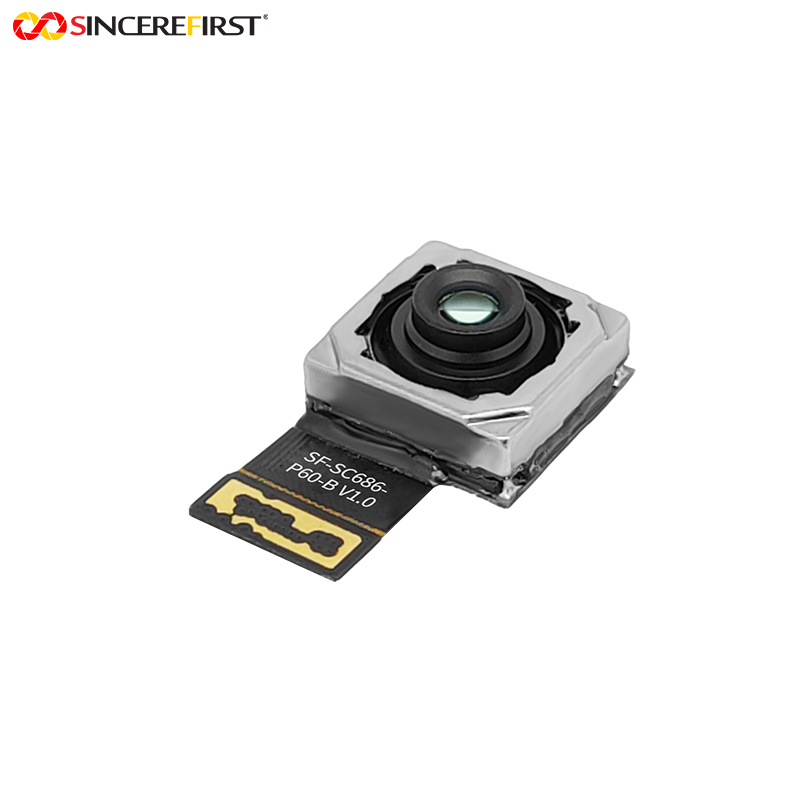
64MP C-PHY MIPI camera module with Sony IMX686 sensor, VCM Autofocus, 4-in-1 pixel, PDAF, HDR, RAW output, D79.8° FOV and 30Pin BTB interface.

—————————————————————————————–
Price is for reference only. Please contact us for the latest quotation.

+
  • 64MP C-PHY MIPI Camera Module for Portable and Smart Imaging Devices
    $1.00

    Request a Call Back

    • 64MP C-PHY MIPI Camera Module for Portable and Smart Imaging Devices

      $1.00

      Ask a Question

        ... people are viewing this right now

        Share

      Introduction

      Portable and smart imaging devices may need to capture fine details while the target distance changes during normal use. In this situation, increasing resolution alone is not enough—the optical system also needs enough focusing flexibility and the host platform must be able to handle the image data efficiently.

      This camera module combines a 64MP sensor platform, VCM Autofocus and C-PHY MIPI integration, providing a direction for devices that need high-detail capture without relying on a fixed working distance.

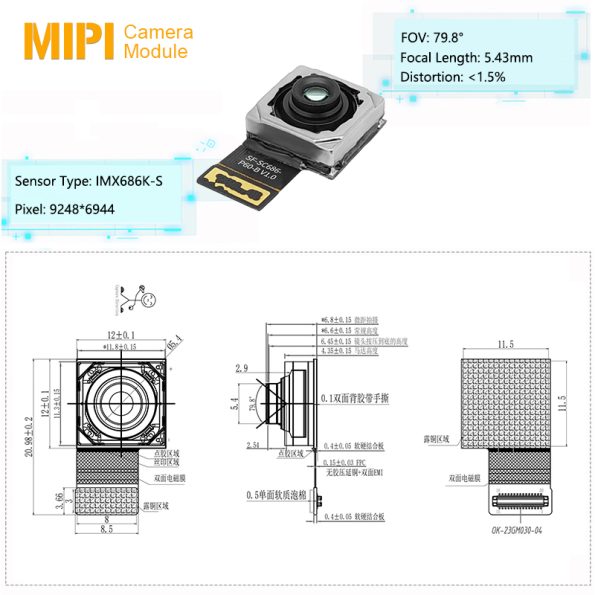
      The optical configuration uses a 6P lens with 5.43mm EFL, F1.89 aperture and D79.8° field of view, while the documented focus range is 10cm to infinity.

      Applications in Real Devices

      Portable Inspection Devices

      Portable inspection equipment may be used at different distances from components, labels or surfaces.

      Autofocus provides more flexibility when the operator cannot maintain one fixed working distance, while 64MP imaging preserves additional detail for later inspection or cropping.

      Smart Capture Terminals

      Terminals used to capture products, documents or objects may encounter different target sizes and positions during operation.

      The combination of high-resolution imaging and Autofocus is useful when the device needs to adapt without requiring manual refocusing.

      Compact Product Imaging Equipment

      Devices that need detailed product, sample or component images can benefit from a higher-resolution sensor when small visual features must remain visible.

      The moderate D79.8° viewing direction also avoids spreading the image across an excessively wide scene.

      C-PHY-Based Embedded Devices

      For products already designed around a C-PHY camera architecture, direct MIPI integration provides a more appropriate route than converting the camera into a USB peripheral.

      Host support, ISP capability and connector definition should be confirmed early in the project.

      Project Evaluation Guide

      Consider This Model When

      • 64MP image detail is required.
      • Target distance changes during operation.
      • VCM Autofocus is needed.
      • PDAF and HDR are relevant to the imaging design.
      • A moderate field of view is preferred over ultra-wide coverage.
      • The host platform supports C-PHY MIPI.
      • A 30Pin BTB connection fits the hardware design.

      Confirm Before Sampling

      • Host processor C-PHY support.
      • IMX686 driver and ISP resources.
      • Required working-distance range.
      • Smallest target detail that must remain visible.
      • Required field of view.
      • 30Pin connector definition and FPC compatibility.
      • Whether 64MP capture or 4K30 is the primary operating requirement.

      Choosing This Model Within the 8K Camera Module Series

      This model represents the 64MP C-PHY Autofocus direction within the 8K Camera Module Series.

      Choose this direction when the project needs more native detail than the 48MP/50MP models while retaining Autofocus and a moderate field of view.

      Its main distinction from the D-PHY 64MP alternatives is the C-PHY host architecture, so platform compatibility should be treated as a primary selection condition rather than an afterthought.

      Related Models

      IMX686 64MP D-PHY Autofocus MIPI – SF-OCX686H66

      Consider this model when the project requires the same IMX686 resolution direction but the host platform uses D-PHY rather than C-PHY.

      OV64B40 64MP D-PHY MIPI – SF-OC64B40-L709S-B

      Consider this model when a 64MP configuration is still required but the project prefers the OV64B40 sensor platform and a 24Pin D-PHY architecture.

      Key Specifications

      SpecificationDetails
      Product Name64MP C-PHY Camera Module
      ModelSF-SC686-P60-B V1.0
      SensorSony IMX686 CMOS
      Resolution64MP / 9248 × 6944
      4K Video3840 × 2160 @ 30fps
      Sensor Size1/1.73 inch
      Pixel Size0.8μm × 0.8μm
      Pixel Technology4-in-1 Pixel
      PDAFSupported
      HDRSupported
      Output FormatRAW
      Focus TypeVCM Autofocus
      Focus Range10cm–Infinity
      Lens Structure6P
      EFL5.43mm
      ApertureF1.89
      Field of ViewD79.8°
      TV Distortion<1.5%
      InterfaceC-PHY MIPI
      Connector30Pin BTB
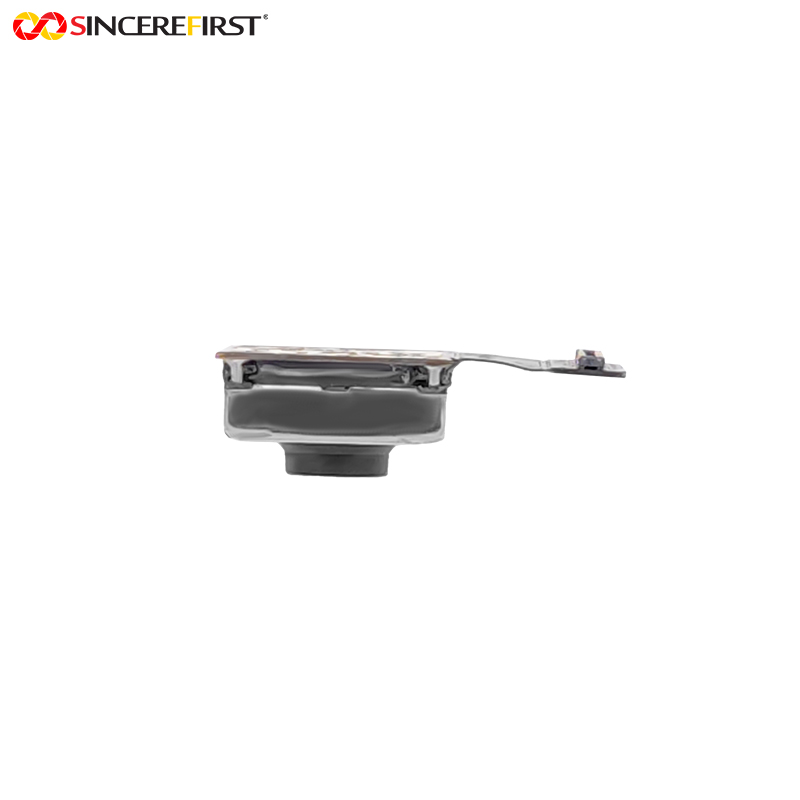
      Module ProcessCOB


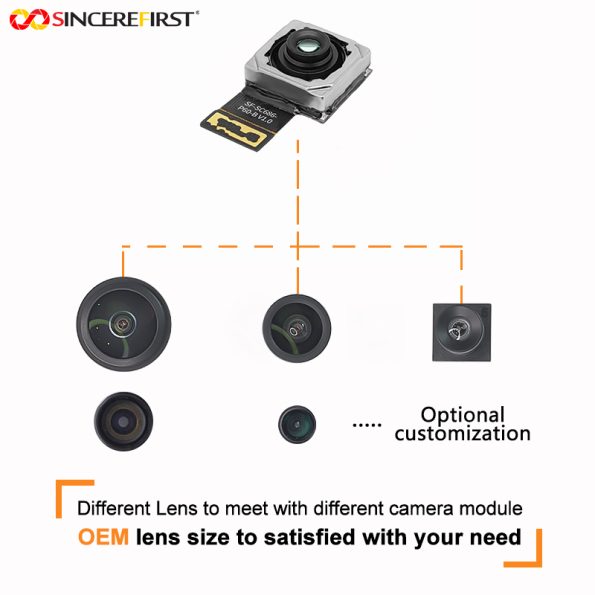
      SincereFirst Customization

      Lens and Viewing Range

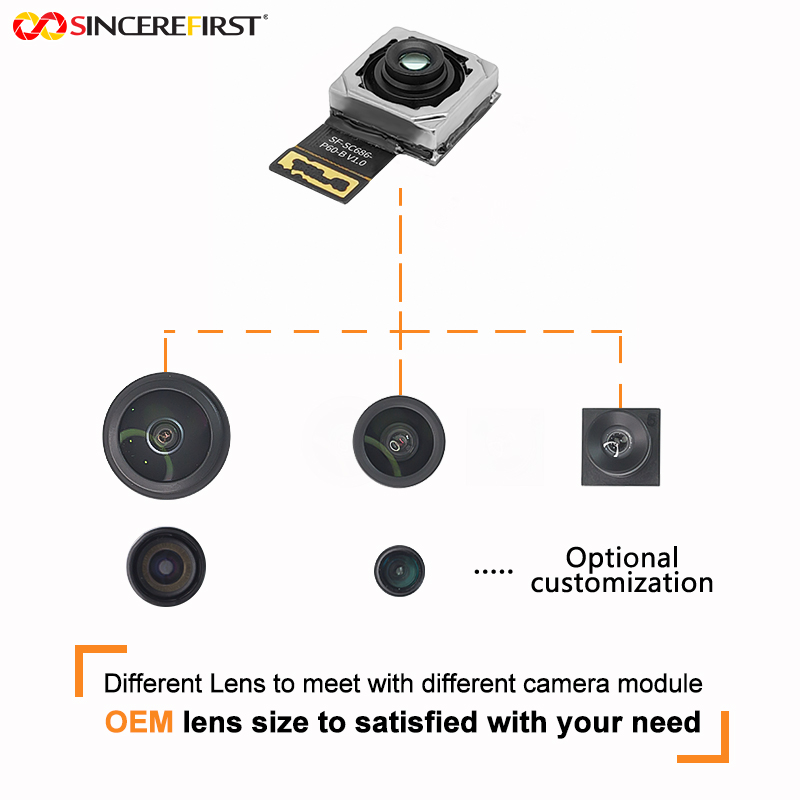
      Lens parameters can be evaluated according to target size, working distance and the amount of surrounding scene that needs to remain visible.

      Autofocus Behavior

      Focus behavior can be reviewed according to the real operating-distance range, target characteristics and required capture workflow.

      FPC and C-PHY Integration

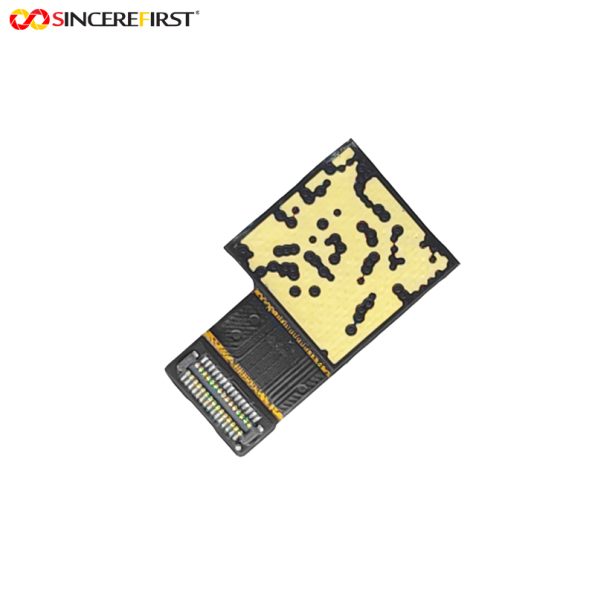
      FPC routing, 30Pin connector definition and C-PHY interface requirements can be evaluated against the target processor and available internal space.

      ISP and Image Pipeline

      Sensor driver, RAW processing, PDAF control and image tuning requirements can be reviewed according to the host ISP and final image-quality target.

      Final configuration should be validated with the actual host platform, enclosure, optics, software, and lighting environment before sampling.

      FAQ

      When does moving from 50MP to 64MP actually provide useful value?

      It provides value when the target contains small details that remain optically resolvable and the host can process the additional image data. If lens resolution, target size or output requirements are already the limiting factor, the higher pixel count may provide little practical benefit.

      Should I choose this C-PHY version or a D-PHY IMX686 module?

      Start with the host processor. If the platform is designed for C-PHY, this configuration may provide the more direct integration route. A D-PHY module should be evaluated when that is the interface supported by the host.

      Is a 30Pin C-PHY module interchangeable with another 30Pin MIPI camera?

      No. Pin count does not prove compatibility. Pin assignment, power rails, C-PHY configuration, sensor control and host driver support must all match.

      What should be checked before relying on Autofocus from 10cm to infinity?

      The actual target contrast, lighting, capture speed and host Autofocus implementation should be validated. A documented focusing range does not guarantee identical focusing behavior under every device condition.

      Is this a better choice than an ultra-wide 64MP camera for recognition tasks?

      That depends on the target. A moderate FOV keeps the target larger within the frame, while an ultra-wide lens captures more surrounding scene. If recognition depends on fine target detail, target pixel occupancy may matter more than maximum scene coverage.

      What should be verified before the host board is finalized?

      Confirm C-PHY support, sensor driver availability, 30Pin definition, power requirements, ISP resources and the mechanical relationship between the lens, FPC and enclosure before locking the PCB design.

      Request Project Evaluation

      If your device needs 64MP detail with Autofocus on a C-PHY platform, share the host processor, working-distance range, target size, required FOV and 30Pin interface conditions.

      SincereFirst can evaluate whether this C-PHY configuration fits the imaging and hardware architecture before sampling.

      Evaluate This Module for Your Device

      Share your  host processor, DPHY MIPI requirements, 24Pin connector conditions, ISP capability, working distance, required FOV and mechanical limitations. SincereFirst can evaluate whether the OV64B40 24Pin Autofocus configuration matches the device before sampling.

      Send Inquiry

        Close
        Close My Cart
        Close Recently Viewed
        Close
        Close
        Categories