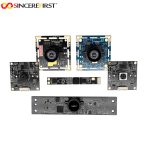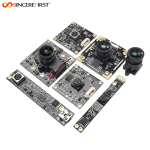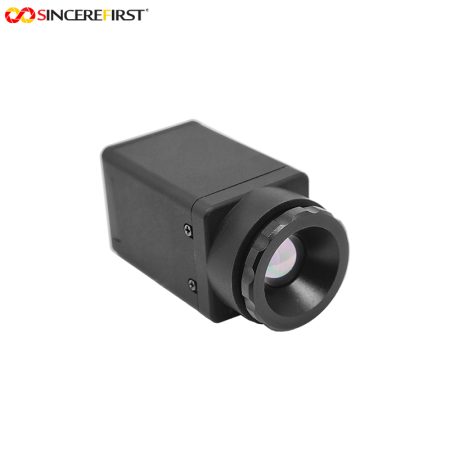






Compact H.264 USB Camera Module for Embedded Video Devices

$1.00

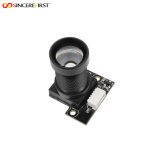
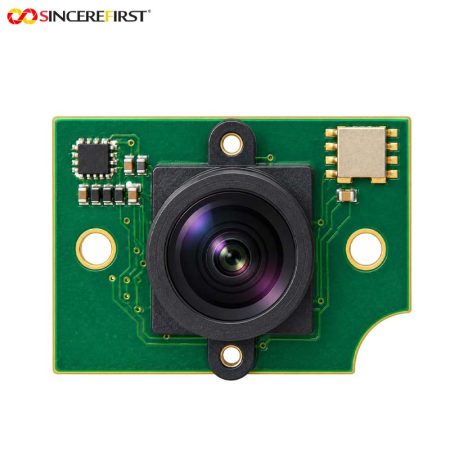
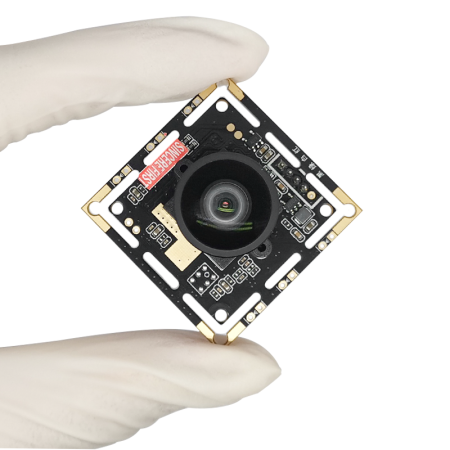
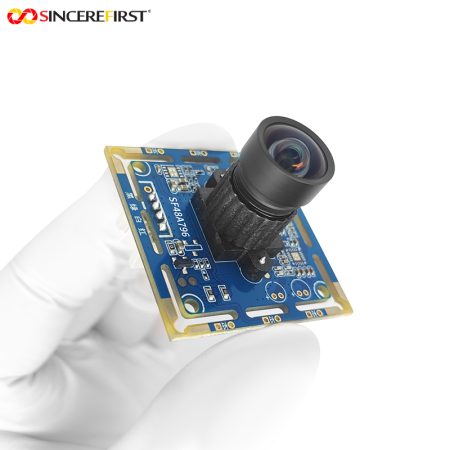
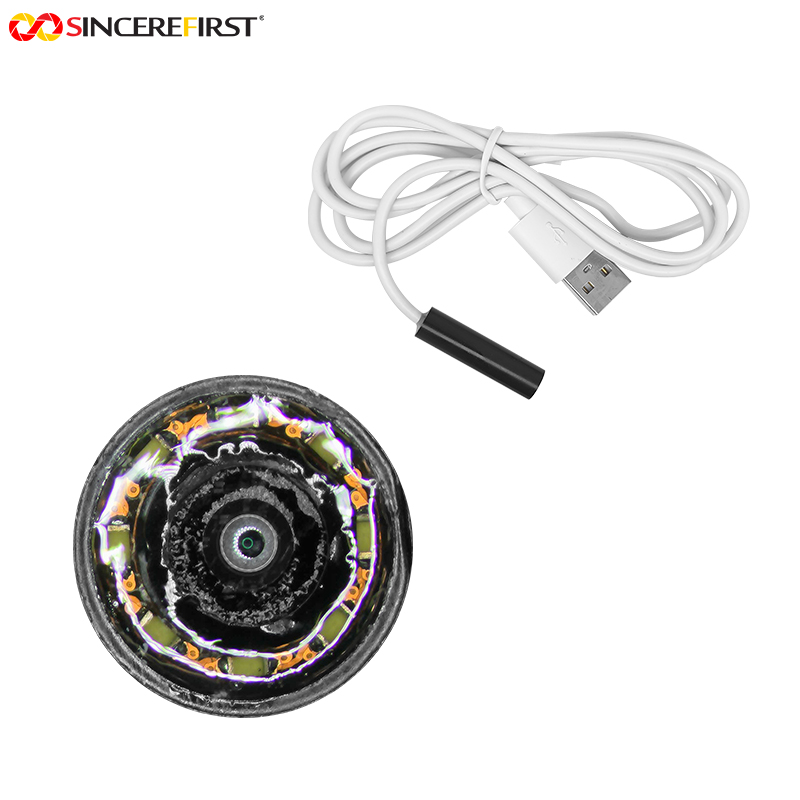
USB camera module with H.264, MJPEG and YUV output, 20 × 20mm PCB, M12 lens mount and 5Pin connector.

—————————————————————————————–
Price is for reference only. Please contact us for the latest quotation.

+ −
  • Compact H.264 USB Camera Module for Embedded Video Devices
    $1.00

    Request a Call Back

    • Compact H.264 USB Camera Module for Embedded Video Devices

      $1.00

      Ask a Question

        ... people are viewing this right now

        Share
      Cmos UVC USB Camera Module Industrial Camera Module

      Introduction

      Some embedded video products need more than a standard uncompressed camera stream. When USB bandwidth, storage or host processing becomes part of the system constraint, the video output format can directly affect the camera architecture.

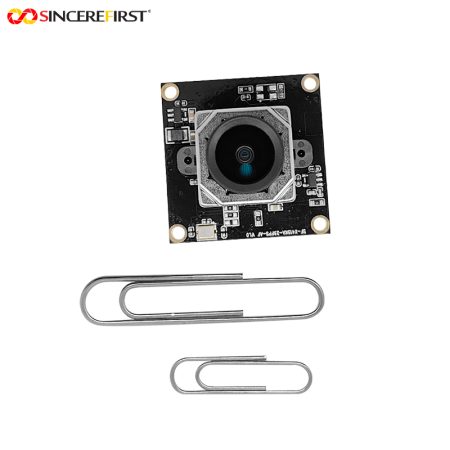
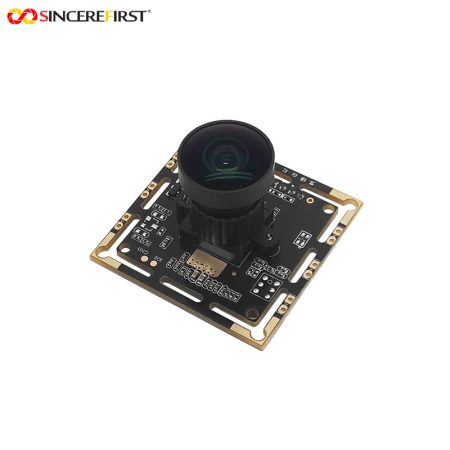
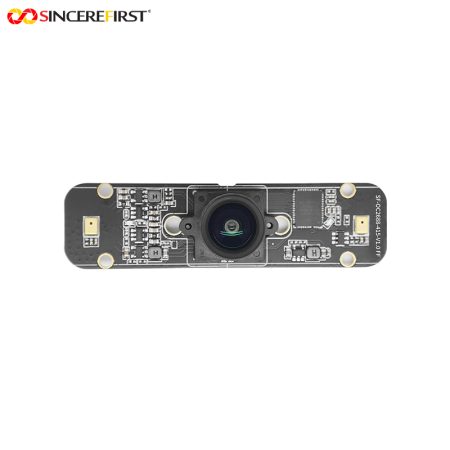
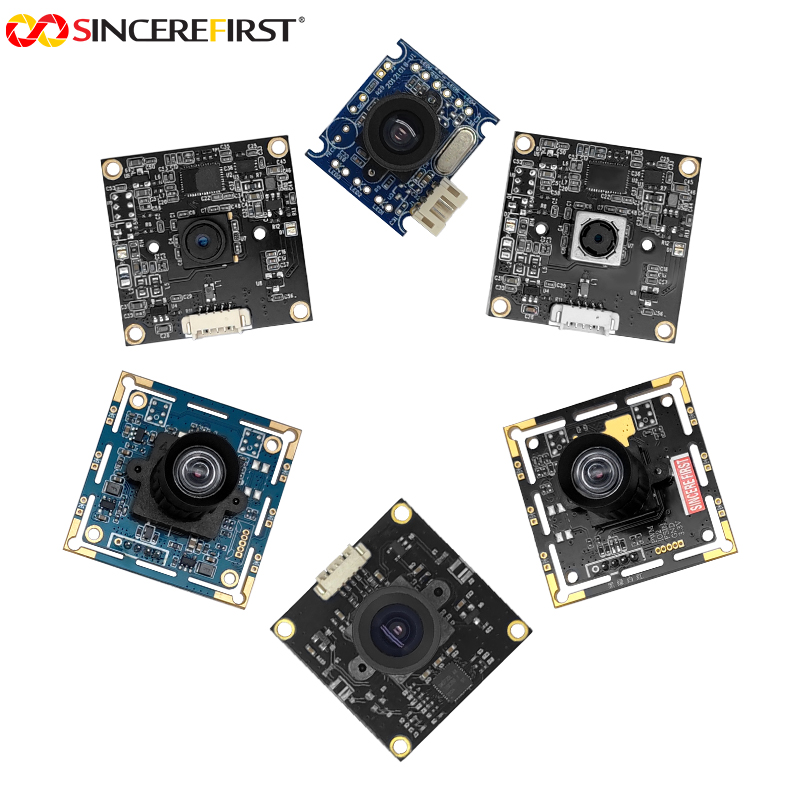
      This compact USB camera module supports H.264, MJPEG and YUV output, providing multiple video-stream directions within a small 20×20mm PCB structure.

      Its main value is therefore not simply its compact size, but the combination of a small mechanical footprint with compressed H.264 video output, making it relevant to devices where continuous video transmission needs to remain efficient.

      The uploaded V1.0 drawing confirms the model and identifies YUV, MJPEG and H.264 as supported output formats.

      Applications in Real Devices

      Compact Video Monitoring Devices

      Small monitoring terminals may need continuous video while working with limited USB bandwidth or host resources.

      H.264 output can provide a more efficient video path than relying only on uncompressed image data.

      Embedded Recording Equipment

      Devices that record video for extended periods may benefit from compressed output before the stream reaches the host.

      This can reduce the amount of data that needs to be transferred or stored compared with less-compressed video formats.

      Smart Terminals with Continuous Video

      Compact terminals that keep the camera active for long periods may need a video architecture designed around transmission efficiency rather than maximum still-image resolution.

      The 20×20mm board also helps when the available front-panel camera space is limited.

      Space-Constrained USB Video Devices

      Products with limited internal area can use the compact square PCB while retaining several video-output options for different host workflows.

      Project Evaluation Guide

      Consider This Model When

      • H.264 video output is required.
      • USB camera integration is preferred.
      • Continuous video transmission is part of the device task.
      • A compact 20×20mm PCB fits the available space.
      • MJPEG or YUV may also be required for alternate host workflows.
      • An M12 lens architecture fits the optical design.
      • Host bandwidth or storage efficiency matters.

      Confirm Before Sampling

      • Required image resolution.
      • Required frame rate.
      • Whether H.264, MJPEG or YUV is the primary operating mode.
      • Host-side H.264 compatibility.
      • Required video bitrate and latency.
      • Actual working distance.
      • Lens FOV and focal length.
      • Available lens and PCB depth.
      • 5Pin connector definition.
      • USB protocol and operating-system compatibility.

      Choosing This Model Within the USB Camera Module Series

      This model represents the compact H.264 USB video direction.

      Choose it when video compression and continuous data transmission are more important than adding integrated audio or emphasizing a specific wide-angle optical configuration.

      Compared with SF-C1014USB-2020-MIC, both models use a similar compact PCB format, but their project roles are different:

      • SF-C1014USB-2020-H.264 → prioritizes H.264 compressed video output.
      • SF-C1014USB-2020-MIC → prioritizes integrated camera + microphone functionality with UVC/UAC.

      This distinction should be treated as the primary selection factor rather than PCB size alone.

      Related Models

      SF-C1014USB-2020-MIC V1.0
      Consider this model when the device needs both camera and microphone functions on the same compact PCB.

      SF-AOV9712USB-H110 V1.0
      Consider this model when a confirmed H110° wide-angle optical configuration is more important than H.264 video compression.

      Key Specifications

      SpecificationDetails
      Product NameH.264 USB Camera Module
      ModelSF-C1014USB-2020-H.264 V1.0
      PCB SizeApprox. 20 × 20mm
      Output FormatsYUV / MJPEG / H.264
      Lens MountM12 × 0.5
      Lens Outer StructureApprox. Ø12mm
      Module DepthApprox. 11.1mm
      Connector5Pin
      Connector PitchApprox. 0.8mm
      PCB ThicknessApprox. 1mm
      VersionV1.0


      SincereFirst Customization

      Video Output Configuration

      H.264, MJPEG and YUV output requirements can be evaluated according to host bandwidth, recording architecture and downstream image-processing needs.

      Lens and Viewing Angle

      Lens focal length and FOV can be evaluated according to the required scene coverage, target size and installation distance.

      Focus Distance

      The Fixed Focus setup can be evaluated according to the actual working distance once the final lens configuration is confirmed.

      PCB and USB Integration

      Connector definition, cable direction, PCB mounting and USB host requirements can be reviewed according to the enclosure and system architecture.

      Final configuration should be validated with the actual host platform, enclosure, optics, software, and lighting environment before sampling.

      FAQ

      When should I choose H.264 instead of MJPEG?

      H.264 is generally more relevant when the device continuously streams or records video and data efficiency is important.

      MJPEG is frame-based and may be easier for some image-processing workflows, but it usually requires more bandwidth at comparable image quality.

      Does H.264 reduce image-processing flexibility?

      It can.

      If the host needs direct access to less-compressed frame data for computer vision or image analysis, YUV or MJPEG may be more suitable depending on the processing pipeline.

      Is this module mainly for recording devices?

      Not only.

      It can also be useful for monitoring terminals, embedded video devices and other products where compressed video transmission is more important than receiving raw or lightly compressed image data.

      What resolution and frame rate does the H.264 mode support?

      The current drawing does not specify resolution or frame rate.

      Those values should be confirmed from the corresponding electrical specification before being published on the product page.

      Can the H.264 stream work with every USB host?

      Not automatically.

      The host application, codec support, USB implementation and camera firmware all need to match the required video mode.

      Is this model interchangeable with the microphone version because both use a 20×20mm PCB?

      No.

      Similar mechanical dimensions do not mean the electrical functions, connector definition or firmware are the same. The H.264 and MIC versions serve different system requirements.

      Request Project Evaluation

      If your device needs a compact USB camera with H.264 video output, share the required resolution, frame rate, video format, host platform, working distance and available camera space.

      SincereFirst can evaluate whether H.264, MJPEG or YUV should be the primary video path before sampling.

      Send Inquiry

        Close
        Close My Cart
        Close Recently Viewed
        Close
        Close
        Categories