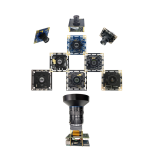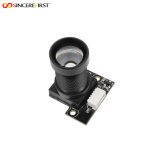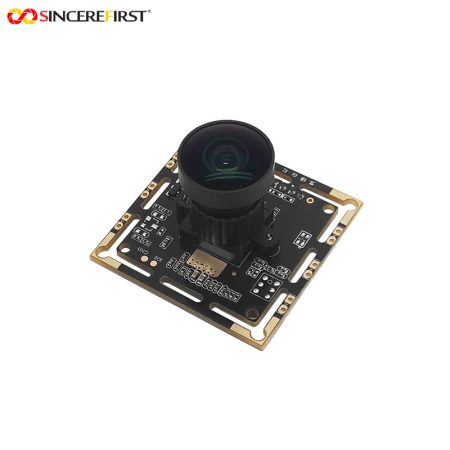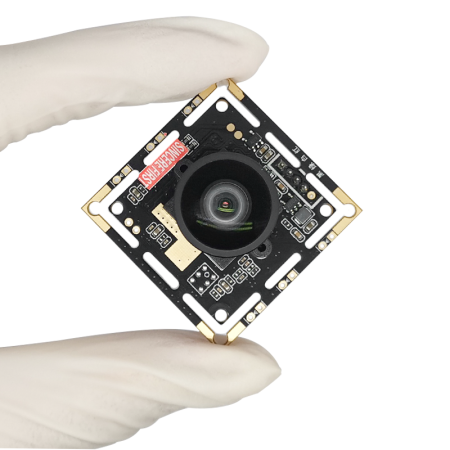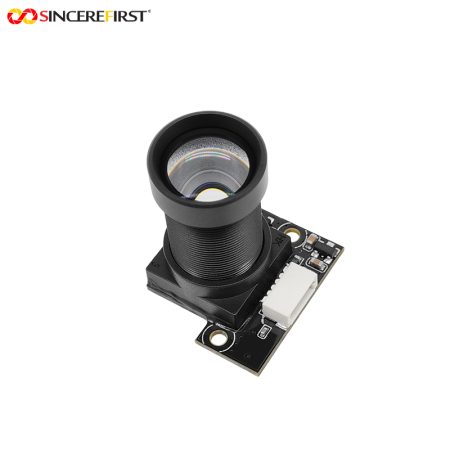

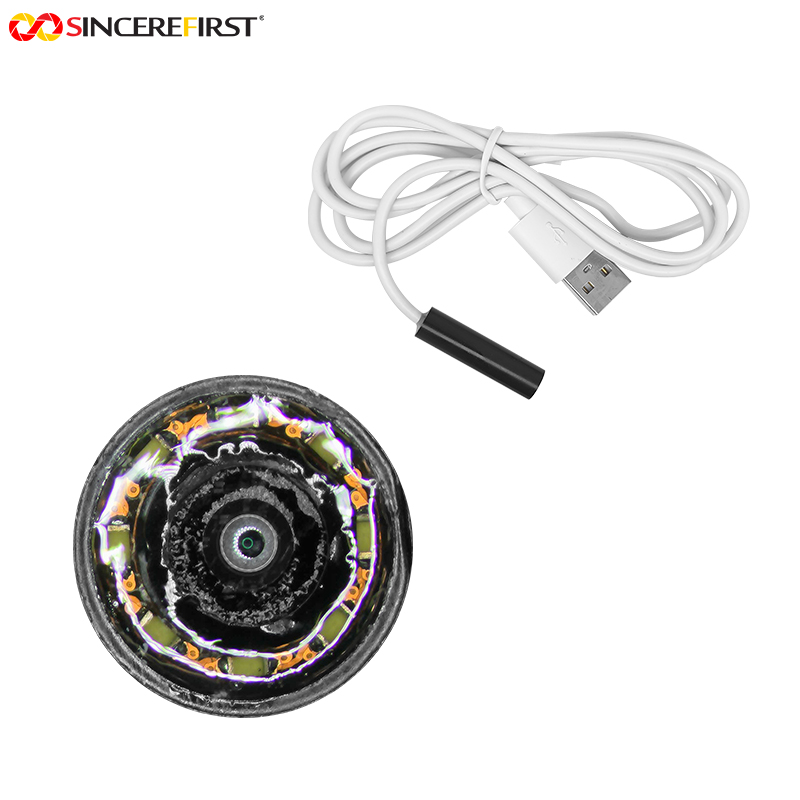
S5KGM1 48MP Autofocus Type-C USB2.0 Camera Module for Compact High-Resolution Devices

¥1.00

S5KGM1 48MP autofocus Type-C USB2.0 camera module with 8000×6000 capture, 4K30 video, HDR and dual-layer PCB design for compact high-resolution imaging devices.

—————————————————————————————–
Price is for reference only. Please contact us for the latest quotation.

+
  • S5KGM1 48MP Autofocus Type-C USB2.0 Camera Module for Compact High-Resolution Devices
    ¥1.00

    Request a Call Back

    • S5KGM1 48MP Autofocus Type-C USB2.0 Camera Module for Compact High-Resolution Devices
      ¥1.00

      Ask a Question

        ... people are viewing this right now

        Share

      Introduction

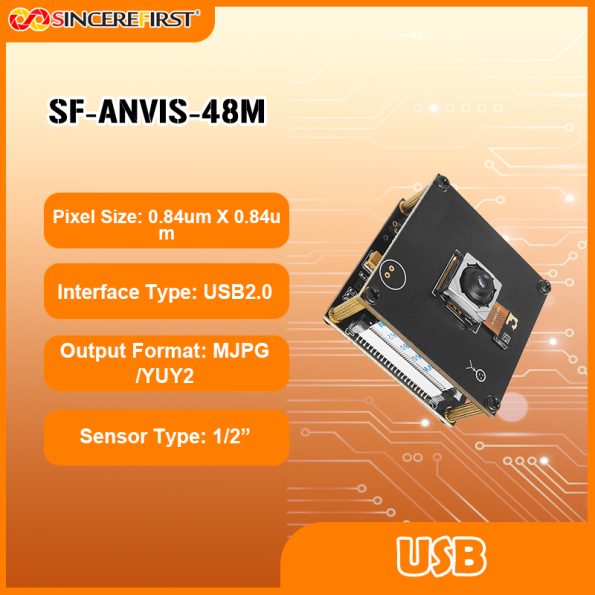
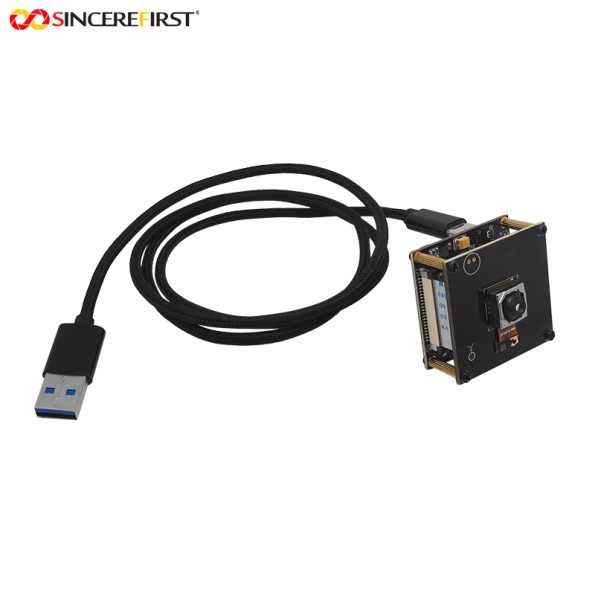
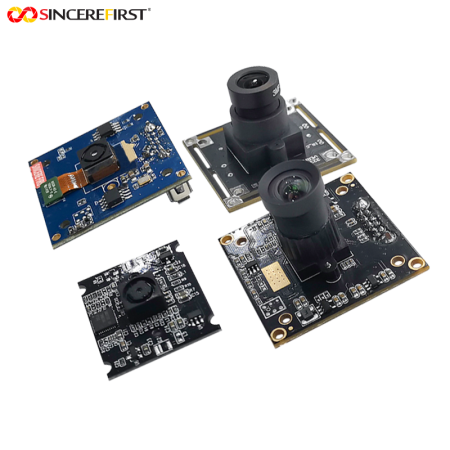
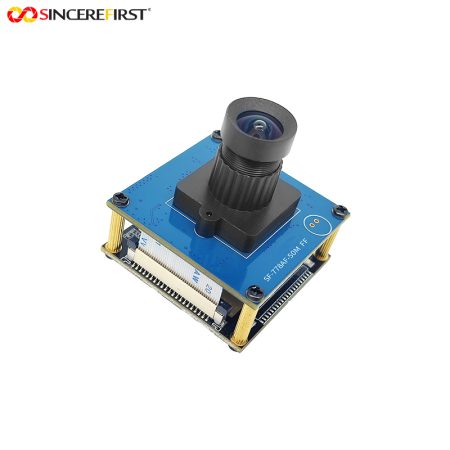
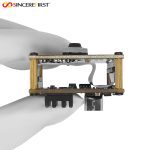
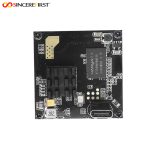
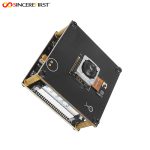
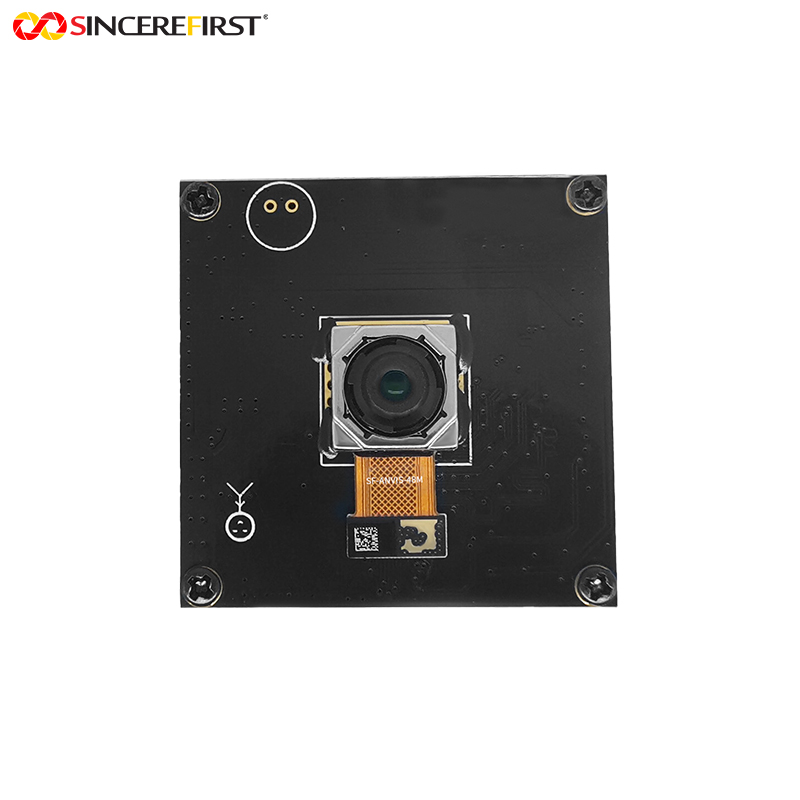
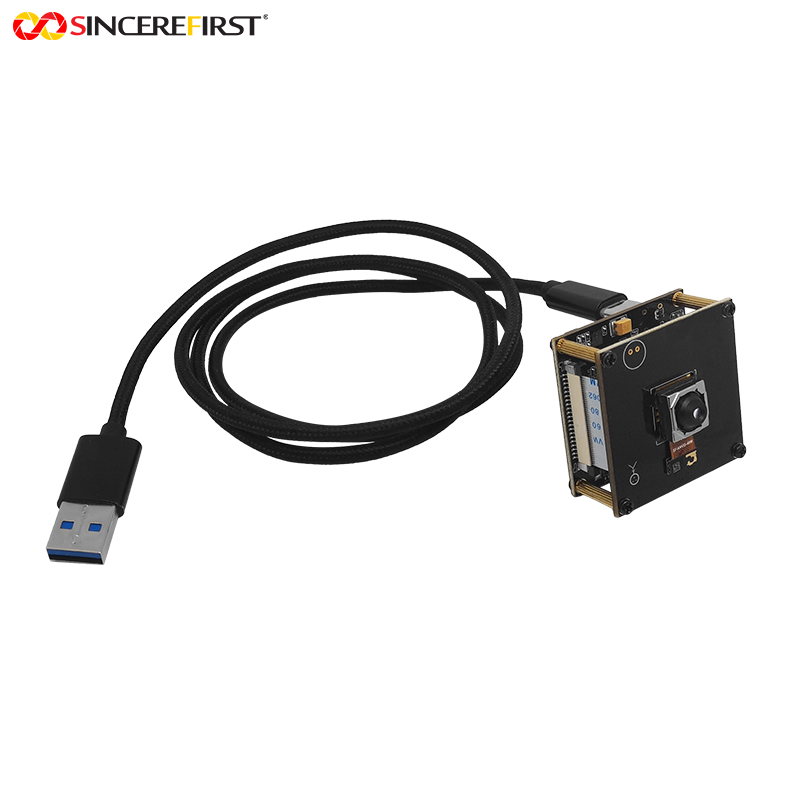
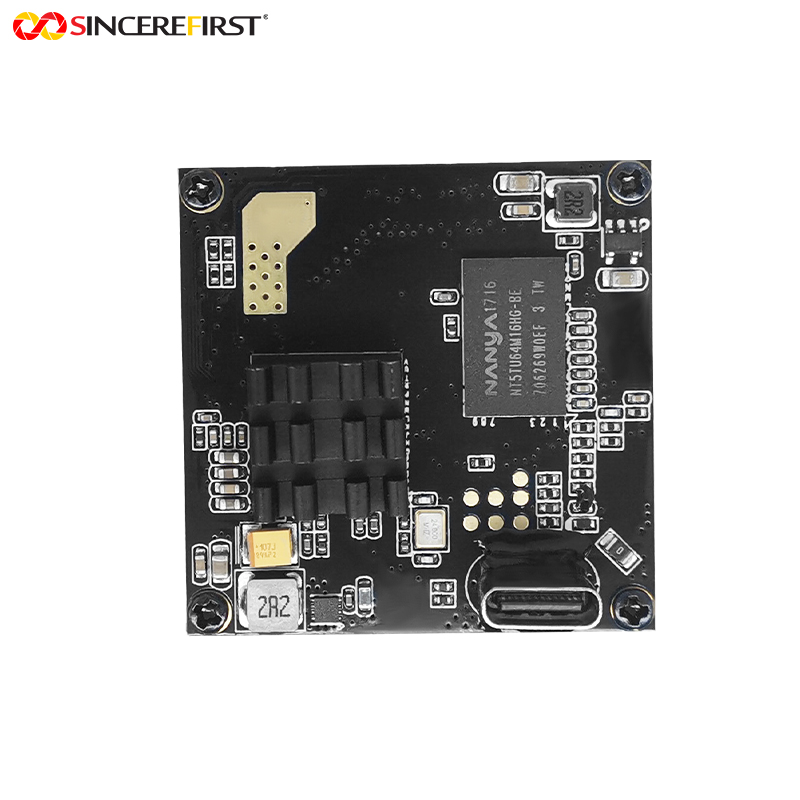
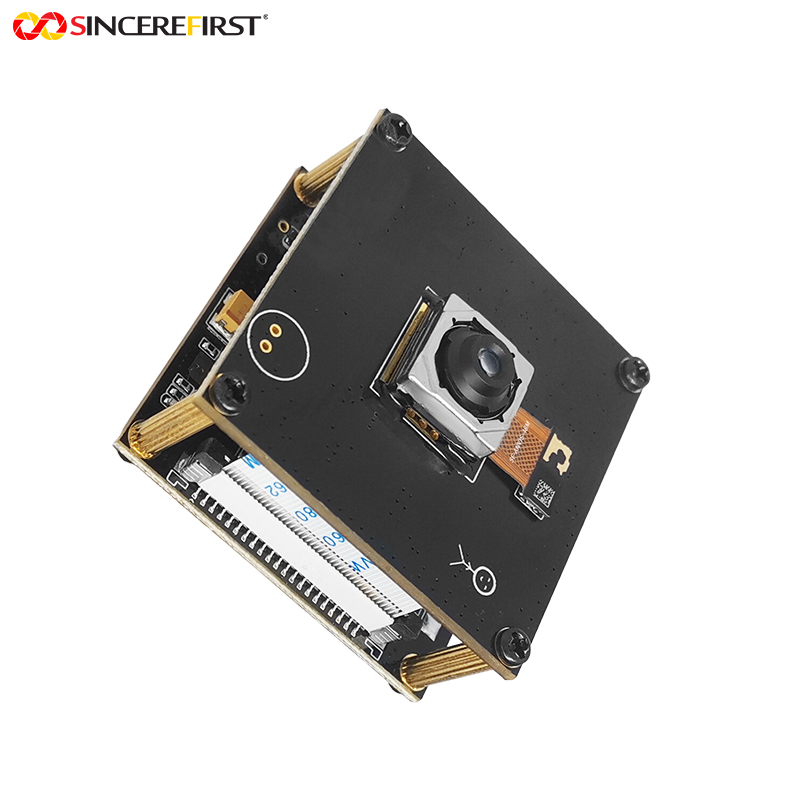
      SF-ANVIS-48M is a 48MP USB2.0 camera module designed for devices that need high-resolution imaging, automatic focusing and a compact Type-C connection within a dual-layer PCB structure.

      Based on the S5KGM1 CMOS sensor, it supports up to 8000×6000 image capture, 4K at 30fps, 4-in-1 pixel technology and HDR. Its VCM Autofocus system and approximately D80° × H70° × V53° field of view make it suitable for equipment where object distance can change during use but an ultra-wide optical design is not required.

      Compared with single-board USB modules in the same Series, its main integration value lies in combining 48MP imaging, Autofocus, Type-C USB2.0 and a stacked two-board structure.

      Applications in Real Devices

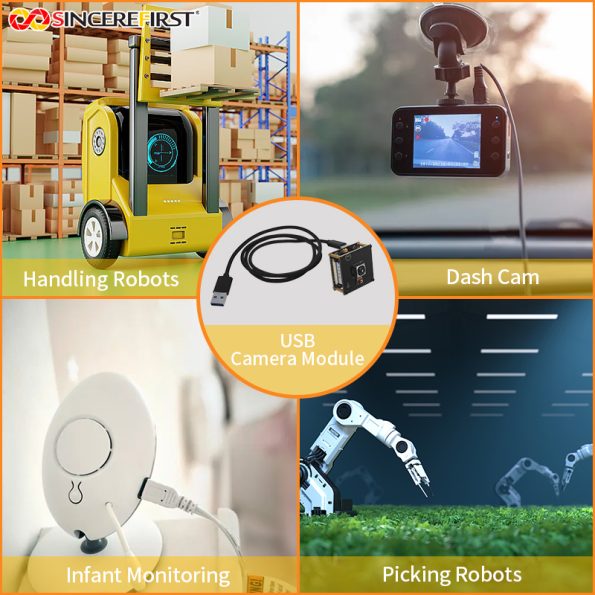
      High-Resolution Document and Object Capture Terminals

      For devices capturing documents, packages, products or components at changing distances, VCM Autofocus helps maintain usable image sharpness without manual adjustment.

      The 48MP native image also provides more detail for text recognition, image cropping and downstream analysis.

      Smart Terminals and Interactive Devices

      For terminals where users or objects appear at different positions and distances, Autofocus provides greater flexibility than a Fixed Focus configuration.

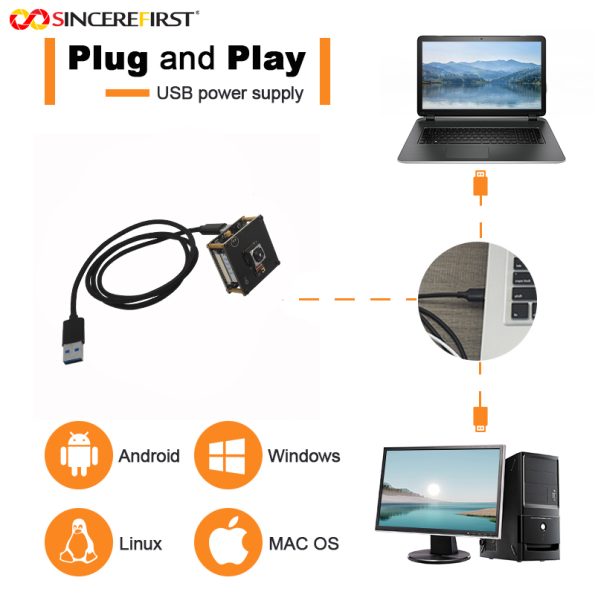
      The Type-C USB2.0 interface also provides a compact connection direction for devices that prefer a modern connector format.

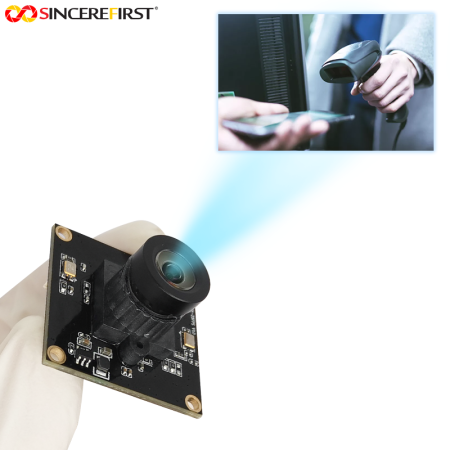
      Logistics and Code Recognition Equipment

      For systems reading labels, barcodes or printed information, high native resolution can preserve smaller image details when the camera-to-target distance or object size changes.

      Actual recognition performance should still be evaluated together with working distance, lighting and target size.

      Compact OEM Imaging Equipment

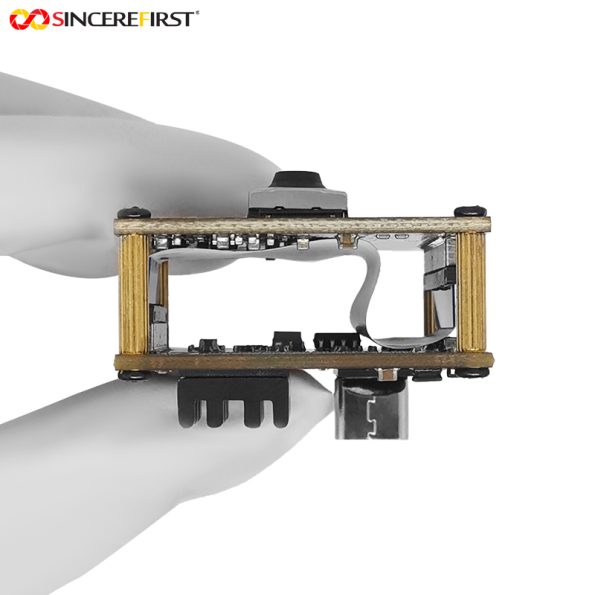
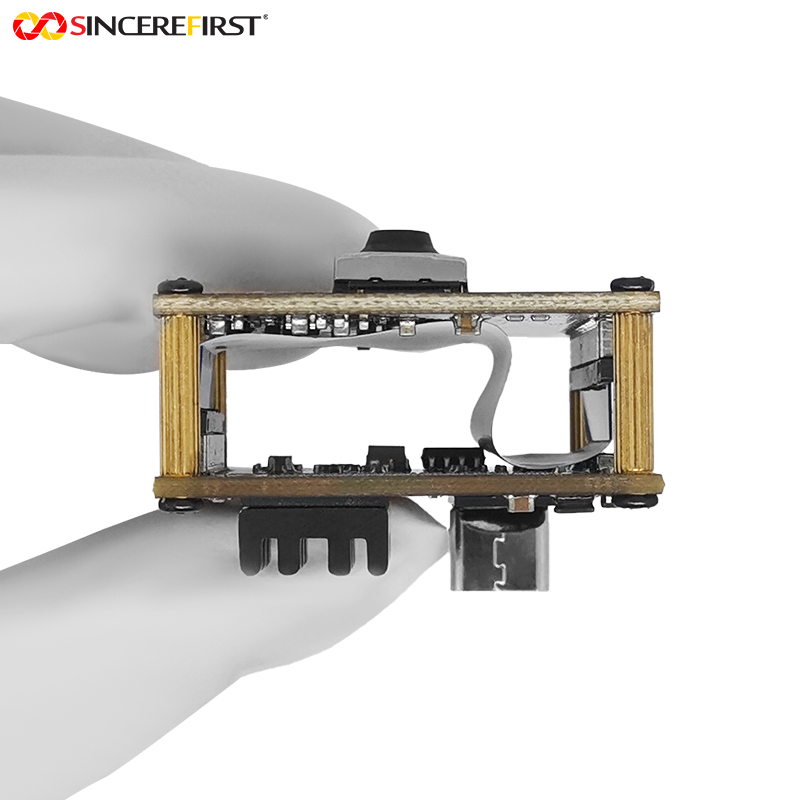
      The dual-layer PCB structure is useful when the device cannot accommodate one larger flat PCB layout and instead requires a more compact stacked camera assembly.

      Mechanical height and connector access should be evaluated together with the enclosure design.

      Project Evaluation Guide

      Consider This Model When

      • 48MP / 8000×6000 image capture is required.
      • Target distance changes during normal operation.
      • VCM Autofocus is preferred.
      • A Type-C USB2.0 connection matches the device.
      • A dual-layer PCB structure suits the available internal space.
      • Approximately D80° scene coverage matches the imaging task.
      • 4K at 30fps is required for continuous video.

      Confirm Before Sampling

      • Typical and maximum working distance.
      • Target dimensions and required image detail.
      • Whether native 48MP capture or 4K video is the primary operating mode.
      • Whether D80° × H70° × V53° provides suitable scene coverage.
      • Host UVC and USB2.0 compatibility.
      • Available PCB footprint, stacked height and Type-C connector clearance.
      • Whether Rolling Shutter is acceptable for the target motion.

      Choosing This Model Within the 8K Camera Module Series

      SF-ANVIS-48M is the Type-C Autofocus and dual-layer PCB direction within the 8K Camera Module Series.

      Choose this model when the project requires 48MP imaging and Autofocus but the mechanical architecture benefits from a stacked board layout and Type-C connection.

      Compared with SF-SYA3580-586, both provide 48MP Autofocus USB imaging, but SF-ANVIS-48M is more differentiated by its Type-C interface and dual-layer PCB structure. If a simpler Fixed Focus optical direction is preferred, SF48A796 is the more direct option.

      Related Models

      48MP Autofocus USB – SF-SYA3580-586
      Consider this model when IMX586-based Autofocus imaging and a conventional USB module structure are preferred over the dual-layer Type-C architecture.

      50MP Type-C Autofocus USB – SF-778AF-50M AF
      Consider this model when the project needs a higher-resolution 50MP sensor direction while retaining Type-C USB2.0 and VCM Autofocus.

      Key Specifications

      SpecificationDetails
      ModelSF-ANVIS-48M
      SensorS5KGM1 CMOS
      Resolution48MP / 8000 × 6000
      Sensor Size1/2 inch
      Pixel Size0.8μm × 0.8μm
      Pixel Technology4-in-1 Pixel
      HDRSupported
      4K Video3840 × 2160 @ 30fps
      8000 × 6000Up to 4fps
      4000 × 3000Up to 12fps
      1920 × 1080Up to 30fps
      Output FormatsMJPG / YUY2
      Shutter TypeRolling Shutter
      FocusVCM Autofocus
      Imaging Distance1cm–Infinity
      Field of ViewD80° × H70° × V53°
      InterfaceType-C USB2.0 High Speed
      ProtocolUSB Video Class (UVC)
      PCB StructureDual-Layer PCB
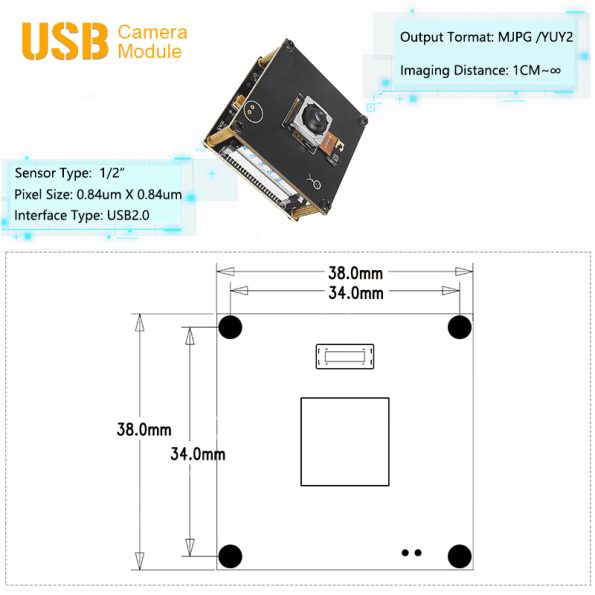
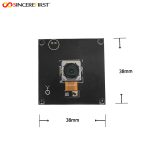
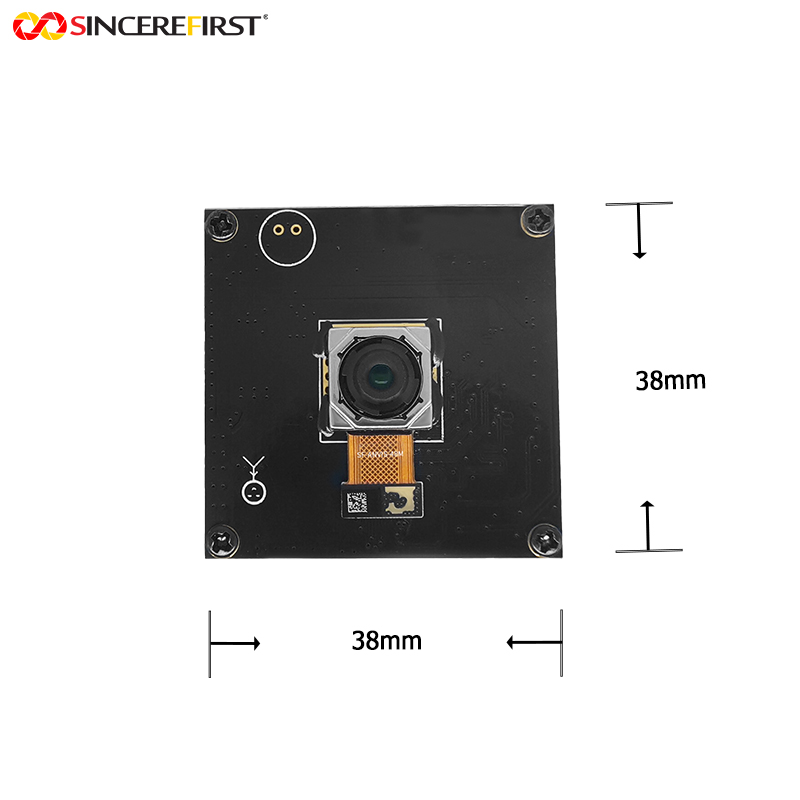
      Module Size38 × 38mm dual-board structure
      Operating VoltageDC 5V
      Operating CurrentApprox. 460mA at VGA
      Operating Temperature−20°C to 70°C
      Stable Operating Temperature0°C to 50°C
      SDKC++ image-acquisition SDK available
      Development SupportDirectShow / Halcon / OpenCV / LabVIEW

      SincereFirst Customization

      Autofocus and Working Distance

      VCM Autofocus is the standard focus direction. Focus behavior can be evaluated according to the actual working-distance range, object size and capture sequence when the device needs repeated focusing between different target positions.

      Lens and Field of View

      The standard optical direction provides approximately D80° × H70° × V53° coverage. Lens parameters can be evaluated when the required scene width, target size or installation distance differs from this configuration.

      Type-C USB Integration

      Type-C USB2.0 and UVC are the standard host-integration direction. Resolution, output format and host compatibility should be confirmed according to whether the project prioritizes full-resolution still capture or continuous video.

      Dual-Layer Mechanical Structure

      The standard design uses a dual-layer 38×38mm PCB 

      arrangement. Board spacing, total camera height, Type-C connector access and lens clearance can be evaluated according to the enclosure and internal component layout.

      Final configuration should be validated with the actual host platform, enclosure, optics, software, and lighting environment before sampling.

      FAQ

      When does the dual-layer PCB structure provide real value?

      It is useful when the device has limited flat PCB area but can accommodate additional camera height. Whether it is actually better than a single-board design depends on the enclosure geometry, connector position and surrounding components.

      How should I choose between SF-ANVIS-48M and SF-SYA3580-586?

      Both are 48MP Autofocus USB directions. Choose SF-ANVIS-48M when the Type-C connector and dual-layer PCB structure better match the device; choose SF-SYA3580-586 when its conventional module structure and IMX586 platform are more suitable.

      Can the module output 8000×6000 at 30fps?

      No. Full 48MP capture and 4K30 are separate operating modes. The specification lists 8000×6000 at about 4fps, while 3840×2160 supports 30fps.

      Does Autofocus remove the need to define working distance?

      No. Autofocus increases flexibility, but the expected minimum and maximum object distance still affect focusing behavior, lens selection and final image performance.

      Is Type-C automatically faster than another USB connector?

      No. The connector shape and USB transmission standard are different concepts. This model uses Type-C with USB2.0, so bandwidth should be evaluated as USB2.0 rather than assumed from the Type-C connector.

      When should a MIPI 48MP module be considered instead?

      Choose a MIPI model when the device requires direct processor integration, RAW sensor output, ISP tuning or deeper control over the imaging pipeline. SF-ANVIS-48M is more suitable when standard UVC USB integration is preferred.

      Evaluate This Module for Your Device

      Share your working-distance range, target size, required FOV, native 48MP or 4K operating mode, Type-C host conditions and available stacked camera space. SincereFirst can evaluate whether the standard Autofocus and dual-layer configuration matches the device before sampling.

      Send Inquiry

        Close
        Close My Cart
        Close Recently Viewed
        Close
        Close
        Categories