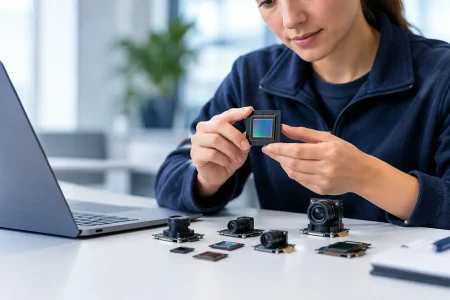

A 1-inch class sensor changes the conversation fast. When a product team asks for flagship-grade imaging in a commercial device, the sony imx989 camera module usually enters the shortlist because it offers a rare mix of large optical format, strong low-light capability, and real differentiation at the device level.
For OEMs and system integrators, that opportunity comes with real engineering decisions. Sensor size alone does not guarantee image quality. Lens stack, module height, thermal behavior, ISP tuning, interface bandwidth, and production consistency all determine whether the final camera system performs like a premium imaging platform or simply carries a premium sensor name.
What makes the Sony IMX989 camera module stand out
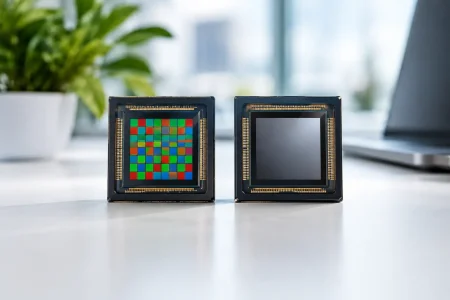
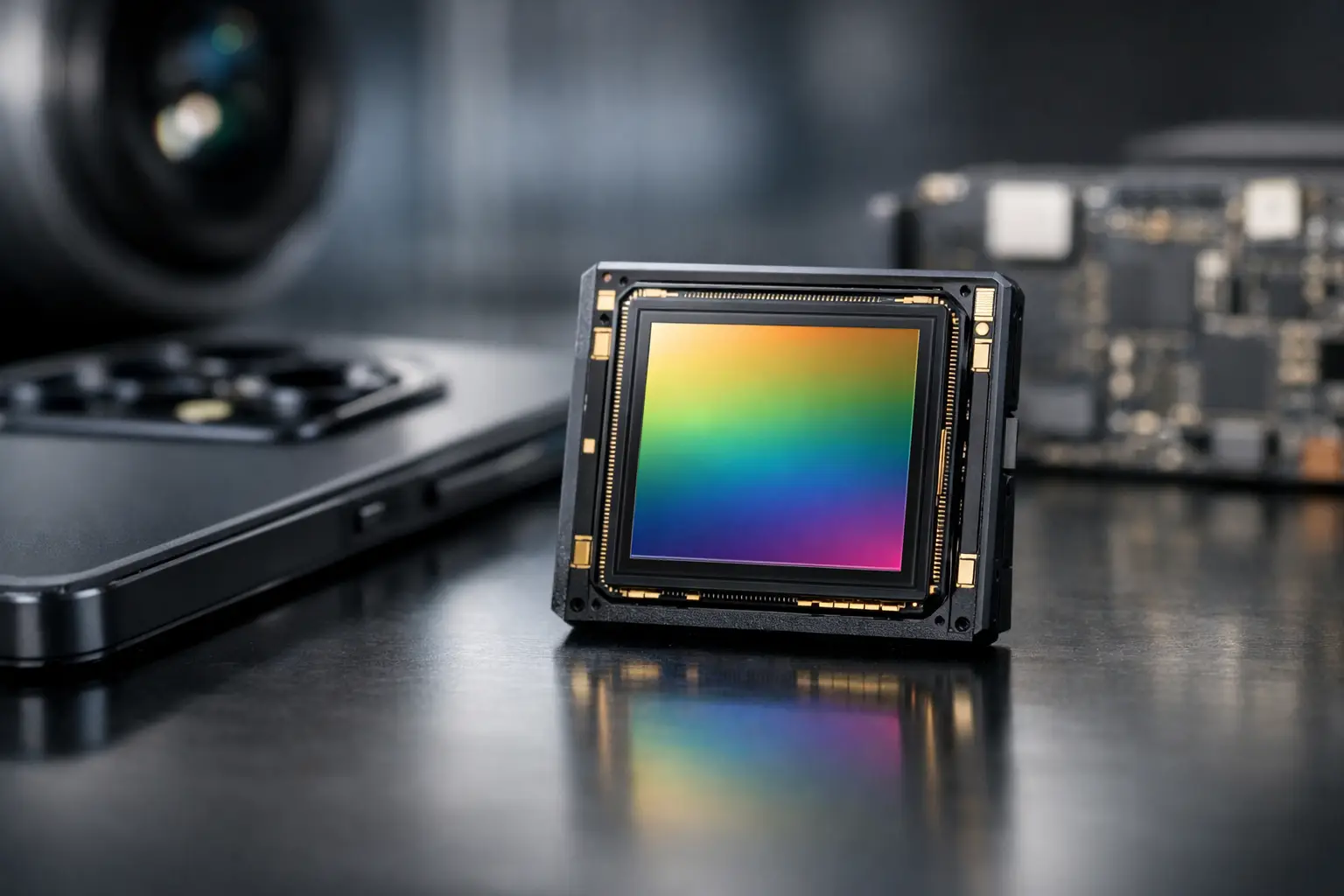
The IMX989 is known for its large 1-inch type optical format, which gives designers more light-gathering area than smaller mobile-class sensors. In practical terms, that can improve low-light performance, widen dynamic range potential, and support shallower depth characteristics when the optical design allows it. For applications where image quality is part of the product value, those advantages are commercially significant.
A sony imx989 camera module is especially relevant when the device must capture fine texture, maintain cleaner shadows, or preserve highlight detail in difficult lighting. This matters in high-end smart devices, premium video systems, industrial inspection equipment with variable illumination, and specialized medical or scientific imaging platforms where sensor performance affects downstream analysis.
That said, buyers should treat the sensor as the foundation, not the finished result. A poor lens match, unstable autofocus mechanism, or weak ISP pipeline can erase much of the IMX989’s advantage. Large sensors are less forgiving of mechanical and optical shortcuts.
Where it fits best in commercial products
Not every product needs this level of sensor capability. If the application is barcode scanning, basic occupancy monitoring, or fixed-condition machine vision with controlled lighting, a smaller and more economical sensor may deliver a better total system cost. The IMX989 becomes more attractive when the image itself carries business value.
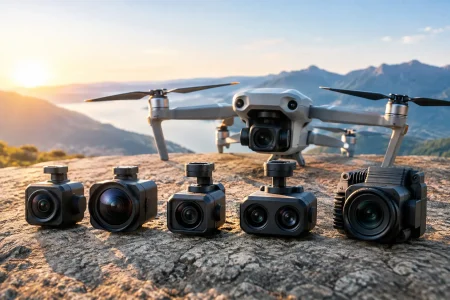
In embedded products, the strongest use cases typically include premium handheld devices, AI vision terminals, smart diagnostics, telemedicine imaging, advanced robotics vision, and high-detail recording systems. It can also be a candidate for industrial systems that need better performance in mixed lighting or demand higher image integrity before analytics and inference.
For product managers, the question is not whether the sensor is impressive. It is whether its performance translates into a clear product advantage that customers will notice and pay for. For engineers, the question is whether the platform can support the sensor without creating unacceptable trade-offs in space, power, and cost.
Sony IMX989 camera module integration is not plug-and-play
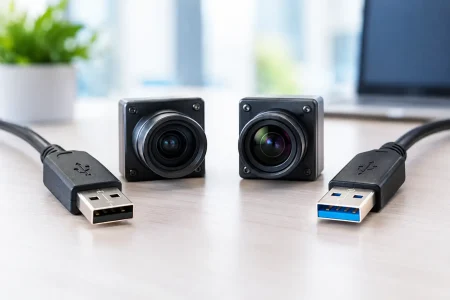
A large-format sensor puts pressure on the rest of the architecture. Module dimensions increase, lens requirements become more demanding, and PCB layout must account for high-speed data integrity. If the host system uses MIPI CSI-2, lane count, clocking strategy, and ISP compatibility need early validation. If the path runs through USB or another bridge architecture, compression, latency, and thermal load can quickly become limiting factors.
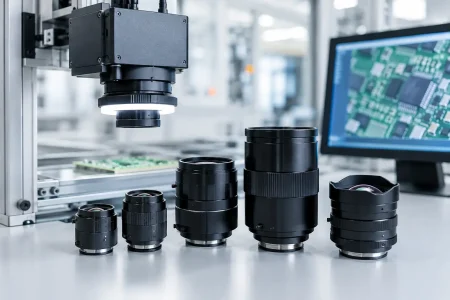
Optics are the next checkpoint. The sensor needs a lens that can resolve adequately across the image circle, not just in the center. This is where many projects lose sharpness at the edges or run into distortion that becomes difficult to calibrate out. A sensor at this class deserves a lens stack selected for real system performance, not just mechanical fit.
Autofocus and fixed-focus choices also depend on use case. In consumer-style devices, autofocus may be expected. In industrial and medical products, fixed-focus often offers better repeatability and lower failure risk. There is no universal right answer. The correct choice depends on working distance, tolerance stack-up, motion profile, and service expectations.
The trade-offs buyers should evaluate early
The biggest mistake in sourcing a sony imx989 camera module is focusing only on sensor branding and nominal resolution. Serious qualification requires looking at the module as a production part and an imaging subsystem.
First, there is the size trade-off. A 1-inch class sensor generally requires a larger optical assembly and more internal volume. That affects industrial design, enclosure thickness, and sometimes battery or thermal layout. If the device has strict mechanical constraints, the camera may compete with other critical components.
Second, there is power and heat. Higher-performance sensors and image pipelines can increase system power draw, especially under continuous video or computational imaging loads. In a compact enclosure, thermal rise can impact image noise, frame stability, or adjacent electronics. This is manageable, but only if thermal planning starts early.
Third, there is cost beyond the module itself. A larger sensor can drive up lens cost, mechanical complexity, calibration effort, and software tuning time. In many projects, these indirect costs matter as much as the bill of materials for the camera module.
Finally, there is supply chain realism. Premium sensors can face allocation pressure, longer lead times, or stricter design validation requirements. For commercial programs, production continuity matters as much as image quality. A strong manufacturing partner helps reduce this risk through planning, qualification discipline, and alternate design support where appropriate.
How to evaluate module readiness, not just sample image quality
Engineering teams often receive an early sample, capture a few strong images, and assume the camera path is validated. That is too narrow. Sample quality is only one part of supplier qualification.
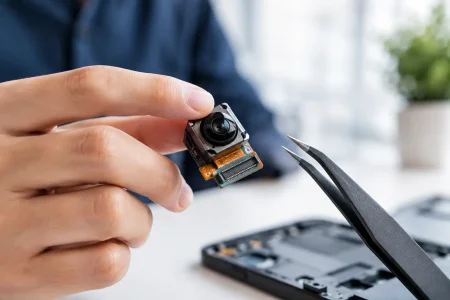
A production-ready module should be reviewed for connector reliability, FPC design, shielding, assembly tolerance, lens bonding consistency, and test coverage. Ask how optical centering is controlled. Ask what cleanroom process is used. Ask how focus position is verified and how lot-to-lot variation is measured. These details are not marketing extras. They directly affect field yield.
Image tuning should also be part of the conversation. The same IMX989 sensor can produce very different output depending on ISP selection, color calibration, noise reduction strategy, HDR behavior, and low-light tuning. If your product needs a specific imaging signature or machine vision output profile, module sourcing and image tuning should be aligned from the start.
This is where an engineering-led manufacturer adds value. A supplier that can support interface adaptation, lens selection, mechanical customization, and production scaling is more useful than a catalog seller offering only a generic board-level sample.
Questions OEM teams should ask before selection
When evaluating a Sony IMX989 camera module, the right questions are highly practical. What interface options are supported, and at what frame rates? What lens options are validated for the target field of view? Is autofocus, fixed-focus, or OIS integration available? What are the module dimensions and z-height? Can the supplier support ISP tuning or only raw output? What qualification data exists for vibration, temperature, and long-duration operation?
It is also worth asking how quickly custom samples can be built and what changes are realistic in the first prototype cycle. In many commercial programs, speed matters almost as much as specification depth. Delays usually happen at the interface between optical design, electronics integration, and mechanical packaging. A responsive module supplier reduces that friction.
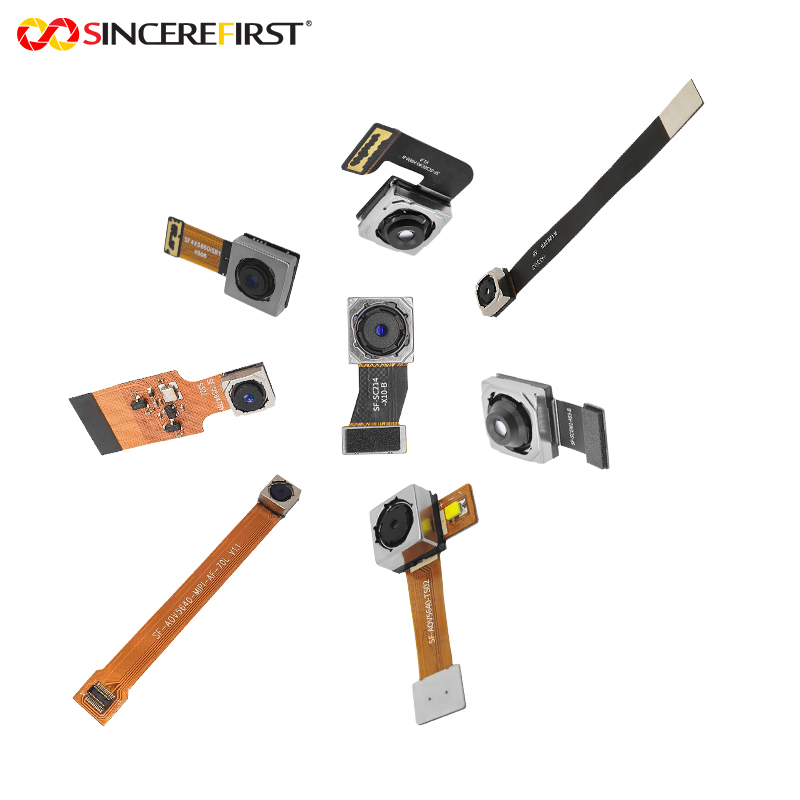
For teams building differentiated hardware, customization is often the deciding factor. A standard module may be useful for proof of concept, but production products frequently need modified cable lengths, connector orientation, board shape, shielding, lens tuning, or housing adjustments. If those changes require a new supplier after proof of concept, development slows and risk increases.
Choosing the right manufacturing partner
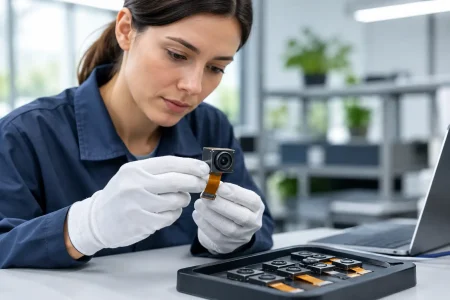
A high-end sensor demands disciplined manufacturing. Precision assembly, contamination control, process repeatability, and final inspection all matter more as sensor size and optical expectations increase. Even a very capable sensor will disappoint if the module is built with weak alignment control or inconsistent optics.
For that reason, buyers should evaluate manufacturing depth, not just sales responsiveness. Look for suppliers with experience in embedded vision modules, custom optical integration, and volume production support. Review how they handle prototyping versus mass production, what test standards they apply, and whether they can support long-term supply for OEM programs.
SincereFirst works with customers that need this exact combination of imaging performance, customization speed, and manufacturing stability. For teams moving from concept to scalable production, that mix is often more valuable than chasing headline specs alone.
The best camera decision is rarely about selecting the biggest sensor on paper. It is about building a complete imaging module that fits the device, supports the software stack, and can be manufactured repeatedly without surprises. If the IMX989 matches your product goal, treat it as a system-level decision and the results are far more likely to justify the investment.