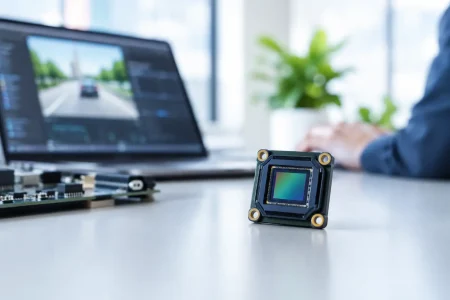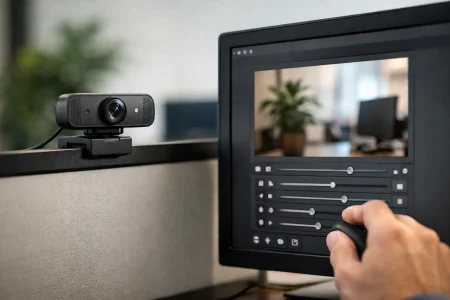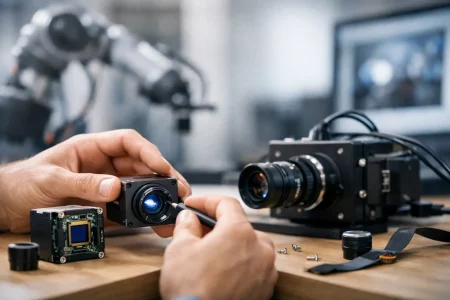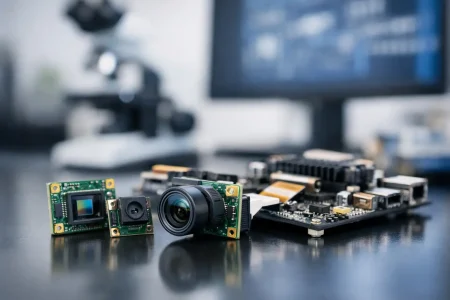

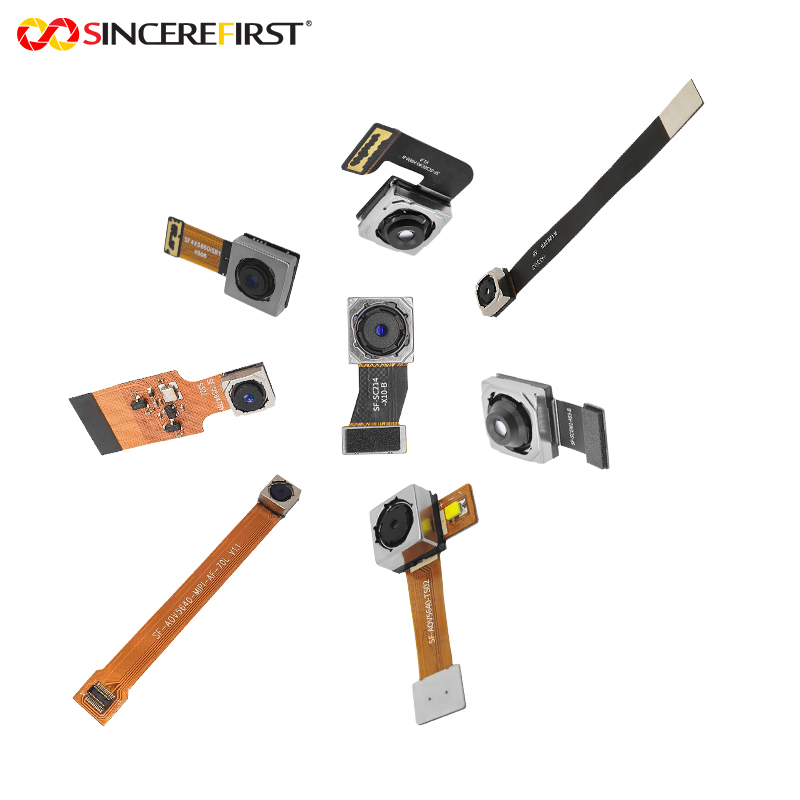
A camera module can occupy only a few millimeters of board space, yet it can determine whether a product succeeds in the field. Current camera module manufacturing trends are therefore less about adding headline resolution and more about delivering repeatable image performance, tighter mechanical integration, and dependable supply at production volume. For OEMs building robotics platforms, diagnostic devices, smart hardware, security equipment, or industrial systems, the practical question is not simply which sensor to select. It is whether the complete imaging assembly can be engineered, qualified, and manufactured without creating a bottleneck later.
Camera Module Manufacturing Trends Changing OEM Decisions
The camera module is becoming a more integrated subsystem. Sensor selection, lens design, FPC layout, interface configuration, image signal processing, calibration, and final assembly must work together. A strong sensor paired with the wrong lens, an unsuitable field of view, or unstable tuning will not produce a strong system-level result.
This shift is changing supplier evaluation. Buyers increasingly need a manufacturing partner that can discuss optical performance, electrical interfaces, mechanical packaging, and volume production in the same technical conversation. Catalog modules remain useful for proven applications and rapid proof-of-concept work. But specialized products often require custom dimensions, cable routing, lens options, connector orientation, or image tuning before they are ready for market.
Higher resolution is no longer the only priority
Resolution still matters, particularly for inspection, documentation, and identification tasks. Yet more pixels can increase bandwidth, power consumption, storage requirements, processor load, and cost. A 4K module is not automatically the correct choice for a compact access-control device, a battery-powered agricultural camera, or an embedded medical tool.
Manufacturers are responding with broader sensor portfolios rather than a single resolution race. Low-light sensitivity, dynamic range, shutter type, pixel size, frame rate, and near-infrared response may matter more than megapixel count. For example, a global shutter sensor can be the better fit for fast-moving robotics or machine vision because it reduces motion distortion. A rolling shutter module may be more economical and entirely sufficient for a fixed monitoring application.
The best specification is the one that supports the real image task with acceptable system cost. Defining that task early prevents overengineering and shortens qualification cycles.
Compact mechanics are driving co-design
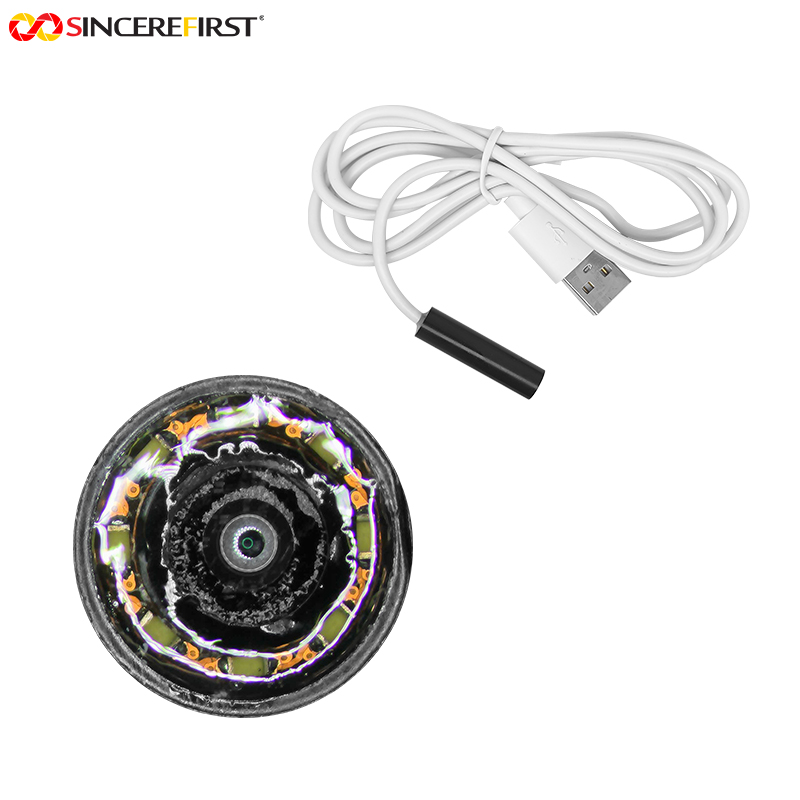
Product teams want thinner devices, smaller probe diameters, reduced weight, and fewer internal assembly steps. That demand is accelerating the use of compact FPC camera modules, board-level modules, custom lens holders, and purpose-built cable assemblies. It also raises the importance of mechanical tolerances.
A module designed around nominal dimensions alone can become difficult to install when the enclosure, bracket, cable bend radius, thermal path, and connector placement are considered. Small errors in lens position or sensor alignment can affect focus consistency across a production batch. In miniature endoscope and medical imaging applications, the tolerance window becomes even narrower because image quality must be achieved in extremely limited space.
The manufacturing trend is clear: optics, mechanics, and electronics should be co-designed rather than handed off in sequence. Early exchange of CAD constraints, target working distance, depth of field, and cable requirements can eliminate expensive redesigns after samples arrive.
Interface Selection Is Becoming an Architecture Decision
MIPI CSI-2 remains a primary choice for mobile, embedded Linux, and high-bandwidth processor platforms because it supports compact integration and high data throughput. USB camera modules, including USB 2.0, USB 3.0, and UVC designs, remain highly relevant where plug-and-play deployment, PC compatibility, or reduced host-side integration effort is valuable. DVP modules can still be appropriate for legacy platforms and cost-sensitive embedded designs.
There is no universally superior interface. MIPI can offer excellent performance in a compact product, but it requires host compatibility, careful signal routing, driver support, and system-level bring-up. USB simplifies many integration paths, but cable length, bandwidth, power delivery, and enclosure requirements must be evaluated. The right choice depends on the processor, operating system, resolution, frame rate, latency target, and field service model.
For OEM buyers, this means the module supplier should be involved before the carrier board and enclosure are frozen. An interface decision made only on initial component price can create much larger engineering costs later.
AI at the edge raises image-quality requirements
More camera modules are feeding edge AI models for detection, measurement, classification, occupancy analysis, and automation. The model may run on a camera-adjacent processor, an embedded board, or a local gateway, but its accuracy begins with image acquisition.
Poor exposure control, inconsistent color response, blur, lens shading, and noise can reduce model confidence. This is why image tuning and calibration are becoming part of the production discussion, not an afterthought reserved for software teams. In a smart-city camera, the priority may be stable performance across changing daylight. In a factory inspection system, it may be repeatable contrast under controlled illumination. In healthcare, color rendering and fine detail may carry greater weight.
AI does not remove the need for optical engineering. It makes disciplined imaging design more valuable.
Quality Control Is Moving Closer to Functional Performance
Traditional incoming inspection checks physical dimensions, connector integrity, and basic electrical operation. Those checks remain necessary, but buyers increasingly expect functional testing that reflects the application. A module can power on and still fail its purpose due to focus variation, defective pixels, image artifacts, uneven illumination, or poor low-light performance.
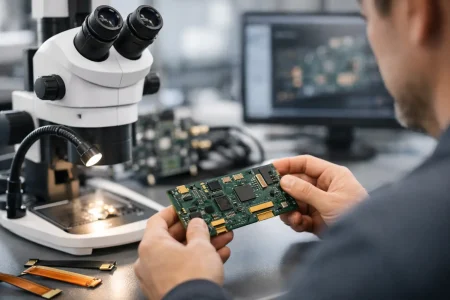
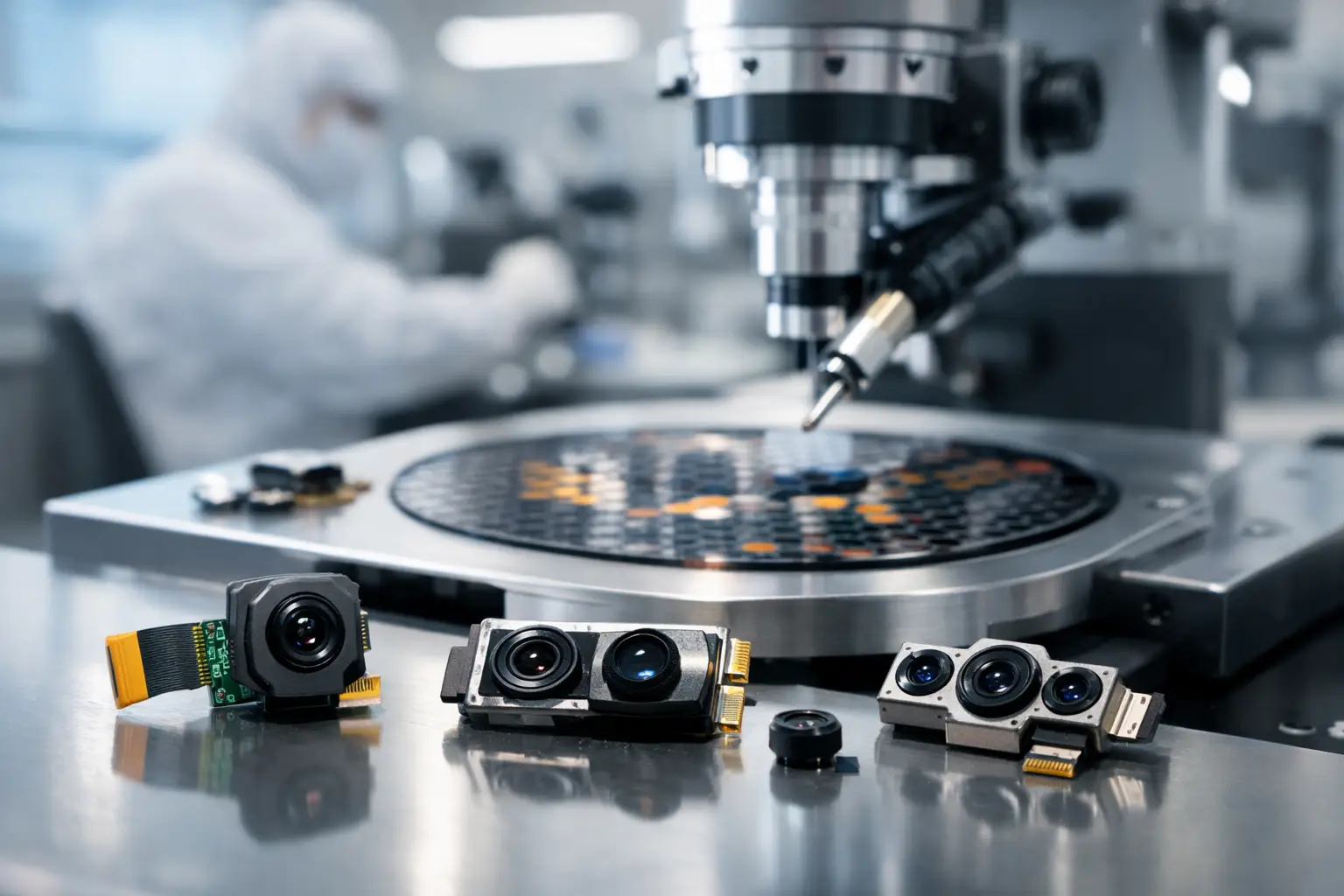
Manufacturing lines are placing more emphasis on active alignment, lens focus verification, sensor cleanliness, image quality testing, and traceability. Cleanroom assembly is especially relevant for modules where dust or contamination on the sensor and lens can create visible defects. The exact test plan should match the product risk. A consumer accessory and a medical device will not require the same validation depth, documentation, or lot-control process.
This is also where scale creates a real distinction. Producing a promising engineering sample and producing thousands of consistent modules are different capabilities. Volume readiness requires controlled materials, validated work instructions, test fixtures, yield management, and a process for responding when components change or supply conditions tighten.
Supply-Chain Resilience Is Now Part of Camera Design
Sensor availability, lens lead times, connector sourcing, and component lifecycle changes continue to influence camera module programs. OEMs are reducing risk by avoiding designs that depend on one difficult-to-replace component when the application permits alternatives. They are also requesting clearer lifecycle communication, approved substitute paths, and earlier notice of component changes.
Dual sourcing is not always practical. Different sensors may require different tuning, mechanical changes, driver work, and requalification. Still, a manufacturer with broad sensor access and engineering flexibility can help a buyer assess whether a second-source strategy is realistic before a supply disruption occurs.
The trade-off is straightforward. A highly optimized custom module may produce the best application result, while a module built around widely available parts may offer stronger continuity. The correct balance depends on annual volume, product lifecycle, regulatory requirements, and the cost of a production interruption.
What OEM Teams Should Specify Before Requesting Samples
A productive camera module request begins with more than resolution and interface. Engineers should provide the target application, operating distance, field of view, lighting conditions, working environment, host platform, desired frame rate, cable length, module envelope, and anticipated production volume. Procurement teams should also communicate forecast timing, qualification expectations, and any documentation requirements.
When those requirements are incomplete, sample selection becomes guesswork. A supplier may deliver a technically functional module that is unsuitable for the final enclosure or cannot meet a low-light requirement under actual operating conditions. Early samples should be tested in the real device, with real illumination and real software, rather than only on a desktop evaluation board.
SincereFirst supports this approach by combining standard camera module options with custom development across MIPI, DVP, USB, FPC, medical, and endoscope imaging applications. The objective is not to force every project into a standard part. It is to move from image requirement to manufacturable module with fewer integration surprises.
The Competitive Advantage Is Repeatability
The strongest camera module programs are built around repeatable performance, not a one-time demonstration image. OEMs that align optical requirements, interface architecture, mechanical constraints, validation criteria, and supply planning early can move faster with less redesign risk. As camera modules become the intelligent eyes inside more connected products, the manufacturing partner that can protect consistency from prototype through volume production becomes part of the product strategy.