
If your team needs a camera that can show up as a ready-to-use video device over USB, the real question is often not sensor resolution first. It is compatibility. That is where the question what is a UVC camera module becomes practical, because UVC can remove driver work, shorten integration time, and reduce risk in product development.
What is a UVC camera module
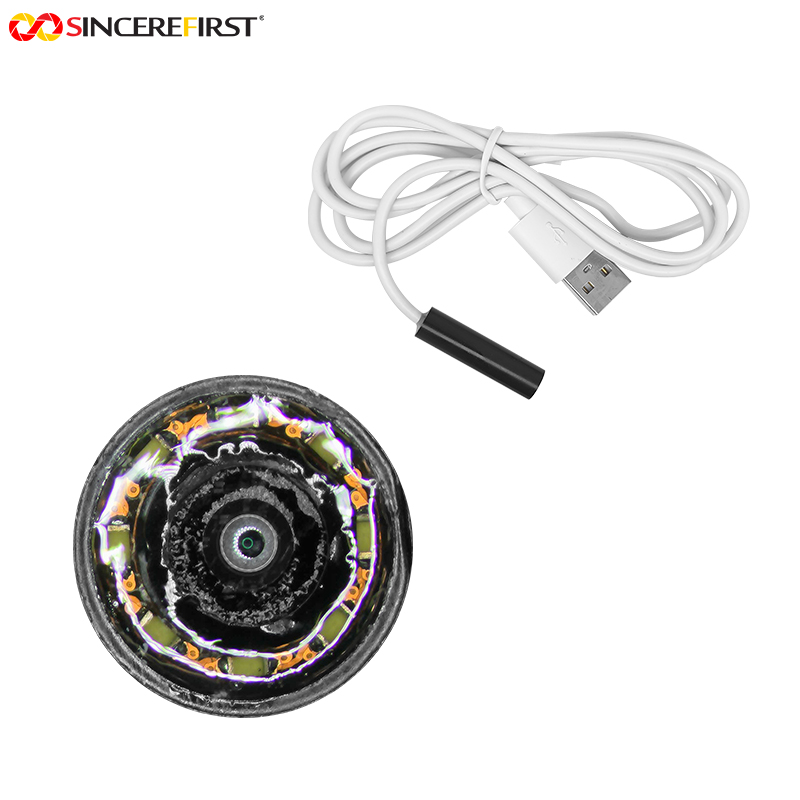
A UVC camera module is a USB camera module that follows the USB Video Class standard. In simple terms, it is designed to communicate video over USB using a standardized protocol that operating systems already understand. When connected to a host device, it is typically recognized as a generic camera without requiring a custom driver.
That driver-free behavior is the main reason UVC matters. For OEMs, system integrators, and embedded product teams, it can save meaningful engineering time. Instead of building and maintaining a proprietary USB video stack, the product can often rely on native support from Windows, Linux, Android, and other compatible platforms.
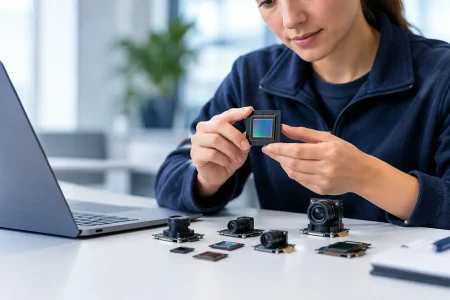
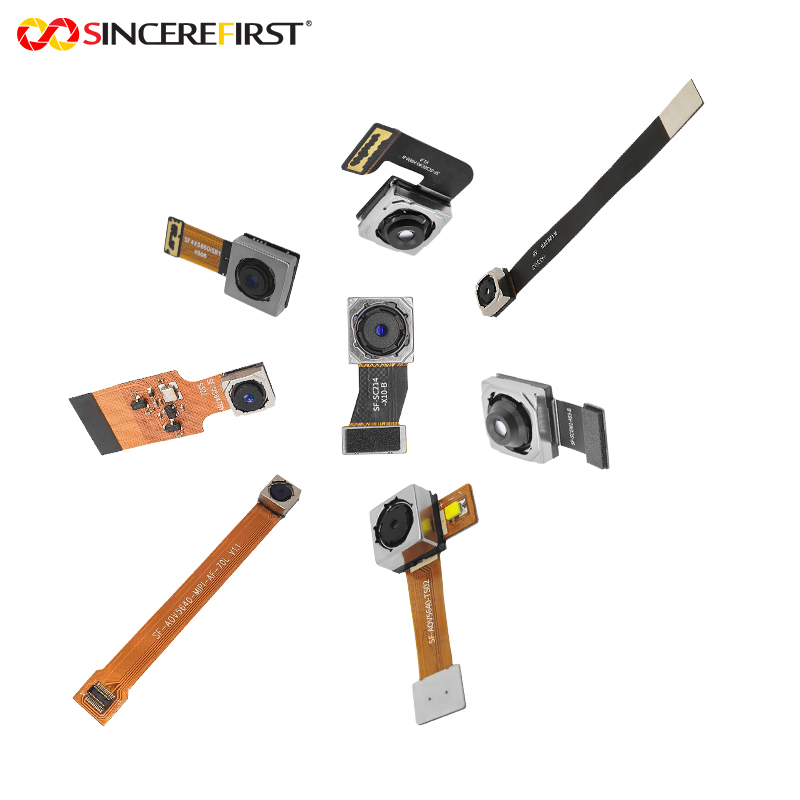
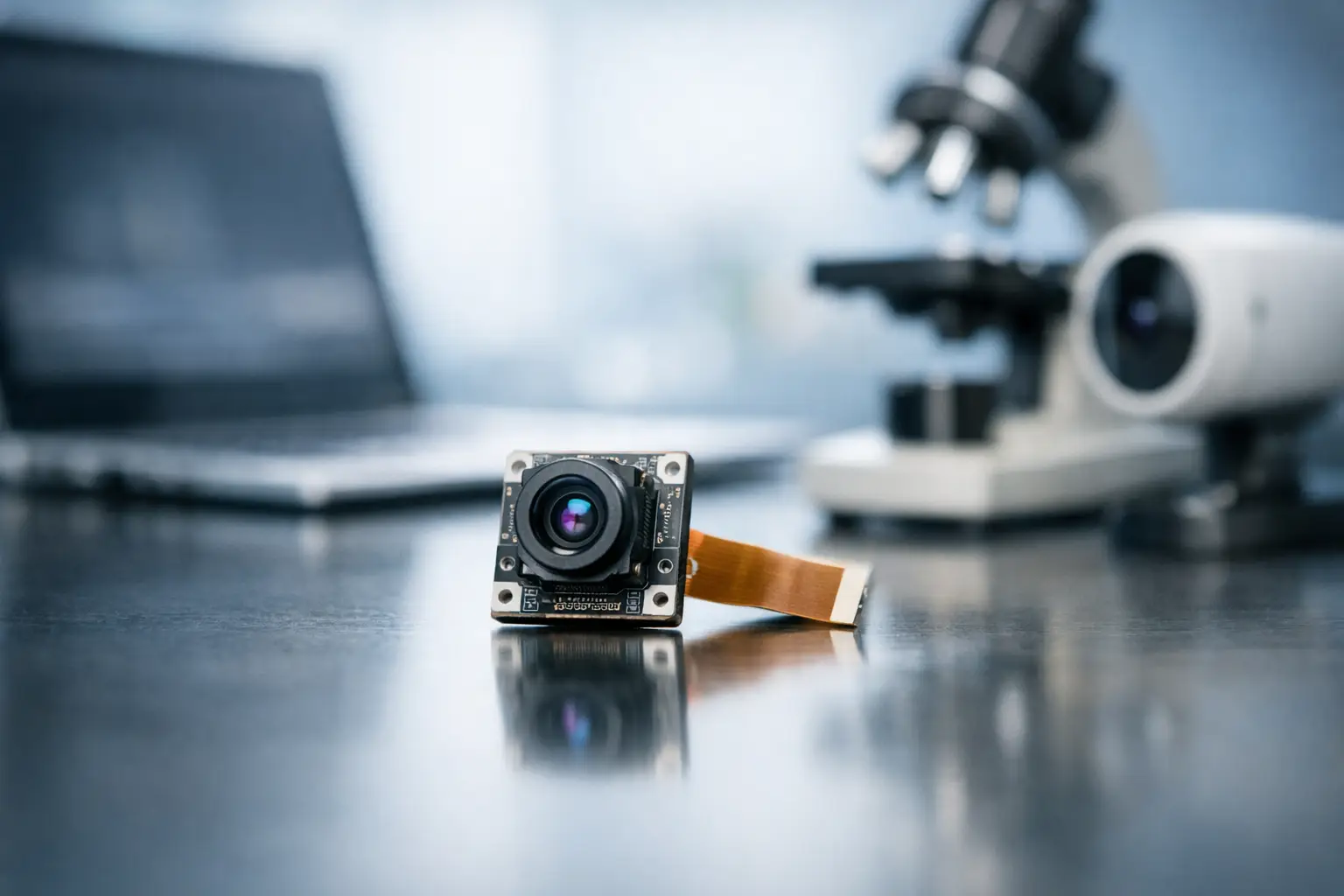
A UVC camera module is not just a sensor on a board. It usually combines the image sensor, lens interface or fixed lens, image processing support, USB interface circuitry, firmware, and connector design in a compact assembly. Depending on the application, it may also include microphones, LEDs, flexible cables, low-light tuning, autofocus, or custom housing integration.
How a UVC camera module works
The operating principle is straightforward. The image sensor captures optical data, the onboard processor or bridge formats that data into a supported video stream, and the USB interface transmits it to the host system. Because the module follows the UVC specification, the host treats it as a standard video device.
In practice, that means a developer can connect the module and access it through common software frameworks, test tools, or application environments much faster than with a non-standard camera interface. For many projects, this shortens proof-of-concept work and speeds up software validation.
The exact video path still depends on the module design. Some UVC modules output compressed formats such as MJPEG or H.264 to reduce bandwidth demands. Others provide uncompressed YUY2 or similar formats when image fidelity matters more than interface efficiency. That choice affects frame rate, host CPU load, latency, and USB bandwidth use.
Why UVC matters in commercial device development
For a consumer webcam, UVC is convenient. For a commercial device, it can be a strategic advantage.
A standardized USB video interface simplifies system architecture. Procurement teams benefit because they are not tied to a highly specialized software dependency. R&D teams benefit because bring-up and testing are faster. Product managers benefit because schedule risk is lower when camera integration does not depend on custom driver development for every target operating system.
This matters even more in multi-market products. A medical device, kiosk, industrial terminal, smart locker, inspection tool, or robotics platform may ship across different hardware and software environments. A UVC-based design can reduce friction during deployment and maintenance.
That said, UVC is not automatically the best option in every case. It is often the best fit when plug-and-play behavior, broad compatibility, and development speed are priorities. If your product needs very deep ISP control, ultra-tight power budgets, direct raw sensor access, or a non-USB host architecture, another interface may be better.
Typical features of a UVC camera module
Most UVC camera modules are evaluated on a combination of imaging performance and integration practicality. Resolution is the obvious starting point, but it is only one part of the decision. Frame rate, low-light behavior, field of view, distortion, color tuning, focus type, and module dimensions usually matter just as much.
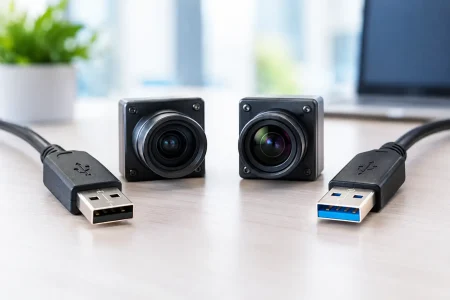
USB version is another major factor. USB 2.0 UVC modules are widely used for cost-sensitive designs and moderate video requirements. They work well for many 720p and some 1080p use cases, depending on compression and frame rate targets. USB 3.0 UVC modules support higher bandwidth, which makes them better suited to higher resolutions, higher frame rates, and lower compression requirements.
Mechanical integration also deserves attention early. In embedded products, the camera is rarely floating on a test bench forever. Teams need to confirm board size, mounting method, cable orientation, connector type, shielding needs, heat behavior, and lens placement relative to the industrial design.
What is a UVC camera module used for
The answer depends on the balance between simplicity and performance.
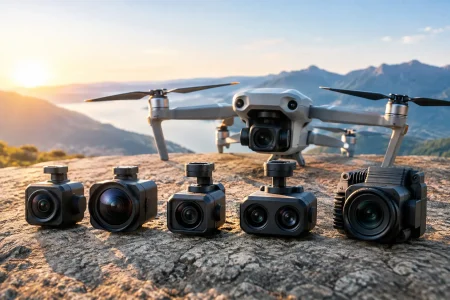
UVC camera modules are common in video conferencing equipment, document scanners, self-service kiosks, barcode and OCR systems, diagnostic devices, portable instruments, access control terminals, facial recognition systems, industrial HMIs, and light machine vision tasks. They are also widely used in healthcare peripherals, educational devices, smart retail systems, and service robots.
For embedded teams, one of the biggest advantages is that a UVC module can often be dropped into an existing USB-capable host design with less software overhead than MIPI or other processor-direct interfaces. That makes it attractive for projects where the host platform is already fixed and the camera needs to be integrated quickly.
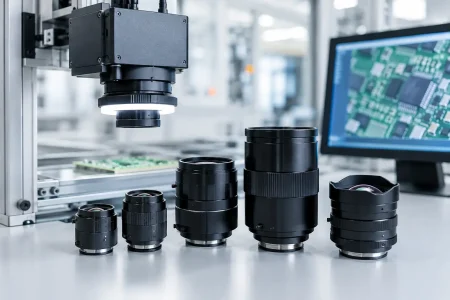
In industrial settings, UVC can be especially useful for operator-facing imaging, remote assistance, process documentation, and moderate-speed inspection workflows. For high-end machine vision with hard real-time demands, synchronized multi-camera control, or raw image pipeline access, designers may still choose a more specialized interface.
UVC vs other camera interfaces
This is where trade-offs matter.
Compared with MIPI camera modules, UVC modules are generally easier to integrate at the software level because they connect through USB and use a standard class protocol. MIPI, however, often offers tighter integration with the application processor, lower latency in some architectures, and better control for mobile or highly optimized embedded designs.
Compared with DVP modules, UVC modules usually offer a more modern and host-friendly route for products built around USB-capable processors or x86 platforms. DVP can still make sense in legacy systems or specific MCU/SoC environments, but it typically requires more interface-specific development.
Compared with proprietary USB cameras, UVC reduces long-term software dependency. That can lower maintenance cost and make field support easier. The trade-off is that standardization may limit certain custom control options unless the module firmware is designed to expose them appropriately.
So when buyers ask what is a UVC camera module, the better follow-up question is this: do you need the fastest path to reliable USB video integration, or do you need the deepest possible control over the imaging pipeline? The right answer depends on the product.
Key selection criteria for OEM buyers
A UVC module should be selected as part of a system, not as an isolated component.
Start with the image requirement. Define the actual working distance, lighting conditions, target frame rate, and field of view. A 1080p module can still perform poorly if the lens, ISP tuning, or low-light behavior does not match the use case.
Next, confirm host compatibility. Not every host platform handles every format and resolution combination equally well. USB bandwidth allocation, processor capability, and application software constraints all affect real-world performance.
Then look at manufacturing fit. For commercial programs, the supplier must be able to support sample speed, revision control, cable and connector customization, lens tuning, and stable volume production. A technically acceptable module is not enough if the production plan cannot scale.
Regulatory and environmental needs also come into play. Medical, industrial, and outdoor-adjacent products may require tighter control over materials, consistency, cleanliness, or operating temperature range.
For that reason, many B2B buyers prefer a manufacturing partner that can supply standard UVC modules and also customize optics, PCB dimensions, FPC length, housing, illumination, and firmware behavior. That combination is often what turns a lab prototype into a production-ready camera subsystem.
Common misconceptions about UVC camera modules
One misconception is that UVC means low performance. It does not. UVC describes the communication standard, not the image quality ceiling. A UVC camera can range from a basic low-cost module to a high-resolution USB 3.0 design intended for demanding embedded applications.
Another misconception is that driver-free means no integration work. In reality, UVC simplifies a major part of the software path, but system design still matters. Exposure behavior, white balance, lens choice, enclosure effects, cable routing, EMC considerations, and application-level controls still need engineering attention.
A third misconception is that all UVC modules behave the same. They do not. Sensor selection, ISP tuning, firmware implementation, USB stability, and manufacturing consistency can vary significantly between suppliers.
When a UVC camera module is the right choice
A UVC camera module is usually the right choice when your product needs standard USB connectivity, fast integration, broad OS support, and dependable video functionality without custom driver development. It is especially attractive for commercial devices where time to market, field compatibility, and scalable manufacturing all matter.
If your application needs advanced imaging customization beyond standard controls, or if the host platform is optimized for MIPI rather than USB, another architecture may be the better engineering decision. Good camera selection is rarely about picking the most familiar interface. It is about choosing the one that reduces total product risk.
For many embedded products, UVC hits that balance well. It gives development teams a practical path from evaluation to production while keeping deployment simpler for the end customer. And when the module is backed by a manufacturer that understands sensors, optics, firmware, and volume delivery, UVC becomes more than a convenience feature. It becomes a reliable foundation for the device you are building.
If you are evaluating camera options for a new product, start with the real operating conditions, not just the spec sheet. That is usually where the right module reveals itself.