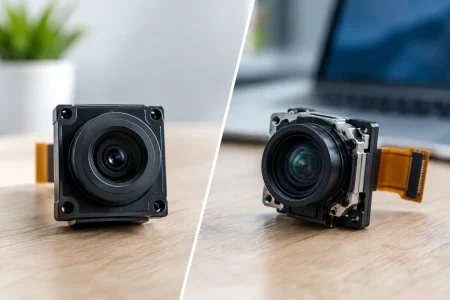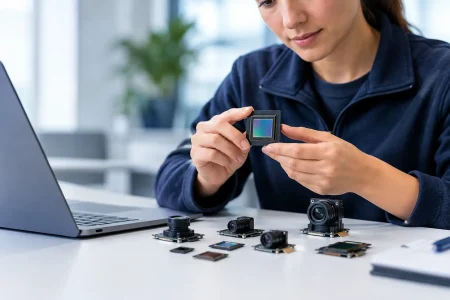

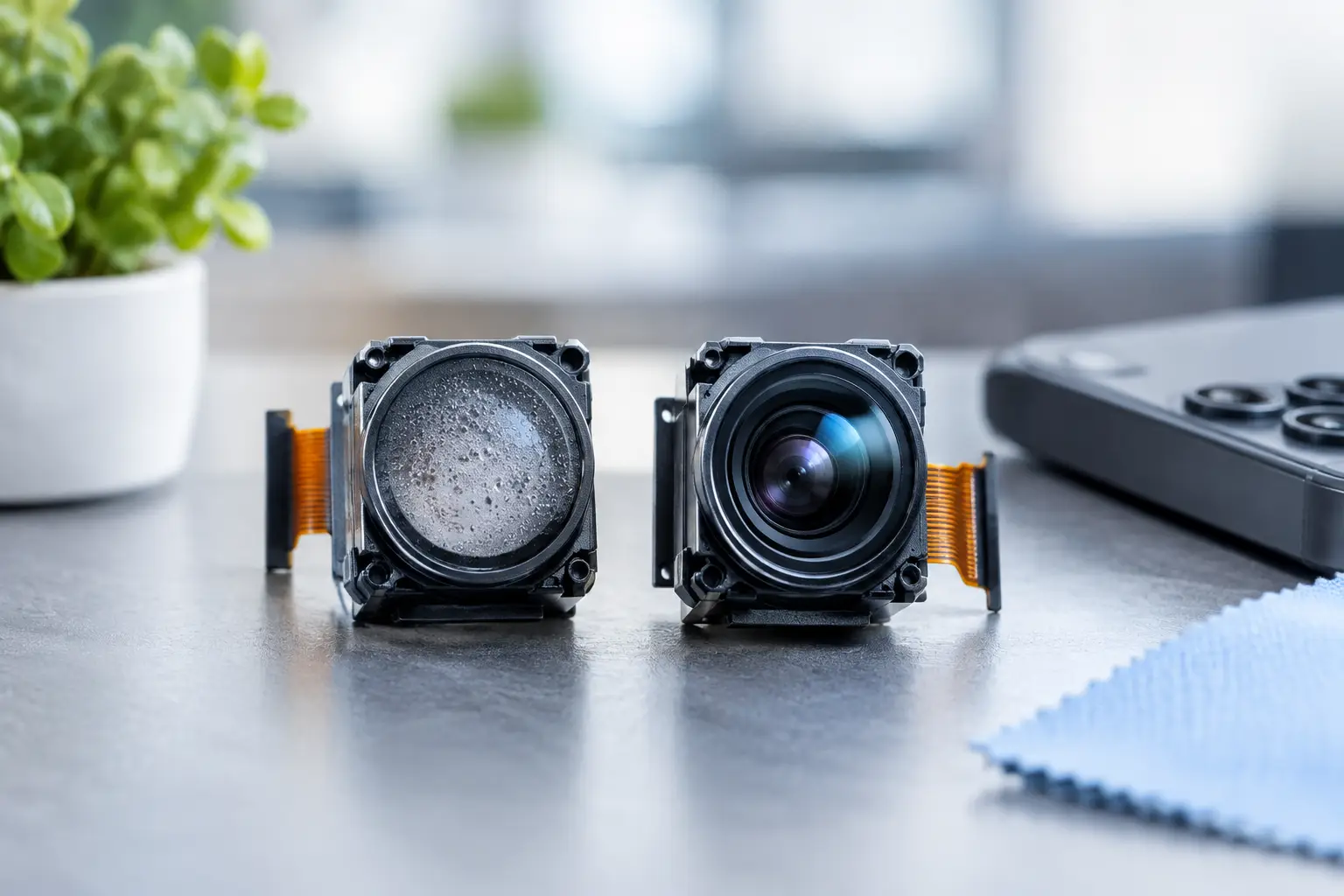
A camera can pass optical inspection in a cleanroom, deliver sharp images during bench testing, and then develop a hazy field of view after one cold start in the field. For OEMs, this is more than a cosmetic defect. When asking why camera modules fog, the real concern is whether moisture, temperature changes, material selection, or assembly controls can compromise image quality over the product life.
Fogging occurs when water vapor inside or around the optical path condenses into microscopic droplets on a lens surface, cover glass, sensor window, or internal filter. Those droplets scatter light. The result can be reduced contrast, loss of fine detail, flare around bright objects, unstable automatic exposure, and unreliable machine vision decisions. In medical, industrial, security, and robotics equipment, a temporary fogging event may create a system-level failure.
Why Camera Modules Fog in Real Devices
The immediate cause is straightforward: a surface becomes colder than the dew point of the air near it. Water vapor changes from an invisible gas to visible droplets. The engineering challenge is that camera modules have several places where moisture can originate and several conditions that can trigger condensation.
A module may contain residual humidity from assembly, cleaning, storage, or packaging. Moisture can also enter through imperfect sealing, cable exits, connector interfaces, adhesive boundaries, or housing joints after installation. Even a well-built module can fog if it is placed inside an enclosure that traps humid air and then experiences a rapid temperature drop.
The optical stack is particularly vulnerable because glass, metal barrels, sensor packages, and plastic housings do not all heat and cool at the same rate. A cold lens or cover glass can reach the dew point before the surrounding air does. Condensation then forms exactly where it has the greatest effect on image performance.
Condensation versus Contamination
Not every cloudy image is moisture fog. Lens contamination, adhesive outgassing, residue from cleaning agents, coating damage, and internal dust can create similar symptoms. The difference matters because the corrective action is different.
Condensation often appears and disappears with temperature or humidity changes. It may form after moving equipment from a cold loading area into a warm humid space, after washdown, or during a power-on cycle. Contamination tends to remain visible and may show a uniform film, localized stains, or fixed particles under inspection. A controlled temperature-humidity test is usually the fastest way to separate these failure modes.
The Main Sources of Moisture in Camera Assemblies
For product teams, the question is not simply whether the camera module is sealed. It is where water vapor can be introduced across the full manufacturing chain.
First, hygroscopic materials can absorb moisture before final assembly. Certain plastics, flex materials, tapes, foam gaskets, adhesives, and potting compounds can retain water from ambient storage. When the finished device heats up, that moisture may be released as vapor into the enclosure.
Second, adhesive curing can create risk. An adhesive may meet bond-strength requirements while still releasing volatile compounds or retaining moisture if the dispensing, cure profile, or material handling is not controlled. Optical assemblies require qualified low-outgassing materials and a process window that is validated, not assumed.
Third, air trapped during assembly becomes part of the internal environment. If final closure occurs at high relative humidity, the trapped air may contain enough water vapor to condense later. A camera module installed into a larger housing can therefore fog even when the module itself passed outgoing inspection.
Finally, field ingress can occur over time. Thermal expansion, vibration, chemical exposure, UV aging, and mechanical stress can degrade a seal. The risk increases in outdoor cameras, agricultural equipment, mobile robots, vehicle systems, endoscopes, and industrial equipment exposed to washdown or frequent temperature cycling.
Why Sealing Alone Does Not Always Solve Fogging
A higher IP rating can be necessary, but it is not a complete anti-fog strategy. A tightly sealed enclosure prevents new moisture from entering, yet it can also trap moisture already inside. If humid air is sealed into the product, the first cold cycle may still produce fog.
Sealing design also depends on pressure behavior. As a device moves through temperature or altitude changes, internal pressure shifts. Repeated pressure differentials stress gaskets, welds, adhesive seams, and cable interfaces. A fully hermetic design is possible in select applications, but it adds cost, process complexity, and service limitations. For many commercial products, the right solution is a balanced combination of controlled assembly humidity, validated sealing, appropriate materials, and moisture management.
A breathable membrane can be useful in some outdoor systems because it equalizes pressure while limiting liquid water ingress. However, membrane selection must consider vapor transmission, chemical resistance, particulate exposure, and the operating environment. It is not automatically suitable for every compact camera enclosure.
Thermal Cycling Is Often the Trigger
Thermal cycling reveals weaknesses that room-temperature testing misses. Consider a warehouse barcode reader installed near a loading dock. It may sit in cold air overnight, then operate in a warmer, more humid facility. The cover glass warms slowly, humid air contacts its cold surface, and fog appears during the period when reliable decoding is needed most.
The same mechanism affects security cameras after rain, robot vision systems moving between refrigerated and ambient zones, and medical imaging assemblies subjected to sterilization or cleaning workflows. A device can function correctly for hours and then fail briefly at transition points.
Engineering teams should define the actual temperature ramp rate, humidity range, power profile, and mounting condition. A camera operating continuously may self-heat enough to avoid condensation. The identical module in an intermittently powered device may cool below the dew point between duty cycles. It depends on the thermal design of the complete system, not just the camera specification.
Engineering Controls That Prevent Camera Module Fogging
The most reliable prevention program starts before tooling is finalized. It combines optical, mechanical, material, and process decisions rather than relying on one corrective measure after a field failure.
Control Moisture During Manufacturing
Cleanroom assembly is valuable because it reduces particles, but humidity control and material conditioning are equally relevant for fog prevention. Sensitive components should be stored according to defined moisture limits, and assembly conditions should be monitored rather than recorded only as a general facility target.
Before final sealing, teams may use controlled drying, bake-out processes, dry-air handling, or nitrogen purging where the application justifies it. The correct method depends on allowable component temperature, adhesive chemistry, production volume, and required product life. Excessive bake temperature can damage optical coatings, deform plastics, or alter adhesive performance, so this step requires validation.
Design the Optical Cavity Carefully
Reduce voids that can trap humid air, but do not create mechanical stress on the lens or sensor. Specify gasket compression, adhesive bead geometry, screw torque, and cable routing as measurable production requirements. In compact modules, small variations in adhesive placement or housing flatness can create a moisture path.
Desiccants can help in larger enclosures with adequate volume and service life calculations. They are less practical in miniature camera modules because space is limited and capacity can be exhausted. Anti-fog coatings may be appropriate for exposed cover windows, especially when external condensation is the primary problem. They do not address moisture already trapped inside the camera cavity.
Validate the Complete Device, Not Only the Module
A camera module supplier can validate optical quality, focus stability, and module-level reliability, but the final product enclosure changes the risk profile. Qualification should include the finished device, installed cable assembly, lens window, heat sources, and intended mounting orientation.
Useful tests commonly include high-temperature and high-humidity storage, temperature-humidity cycling, thermal shock where appropriate, ingress testing, vibration, and powered functional imaging during transitions. The acceptance criteria should go beyond “camera powers on.” Measure image haze, contrast loss, flare, pixel defects, focus shift, and recovery time after exposure.
For machine vision applications, test the actual algorithm or inspection target. A small contrast reduction that looks acceptable to the human eye can materially reduce barcode decoding, object detection, measurement accuracy, or defect classification.
A Practical Failure-Analysis Path
When fog is found, avoid immediately changing the lens or adding more sealant. Start by documenting whether the fog is internal or external, which optical surface is affected, the temperature and humidity at onset, how long recovery takes, and whether the issue repeats after cycling.
Next, isolate the assembly level. Test the bare module, then the module in its subassembly, then the completed product. If the bare module remains clear but the finished unit fogs, the enclosure process, trapped air, or system thermal profile is the likely source. If the module fogs independently, inspect material handling, sealing interfaces, adhesive cure, and module packaging.
Cross-sectioning or destructive analysis may be justified for recurring failures, particularly in high-volume programs. Look for incomplete adhesive coverage, voids, warped sealing faces, fiber or flex exit paths, and contamination near the optical cavity. A supplier should be able to translate those observations into controlled process changes and verification testing.
Specifying a Camera Module for Humid or Harsh Environments
Procurement and engineering teams should provide environmental requirements early in supplier discussions. “Outdoor use” is not enough. Define temperature range, relative humidity, condensation exposure, water contact, chemical exposure, power duty cycle, expected product life, and whether the camera views through an external cover glass.
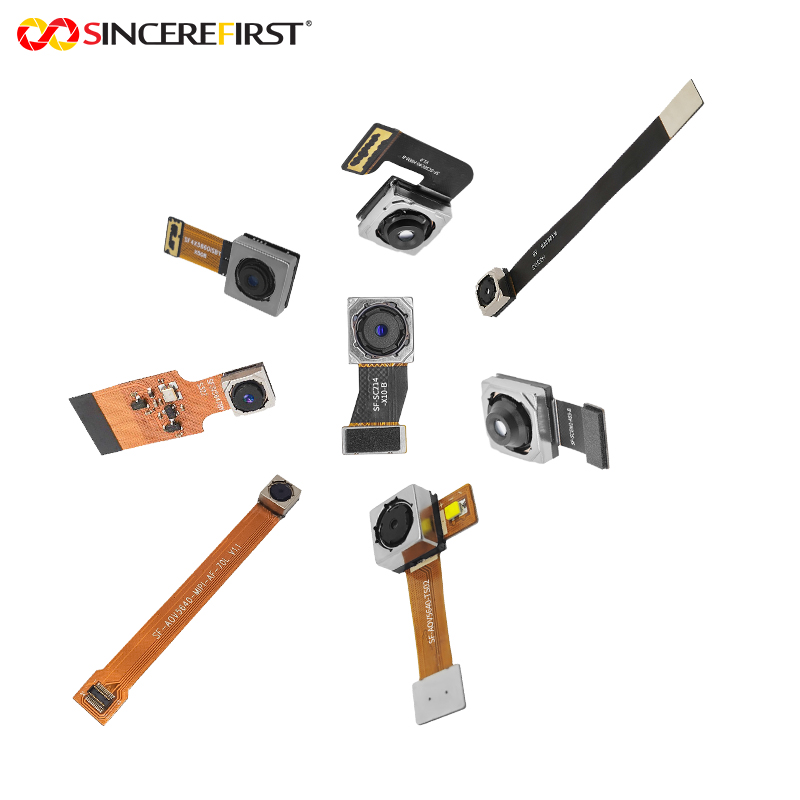
Also clarify whether the module needs an open lens barrel, a pre-bonded cover window, a custom housing, infrared filtering, LEDs, or an endoscope form factor. Each configuration changes how heat moves and where moisture can collect. A standard module may be the fastest route for controlled indoor equipment, while a customized optical and mechanical assembly is often the better long-term decision for demanding field conditions.
SincereFirst supports this type of evaluation through camera module customization, controlled manufacturing, and imaging integration built around the actual operating environment. The goal is not simply a camera that produces a good image on day one. It is a repeatable optical assembly that continues producing usable images after production, installation, and real-world temperature transitions.
Fogging is usually a system problem with a visible optical symptom. Treat moisture control, thermal behavior, sealing, and manufacturing process discipline as one design task, and the camera module becomes far less likely to surprise you when the environment changes.