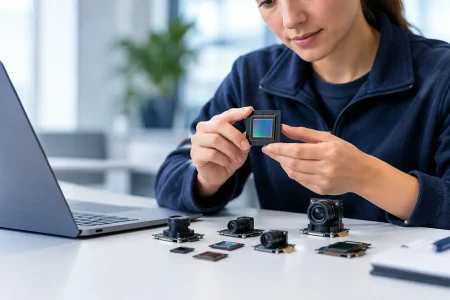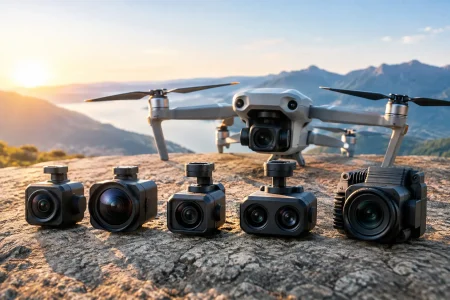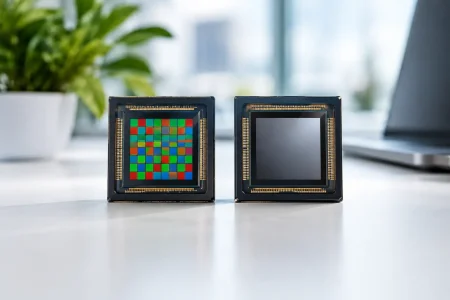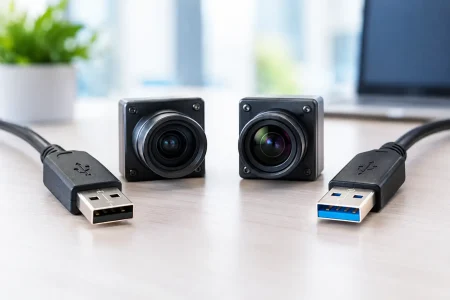

A Sony IMX766 camera module can give an embedded product a major imaging advantage, but sensor selection alone does not determine final image quality. The IMX766 is widely recognized for pairing high resolution with a relatively large optical format, making it a strong candidate for devices that need detailed still images, effective digital cropping, and credible low-light performance in a compact assembly. For OEMs and system integrators, the real engineering question is whether the complete module – sensor, lens, interface, mechanics, software, and production controls – matches the product requirements.
Why the Sony IMX766 Camera Module Remains Relevant
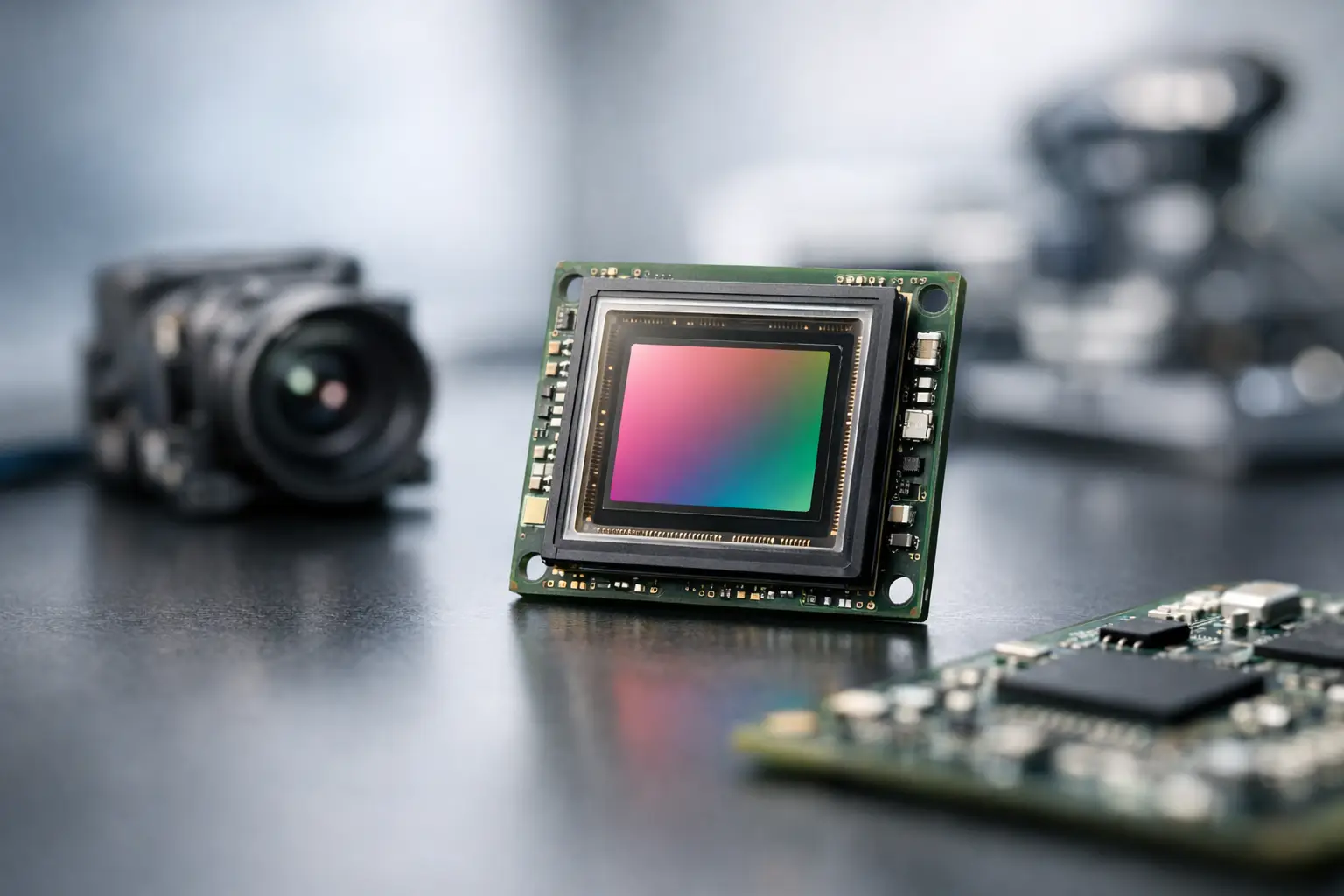
The Sony IMX766 is commonly used as a 50-megapixel-class mobile imaging sensor with a 1/1.56-inch optical format and approximately 1.0 μm pixel pitch. Its quad-pixel color filter arrangement allows a camera system to prioritize full-resolution capture in favorable light or combine pixel data for improved sensitivity and manageable output sizes. That flexibility is valuable when one device must support several operating conditions rather than one fixed imaging task.
For embedded vision teams, the sensor’s appeal is not simply its headline pixel count. A larger sensor captures more light than the small-format sensors often selected for compact modules, while the available resolution creates room for electronic image stabilization, region-of-interest cropping, inspection zoom, and post-capture analysis. These benefits are particularly relevant to handheld diagnostic equipment, smart terminals, mobile robotics, retail scanners, and advanced security devices.
There are trade-offs. More pixels increase bandwidth, memory, processing demand, storage requirements, and thermal load. A system that only needs 1080p video or basic barcode reading may obtain better cost, power, and depth-of-field results from a smaller sensor. The IMX766 is a better fit when image quality and framing flexibility justify a more capable optics and processing platform.
Sensor Performance Depends on the Module Around It
A camera module is an optical and electrical system, not a sensor mounted on a board. Even an excellent sensor can produce soft edges, focus drift, color inconsistency, noise, or unstable video if the surrounding design is poorly controlled.
Lens selection sets the usable image quality
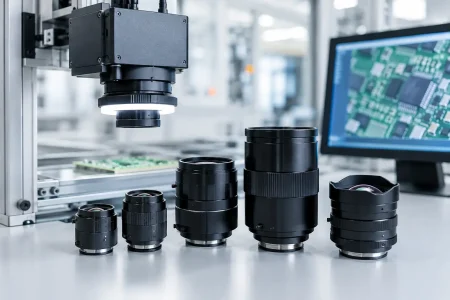
The lens must cover the IMX766 image circle and resolve sufficient detail across the field of view. A low-cost lens may allow the system to advertise a high-resolution sensor while losing much of its benefit through corner blur, chromatic aberration, flare, or field curvature. Lens choice should begin with the required working distance, field of view, depth of field, distortion target, aperture, and operating illumination.
A wide-angle lens works well for navigation cameras and room-scale monitoring but introduces distortion that may require calibration. A narrower field of view can improve inspection detail at a known distance. For industrial products, a fixed-focus module is often the most stable and economical choice when the object distance is controlled. Autofocus is useful for handheld and consumer-like experiences, but it adds actuator control, tuning work, power draw, and mechanical validation requirements.
Interface planning prevents late-stage bottlenecks
Most IMX766 designs are implemented with a MIPI CSI-2 output. The host processor, carrier board, flex cable, and connector must be selected around the target resolution, frame rate, bit depth, lane configuration, and available ISP bandwidth. A module may physically connect to a host platform yet fail to deliver the intended mode because the processor cannot ingest or process the selected data rate.
Engineering teams should define early whether the host will receive RAW Bayer data or processed output. RAW capture preserves the greatest tuning control and is usually preferred for products with a capable ISP or custom image pipeline. It also demands more engineering resources. Processed output can shorten integration for some systems, but it limits access to sensor-level data and may reduce flexibility for specialized machine-vision algorithms.
Signal integrity matters as much as protocol support. MIPI routing, impedance control, cable length, EMI performance, grounding, and connector retention should be reviewed as part of the module design. These details become more critical in compact enclosures, moving robotic platforms, and electrically noisy industrial equipment.
Image tuning is a product requirement
The camera’s ISP pipeline determines how sensor data becomes a usable image. Exposure control, white balance, demosaicing, denoising, sharpening, tone mapping, lens shading correction, and color correction all shape the final result. Default tuning can be a starting point, not a final production specification.
For example, a medical display camera may need consistent color reproduction and controlled sharpening so clinicians can assess surface detail without artificial halos. An outdoor security terminal may prioritize motion handling and highlight retention. An agricultural device may need stable color separation for vegetation analysis. The correct tuning target depends on the scene, illumination, display path, and algorithm operating on the images.
Key Questions Before Specifying an IMX766 Module
A productive camera module inquiry starts with application conditions rather than only sensor model and resolution. Clear requirements reduce prototype iterations and help suppliers recommend the right optics, mechanical format, and interface configuration.
The first requirement is the imaging task. Is the system detecting objects, documenting evidence, measuring dimensions, reading labels, supporting video calls, or guiding a robotic arm? Each task has different priorities. An inspection camera may value low distortion and fixed geometry. A wearable device may value size, autofocus, and low power. A security unit may need WDR behavior and low-light tuning.
The second requirement is operating distance and illumination. A module intended to image a target at 150 mm cannot be designed the same way as one monitoring a scene from several meters away. Specify minimum and maximum object distance, available light level, light source type, flicker conditions, reflective surfaces, and whether infrared illumination is present. These factors directly influence lens aperture, focus design, exposure strategy, and filter selection.
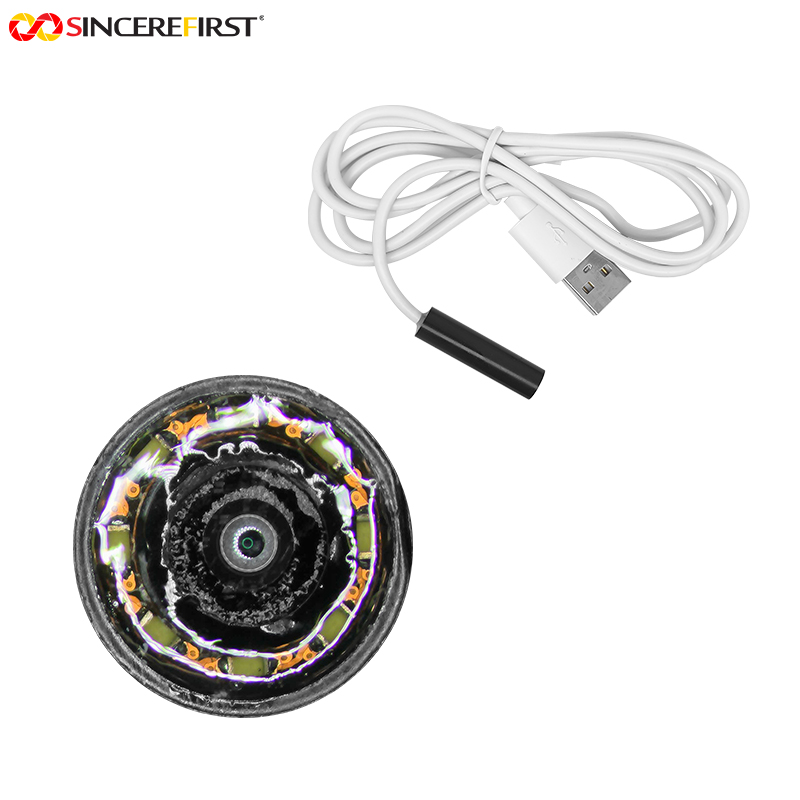
The third is system architecture. Define the processor platform, supported MIPI CSI-2 lanes, required output modes, operating system, driver ownership, physical cable path, enclosure space, and target power budget. If the application requires USB connectivity, the design may need a bridge board and UVC firmware rather than a direct MIPI module. That choice changes latency, size, power, and software integration.
Finally, establish production targets early. A sample that performs well on a bench is not yet a production-ready camera assembly. Volume programs need approved component sourcing, controlled assembly processes, focus and optical inspection standards, electrical testing, traceability, packaging criteria, and change-management discipline.
Customization Options for Embedded Products
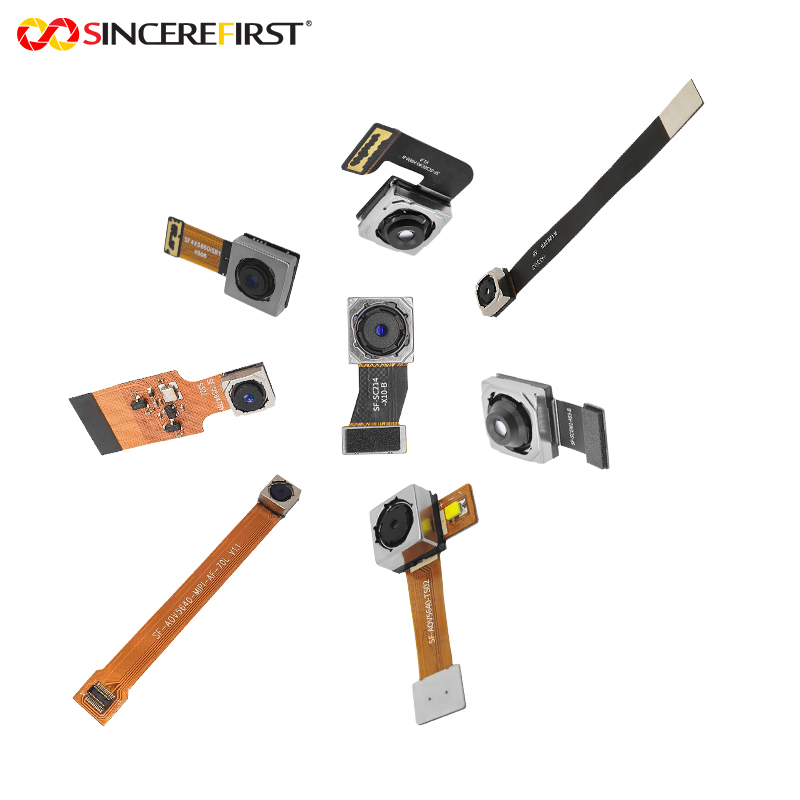
A standard Sony IMX766 camera module can accelerate proof-of-concept work, but commercial devices often require customization. The most useful changes are usually practical rather than cosmetic: a different lens field of view, fixed-focus calibration distance, FPC length and pinout, connector orientation, board shape, mounting holes, shielding, or filter stack.
Mechanical customization can determine whether a module survives installation and use. A camera integrated into a robot, handheld instrument, or outdoor terminal may need a specific mounting datum, adhesive strategy, vibration resistance, thermal path, or protective cover-glass clearance. If a cover window is added after lens selection, reflections and focus shifts can compromise image quality. The optical stack should be designed and validated as one system.
For specialized deployments, engineering teams may also require module-level testing calibrated to their application. This can include focus verification, image uniformity checks, dead-pixel screening, color response targets, MIPI communication testing, and final inspection standards. The right test plan depends on risk. A high-volume consumer accessory and a professional diagnostic device do not carry the same validation burden.
A Practical Validation Path
Begin with representative scenes, not only laboratory charts. Capture images across the actual working distance, expected motion, low and high illumination, difficult colors, reflective materials, and temperature range. Test the complete optical stack, including the final enclosure window, because it can introduce flare, ghosting, and contamination issues absent from an open-board evaluation.
Next, verify performance at the intended output mode. A module that produces attractive full-resolution stills may behave differently when the product uses binned video, electronic stabilization, low-latency streaming, or AI preprocessing. Measure end-to-end latency, dropped frames, CPU and ISP loading, power consumption, and thermal behavior. These measurements reveal system constraints before tooling and certification stages.
Then run pilot builds with the intended manufacturing process. Focus consistency, adhesive cure behavior, flex handling, connector insertion, ESD exposure, and test fixture repeatability are all common sources of variation. A supplier with camera module engineering and scaled manufacturing capability can turn pilot findings into controlled process improvements rather than treating them as isolated sample issues.
SincereFirst supports OEM and ODM programs with standard and customized imaging assemblies, combining module design, optical component knowledge, rapid samples, and production-focused quality control. For buyers evaluating an IMX766-based design, the most useful next step is to provide the real use case, host platform, mechanical envelope, and image-quality target. Those details make it possible to build a camera solution that performs not only in a demonstration, but throughout the life of the product.