
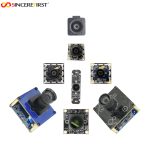
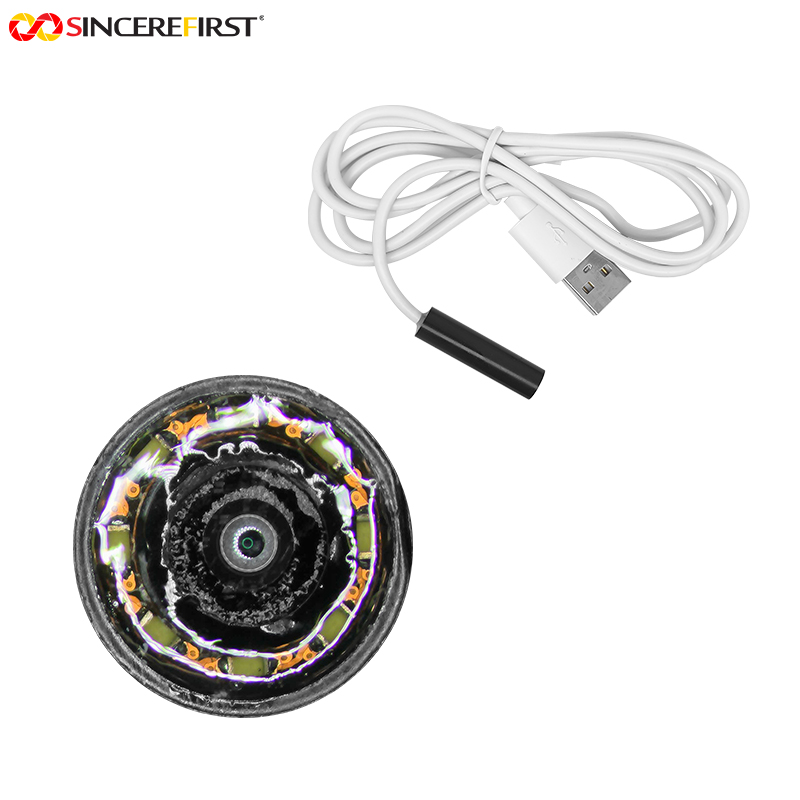
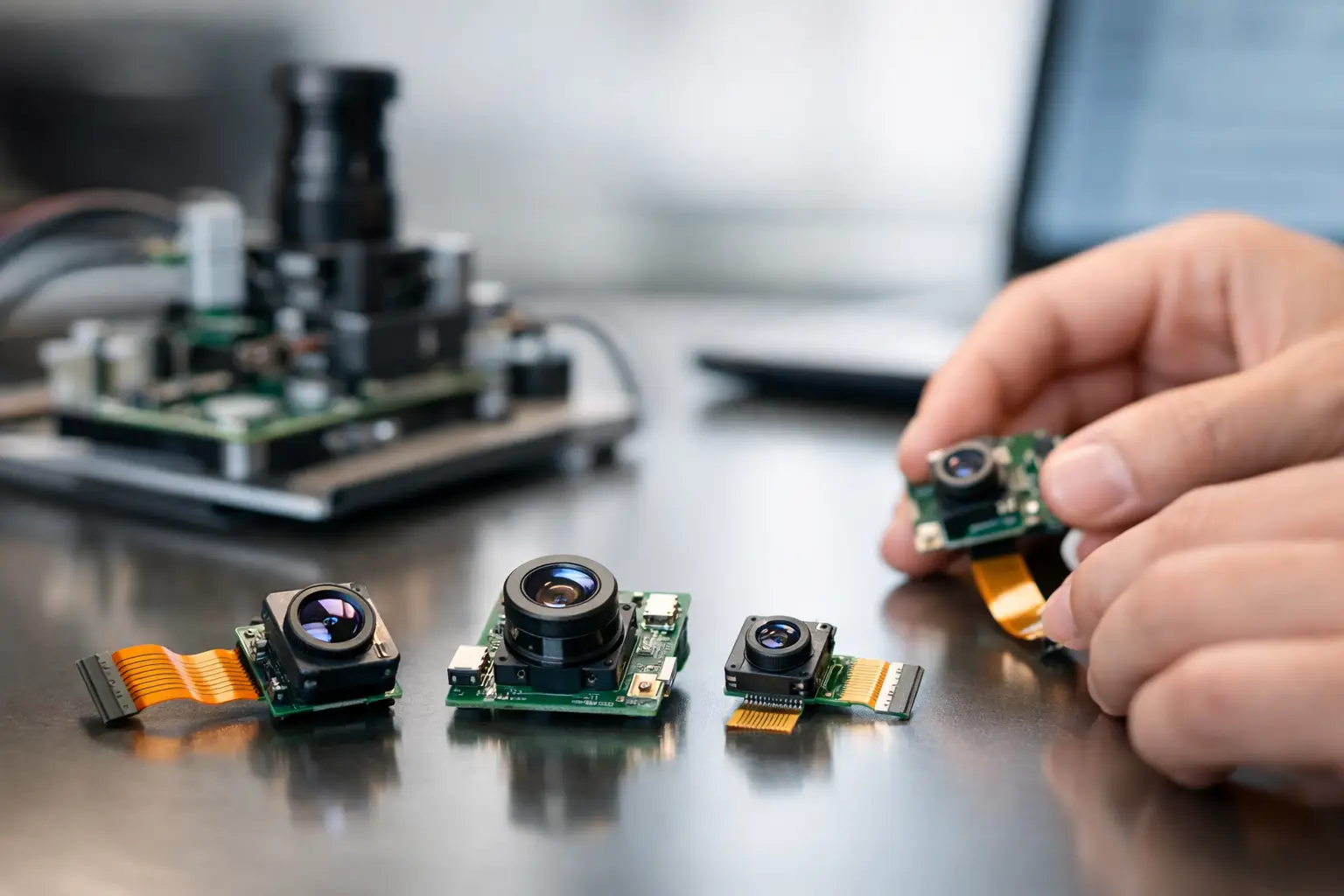
A delayed camera sample can stop an otherwise ready hardware program. The mechanical enclosure may be complete, the processor board may boot, and the application software may run, yet the team cannot validate image quality, field of view, latency, or low-light performance without the actual module. Fast sample camera modules are designed to remove that bottleneck, giving engineering teams a practical path from concept validation to design freeze without waiting through an extended sourcing cycle.
For OEMs, system integrators, and device developers, speed is valuable only when the sample is relevant to the intended production design. A quickly shipped module with the wrong interface, unstable image tuning, or an unsuitable lens may create more rework than it prevents. The right sampling process balances rapid delivery with clear engineering decisions, controlled quality, and a realistic plan for volume manufacturing.
Why fast samples change the development schedule
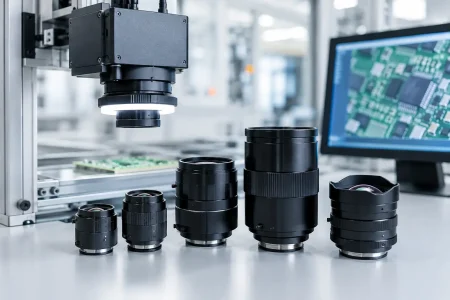
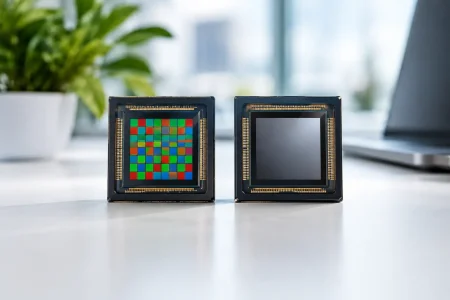
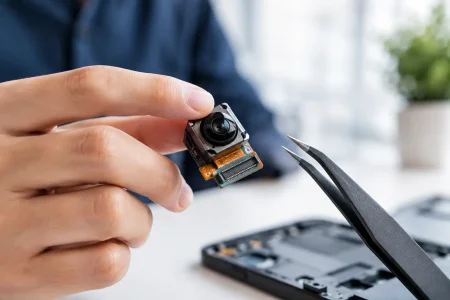
Camera integration is rarely a simple component swap. A sensor selection affects the required MIPI CSI-2 lane configuration, processor load, memory bandwidth, power consumption, thermal behavior, and image signal processor settings. The lens affects focus distance, distortion, field of view, and corner sharpness. Even the FPC length, connector orientation, and module thickness can determine whether the camera fits the device enclosure.
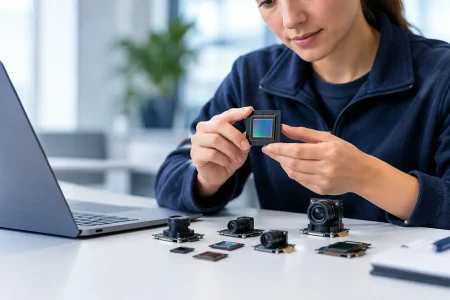
When samples arrive early, those variables can be tested while mechanical, electrical, and firmware work continue in parallel. An R&D team can verify whether a rolling-shutter sensor is acceptable for a moving robot, whether automatic exposure handles a warehouse lighting transition, or whether a fixed-focus lens resolves the required barcode size at the intended working distance. Finding a mismatch at this stage is manageable. Finding it after PCB release or tooling approval is expensive.
Fast sampling is especially useful when a product has a firm launch window, an existing platform needs a camera upgrade, or a proof of concept must be demonstrated to customers and investors. It also helps purchasing teams move beyond a datasheet comparison. The module can be evaluated in the actual device rather than under ideal laboratory conditions.
What a production-relevant sample should include
A useful sample is not defined only by shipping speed. It should reflect the essential architecture of the final design and arrive with enough technical information for the integration team to proceed.
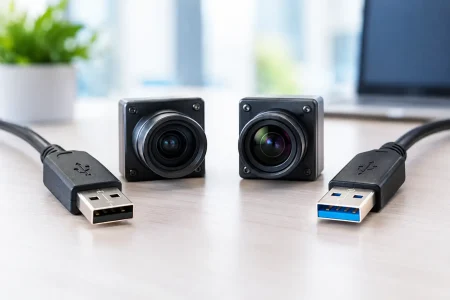
At a minimum, the supplier and customer should align on the image sensor model, resolution, frame rate, output interface, lens specification, module dimensions, connector type, and operating requirements. For a MIPI camera module, that discussion includes lane count, data rate, pin definition, FPC routing, and target processor compatibility. For USB2.0, USB3.0, or UVC camera modules, it includes video format, bandwidth, cable requirements, driver expectations, and host operating system.
Image requirements need equal attention. A 5-megapixel module can be the wrong choice if the application needs 60 frames per second, and a higher-resolution sensor does not automatically produce a better system image. For inspection equipment, lens distortion and edge definition may matter more than headline pixel count. For a medical or endoscope application, compact diameter, color reproduction, illumination performance, and controlled image output may take priority. For security or smart-city equipment, low-light sensitivity, wide dynamic range, and reliable performance across changing environments often lead the selection.
Sample documentation prevents false starts
A camera module should be accompanied by practical integration data, not only a product label. Engineering teams benefit from a mechanical drawing, connector pinout, interface description, power requirements, supported formats, lens parameters, and recommended test conditions. Where applicable, supplier-provided register settings, image tuning guidance, or a reference driver can shorten bring-up time.
This documentation is not an administrative extra. It lets the customer determine whether an image issue is caused by the sensor, the optical stack, the host platform, cabling, power integrity, or ISP configuration. Clear data also protects the schedule when the project moves from a development board to a custom PCB.
Choosing the right fast sample camera modules
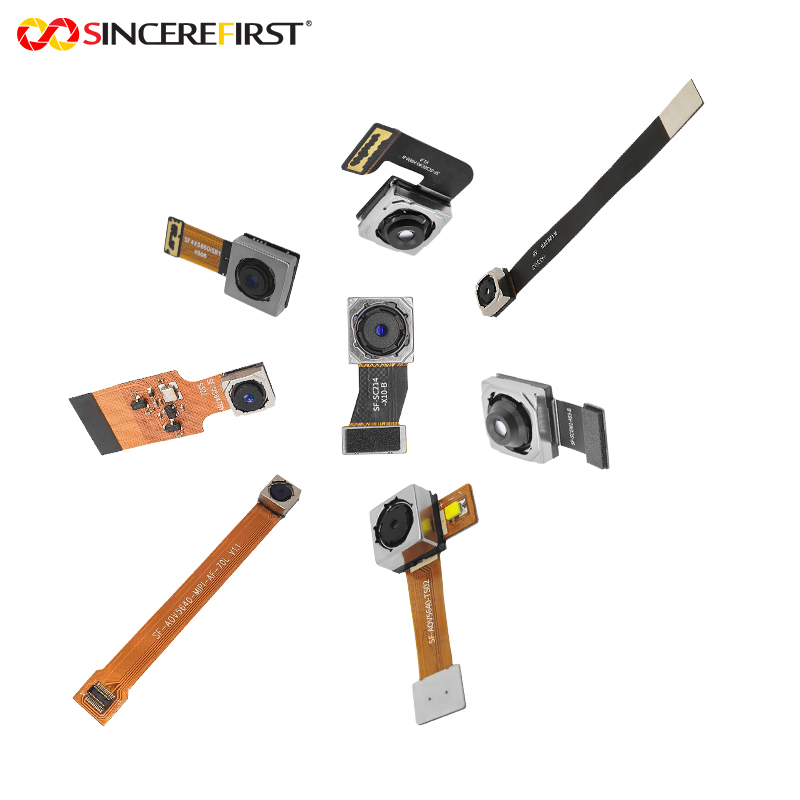
The fastest route is often to begin with a standard module that is close to the final requirement. Standard FPC, MIPI, DVP, USB, and UVC designs can provide a proven foundation for sensor and interface evaluation. Once the core imaging behavior is confirmed, the design can be adjusted for lens selection, FPC length, connector position, mounting features, and housing constraints.
That approach is not always appropriate. If the finished device has a narrow internal cavity, a nonstandard working distance, a specific color target, or demanding environmental conditions, a standard sample may validate only part of the design. In these cases, early customization is usually more efficient than treating the standard module as a finished answer.
The decision depends on risk. A catalog module is effective for validating software, interface compatibility, and general image performance. A tailored sample is more valuable when the optical and mechanical design are central to product success. The best supplier will make this distinction early rather than pushing a standard part into an application it cannot serve well.
The engineering questions to settle before sampling
A concise project brief can prevent weeks of back-and-forth. It should identify the host processor or controller, required interface, target resolution and frame rate, preferred module envelope, field of view, working distance, lighting conditions, and intended annual volume. The team should also describe the image task: human viewing, object detection, measurement, document capture, code reading, telepresence, or recording.
Environmental details matter. A module intended for an indoor desktop device faces a very different design challenge than one used in agricultural equipment, factory automation, or outdoor security hardware. Vibration, temperature range, moisture exposure, electromagnetic interference, and cable length can affect both module construction and verification plans.
It is also necessary to state what “fast” means for the project. Some programs need an off-the-shelf sample for immediate testing. Others need a modified module within a defined development window. The supplier should distinguish between stock availability, engineering sample lead time, optical customization time, and the later timeline for pilot and mass production. Combining those milestones into one vague promise creates avoidable confusion.
Speed without control creates expensive rework
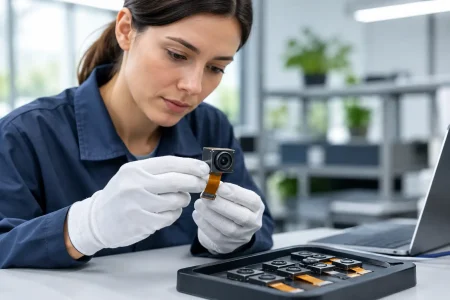
Fast sample delivery should not bypass incoming inspection, image checks, or traceability. An engineering team needs confidence that multiple samples behave consistently enough to support decisions. Minor sample-to-sample variation can be expected in some imaging parameters, but unexplained differences in focus, color, frame stability, or connector fit are warning signs.
A disciplined manufacturer uses defined inspection points for incoming materials, assembly, optical alignment, functional testing, and final inspection. Cleanroom-controlled assembly is particularly relevant for compact modules, where dust or contamination on the sensor and lens can appear as visible image defects. For production programs, the question is not simply whether one sample works. It is whether the supplier can reproduce the approved configuration at the required scale.
There are trade-offs. Tight optical alignment, special lens selection, extended cable designs, and custom housings can add time and cost. They may still be the right choice if they reduce field failures or avoid a redesign. Conversely, a mature standard module may shorten the development path significantly when its specifications already match the application.
Moving from sample approval to scalable supply
A sample should be treated as the first stage of supplier qualification, not a separate transaction. Once the module passes initial integration tests, the project should progress through a controlled review of image performance, mechanical fit, electrical reliability, approved materials, and expected production demand.
The transition is smoother when the supplier can support both standard products and custom OEM or ODM development. SincereFirst applies this model across embedded machine vision, industrial imaging, medical imaging, and compact camera module applications, pairing responsive sample development with manufacturing capability for volume programs.
Before design freeze, request confirmation of the final bill of materials, sensor availability strategy, lens specification, connector source, test standards, packaging method, and change-control process. Component availability deserves special attention because image sensors, connectors, and optical parts can have different market lifecycles. A low-cost design that depends on a constrained component may introduce more risk than a slightly higher-cost design with a stable supply plan.
Pilot production is the point where assumptions become measurable. It reveals whether assembly yield, focus consistency, test coverage, and packaging protection are ready for commercial deployment. Teams that involve manufacturing early can resolve these issues before a customer shipment is at stake.
Use the sample to answer the hard questions
The most productive camera evaluation is application-specific. Test the module at real distances, with actual targets, typical motion, expected illumination, and the intended host hardware. Review images at the conditions where the device must succeed, not only in a well-lit office.
Fast samples create momentum, but disciplined evaluation turns that momentum into a dependable product. Select a module that is close enough to the production design to reveal real risks, insist on clear technical data and repeatable quality, and use the sample period to build a supply plan that can support the product long after the prototype receives approval.