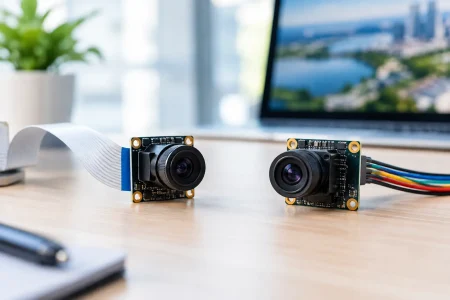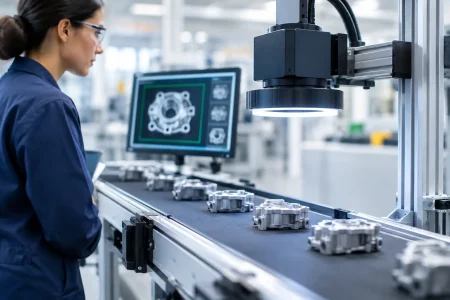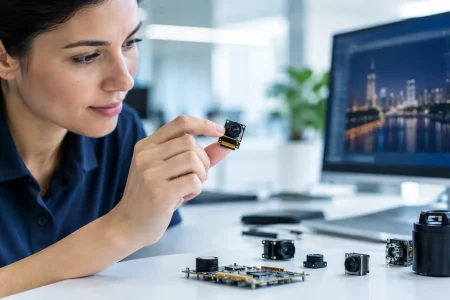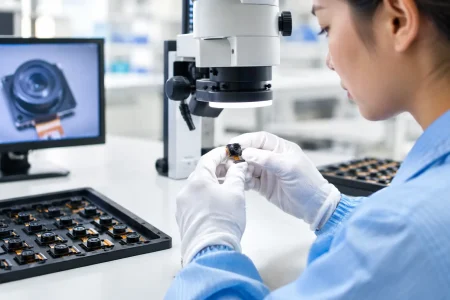

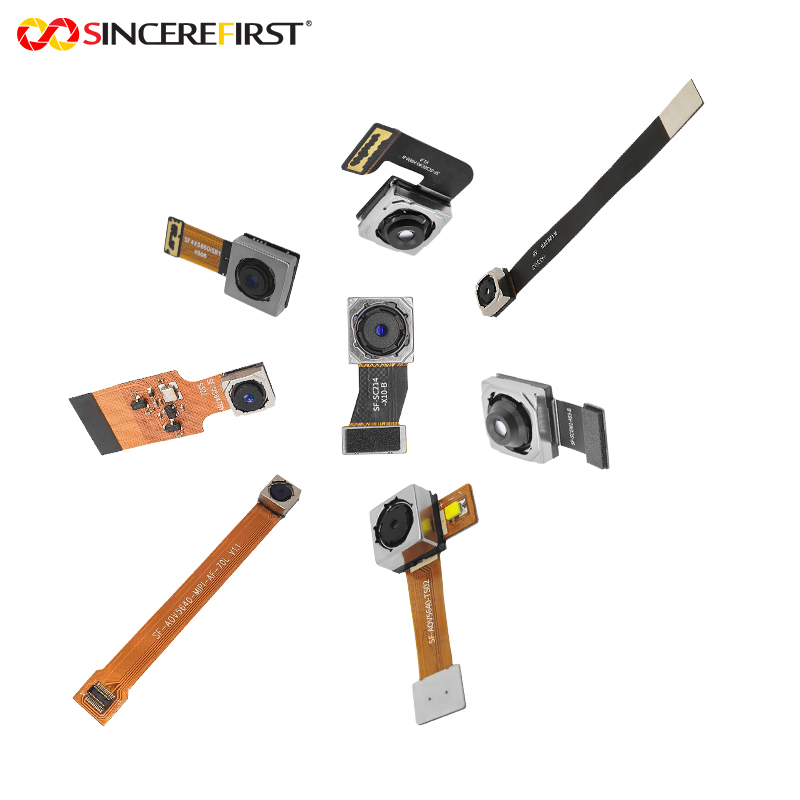
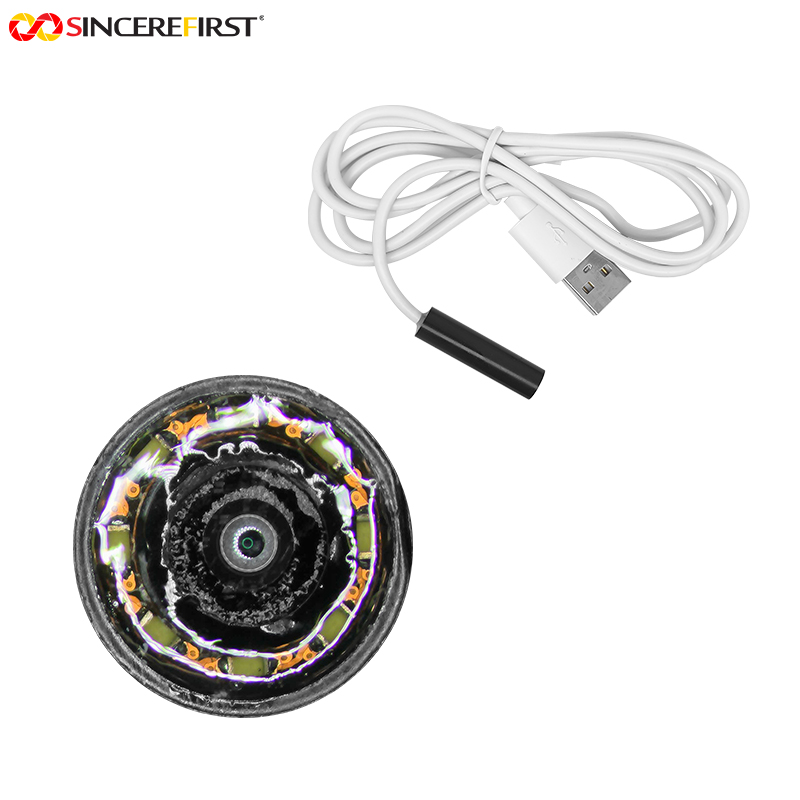
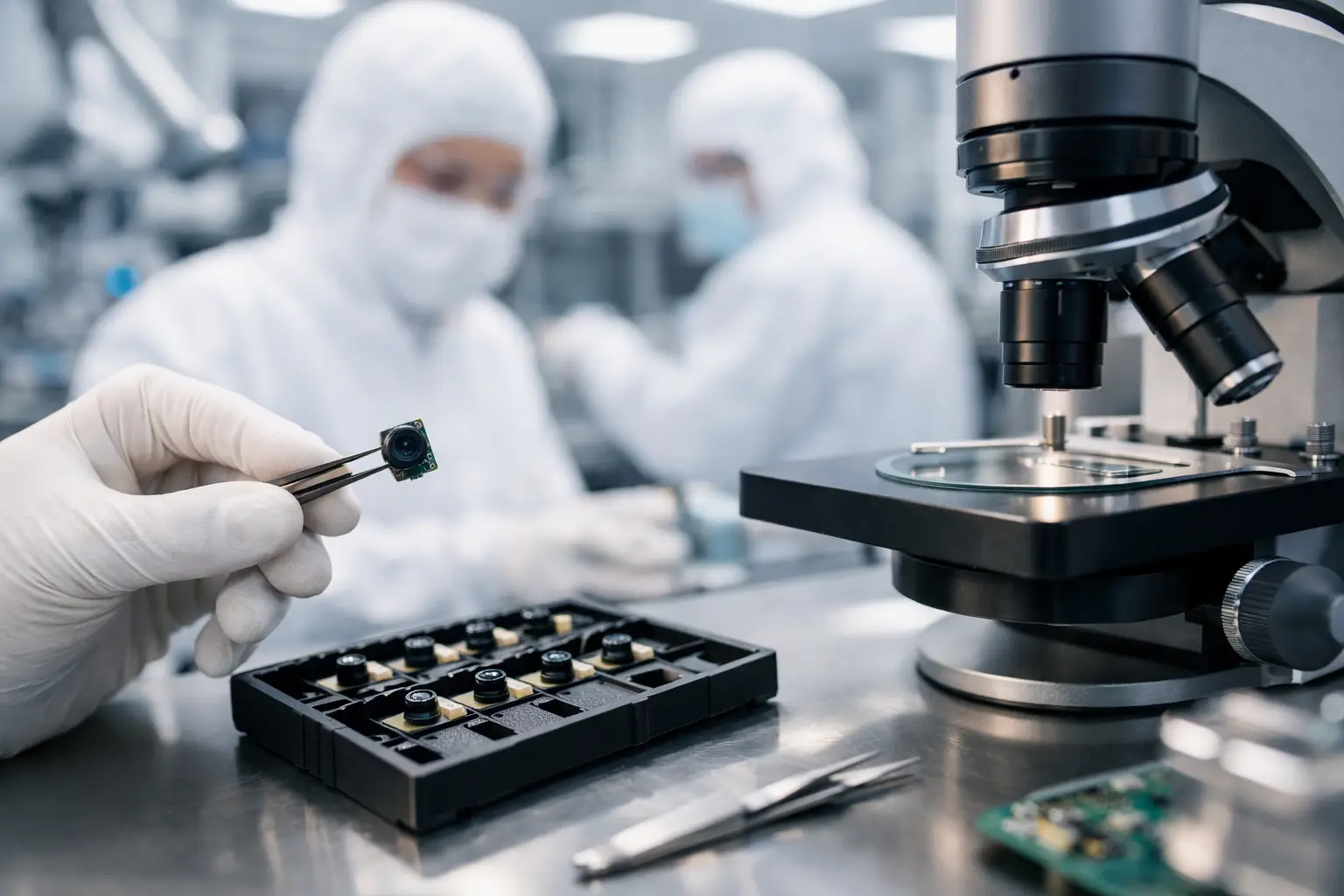
A camera module can meet every paper specification and still fail where it matters most – at final image quality, assembly yield, or long-term field reliability. That gap is often decided on the factory floor. In cleanroom camera module manufacturing, contamination control is not a branding detail. It directly affects optical performance, sensor integrity, bonding consistency, and the repeatability buyers need when they are shipping medical devices, robotics platforms, industrial equipment, or embedded vision products at scale.
For OEMs and system integrators, this matters early in supplier selection. If your product depends on stable MTF, low particle defects, accurate alignment, and repeatable output across batches, manufacturing environment is part of the product specification. A module is not only defined by sensor model, lens stack, interface, or resolution. It is also defined by how it is built.
What cleanroom camera module manufacturing changes
Camera modules combine optics, sensors, flexible circuits, adhesives, filters, connectors, shielding parts, and often highly constrained mechanical structures. At small form factors, even minor contamination can become a visible defect or a hidden reliability issue. Dust on the lens, residue near the sensor, particles introduced during bonding, or contamination during active alignment can lead to image artifacts, focus inconsistency, rework, and scrap.
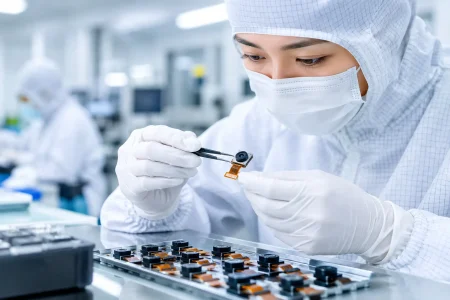
Cleanroom camera module manufacturing reduces these risks by controlling airborne particles, operator behavior, material flow, humidity, temperature, and static conditions during sensitive production stages. The goal is not simply cleanliness for its own sake. The goal is process stability.
That distinction matters. Not every production step needs the same environmental control. A capable manufacturer identifies critical operations such as sensor attach, lens assembly, IR filter placement, glue dispensing, active alignment, final inspection, and packaging, then designs controls around the defect modes most likely to affect image quality and yield.
Why contamination has an outsized effect on camera modules
In many electronic assemblies, a tiny particle may be annoying but tolerable. In imaging products, that same particle can become a black spot, haze issue, contrast loss, or cosmetic defect visible to the end user. This is especially true in compact modules used in medical imaging, endoscopy, automation, security, and smart devices, where optical paths are tight and depth tolerances are unforgiving.
Sensor surfaces and lens elements are particularly sensitive. Once contamination enters the optical path, downstream cleaning is not always practical. Rework can add cost, damage components, and introduce additional handling risk. If adhesive is already cured or alignment is completed, the cost of correcting a defect rises fast.
This is one reason serious manufacturers treat contamination prevention as a yield strategy, not just a quality inspection task. Inspecting out defects at the end is less efficient than preventing them during assembly.
Key stages inside a cleanroom camera module manufacturing line
The highest-value cleanroom controls are usually concentrated in the assembly and inspection stages where optical and sensor-level defects can be introduced.
Material preparation and incoming control
A stable process starts before assembly. Lenses, sensors, PCBs, FPCs, housings, and adhesives need controlled storage and handling. Incoming inspection should check not only dimensional and electrical conformity, but also cleanliness, packaging condition, and lot traceability. If contaminated parts enter the line, the cleanroom has less chance of protecting final quality.
Sensor bonding and die-level handling
Sensor placement is a sensitive step because contamination, static discharge, and placement error can all affect downstream performance. Clean handling, controlled tools, and disciplined operator procedures reduce the chance of latent defects. For modules used in regulated or high-reliability products, traceability at this stage becomes especially valuable.
Lens assembly and active alignment
Lens mounting is where optical precision and cleanroom discipline meet directly. Active alignment allows manufacturers to optimize focus, tilt, and image center based on real imaging output rather than nominal mechanical position. But alignment quality depends on environmental control. If particles settle during the process or adhesive behavior shifts due to temperature and humidity variation, repeatability suffers.
This is also where supplier capability varies widely. Some factories can assemble modules, but not all can hold consistent optical alignment across product variants and production volumes. Buyers should separate basic assembly capacity from true imaging process capability.
IR filter, cover glass, and sealing operations
Any surface added to the optical path creates another opportunity for particle contamination, residue, or stress-related defects. Proper sealing and inspection matter even more in modules intended for industrial, outdoor, or medical use, where operating conditions may be harsher and field service is costly.
Final image testing and packaging
A cleanroom does not replace testing. It supports better test results. Final inspection should include image performance checks such as resolution consistency, defect pixel screening, color behavior if relevant, uniformity, distortion targets, and cosmetic review for visible contamination. Packaging also matters. Poor packaging can undo upstream process control during storage or shipment.
What buyers should verify in a supplier
When evaluating a manufacturing partner, many procurement teams focus first on price, lead time, and component availability. Those are valid concerns, but for imaging products they are incomplete. A lower unit price can disappear quickly if field rejects, production delays, or integration problems increase.
The better question is whether the supplier can maintain process control from sample stage through volume production. In cleanroom camera module manufacturing, that usually means asking how the factory manages cleanliness class by process area, operator gowning, ESD protection, adhesive control, active alignment equipment, inspection methods, and lot traceability.
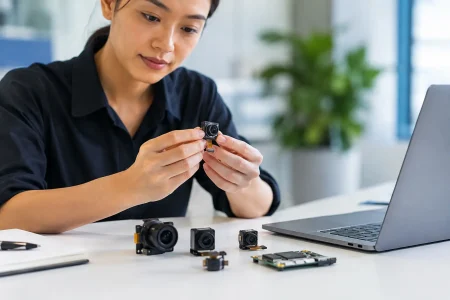
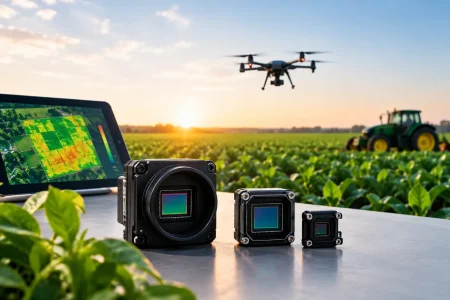
It also means checking how the supplier responds when your product is not standard. A module for a USB camera, medical instrument, agricultural device, or robot vision system may require different lens holders, board layouts, cable lengths, connector orientations, shielding structures, or optical tuning. Customization adds engineering value, but it also adds process risk if the manufacturer does not have disciplined change control.
A capable partner should be able to discuss design for manufacturability in specific terms. That includes stack-up tolerances, contamination-sensitive features, inspection points, calibration needs, and realistic yield expectations. If those conversations stay vague, the risk usually appears later.
Trade-offs that matter in real projects
Cleanroom production improves quality, but it is not a magic answer to every camera module problem. If the optical design is weak, the sensor selection is wrong, or the mechanical housing creates stress, the cleanroom alone will not rescue the product. Good imaging results come from the full combination of design, process, equipment, and quality control.
There is also a cost and speed balance. Higher cleanliness levels, tighter inspection criteria, and more controlled handling can increase manufacturing cost and process time. For a consumer accessory, that trade-off may be hard to justify. For a medical device, industrial system, or embedded product with expensive field failure consequences, it is often justified.
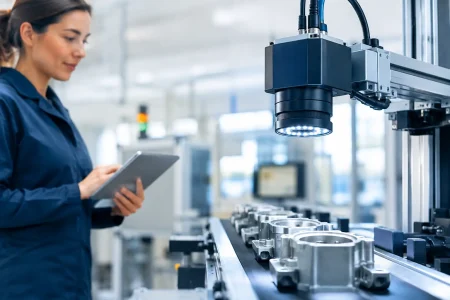
This is why the right manufacturing setup depends on application. A buyer building a high-volume standard product may optimize for throughput and stable acceptable quality. A buyer developing a specialized endoscope module or machine vision assembly may prioritize defect control, miniaturization discipline, and engineering support even if the production path is more complex.
Why scale and cleanroom discipline need to work together
Some suppliers perform well at prototype stage but struggle when volume increases. Others are efficient in mass production but slow when custom requirements appear. The stronger manufacturing partners build both flexibility and scale into the process.
That combination matters because camera module programs often evolve. Early samples may use one lens, then move to a different field of view, a new sensor, modified PCB dimensions, or a changed connector after system testing. If the manufacturer can move from prototype to pilot to high-volume cleanroom production without losing process control, project risk drops significantly.
This is where engineering depth becomes a commercial advantage. A manufacturer with experience across MIPI, USB, DVP, FPC, medical, and machine vision modules can usually identify manufacturability issues before they become quality claims. SincereFirst builds around that model – combining customization speed with controlled production and imaging-focused assembly discipline.
Cleanroom camera module manufacturing as a supplier qualification factor
For technical buyers, cleanroom capability should be reviewed the same way you review sensor sourcing, interface compatibility, and compliance needs. It is part of the supplier qualification process, not a marketing add-on.
If your module will be integrated into equipment that must perform consistently in the field, the factory environment behind that module deserves close attention. Ask how defects are prevented, not just how they are inspected. Ask how alignment is controlled, how traceability is maintained, and how quality holds when order volume increases.
The strongest camera module suppliers do not treat cleanroom control as a showroom feature. They use it to protect yield, support customization, and keep image performance stable from first sample to full production. That is the kind of manufacturing discipline that gives your product team more confidence at launch and fewer surprises after it ships.
When you are choosing a camera module partner, look past the spec sheet long enough to understand how the module is actually made. That is often where product risk is either engineered out or quietly built in.