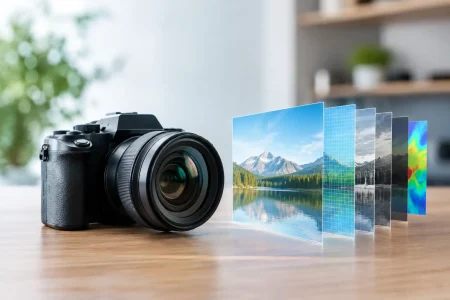

A camera module can look excellent on an evaluation board and still fail the product when it reaches the factory floor. The lens may not fit the enclosure, the ribbon cable may bend beyond its rated geometry, low light may introduce motion blur, or a software driver may not support the selected processor. Custom imaging solutions address these connected engineering decisions before they turn into costly redesigns, delayed certification, or inconsistent field performance.
For OEMs, device makers, and system integrators, the objective is not simply to source a camera. It is to build a repeatable imaging function that meets a defined application requirement and can be manufactured at commercial volume. That requires coordination across sensor selection, optical design, mechanical integration, electrical interfaces, image tuning, validation, and supply planning.
What Custom Imaging Solutions Actually Include
A custom imaging project begins with the image the device must capture and the decision that image must support. A warehouse robot may need to read labels while moving through variable lighting. A medical device may need accurate color and close-focus detail in a compact housing. An industrial inspection system may prioritize repeatable contrast at a specific working distance rather than high consumer-style resolution.
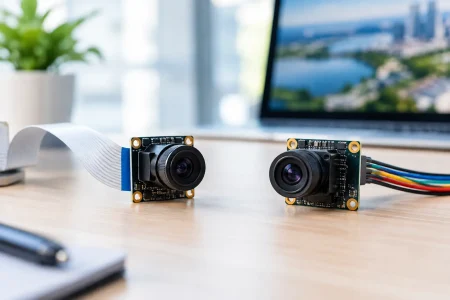
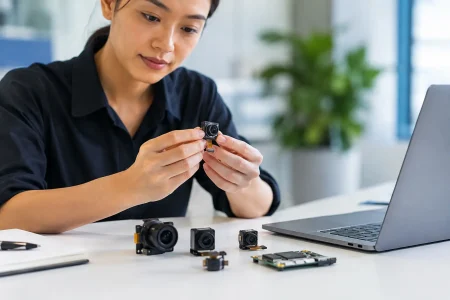
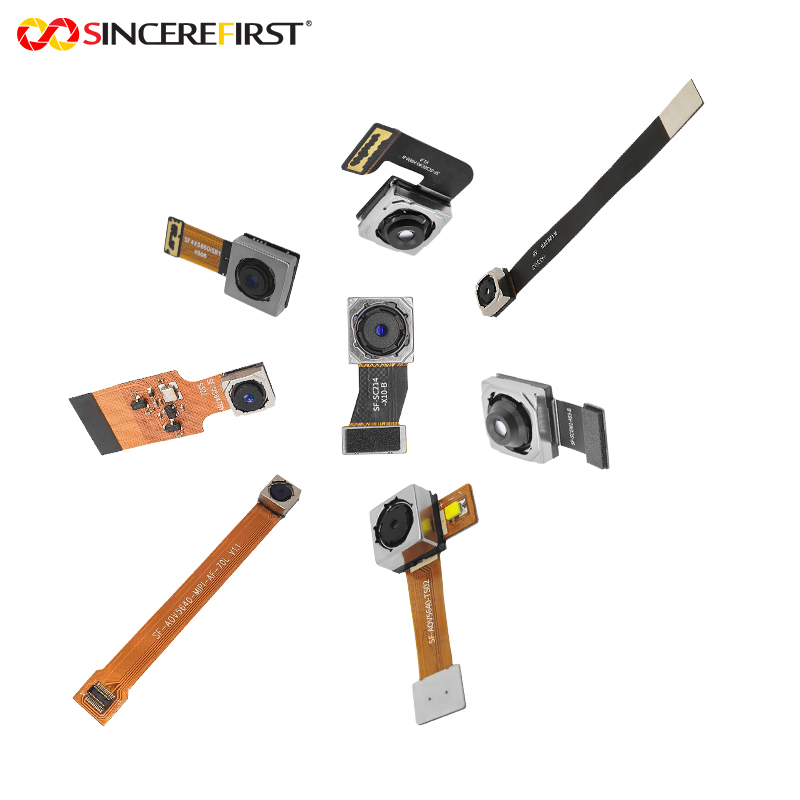
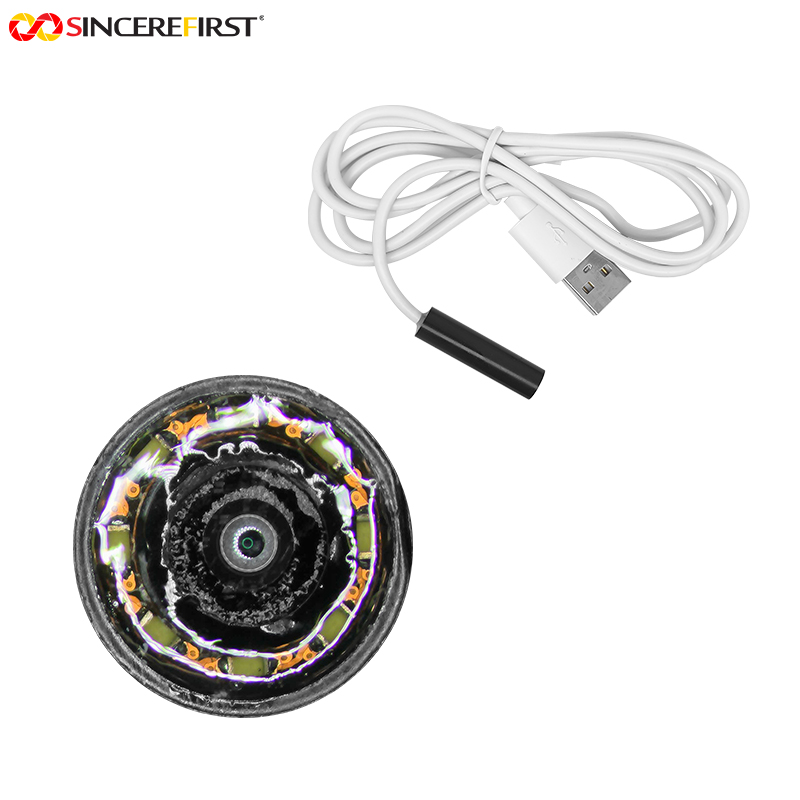
The camera module is only one part of that system. A complete solution can include the image sensor, lens, lens holder, FPC or PCB layout, connector, cable length, infrared filter configuration, LEDs, interface selection, and firmware support. In specialized equipment, the mechanical envelope can be just as restrictive as the optical target. Endoscope designs, for example, may require a small diameter module, controlled illumination, flexible cable routing, and a carefully managed focal range.
This is why a specification sheet alone rarely resolves the engineering challenge. Two modules with the same resolution can deliver very different results because pixel size, lens distortion, field of view, depth of field, shutter type, sensitivity, and image signal processor behavior differ. The right choice depends on the environment and the use case.
Define the Application Before Selecting the Module
The most efficient programs establish requirements in order of operational importance. Start with the object to be imaged: its size, movement, surface condition, working distance, and acceptable defect size. Then define the environment, including illumination level, glare, temperature, vibration, dust, moisture, and whether near-infrared performance is required.
Resolution should be tied to the smallest feature the system must recognize. Higher resolution is not automatically better. It can increase processing load, bandwidth needs, storage requirements, power consumption, and lens demands. If the processor cannot handle the selected output at the required frame rate, the extra pixels create a problem rather than an advantage.
Frame rate also deserves application-specific treatment. A static document scanner and a fast-moving conveyor have fundamentally different exposure requirements. Increasing frame rate can reduce available exposure time, which may require more light, a more sensitive sensor, or a different lens aperture. In low-light environments, these trade-offs must be considered together.
Interface Selection Shapes the Entire Design
The interface affects processing architecture, cable design, power behavior, and integration time. MIPI camera modules are commonly selected for compact embedded products using compatible application processors. USB and UVC camera modules can simplify integration where plug-and-play connectivity and broad operating system support are priorities. DVP modules may remain suitable for established embedded platforms or applications with specific parallel-interface requirements.
USB 3.0 offers more bandwidth than USB 2.0 for higher-resolution or higher-frame-rate streams, but it also requires appropriate host support and signal integrity planning. FPC camera modules are useful where thin, flexible routing is essential, although bend radius, connector selection, and assembly handling need close attention. There is no universal best interface. The correct choice is the one that fits the host platform and the production design.
Optics Must Be Matched to the Job
A sensor captures what the optical system delivers. Selecting a sensor without confirming lens performance at the required distance is a common source of disappointing image quality. The lens must provide suitable field of view, focal range, distortion control, aperture, and resolution for the selected sensor format.
For barcode reading or measurement, edge sharpness and distortion may matter more than a wide-angle view. For security monitoring, wider coverage can be more valuable, with software correction used where appropriate. For close-range medical or industrial inspection, depth of field becomes especially important because the target may move slightly during use.
Fixed-focus optics often provide a practical balance of cost, size, and repeatability when the working distance is controlled. Auto-focus or variable-focus designs can support changing distances, but they add mechanical, electrical, and software complexity. They should be chosen because the application needs them, not because they appear more advanced.
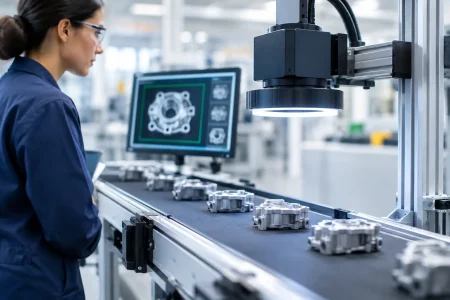
Illumination is equally consequential. A well-selected sensor cannot compensate for uncontrolled glare, shadows, or flicker from incompatible lighting. White LEDs, infrared LEDs, ring illumination, diffusers, and optical filters should be evaluated as part of the camera design. In machine vision, controlled lighting frequently improves recognition accuracy more effectively than increasing sensor resolution.
Design for Manufacturing, Not Only the Prototype
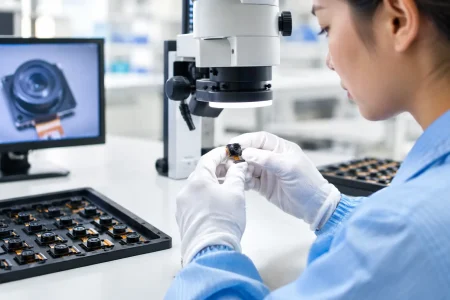
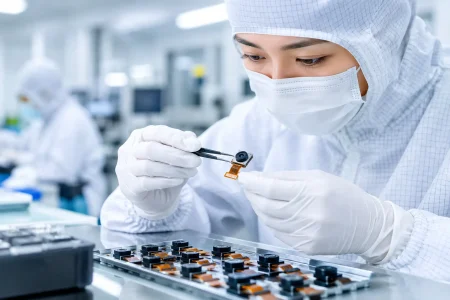
A proof-of-concept module may demonstrate that an application is possible. A production-ready module demonstrates that it can be built repeatedly with defined quality control. The difference becomes visible in lens alignment, focus calibration, adhesive selection, connector durability, cable strain relief, component sourcing, and image test criteria.
Manufacturing consistency is particularly important when software algorithms rely on predictable image characteristics. A small shift in focus, color response, or lens position may be acceptable to a human viewer but disruptive to an automated inspection model. The supplier and customer should agree on measurable acceptance standards, such as field of view tolerance, distortion limits, resolution targets, white balance behavior, dead-pixel criteria, and cosmetic inspection requirements.
Component lifecycle planning also belongs in the early design phase. Image sensors, processors, connectors, and lenses can change availability over the life of a device. A supply plan should identify approved alternatives where possible and clarify how component changes will be communicated and validated. This protects the program from unnecessary redesign when production volumes increase.
SincereFirst combines standard camera module supply with custom engineering for projects that need a specific optical, mechanical, or interface configuration. With more than 30 years of R&D experience, cleanroom manufacturing, and high-volume production capability, the focus is on moving from sample validation to controlled commercial delivery without losing sight of application performance.
Custom Imaging Solutions for Demanding Applications
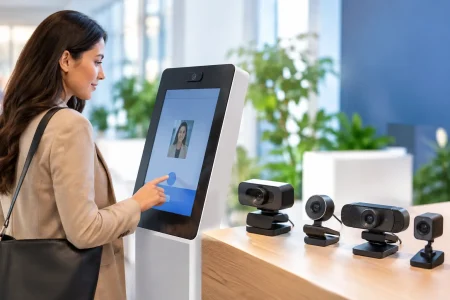
Different markets place different priorities on the imaging system. Robotics often requires low latency, dependable exposure control, and compact integration with embedded compute platforms. Industrial automation may require fixed-focus repeatability, controlled lighting compatibility, and stable operation over long duty cycles. Security and smart-city equipment can emphasize low-light performance, wide dynamic range, weather-resistant system design, and long cable options.
Healthcare introduces another layer of consideration. Medical imaging modules may need compact assemblies, close-focus optics, color consistency, controlled illumination, and documentation that supports the device maker’s quality process. For minimally invasive and inspection applications, SincereFull endoscope camera modules are available in diameters from 0.9 mm to 10.0 mm, including integrated, separate, side-view, LED, WiFi, medical, and industrial configurations. The best configuration depends on access path, target distance, illumination needs, and the display or processing architecture.
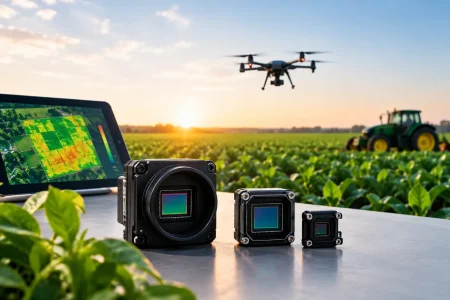
Agricultural equipment presents a different set of variables, including changing daylight, dust, vibration, and large working distances. A module tuned for a controlled indoor line may not provide dependable results in a field environment. Early environmental testing prevents false confidence based on laboratory images.
A Better Development Path From Sample to Scale
The fastest route is not necessarily the one that skips evaluation. It is the one that tests the right risks early. A practical custom program begins with a concise requirement package covering host platform, interface, sensor preferences if known, mechanical constraints, working distance, field of view, lighting, target frame rate, environmental conditions, and expected annual volume.
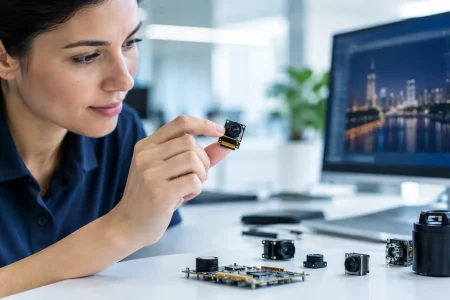
The next step is technical feasibility. This should identify the proposed module architecture and any assumptions that need validation. If lens performance, cable routing, low-light behavior, or processing compatibility remains uncertain, sample testing should be structured around those questions rather than used only for visual demonstration.
After the sample proves the core function, engineering attention shifts to details that influence production: focus lock, mechanical retention, image tuning, test fixtures, inspection criteria, packaging, and supply continuity. A pilot build can reveal assembly issues that a small engineering sample will not expose. This staged approach may require more discipline at the beginning, but it reduces the chance of expensive late-stage corrections.
Questions That Improve Supplier Evaluation
A capable imaging supplier should be able to discuss more than sensor resolution and price. Ask how the lens is selected and aligned, what image-quality tests are performed, how focus is controlled, what happens if a key component reaches end of life, and whether the team can modify FPC length, connector type, field of view, or infrared filtering.
It is also useful to ask where customization stops and a fully new design begins. Minor changes to cables, connectors, or lens options can often be completed efficiently. A new sensor architecture, custom housing, specialized illumination system, or unique reliability target may require a longer engineering cycle and non-recurring development investment. Clear expectations at this stage make cost and timing easier to manage.
The right imaging partner should treat each camera as part of a product system, not as an isolated component. Bring the real operating conditions, mechanical drawings, host constraints, and quality targets into the first technical discussion. That level of clarity gives engineering teams the information needed to build an imaging design that performs not just in a sample review, but across every unit leaving the line.