
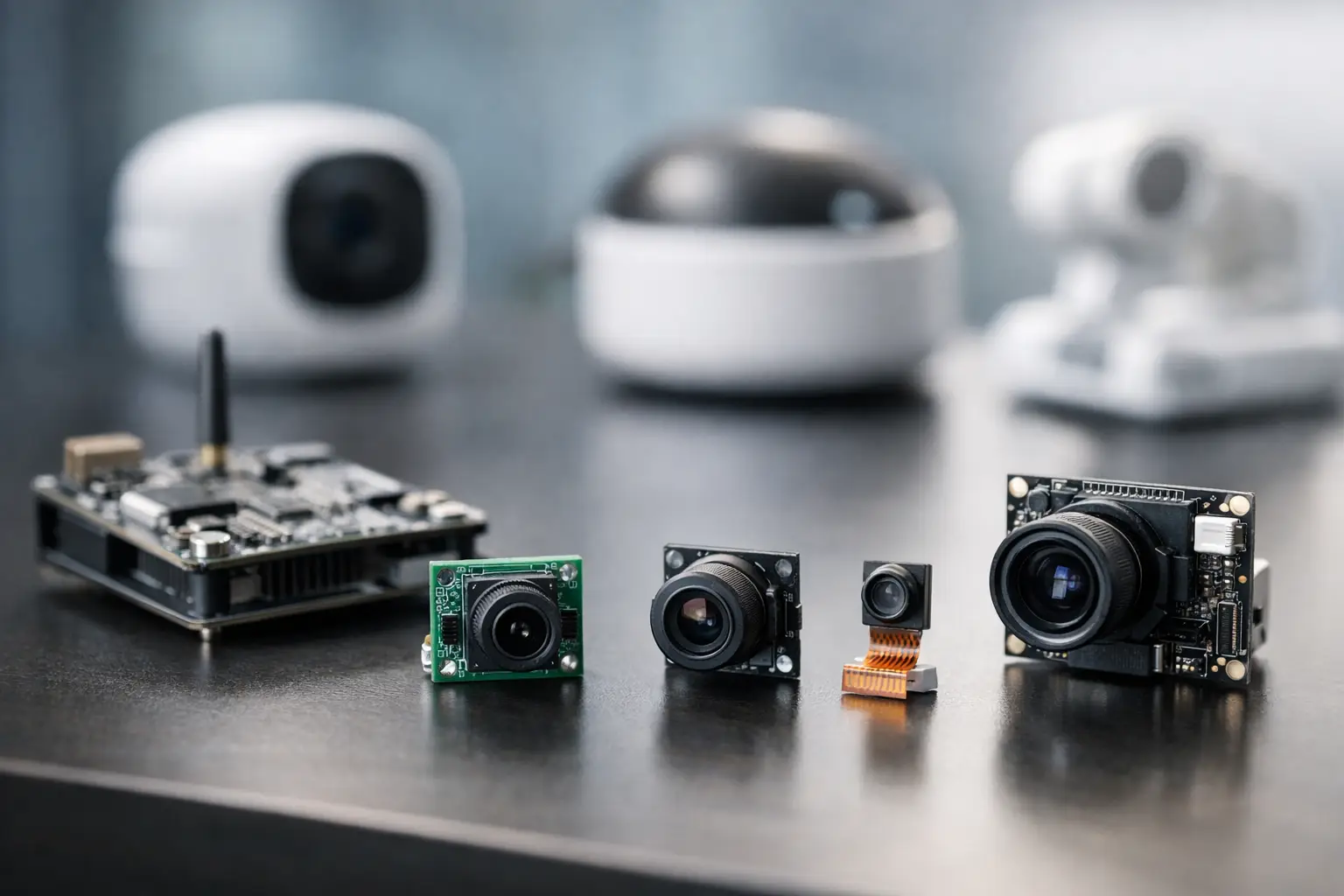
A battery-powered field device that works perfectly on the bench can fail the moment it goes outdoors, loses bandwidth, or has to process images on a constrained SoC. That is why the question which camera module for IoT is rarely about image quality alone. For product teams building smart devices, the right answer depends on interface limits, power budget, optics, processing location, and how fast the module can move from prototype to production.
Which camera module for IoT depends on the system first
In embedded imaging, the camera is part of a system, not a standalone part. A module that looks strong on paper can still be the wrong choice if it overloads the processor, draws too much power, or creates mechanical problems inside the enclosure.
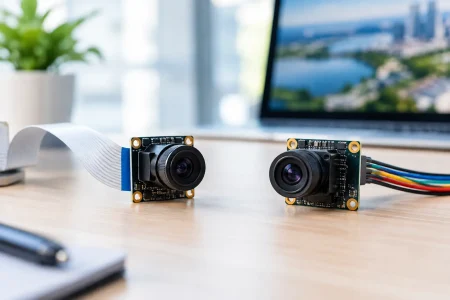
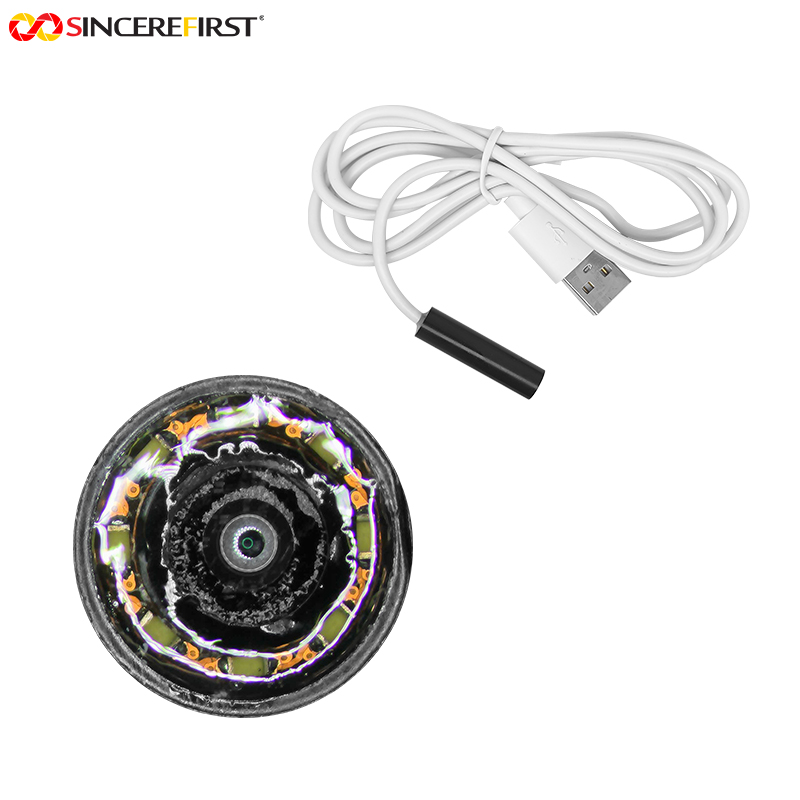
For IoT products, the starting point is usually the host platform. If your device uses an application processor with a MIPI CSI interface, a MIPI camera module is often the most efficient path because it supports high throughput with low latency and fits compact embedded designs. If the host platform is simpler, older, or built around a microcontroller with limited camera support, DVP may still be practical for basic imaging tasks. If your product is essentially a connected edge computer or industrial gateway, a USB camera module may reduce integration time and software complexity.
This is where many teams lose time. They compare sensors before confirming the interface, driver path, and ISP requirements. In practice, those factors often decide feasibility earlier than megapixels do.
Start with the use case, not the resolution
A common mistake is specifying the highest resolution available and expecting better performance. In IoT, more pixels can create more problems. Higher resolution means more data, more bandwidth, more storage, and more processing load. If the application only needs presence detection, barcode reading, occupancy monitoring, or simple remote inspection, a lower-resolution module may perform better at the system level.
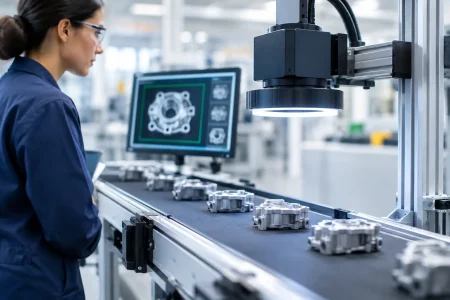
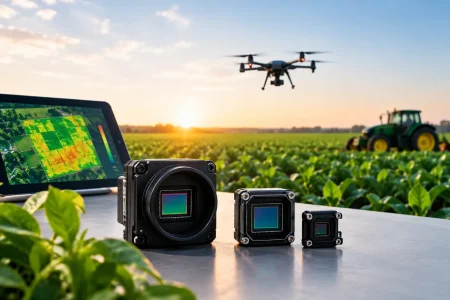
For example, a smart agriculture node watching irrigation conditions does not need the same camera configuration as an industrial inspection device checking small defects on a production line. A healthcare device capturing close-range diagnostic images has very different optical and color requirements than a smart city unit monitoring traffic flow. The right module follows the task.
If the product needs machine vision at the edge, image clarity under specific lighting conditions matters more than marketing resolution. If it needs occasional cloud-uploaded snapshots, compression support and low power standby matter more. If it needs live video, interface stability and thermal behavior become more important.
Match the imaging goal to the module class
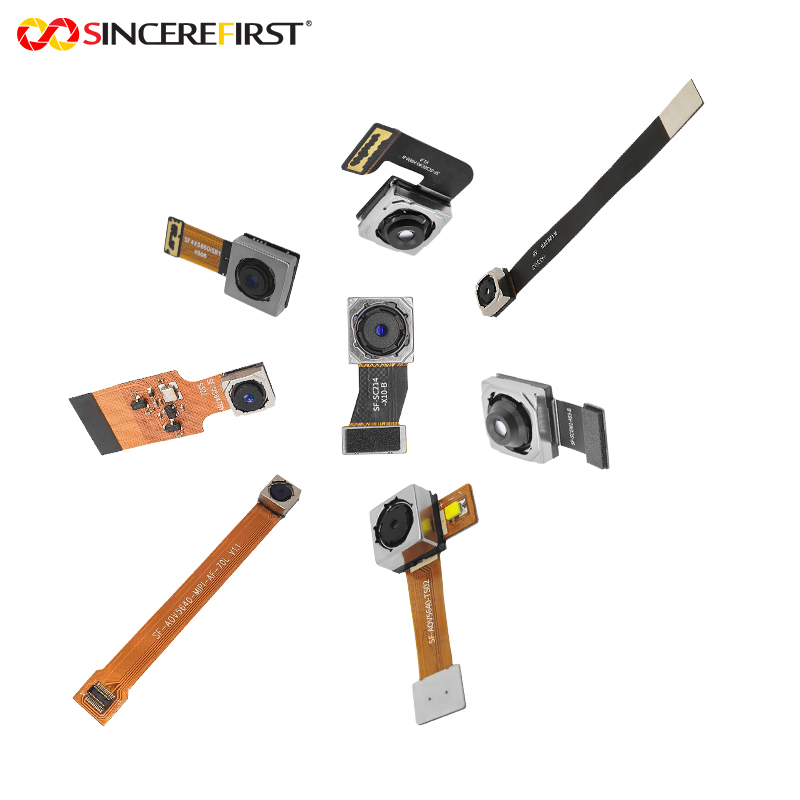
For low-power sensing with occasional image capture, compact FPC or MIPI modules are often the better fit because they save space and can be optimized for embedded boards. For plug-and-play development, especially during proof-of-concept stages, USB modules can accelerate software validation. For legacy embedded designs or cost-driven products with simpler image pipelines, DVP modules can still make sense.
There is no universal best option. There is only the best fit for the host, workload, and production target.
Sensor selection changes everything
Once the interface is narrowed down, the image sensor becomes the next critical decision. This is where the trade-offs become real.
A larger sensor can improve low-light performance and dynamic range, but it also affects module size, lens design, power draw, and cost. A global shutter sensor is usually better for motion capture, robotics, logistics scanning, and industrial automation because it avoids rolling distortion. A rolling shutter sensor is often cost-effective for static scenes or consumer-style viewing applications.
Frame rate also needs to be honest. If the device is monitoring a door, tank level, parking space, or occupancy zone, high frame rate may add little value. But if the device is reading fast-moving labels or supporting robotic alignment, inadequate frame rate can break the application.
In many IoT products, sensor choice should answer four questions. What lighting conditions will the camera see? Will the scene or device be moving? How much detail is actually required for the software to make a decision? And how much image data can the rest of the system realistically handle?
Low light, HDR, and real-world deployment
Bench lighting hides many problems. Warehouses, farms, factories, outdoor cabinets, and medical environments do not. If your deployment includes backlight, shadows, reflective materials, or day-night transitions, HDR capability and sensor sensitivity matter more than headline specs.
The same applies to lens selection. A strong sensor paired with the wrong lens can produce poor edge clarity, incorrect field of view, or focus problems at the actual working distance. In IoT imaging, optics and sensor must be selected together.
Which camera module for IoT works with your processing model?
Another key question is where the image processing happens. Some IoT devices transmit images to the cloud. Others run AI inference locally. Many do a mix of both.
If the device performs local inference, the camera module has to support an efficient pipeline into the edge processor. That often favors MIPI in tightly integrated embedded systems because it reduces transfer overhead and supports higher bandwidth. If the device sends compressed streams or snapshots through a gateway or industrial PC, USB may be easier to deploy and maintain.
Power budget matters here as well. An always-on camera for edge analytics has very different requirements from a sensor that wakes up only when triggered. The right module should fit not just the peak mode, but the full duty cycle of the product.
Teams should also consider ISP dependence. Some sensors require more tuning to reach stable color, exposure, and low-light behavior. If your software team is small or your schedule is aggressive, selecting a camera module with a more mature integration path can shorten development time significantly.
Mechanical integration is where good designs get delayed
Many sourcing decisions focus on electronic compatibility and ignore packaging until late in the program. That usually creates redesign work.
Camera placement affects FOV, thermal exposure, cable routing, and sealing. In compact IoT hardware, FPC length, connector orientation, board stack height, and lens holder dimensions can be just as important as sensor performance. If the product will face vibration, sterilization, dust, moisture, or repeated assembly, those conditions need to shape the module selection early.
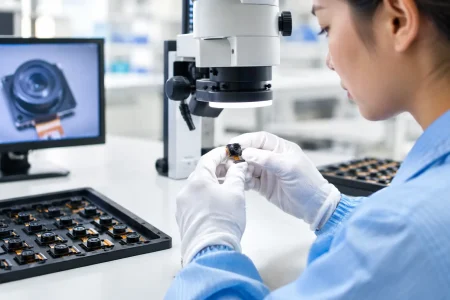
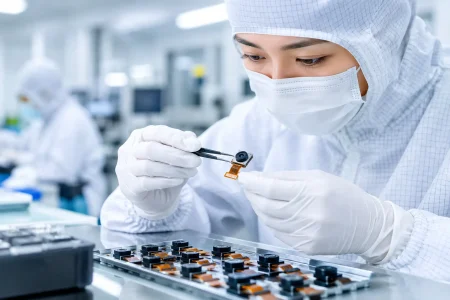
This is especially true for OEM and ODM programs moving toward scale. A module that works in EVT may not survive mass production if tolerances are too tight or if supply consistency is weak. Stable manufacturing, cleanroom assembly, lens alignment control, and repeatable testing all matter because image inconsistency becomes a field problem very quickly.
Customization often beats forcing a standard module
Off-the-shelf modules are useful for speed, but IoT products frequently need something more specific. That might mean a custom lens angle, tuned focus distance, IR filter choice, connector type, cable length, board shape, or enclosure-specific mounting approach.
For B2B device makers, customization is not a luxury. It is often the difference between a clean product launch and months of compromise. A camera supplier with engineering support can adjust the module around your host board, housing, and imaging target rather than forcing your product team to redesign around a generic part.
This is where an experienced manufacturing partner adds value beyond component supply. Fast sampling, sensor options across multiple interfaces, and production-ready customization help teams reduce risk before ramp. SincereFirst typically supports that path by combining standard embedded camera modules with custom development for specialized machine vision and IoT requirements.
A practical decision framework
If your team is still deciding which camera module for IoT projects makes the most sense, narrow the decision in this order. Confirm the host interface first. Then define the real imaging task. After that, choose sensor type based on motion, lighting, and detail requirements. Next, validate optics at the true working distance. Finally, check mechanical fit, power behavior, and manufacturing readiness.
That order matters because it prevents expensive rework. A technically impressive camera module is still the wrong choice if it complicates drivers, overheats the enclosure, exceeds the power budget, or cannot be sourced consistently at production volume.
For product managers, the right question is not which module has the best spec sheet. It is which module helps the product ship faster and perform reliably in the field. For engineers, the goal is not maximum camera performance in isolation. It is stable imaging performance inside the constraints of the device.
The best camera module choice usually looks less dramatic than people expect. It is the one that fits the processor, survives the environment, meets the imaging target, and can be built at scale without surprises. That is the kind of decision that keeps an IoT program moving.