
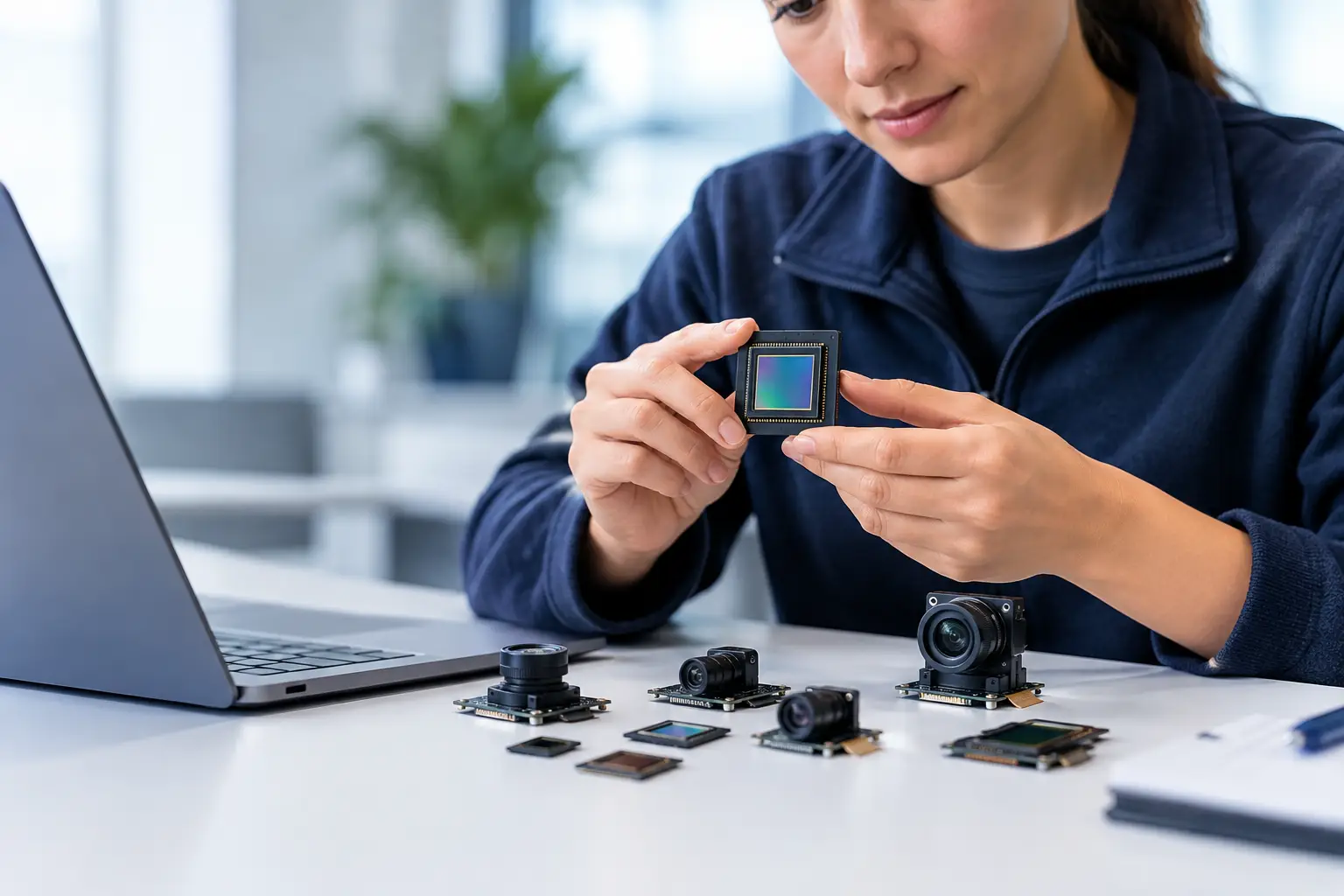
A camera that looks excellent on an evaluation board can still fail in the finished device. It may blur moving parts, miss low-contrast defects, exceed the processor bandwidth budget, or require an optical stack that will not fit the enclosure. Effective image sensor selection starts with the scene, the system architecture, and the production requirement – not with megapixel count.
For OEMs, system integrators, and embedded product teams, the sensor is the decision that sets the limits for nearly every other camera-module element. Pixel size influences lens requirements and low-light behavior. Readout mode affects motion capture. Output format affects processor loading. Package availability affects manufacturability. The right sensor is therefore the one that delivers usable image data for a defined task at a cost, size, and supply profile the product can sustain.
Image Sensor Selection Starts With the Imaging Task
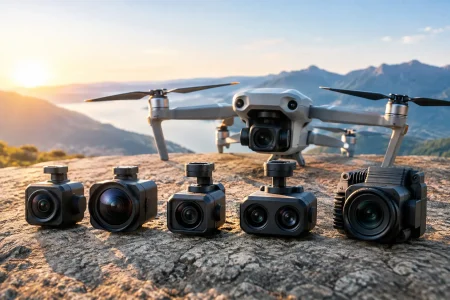
Before comparing sensor datasheets, define what the camera must detect, measure, or document. A security device may prioritize wide dynamic range and night performance. A robotic arm may need short exposure times and a global shutter to locate moving parts accurately. A medical endoscope module may be constrained first by outer diameter, heat, illumination, and color fidelity. An agricultural camera may need to separate subtle crop color variations in difficult sunlight.
Resolution should follow the smallest feature that must be resolved at the required working distance and field of view. If a system must identify a 1 mm defect across a 200 mm-wide inspection area, the calculation should include sufficient pixels on that defect for dependable detection, not simply one pixel per millimeter. Lens distortion, object contrast, motion, and algorithm tolerance all reduce the effective detail available to the application.
More resolution can improve measurement accuracy, but it also increases data rate, memory use, processing demand, and sometimes power consumption. A 2 MP sensor may be the better engineering choice when the target feature is large and the device requires low latency. A 12 MP or higher-resolution sensor is justified when the field of view is broad, the target is small, or operators must zoom into captured evidence.
Pixel Size, Sensitivity, and Dynamic Range
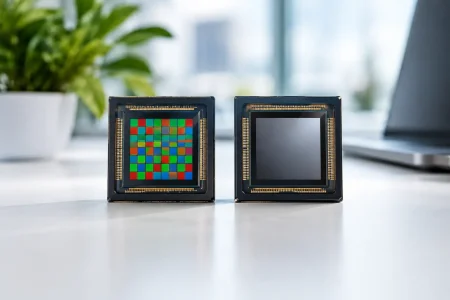
A sensor does not collect “image quality” as one specification. It converts photons into electrical signals, and the conditions around that conversion determine whether an image is usable. Pixel size is central to this process. Larger pixels generally capture more light, which can improve signal-to-noise ratio in dim scenes and support lower-gain operation. This is valuable in low-light security cameras, medical imaging devices, and enclosed industrial equipment where illumination is limited.
Smaller pixels enable higher resolution in a compact optical format, making them attractive for slim camera modules, mobile equipment, and miniature endoscope designs. The trade-off is that they may need stronger illumination, longer exposure, or more aggressive image processing to maintain image quality. Sensor performance must be evaluated with the actual lens, lighting, and exposure range, not from pixel size alone.
Dynamic range matters when a scene contains bright highlights and dark shadow areas at the same time. A vehicle inspection camera looking toward an open loading bay, for example, may need to retain detail both inside the facility and in direct daylight. Sensors with high dynamic range modes can help, but some modes use multi-exposure capture. That can create artifacts when objects move quickly. In static or slowly changing scenes, the benefit can be substantial. In high-speed inspection, a well-controlled lighting environment may be more effective than relying solely on sensor HDR.
Color performance is equally application-dependent. Consumer-style saturation is not necessarily useful for machine vision. What matters may be repeatable color response under a controlled illuminant, especially for sorting, food inspection, medical observation, or agricultural analysis. Select the sensor and image signal processing pipeline as a system, then validate color under the lighting that will be used in production.
Global Shutter or Rolling Shutter?
Shutter type is one of the most consequential choices in image sensor selection. A rolling-shutter sensor exposes image rows in sequence. It is widely available, cost-effective, and suitable for many applications involving static scenes, moderate movement, video conferencing, document capture, and fixed monitoring.
When the subject, camera, or illumination moves quickly, rolling shutter can bend vertical edges, distort moving objects, or produce exposure variation under LED and fluorescent lighting. These effects can interfere with dimensional measurement, barcode reading, pick-and-place guidance, and high-speed robotics.
A global-shutter sensor exposes all pixels at the same moment. This produces a geometrically accurate frame during motion and supports reliable synchronization with strobes or external triggers. The advantages are clear for factory automation, autonomous equipment, scientific instruments, and high-speed inspection. The trade-off may be higher cost, different pixel-size options, or lower availability at a particular resolution. If motion distortion has no effect on the final decision, rolling shutter can reduce system cost. If one distorted frame can produce a false measurement or missed defect, global shutter should be evaluated early.
Match the Sensor to the Interface and Processing Path
The sensor output is only useful if the host can receive, process, store, or transmit it at the required frame rate. This is where promising prototypes often become difficult production programs.
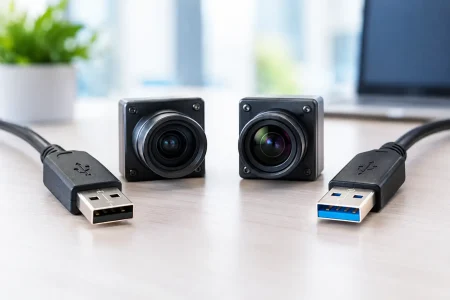
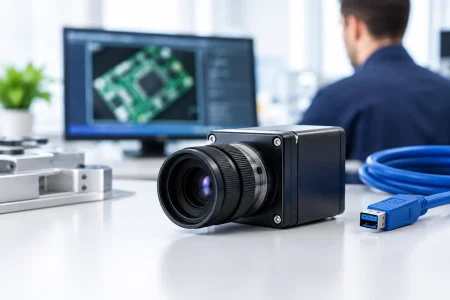
MIPI CSI-2 is commonly selected for compact embedded platforms because it supports high data rates with low pin count. It is a practical fit for mobile processors, single-board computers, and tightly integrated smart devices. DVP interfaces remain useful in cost-sensitive or legacy embedded designs, although bandwidth is more limited. USB camera modules simplify connection to PCs, industrial computers, and many edge AI platforms. USB 3.0 offers more headroom for higher-resolution or higher-frame-rate streams than USB 2.0, while UVC support can reduce driver integration work for compatible host systems.
Calculate the full bandwidth requirement before locking a sensor. Resolution, frame rate, bit depth, Bayer output, YUV conversion, compression, and lane configuration all affect the result. A sensor capable of 60 frames per second does not guarantee that the module, cable, host port, ISP, and application software can sustain 60 frames per second in the final product.
Processor capability should also guide the choice between raw and processed output. Raw Bayer data gives development teams maximum control over demosaicing, noise reduction, color calibration, and AI preprocessing. It also demands a capable ISP or custom software pipeline. A module with integrated processing can shorten time to market for products that need dependable standard video output rather than image-pipeline experimentation.
Optics, Module Mechanics, and Illumination Are Part of the Decision
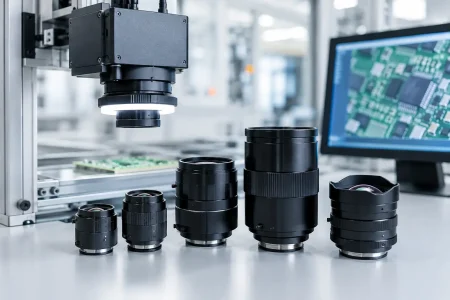
A sensor cannot compensate for a lens that lacks the required resolution, field of view, or focus range. The optical format must match the sensor size, and the lens must provide acceptable sharpness across the active area. A larger sensor paired with an inadequate lens can produce soft corners, shading, or unacceptable distortion. For measurement applications, lens distortion should be characterized and corrected in calibration, not treated as a minor visual issue.
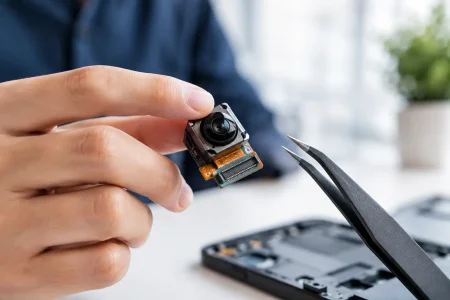
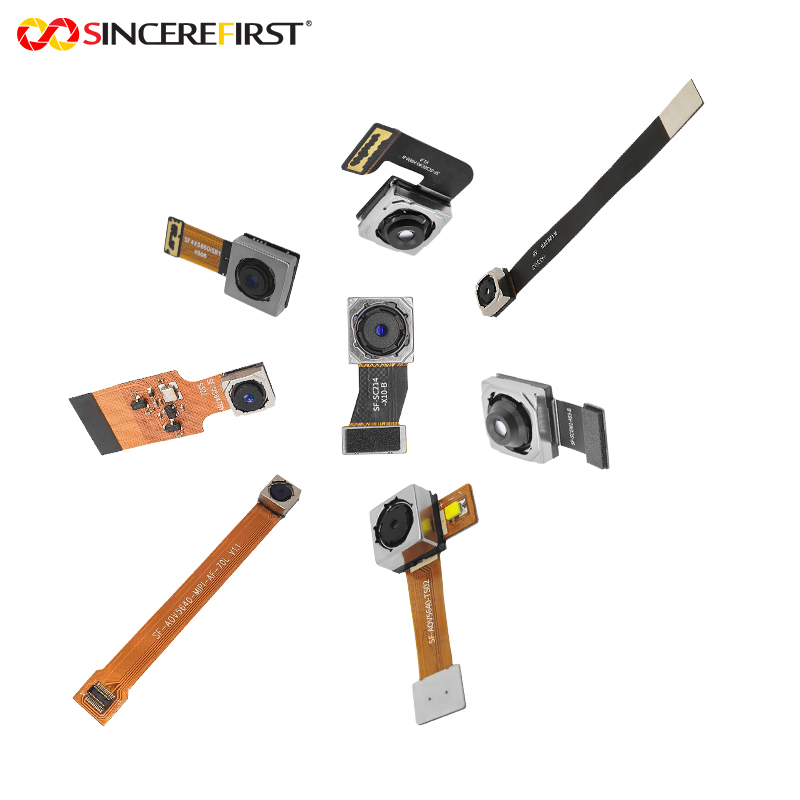
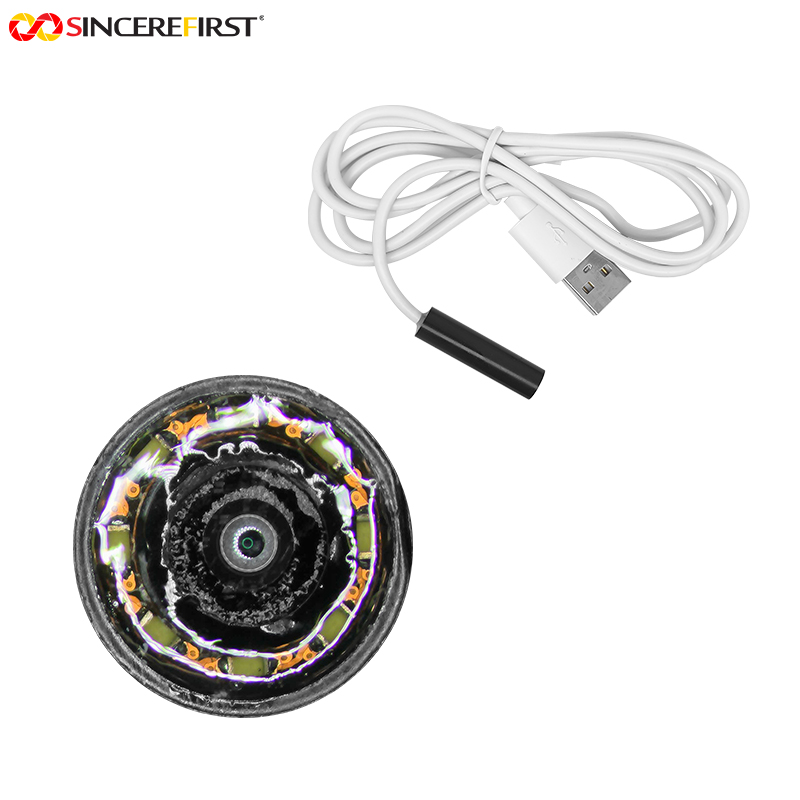
Mechanical limits frequently determine the feasible sensor family. FPC camera modules may suit thin consumer or wearable designs. Board-level MIPI modules can support compact embedded integration. USB modules offer convenient external connectivity. In medical and industrial endoscopes, the available diameter may narrow the decision to miniature sensors and custom optical assemblies, with illumination and cable routing becoming equally critical.
Lighting deserves the same engineering attention as the sensor. A lower-cost sensor under stable, correctly positioned illumination can outperform a premium sensor in uncontrolled light. Evaluate wavelength, brightness uniformity, flicker behavior, strobe timing, thermal limits, and surface reflections. For near-infrared applications, confirm the sensor’s spectral response and determine whether the color filter array or IR-cut filter supports the intended result.
Evaluate Sensors for Production, Not Only for Samples
A technically suitable sensor still needs a viable supply path. Confirm product lifecycle expectations, package availability, qualification status, minimum order requirements, and whether a second source or redesign path is available. For commercial devices, consistency between production lots matters as much as performance from the first engineering sample.
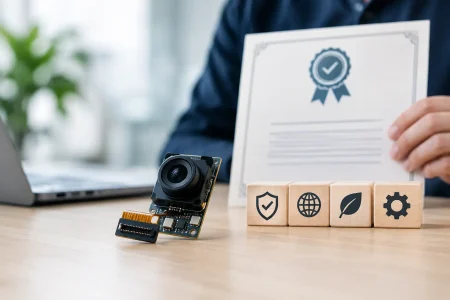
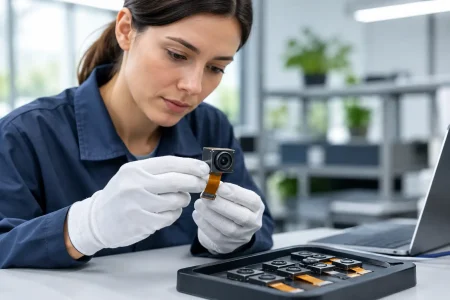
Module-level manufacturing is where these requirements come together. Sensor sourcing, lens alignment, active focus adjustment, FPC design, connector selection, firmware tuning, and image validation must be controlled as one deliverable. SincereFirst supports this process with standard and customized camera modules built for embedded, industrial, medical, robotics, and intelligent-device programs.
For supplier qualification, request more than a datasheet. Review images or video from representative scenes, verify frame-rate stability on the target host, test under the intended lighting, and assess the module across temperature and vibration conditions where relevant. For inspection and measurement applications, validate repeatability with real target samples. A laboratory chart is useful, but it cannot reveal every reflection, vibration, motion pattern, or processing bottleneck in the deployment environment.
The strongest sensor decision is made when R&D, optics, firmware, mechanical design, procurement, and manufacturing agree on the same operating conditions. Define those conditions early, test the camera as an integrated module, and choose the sensor that keeps delivering useful data after the prototype becomes a product.