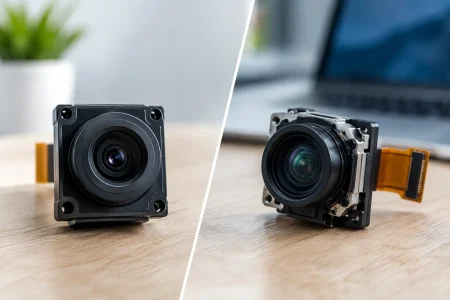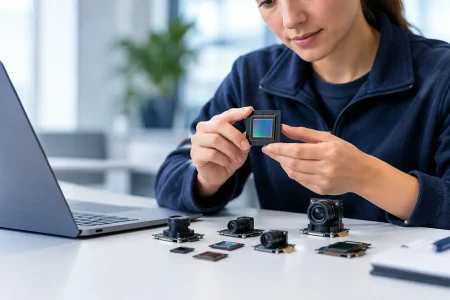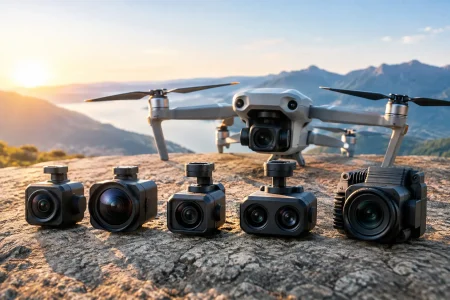

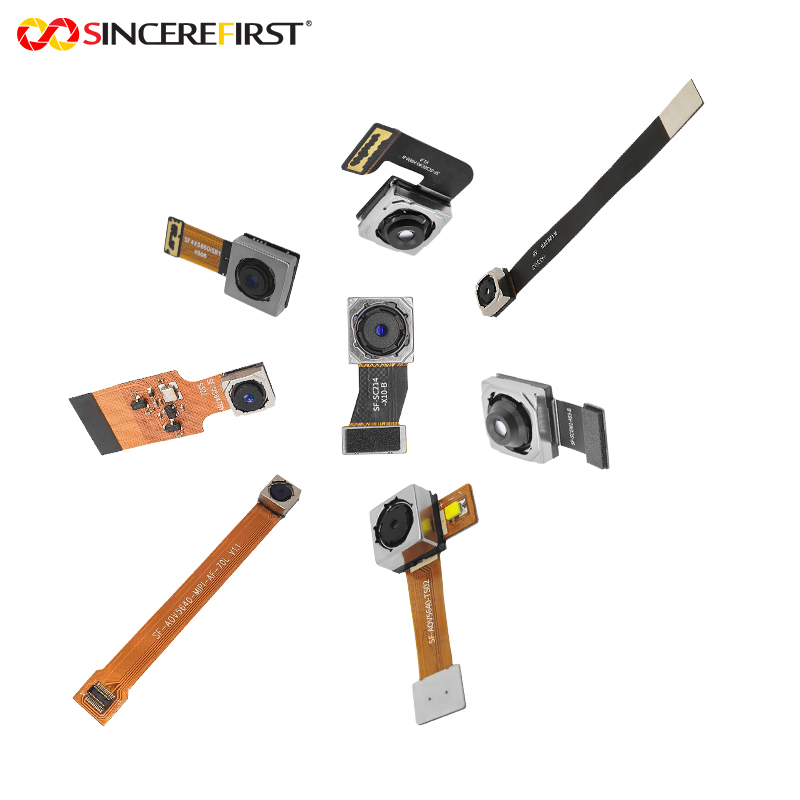
A camera sensor can look excellent on a datasheet and still become the source of schedule slips, image-quality complaints, or mechanical rework. For OEM teams evaluating a sony imx258 camera module, the real decision is not simply whether 13 megapixels are sufficient. It is whether the module, lens, interface, ISP pipeline, and manufacturing controls can deliver consistent images in the exact device environment.
The Sony IMX258 remains a practical sensor option for compact embedded products that need detailed still images, full-HD video, and a mature mobile-originated imaging platform. It is commonly considered for handheld terminals, smart retail equipment, robotics, document capture, access-control devices, inspection tools, and connected medical accessories. Choosing it well requires attention to integration details that are often outside the sensor specification itself.
What the Sony IMX258 Camera Module Delivers
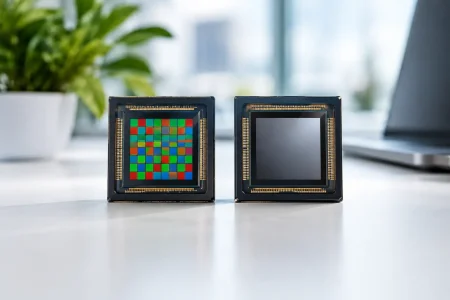
The IMX258 is a 13-megapixel stacked CMOS image sensor with an active resolution of 4208 x 3120 pixels. Its 1.12 µm pixel size supports a compact optical format, making it suitable when product designers need meaningful resolution without allocating the space required by larger industrial sensors. Depending on the module design and host platform, it can support high-resolution still capture and video modes appropriate for many embedded systems.
The sensor is generally paired with a MIPI CSI-2 output, which is efficient for processors used in Android-based devices, Linux single-board computers, edge AI platforms, and custom embedded boards. A MIPI connection, however, is not a guarantee of plug-and-play operation. Lane configuration, clocking, power sequencing, driver support, and image signal processor compatibility must be verified against the selected system-on-chip.
For procurement and R&D teams, the IMX258’s maturity is a commercial advantage. It has a broad integration history, established tuning knowledge, and a supply ecosystem for compatible lenses, flex cables, and module assemblies. That does not mean every available module will produce the same result. Lens quality, focus setting, filter selection, assembly alignment, and firmware tuning can create a significant difference between two modules built around the same sensor.
Start With the Imaging Requirement, Not the Resolution
A 13-megapixel sensor is useful only when the application benefits from the extra scene detail. For document capture, barcode context imaging, telemedicine attachments, product verification, and evidence capture, the IMX258 can provide enough resolution for cropping and digital zoom. In a low-light security device or a fast-moving industrial inspection task, pixel count alone may be less valuable than larger pixels, controlled illumination, lower noise, or a global-shutter architecture.
The first engineering question is therefore simple: what must the image prove, measure, or detect? If the camera must read fine print at a fixed working distance, calculate the required field of view and pixels on target before selecting the lens. If it must identify defects on a moving line, test exposure time and motion blur under actual lighting conditions. If it must support video analytics, confirm that the processor can receive and process the chosen resolution and frame rate without thermal throttling.
The IMX258 uses a rolling shutter. This is acceptable for many stationary or moderately paced scenes, but it can introduce geometric distortion when either the camera or subject moves quickly. A mobile terminal, consumer-facing kiosk, or fixed document scanner may be an excellent fit. High-speed metrology, rapidly moving robotic arms, and fast conveyor inspection may require a global-shutter module instead.
Interface and Host Compatibility Decide the Development Schedule
A MIPI camera module occupies little physical space, but its software integration requires disciplined planning. The host processor needs an appropriate CSI-2 receiver, sufficient lane bandwidth, a compatible sensor driver, and an ISP capable of handling the sensor’s Bayer output. Teams should also confirm the operating system and board-support package early, particularly if they are using a customized Linux build or an older processor platform.
Sensor output is not yet a finished image. The host ISP or a dedicated image-processing pipeline must perform demosaicing, auto exposure, auto white balance, noise reduction, color correction, sharpening, and sometimes high dynamic range processing. Default tuning can be useful for early bring-up, but it rarely represents production image quality in a specialized device.
A practical evaluation should test the module on the intended host board, not only on a supplier reference platform. Capture scenes with mixed lighting, backlighting, low illumination, skin tones where relevant, reflective surfaces, and the actual materials the product will inspect. This exposes tuning needs before the mechanical and firmware designs become difficult to change.
MIPI, USB, and Custom Board Considerations
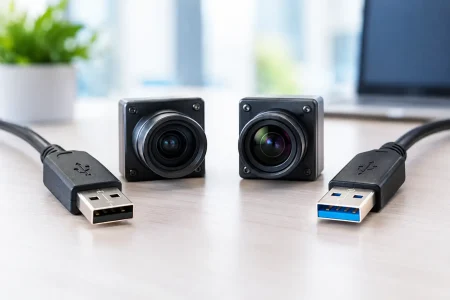
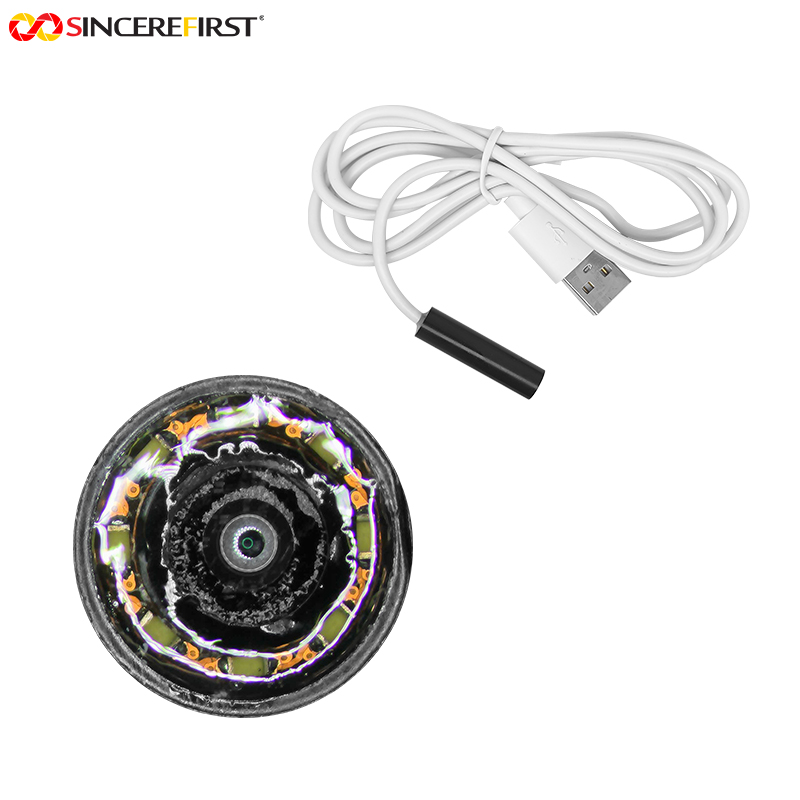
The IMX258 is most naturally deployed in a MIPI CSI-2 module, especially where compactness and low latency matter. Some projects instead require a USB camera architecture because the host system has no exposed MIPI interface or needs UVC compatibility. In that case, the camera design must include a bridge or processing solution, which changes power consumption, latency, board area, and software behavior.
For custom embedded boards, the FPC length, connector orientation, shielding, grounding, and impedance control should be considered as part of the camera design. A module that works in a short laboratory setup can become unstable in a finished product with a longer flex cable, noisy power rails, or an enclosure that affects thermal conditions. These are engineering details, not afterthoughts.
Lens Selection Has More Impact Than Many Teams Expect
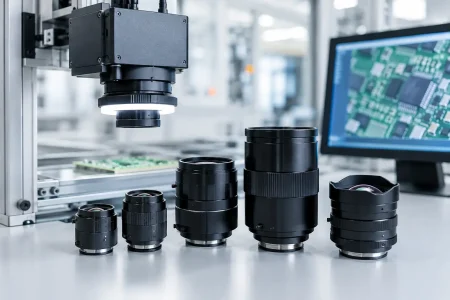
The lens defines the usable image more directly than the sensor’s resolution headline. A wide-angle lens can capture a broad scene but may introduce distortion and reduce pixels on a small target. A narrower field of view improves distant detail but increases sensitivity to alignment and vibration. The correct choice depends on working distance, field coverage, depth of field, mounting tolerance, and the acceptable level of distortion.
Fixed-focus optics are efficient for applications with a controlled working distance, such as a scanner, dashboard camera, or factory fixture. Autofocus can improve consumer-style usability and variable-distance capture, but it adds mechanical complexity, control requirements, qualification work, and potential long-term reliability considerations. For many industrial products, a carefully selected fixed-focus lens is the more stable production choice.
Infrared filtering also deserves attention. A standard IR-cut filter supports natural visible-light color reproduction. Removing or changing that filter may be appropriate for near-infrared illumination, low-light experiments, or specialized machine vision tasks, but it changes color behavior and usually requires dedicated tuning. The module should be specified as a complete optical system, not just as an IMX258 board with a lens attached.
From Prototype Sample to Stable Mass Production
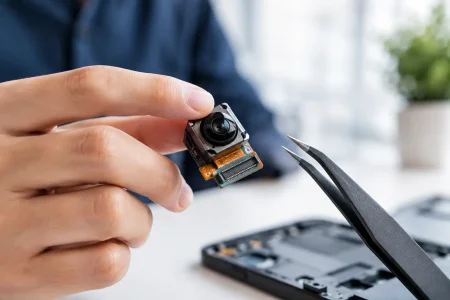
A capable supplier should help separate what is fixed by the sensor from what can be optimized at module level. Common customization points include lens focal length, field of view, focus position, module dimensions, FPC length and pinout, connector type, IR-cut configuration, housing design, and image tuning targets. Each modification should be reviewed against optical performance, electrical reliability, manufacturability, and expected production volume.
For OEM qualification, request more than a sample image. Define measurable acceptance criteria such as center and corner sharpness, color consistency, defective-pixel limits, focus tolerance, signal integrity, power consumption, and operating-temperature behavior. Golden samples and agreed test conditions are particularly valuable when multiple factories, product revisions, or regional manufacturing sites are involved.
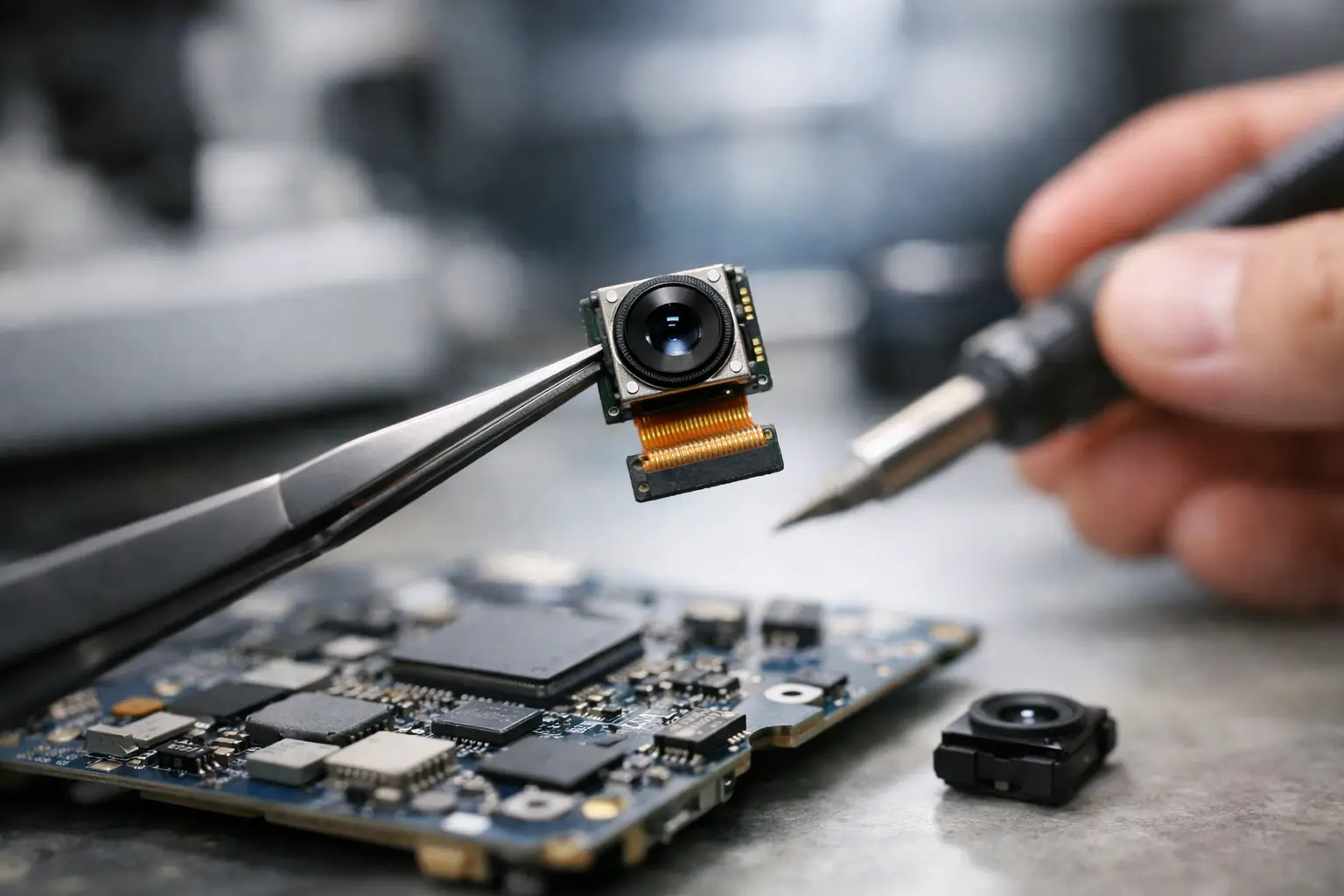
Manufacturing discipline matters because camera quality can vary through lens seating, adhesive cure, sensor alignment, contamination control, and final test coverage. Cleanroom assembly, active or precision alignment where required, traceability, and consistent optical inspection help convert a successful prototype into a repeatable production component. SincereFirst supports this transition with camera module customization and scaled manufacturing focused on embedded imaging programs.
Where the IMX258 Is a Strong Fit
The Sony IMX258 is a balanced choice when a product needs compact 13-megapixel imaging, mature MIPI integration, and strong visible-light detail at a commercially practical level. It is particularly relevant where users may zoom, crop, inspect labels, capture documents, or need a higher-resolution reference image alongside AI processing.
It is less suitable when the requirement centers on extremely low-light imaging, high-speed motion capture, or tightly calibrated measurement accuracy without a full optical and calibration plan. Those applications may call for a larger sensor, a global shutter, monochrome imaging, active illumination, or a more specialized lens assembly.
The productive next step is to build the module evaluation around the final scene, host processor, enclosure, and acceptance standard. A Sony IMX258 camera module performs best not when it is treated as a commodity part, but when it is engineered as one controlled element in a complete imaging system.