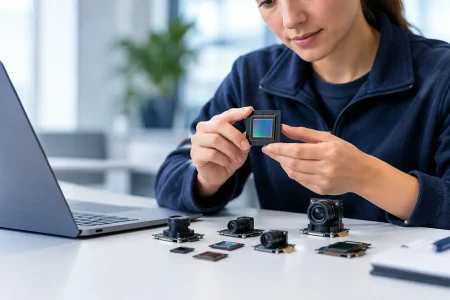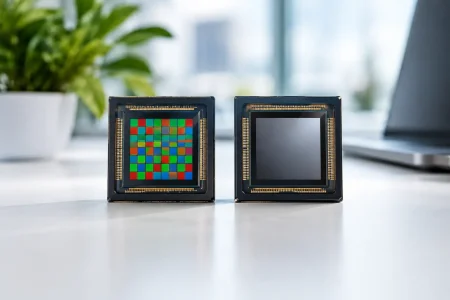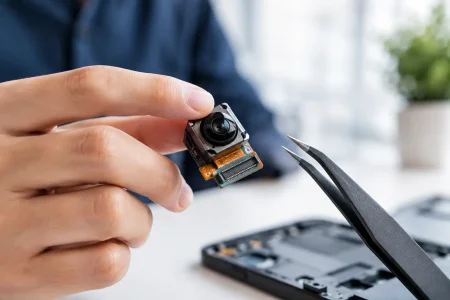

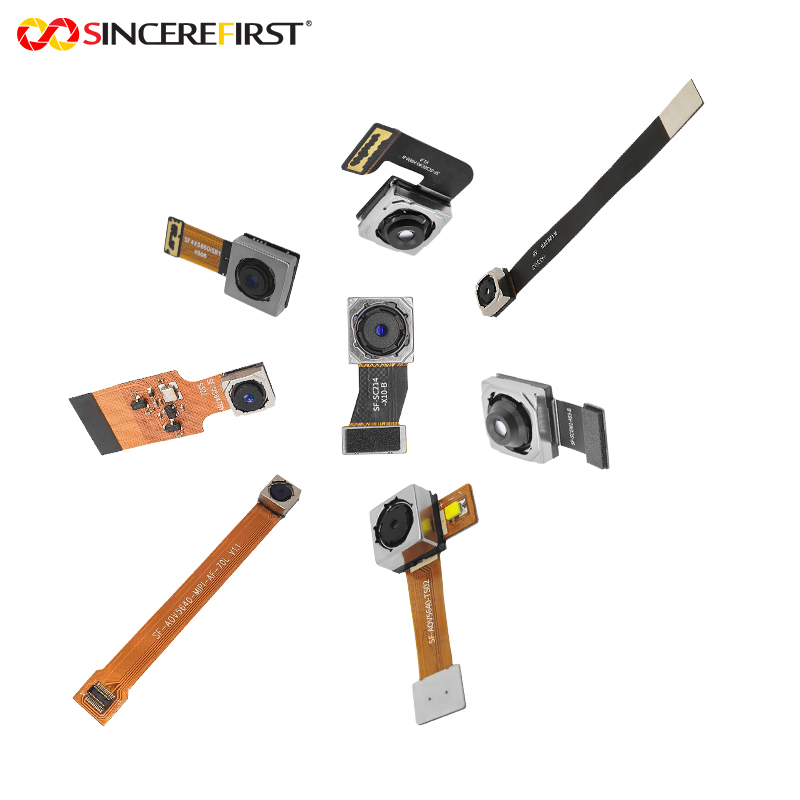
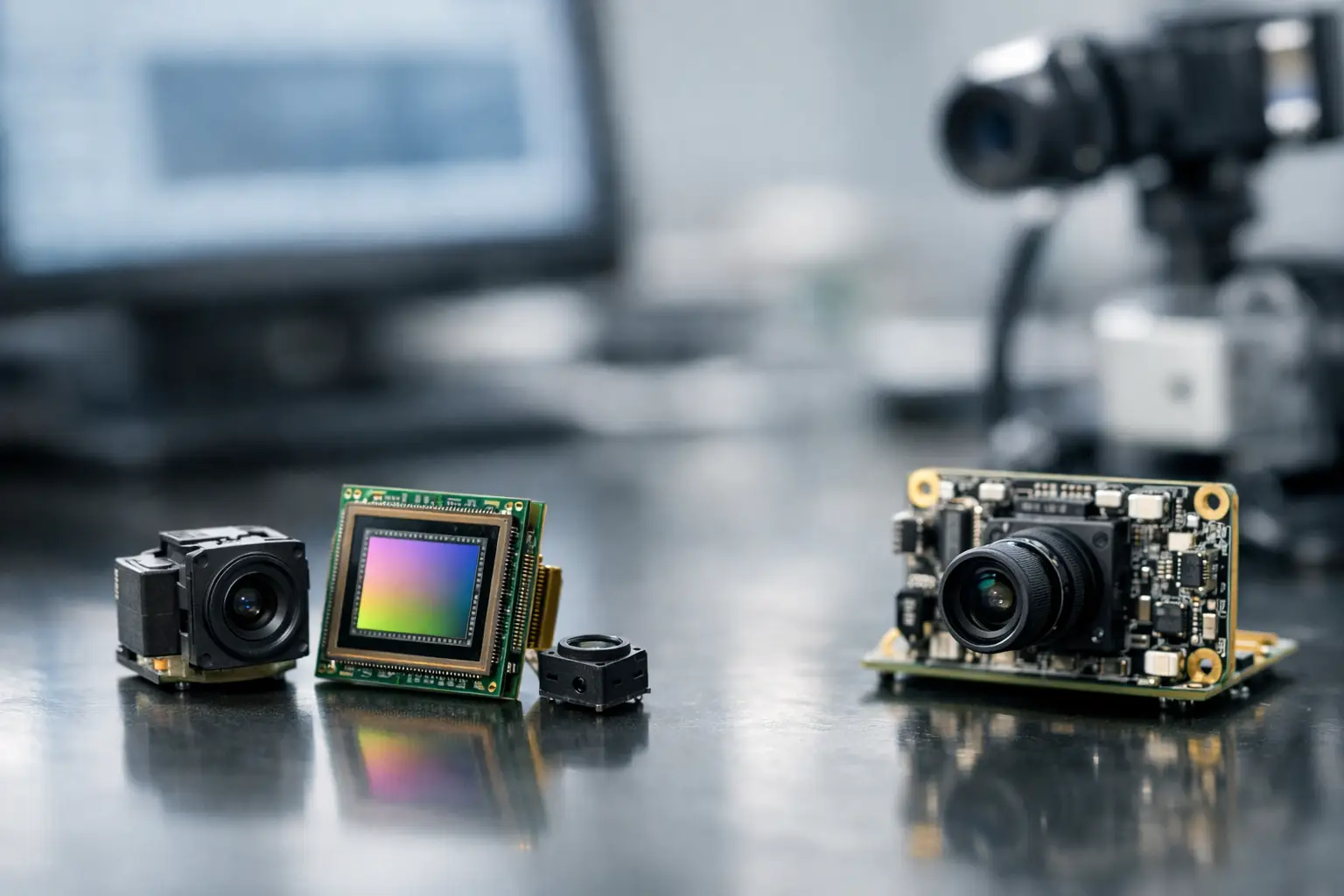
A 48-megapixel sensor can look compelling on a specification sheet, but sensor resolution alone does not determine whether a camera will perform in a commercial device. Sony IMX586 camera modules must be evaluated as an integrated imaging system: sensor, lens, optical alignment, interface, ISP pipeline, mechanics, and manufacturing control all affect the final result.
For OEMs building robotics, inspection equipment, smart devices, security terminals, handheld instruments, or specialized medical equipment, the IMX586 remains a practical option when high-resolution capture and compact module dimensions matter. The right implementation can preserve useful detail for cropping, measurement, documentation, and AI analysis. The wrong implementation can create excessive data load, poor edge sharpness, unstable exposure behavior, or a long integration cycle.
What Sony IMX586 Camera Modules Bring to a Product
The Sony IMX586 is a 48MP CMOS image sensor with an effective resolution of approximately 8000 x 6000 pixels. It uses a 0.8 μm pixel architecture and a Quad Bayer color filter arrangement, allowing the camera system to support high-resolution output while also using pixel-binning modes where better low-light sensitivity or lower processing demand is preferred.
This flexibility is the main commercial value of the sensor. A product does not have to operate at 48MP for every image. A mobile diagnostic device may use full resolution for still-image documentation, then use a lower-resolution stream for preview. A vision system may capture a detailed image for offline inspection but run an AI model on a resized frame. A security or remote-monitoring device may prioritize frame rate and storage efficiency instead.
The sensor is also well suited to compact imaging assemblies. Yet compact does not mean simple. At 48MP, lens quality, focus accuracy, and mechanical tolerance become highly visible in the image. A module that appears acceptable at lower resolution can expose corner softness, chromatic aberration, field curvature, and alignment variation when paired with a high-resolution sensor.
Quad Bayer Output Needs a Defined Image Pipeline
The IMX586’s Quad Bayer pattern is not identical to a conventional Bayer workflow. To produce predictable color, sharpness, and noise performance, the host platform needs an appropriate image signal processor and tuning process. This includes black-level correction, demosaicing, denoising, color calibration, lens shading correction, white balance, and exposure control.
For an engineering team, the first question should not be simply, “Can the processor connect to this sensor?” It should be, “Can the processor handle the intended mode, data rate, RAW format, and image-quality targets?” Compatibility at the electrical level is only the beginning.
If the host platform has a capable ISP with established IMX586 support, development can move quickly. If the application requires a new processor, custom Linux driver work, or specialized image tuning, the module supplier and platform team should define responsibilities early. That reduces the risk of a camera sample performing well in a lab but failing to meet image consistency requirements in production.
Interface and Data Rate Are Design Decisions
Most IMX586 module designs are based on MIPI CSI-2 output, making them a natural fit for embedded processors, system-on-modules, and mobile-class computing platforms. MIPI offers a compact interconnect and high bandwidth, but bandwidth must be matched to the required resolution, frame rate, bit depth, and number of camera streams.
Full-resolution 48MP capture generates substantial data. It can strain CSI lane capacity, memory bandwidth, ISP throughput, storage, and application processing. In many products, the best answer is not maximum resolution at maximum frame rate. It is a defined operating profile that serves the real use case.
For example, an industrial handheld camera may need full-resolution stills, fast autofocus response, and a moderate preview stream. A robot may benefit more from lower-resolution, low-latency video with controlled exposure than from very large frames. For a multi-camera platform, a lower-resolution binned mode may be necessary to keep total system bandwidth within limits.
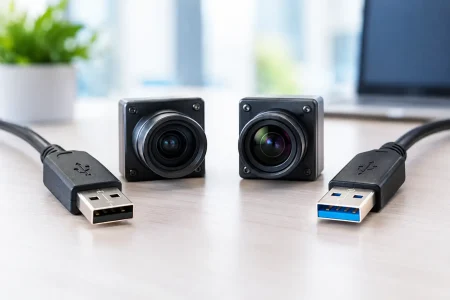
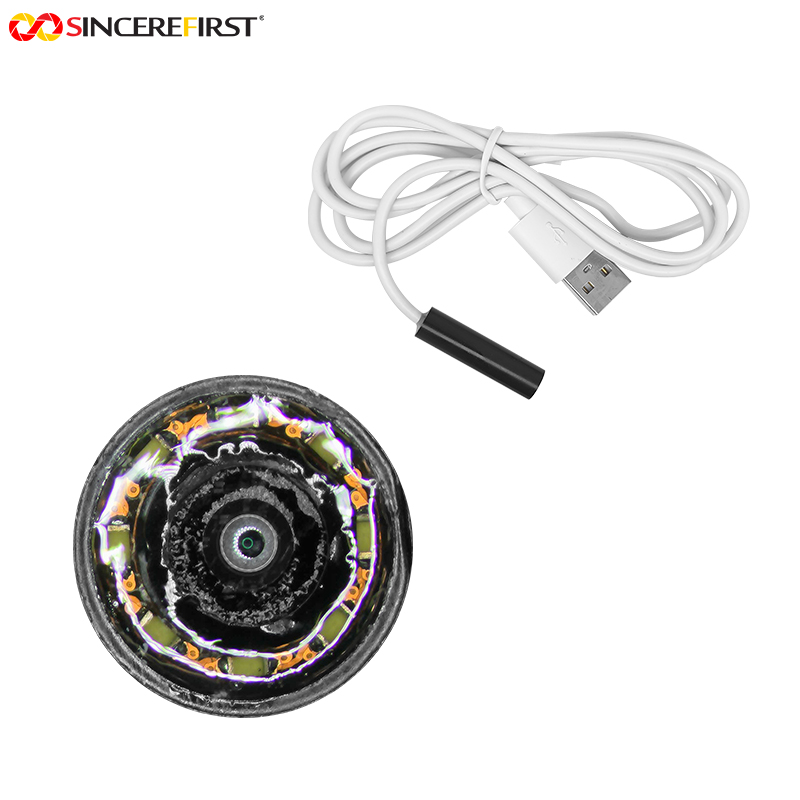
USB camera modules are another route when the product architecture requires plug-and-play connectivity to a PC or industrial controller. However, converting a high-resolution MIPI sensor output into a USB video stream requires the right bridge, compression strategy, and host-side support. USB can simplify integration in some systems, but it does not remove the data-rate trade-off.
Choose the Lens for the Task, Not the Sensor Name
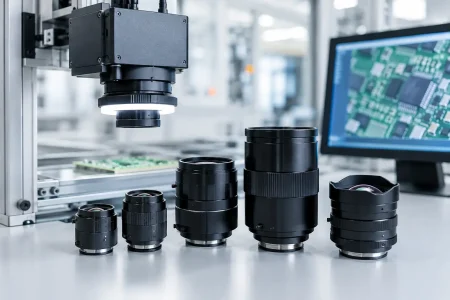
A lens should be selected around working distance, field of view, distortion tolerance, aperture, spectral response, and environmental constraints. The IMX586’s resolution creates an opportunity to capture detail, but only if the optics can resolve it across the required image field.
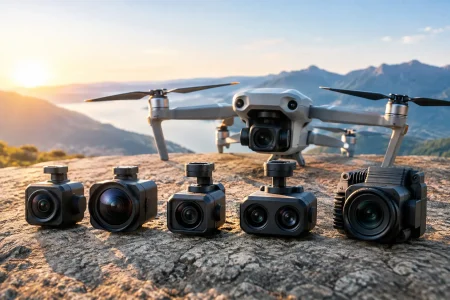
For barcode reading, document capture, dermatology imaging, or product inspection, distortion control and close-focus performance may matter more than a very wide field of view. For robotics and smart-city devices, the required field may be wider, creating a greater need to manage distortion and edge definition. In low-light applications, aperture and optical transmission become central to image quality, particularly if motion blur must be controlled.
Fixed-focus modules are often the most stable and cost-effective choice for a known working-distance range. They have fewer moving parts and are easier to qualify for vibration and long-term reliability. Autofocus modules are useful where object distance changes significantly, but they add actuator control, focus tuning, power considerations, and mechanical complexity.
Customization Determines Whether the Module Fits
The standard camera module is a starting point, not always the finished solution. Commercial products frequently need customized FPC length and pinout, connector selection, mounting position, lens holder geometry, field of view, focus range, IR-cut filter configuration, shielding, or housing design. These details determine whether a module fits the product enclosure and can be assembled consistently at volume.
For applications using visible light, the optical stack typically includes an IR-cut filter to maintain natural color reproduction. For near-infrared or specialized illumination systems, filter selection may need to change. Medical, agricultural, and industrial systems can also require specific color response, controlled illumination, or custom calibration targets. The right configuration depends on the scene, not just the sensor specification.
Mechanical requirements deserve equal attention. A module installed in a handheld device may face drops, vibration, temperature change, and frequent handling. A camera inside factory equipment may require secure retention, electromagnetic compatibility planning, and a cable arrangement that withstands repetitive movement. Early mechanical review prevents costly redesign after the optical design is already frozen.
How to Qualify an IMX586 Module Supplier
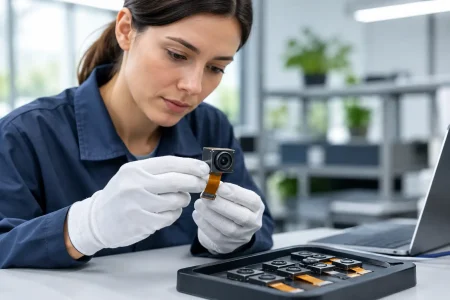
A supplier evaluation should look beyond sample image quality. A strong sample is necessary, but production repeatability is what protects a product launch. Buyers should ask how lenses are aligned, how focus is set and verified, what image inspection is performed, how module traceability is managed, and how design changes are controlled between prototype and mass production.
It is also useful to confirm whether the supplier can support the full path from sample to volume order. That includes engineering communication, optical and mechanical customization, cleanroom assembly, incoming material controls, functional testing, aging or reliability screening where required, and stable procurement of key components.
For custom projects, clear inputs accelerate development. Provide the target processor, interface requirements, intended resolution and frame rate, working distance, field of view, module envelope, environmental conditions, illumination type, and expected annual volume. A supplier can then recommend a realistic module configuration rather than quoting a generic 48MP camera that may not fit the application.
SincereFirst supports this approach with standard and customized embedded camera module development for OEM and industrial projects. The objective is not simply to supply a sensor module, but to establish an imaging configuration that can be validated, manufactured, and delivered consistently.
When the IMX586 Is the Right Choice
Sony IMX586 camera modules are a strong fit when a device needs high-detail still imaging, digital crop latitude, compact packaging, and a processor capable of managing the sensor’s output. They are particularly relevant for equipment that benefits from retaining fine visual information without moving to a physically larger camera architecture.
They are not automatically the best choice for every embedded vision product. If the priority is very high frame rate, extreme low-light performance, global shutter behavior, or the lowest possible power consumption, another sensor class may be better suited. A lower-resolution sensor with larger pixels can outperform a 48MP module in dim scenes, while a global-shutter sensor can be the better choice for fast motion and metrology.
The productive question is not whether 48MP is impressive. It is whether the sensor, optics, processor, and production plan work together for the images your customers need. Start with the scene and operating conditions, then build the camera module around measurable performance targets.