
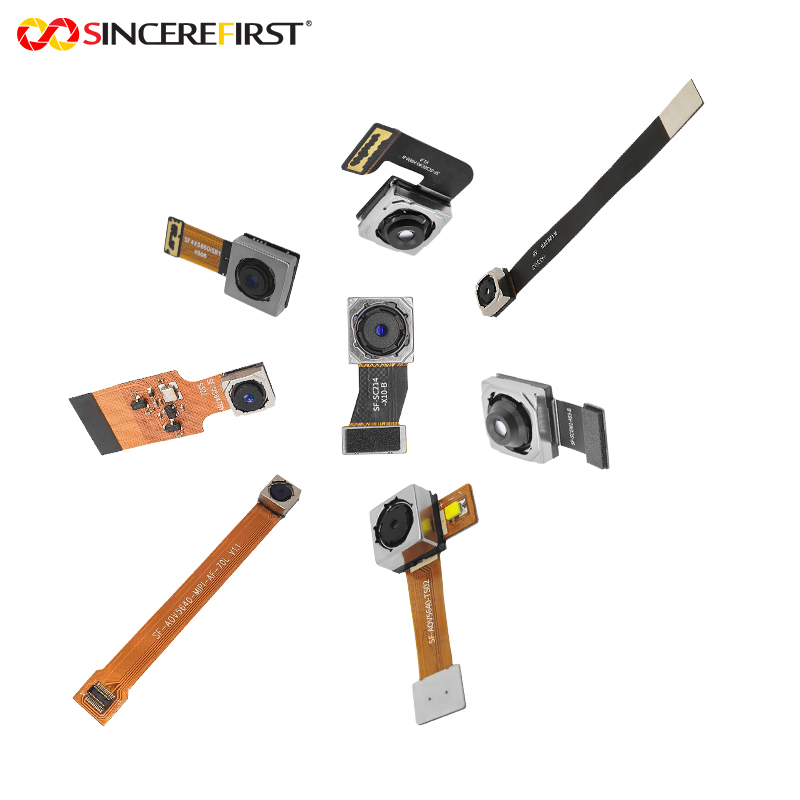
A camera module is not a commodity once it enters a commercial device. A small change in lens height, sensor tuning, cable routing, or firmware behavior can delay an entire product launch. This camera module OEM process guide explains how experienced buyers move from an imaging requirement to stable, scalable production without treating supplier selection as a price-only decision.
For robotics, medical devices, security equipment, industrial automation, and smart hardware, the goal is not simply to source a camera. The goal is to build an imaging subsystem that fits the mechanical envelope, works with the host processor, performs in real operating conditions, and remains manufacturable after demand increases.
Start With the Application, Not the Resolution
Many OEM projects begin with a request for a specific resolution, such as 1080p or 4K. Resolution matters, but it is only one part of image quality and may not be the deciding factor. A warehouse robot that reads labels at a distance has different priorities from a handheld medical device, an in-cabin monitoring system, or a compact endoscope.
Define the scene before selecting the module. This includes working distance, field of view, illumination, motion speed, target size, operating temperature, expected low-light performance, and the image-processing task. If the device must identify a defect, scan a barcode, recognize a face, or guide a surgical procedure, state that requirement clearly. It gives the camera engineering team a basis for selecting the sensor, lens, focus method, and image tuning strategy.
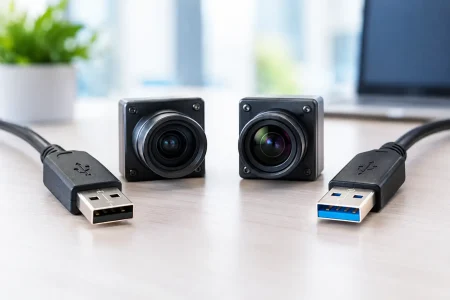
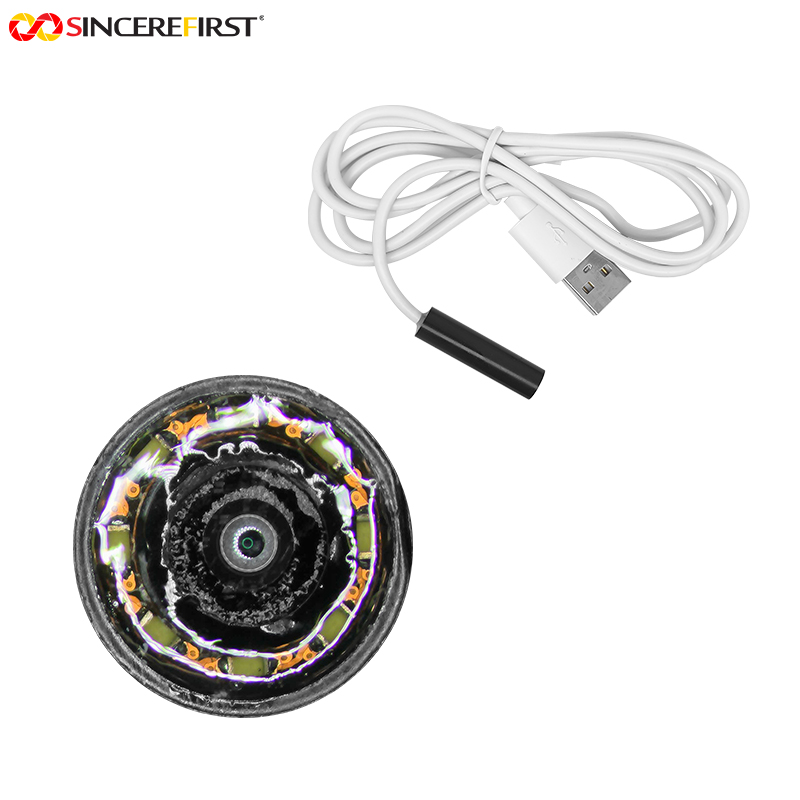
The interface must also be decided early. MIPI CSI-2 is common for compact embedded products with supported application processors. USB and UVC modules can shorten integration for PCs, kiosks, and systems that need plug-and-play connectivity. DVP may remain appropriate for legacy platforms or simpler embedded designs. USB 3.0 can be the practical choice when high-resolution, higher-frame-rate data must reach a host without MIPI support.
A useful requirement document should identify the target resolution and frame rate, interface, power limits, module dimensions, focus range, connector direction, cable constraints, environmental conditions, and forecast volume. It should also distinguish between must-have specifications and preferred specifications. That distinction prevents a technically attractive design from becoming unnecessarily expensive or difficult to manufacture.
Camera Module OEM Process Guide: From RFQ to Engineering Review
A productive OEM process starts with a complete RFQ, but the RFQ should open a technical conversation rather than lock the project into an early assumption. The supplier needs enough information to determine whether a standard FPC camera module can be adapted or whether the program requires a custom optical and electronic design.
During the engineering review, the supplier should evaluate four connected areas: optical performance, electrical compatibility, mechanical integration, and production feasibility. These disciplines cannot be handled independently. For example, a wider lens may meet the desired field of view but introduce distortion that affects machine-vision measurement. A longer FPC may simplify placement in the enclosure but affect signal integrity. A metal holder may improve rigidity yet conflict with the product’s weight or cost target.
This is the stage to discuss sensor availability and lifecycle as well. A module designed around a sensor with uncertain supply can create a future redesign risk. Buyers should ask about approved alternatives, expected lead times, component sourcing controls, and how a supplier manages end-of-life notifications. For programs intended to ship for several years, these questions are as important as initial sample performance.
SincereFirst approaches this review as an imaging system decision, combining module, optical, interface, and assembly considerations before the design reaches volume production. That reduces the common gap between a sample that looks good on an engineering bench and a camera that can be repeatedly built for a commercial product.
Build the Optical Stack Around Measurable Performance
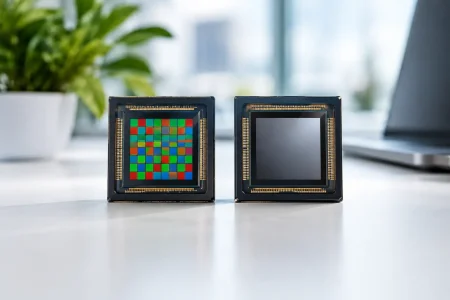
The camera module optical stack typically includes the image sensor, lens, lens holder, infrared filter or other optical filter, adhesive, and mechanical structure. Each element affects the final image. A supplier should not evaluate the sensor datasheet in isolation, because the lens selection and assembly tolerances determine how much of that potential reaches the final device.
Focus is one critical choice. Fixed-focus modules are compact, fast, and generally more stable for defined working distances. They are well suited to barcode scanning, inspection stations, and many embedded vision tasks. Autofocus provides flexibility when subjects move across a broad distance range, but it adds power, control, validation, and mechanical considerations. For medical or industrial inspection products, a tailored depth of field may be more valuable than autofocus.
Ask how the supplier verifies image quality. Resolution charts are useful, but they do not tell the full story. A production-ready validation plan should consider center and corner sharpness, field of view, distortion, shading, color consistency, signal-to-noise ratio, low-light behavior, focus position, and defects such as dust, scratches, dead pixels, or foreign particles.
Infrared behavior needs equal attention. A standard IR-cut filter supports natural visible-light color, while an IR-sensitive design may be required for night vision, agricultural analysis, or specialized machine-vision applications. If the camera operates with 850 nm or 940 nm illumination, confirm spectral response and test the complete illumination-camera combination. A module can appear correct under office lighting and fail its actual task under infrared LEDs.
Prototype Quickly, Then Validate Under Real Conditions
Fast samples are valuable only when the sample plan answers the right questions. The first prototype should confirm physical fit, electrical communication, basic image output, and compatibility with the host platform. It is not yet proof of production readiness.
The next phase should test the module in the actual device or a representative fixture. Examine image quality across the intended temperature range, vibration conditions, illumination levels, and target distances. Test boot behavior, frame stability, latency, exposure transitions, and any software functions that rely on the image stream. For a USB camera, verify host compatibility. For a MIPI module, confirm lane configuration, clocking, driver support, and image signal processor tuning on the selected processor.
Image tuning deserves a defined ownership model. Sensor registers, exposure control, white balance, noise reduction, sharpening, and color correction may be managed by the sensor, the host ISP, or both. When responsibilities are unclear, teams can spend weeks diagnosing a visual issue that is actually caused by the wrong tuning layer. Establish acceptance images and measurable pass criteria before design verification begins.
For regulated or safety-sensitive applications, documentation requirements may be more extensive. Medical imaging modules, for example, may require material records, traceability expectations, controlled change processes, and validation support that differ from a consumer accessory project. The right process depends on the application risk, not just the camera specification.
Convert an Approved Design Into a Controlled Production Process
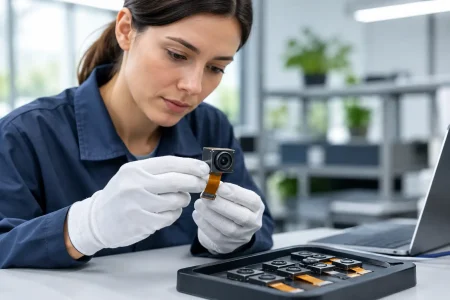
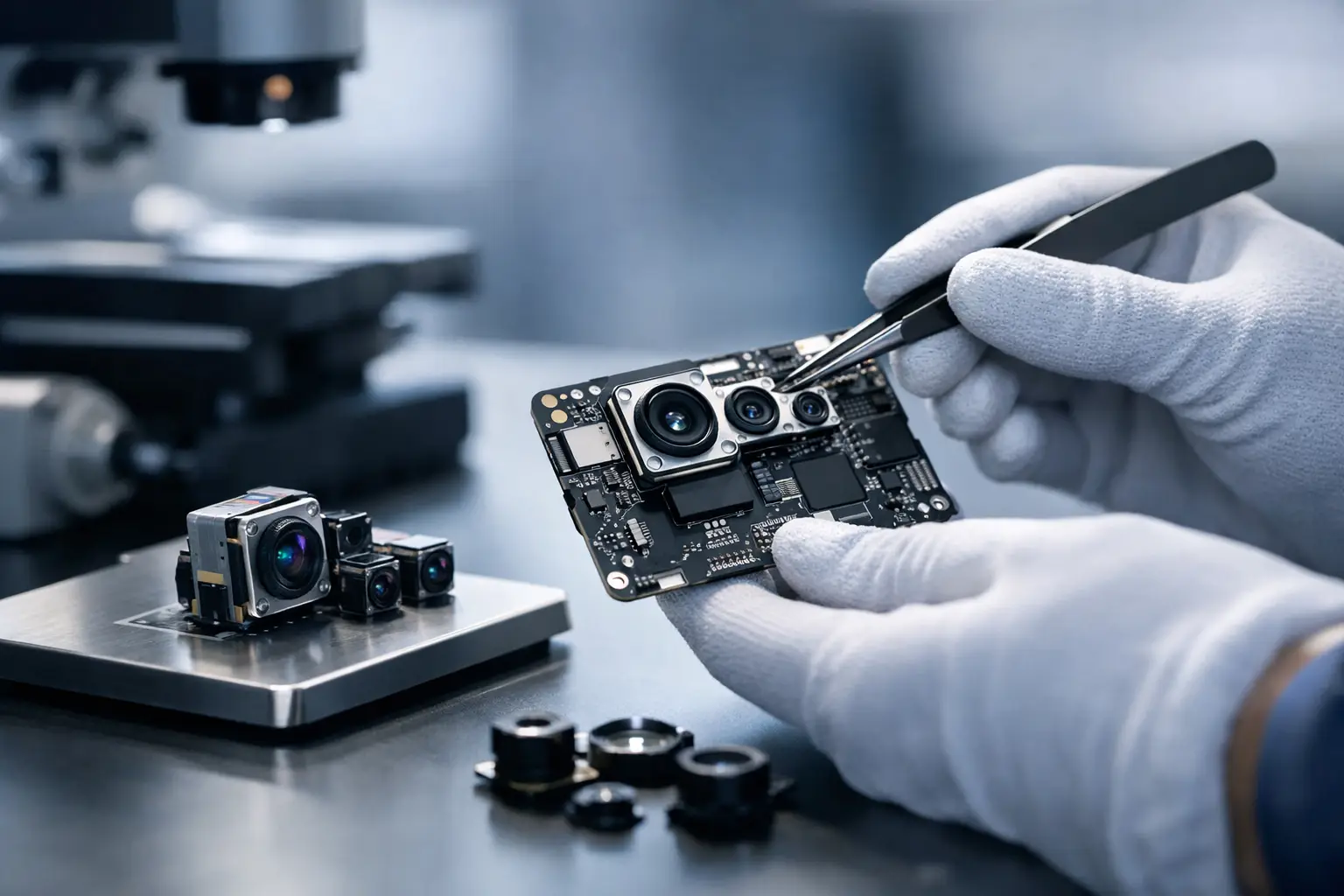
After the design is frozen, manufacturing discipline becomes the primary risk control. Camera module assembly involves precise alignment, lens installation, focusing, bonding or soldering, cleanroom handling, inspection, and functional testing. Minor variation in any step can affect focus, contamination levels, image consistency, or long-term reliability.
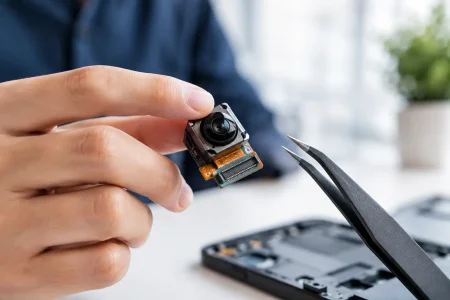
Buyers should ask how the factory controls incoming materials, assembly parameters, and final inspection. Important questions include whether lens and sensor lots are traceable, how active alignment or focus adjustment is controlled, what cleanroom practices are used, and whether every unit receives functional testing. The answer should connect to the actual module architecture. A high-resolution fixed-focus module, a tiny endoscope camera, and a USB board camera may require different assembly and test methods.
A strong quality plan also defines what happens when production conditions change. Component substitutions, firmware revisions, lens supplier changes, and connector updates can all affect the finished camera. Change notification, sample requalification, and documented approval steps protect the buyer from unplanned differences after the first successful shipment.
Volume planning should begin before the purchase order expands. Confirm capacity, yield expectations, test throughput, packaging method, lead time, and buffer strategy for critical components. The lowest unit price can become costly if the supplier cannot maintain delivery continuity or if quality screening shifts to your receiving line.
Treat Lifecycle Support as Part of the OEM Decision
The camera module OEM process continues after production release. Field feedback may expose a lighting condition, mounting stress, software update, or sourcing issue that was not visible during validation. A capable supplier can help isolate whether the root cause is optical, electrical, mechanical, firmware-related, or process-related.
This partnership model matters most when products evolve. A customer may need a second-source sensor option, a revised FPC length, a new lens for a wider working distance, or a cost-reduction program that preserves critical image performance. These changes should be managed through engineering review and controlled samples, not informal part replacement.
A camera module earns its value when it keeps delivering useful images after the prototype stage has passed. Select an OEM partner that can make the technical trade-offs visible, document the decisions, and build the same result repeatedly at production scale. That is how an intelligent imaging feature becomes a dependable part of the product your customers trust.