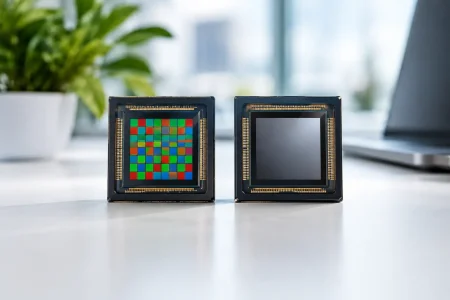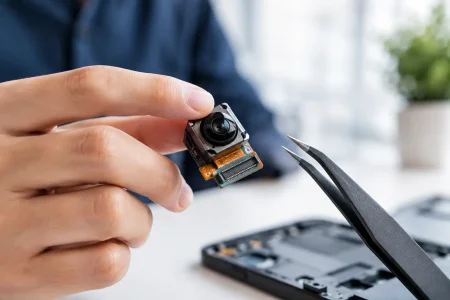

A camera module supplier Mexico-based OEMs can rely on must do more than quote a sensor and ship a finished assembly. For robotics, medical devices, security hardware, industrial equipment, and smart terminals, the camera module directly affects image quality, system stability, certification progress, and production timing. A low initial unit price can become expensive when the module requires repeated tuning, suffers from supply changes, or fails to fit the final mechanical stack.
Mexico is an important manufacturing and integration market for North American hardware programs. But the right sourcing decision is rarely just about geographic proximity. Procurement and engineering teams need a supplier with the imaging knowledge, customization discipline, and manufacturing capacity to support a product from prototype through volume production.
What a Camera Module Supplier in Mexico Should Deliver
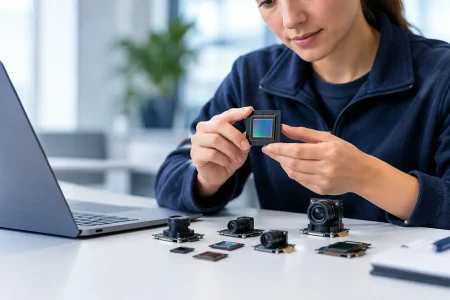
A qualified supplier should be evaluated as an engineering and production partner, not only as a component vendor. The first question is whether the proposed module meets the real application requirement. Resolution alone is not enough. A 5MP module may be the right choice for a compact inspection tool, while a 2MP global shutter module may outperform a higher-resolution rolling shutter design in a fast-moving robotic or industrial environment.
The supplier should be able to discuss sensor selection, lens field of view, focus distance, distortion, frame rate, low-light behavior, interface compatibility, and power constraints. Those discussions reveal whether the vendor understands the full imaging chain or simply distributes standard parts.
For device manufacturers serving Mexico or assembling there, production continuity also matters. Ask how the supplier manages component lifecycle changes, sensor allocation, lens availability, and quality traceability. A module that works during prototype validation is not necessarily a module that can be produced consistently six or twelve months later.
Start With the Application, Not the Catalog
Standard camera modules are useful when the mechanical envelope, optical performance, and interface already match the product. USB UVC modules, for example, can shorten development for PC-connected inspection stations, kiosks, and proof-of-concept systems. MIPI CSI-2 modules are often a better fit for embedded Linux, Android, NVIDIA, Qualcomm, Rockchip, and other processor-based designs where compact integration and lower latency are priorities.
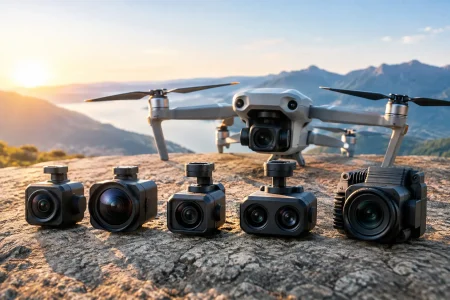
However, catalog selection becomes limiting when the product has demanding optical, mechanical, or environmental requirements. A warehouse robot may need a wide-angle lens, controlled distortion, stable exposure under LED lighting, and vibration resistance. A medical or industrial borescope may require an ultra-small camera head, LED integration, specific cable length, and a defined waterproof or sterilization strategy. In these projects, customization is not an extra feature. It is part of making the system viable.
A capable supplier should clarify what can remain standard and what needs to be tailored. This protects the schedule. Full custom development is valuable when necessary, but unnecessary redesign adds cost and validation work.
Technical Checks Before You Request Samples
A productive request for quotation should include more than a desired resolution and annual volume. Give the supplier the host platform, interface, use environment, dimensions, target field of view, working distance, illumination conditions, and performance priorities. If image processing will run on the host processor, share the operating system and relevant driver requirements early.
Then evaluate the response against the following engineering questions:
- Is the selected sensor appropriate for motion, low light, high dynamic range, or color accuracy requirements?
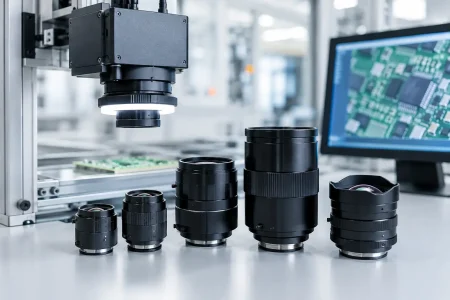
- Does the lens provide the required field of view and focus range without unacceptable distortion or corner softness?
- Can the FPC, connector position, board outline, and mounting points fit the product enclosure?
- Is the module interface compatible with the processor, cable length, bandwidth, and software architecture?
- Can the supplier provide image tuning for exposure, white balance, noise reduction, and color behavior when the application requires it?
- Are samples built from production-intent components, or are they assembled from parts that may not be available at scale?
These questions are especially important for MIPI camera modules. MIPI integration can provide an efficient embedded design, but it depends on correct pin definition, signal integrity, driver support, ISP configuration, and system-level tuning. The lowest-cost module is not a good choice if internal engineering time is later consumed by compatibility problems.
Do Not Treat Image Quality as a Datasheet Number
Datasheets provide a useful starting point, but they do not show every outcome seen in the finished device. Image quality depends on sensor capability, lens selection, module assembly accuracy, illumination, housing reflections, processing parameters, and the end-use scene.
Request sample images or test units under representative conditions. For an agricultural camera, test bright sun, shadows, foliage movement, and dust. For a security device, test mixed lighting and nighttime exposure. For a diagnostic or medical application, test the actual materials, working distance, and illumination geometry. A supplier that can help define the test method is more likely to identify issues before they become field failures.
Manufacturing Stability Is a Design Requirement
Hardware programs often lose time when engineering and procurement qualify different versions of the same part. The module may change because of an image sensor revision, lens substitution, connector update, or FPC adjustment. Without formal revision control, the result can be difficult-to-trace image variation or a production line interruption.
Ask prospective suppliers how they control bills of materials, product revisions, incoming inspection, optical alignment, functional testing, and final quality records. For high-volume programs, it is reasonable to discuss sample approval, golden units, image acceptance criteria, lot traceability, and change-notification procedures before mass production begins.
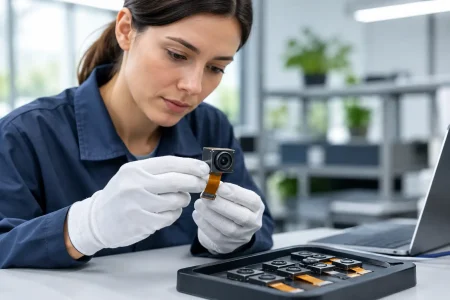
Cleanroom assembly and disciplined process control are particularly valuable for modules used in imaging systems where dust, focus shift, or alignment variation can affect performance. The module is a compact assembly, but it is not a simple commodity. Lens-to-sensor alignment, adhesive curing, FPC handling, and final test conditions all influence the consistency of the delivered image.
A supplier should also be direct about capacity and lead times. Fast samples are valuable, but the supplier must be able to transition from prototype quantities to stable batch production without changing the core product definition. That balance between speed and controlled manufacturing is what procurement teams should seek.
Match the Interface to the Product Lifecycle
Interface selection affects more than electrical integration. It shapes development effort, enclosure design, cable routing, bandwidth, and future product updates.
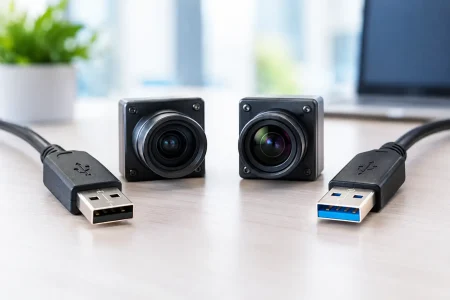
USB 2.0 camera modules are practical for many lower-bandwidth and cost-sensitive applications. USB 3.0 modules support higher data throughput where resolution, frame rate, or uncompressed image transfer demand it. UVC compliance can reduce software complexity on compatible host platforms, though teams should still verify operating system behavior and application-level controls.
MIPI modules are common in compact embedded products, while DVP modules may remain appropriate for legacy platforms or selected low-complexity designs. FPC camera modules allow tight mechanical packaging and flexible cable routing, but they require careful connector selection and assembly planning. The correct interface depends on the host hardware and product roadmap, not on popularity alone.
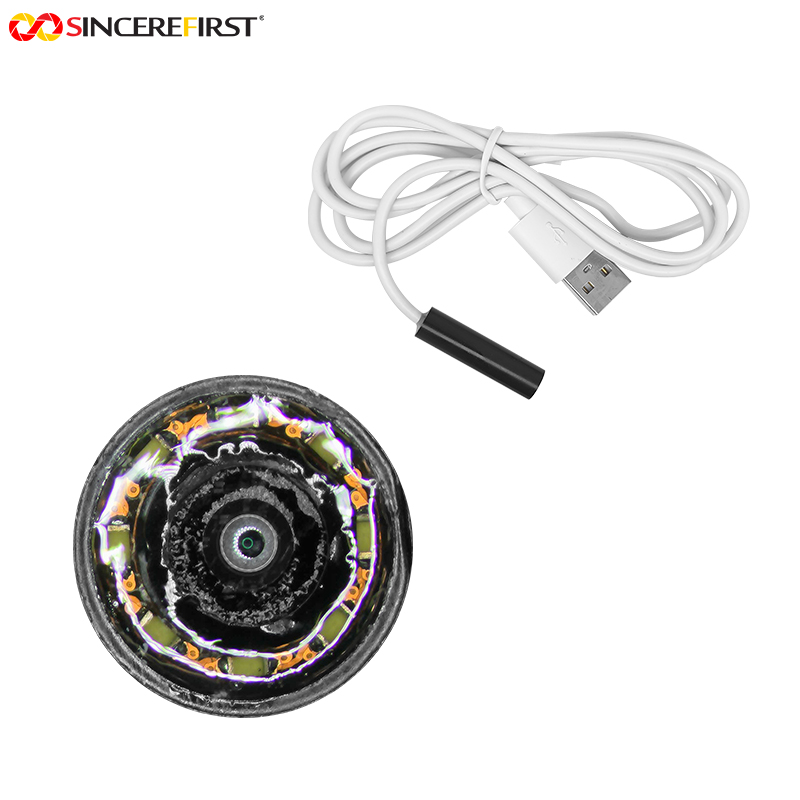
For very small-diameter inspection and medical devices, endoscope camera modules introduce another layer of constraints. Diameter, cable flexibility, LED placement, distal tip design, heat, focus range, and waterproofing all need to be considered together. A ready-made module can reduce time to market, while a custom endoscope assembly may be necessary when the device geometry or viewing direction is unique.
How SincereFirst Supports Imaging Programs
SincereFirst combines standard camera module supply with custom OEM and ODM development for embedded vision products. With more than 30 years of imaging R&D experience, cleanroom manufacturing, and scalable production capability, the company supports teams that need a practical path from sample evaluation to volume delivery.
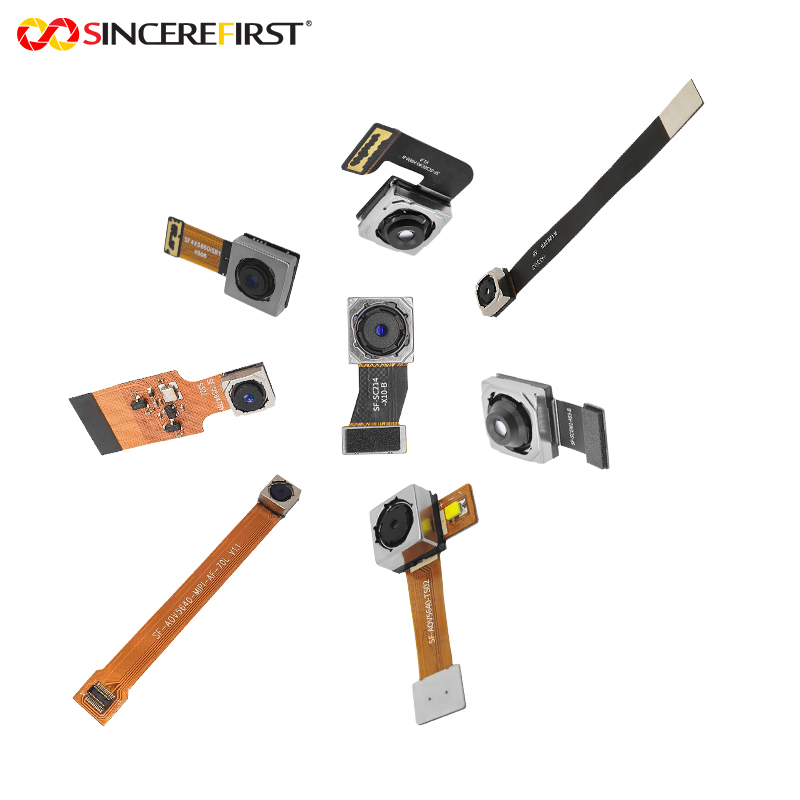
Its portfolio includes FPC, MIPI, DVP, USB, USB 2.0, USB 3.0, UVC, medical imaging, and endoscope camera modules, along with connectors and optical imaging components. This breadth matters because it allows engineering teams to compare realistic options rather than forcing every requirement into one module format.
The most effective supplier relationship starts early, when mechanical constraints, optical targets, processor compatibility, and production expectations can still be shaped. That is when a camera module becomes more than a purchased component: it becomes the intelligent eye that helps the final product perform as intended.