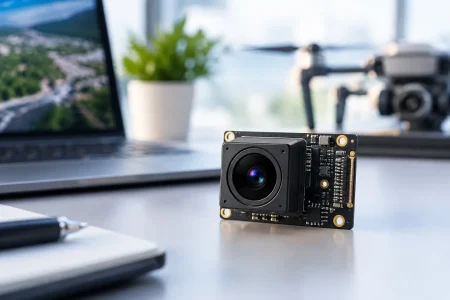

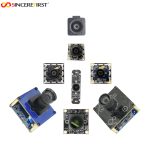

A MIPI camera module that looks perfect on paper can still fail your product review in the lab. The usual reasons are not dramatic – lane mismatch, poor low-light performance, lens distortion, thermal limits, or an ISP pipeline that does not behave the way your processor expects. If you are working out how to choose a MIPI camera module for an embedded device, the right starting point is not megapixels. It is system fit.
MIPI modules are selected inside a larger hardware decision: processor, CSI interface, mechanical envelope, lighting conditions, image tuning, compliance target, and production volume all matter. For product teams and engineers, the fastest way to avoid redesign is to define the module around the end application, not around a headline specification.
How to choose a MIPI camera module by application
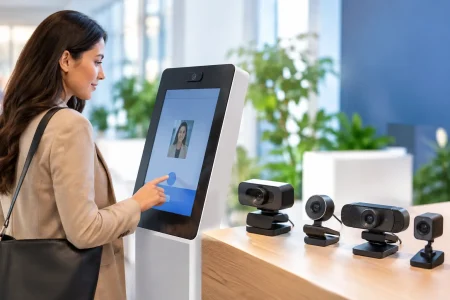
A MIPI camera module for a robotic vision node is not chosen the same way as one for a handheld medical device or a smart access terminal. The first question is simple: what does the camera need to accomplish in the finished product?
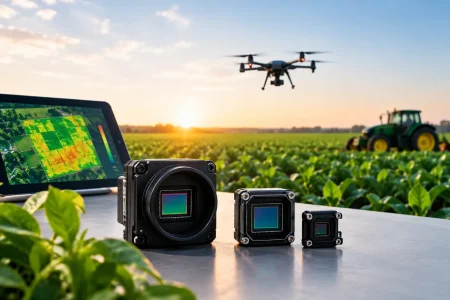
If the module is used for barcode reading, defect inspection, occupancy detection, face capture, telehealth imaging, or agricultural monitoring, the imaging priorities change. Some applications need fine detail. Others need motion handling, IR sensitivity, low power draw, or strict size control. A 13MP sensor may sound stronger than a 2MP sensor, but in many machine vision tasks, a lower-resolution sensor with larger pixels, higher frame stability, and better sensitivity delivers better real-world results.
This is where many projects either gain speed or lose months. Once the use case is clear, specifications become easier to rank instead of treating every parameter as equally important.
Start with sensor performance, not sensor count
Sensor selection drives most of the module’s imaging behavior. Resolution matters, but it is only one part of the result. Pixel size, shutter type, frame rate, dynamic range, signal-to-noise ratio, and sensitivity often have more impact than the raw megapixel number.
For static scenes in controlled light, high resolution can be useful for cropping and detail retention. For moving objects, global shutter may be the better choice because it reduces motion distortion. For indoor or variable lighting, larger pixels and stronger low-light performance may matter more than added resolution. For outdoor smart devices, wide dynamic range becomes a serious consideration because backlight and shadow can break image usability.
In practical sourcing, sensor availability also matters. A strong module design built around a hard-to-source sensor can become a supply chain problem. For OEM and ODM projects, it is wise to evaluate second-source options or at least confirm the sensor’s life cycle early.
Rolling shutter vs global shutter
This choice deserves direct attention. Rolling shutter sensors are common, cost-effective, and suitable for many consumer and embedded applications. But when objects move quickly, or when vibration is present, image skew can become unacceptable. Global shutter sensors cost more, yet they are often the correct choice for industrial automation, robotics, and high-speed capture.
If your device makes decisions from the image rather than simply displaying it, shutter type should be discussed early.
Check MIPI CSI compatibility in detail
Many integration issues begin at the interface level. MIPI CSI-2 looks standardized, but module compatibility still depends on lane count, connector format, clocking, data throughput, driver support, and processor adaptation.
A camera module may support 2-lane or 4-lane output, and that directly affects bandwidth. Higher resolution and frame rate combinations need sufficient lane capacity. Your host processor or SoC must support the output mode you plan to use, not just the interface family in general. Teams sometimes approve a module because it is labeled MIPI, then later discover the processor cannot reliably handle the chosen data format at target performance.
Bring the processor, operating system, and driver team into the decision. Linux support, Android adaptation, ISP compatibility, and tuning workflow should all be confirmed before module lock-in. If the project is schedule-sensitive, a module supplier with adaptation support can reduce validation time significantly.
Lens and field of view are product decisions
The sensor does not create the image alone. Lens selection shapes usable image quality just as much. Field of view, focal length, distortion, aperture, chief ray angle, and focus range need to match the application.
A wide-angle lens covers more area, which is useful for smart home devices, cabin monitoring, and mobile equipment. But wider views often introduce more distortion and can reduce detail density on the subject. A narrower lens improves target detail at a distance but limits scene coverage. Fixed-focus designs work well when the working distance is stable. Autofocus adds flexibility, though it also adds complexity, power demand, and qualification work.
Mechanical stack-up matters here. The lens height, holder dimensions, and module footprint must fit the enclosure. In very compact products, the optical path may force compromise between sensor size and lens design. That is normal, but it should be managed deliberately.
IR filter, night vision, and spectral response
If the device operates in low light or uses IR illumination, the filter configuration must be defined early. Standard visible-light modules with an IR-cut filter are not ideal for near-infrared work. Day-night switching, no-IR-filter designs, or custom spectral tuning may be required depending on the application.
This is especially relevant in security, smart agriculture, and machine vision systems using active illumination.
Do not overlook ISP and image tuning
Two modules with the same sensor can produce very different image results. The reason is usually ISP processing and tuning. White balance, exposure behavior, noise reduction, sharpness, color rendering, HDR handling, and defect correction all affect output quality.
If your processor includes an ISP, make sure the camera module is supported within that pipeline. If the module relies on external tuning, ask how image optimization will be handled during development. A camera that looks acceptable in default settings may still fail under your actual light source, target color, or motion pattern.
For commercial devices, image consistency across batches matters as much as peak lab performance. That requires stable tuning, manufacturing control, and calibration discipline.
Size, power, and thermal limits can change the answer
Embedded products rarely have unlimited space or thermal margin. A module that meets image targets may still be unsuitable if it runs too hot, draws too much current, or conflicts with the industrial design.
Power consumption should be reviewed in active mode, standby, and wake scenarios. This is especially important in battery-powered devices, wearables, portable medical tools, and edge AI systems. Thermal behavior also matters because image noise can rise with heat, and nearby components may affect module stability.
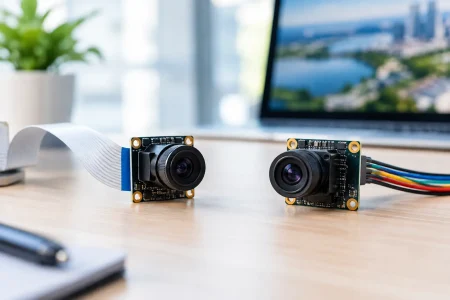
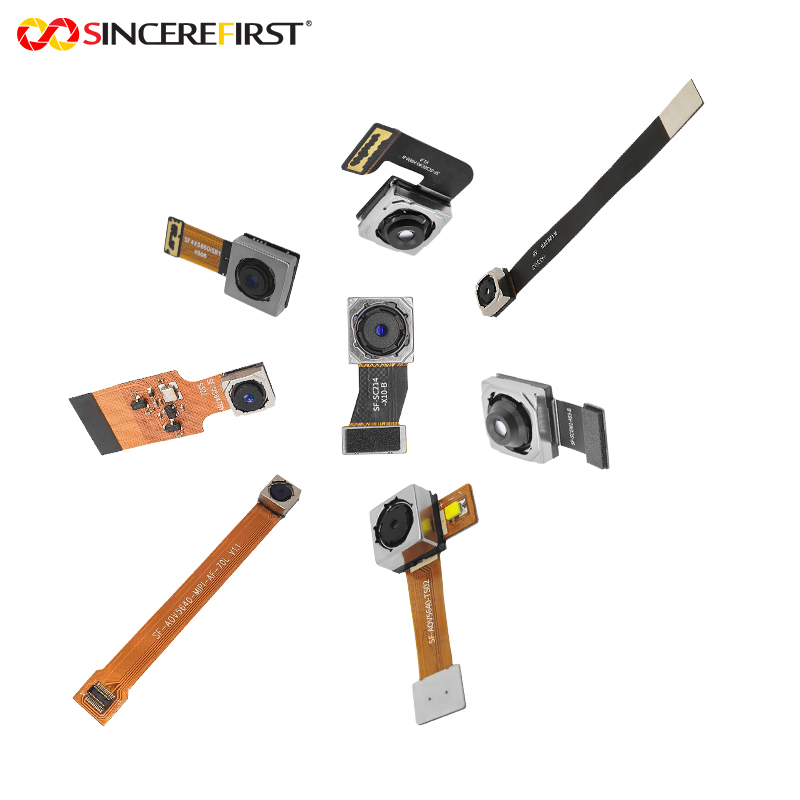
Connector orientation, FPC length, shielding, and EMC performance should also be part of the review. In compact systems, these details are not secondary. They often determine whether the module can be manufactured reliably at scale.
Match the module to production, not just prototyping
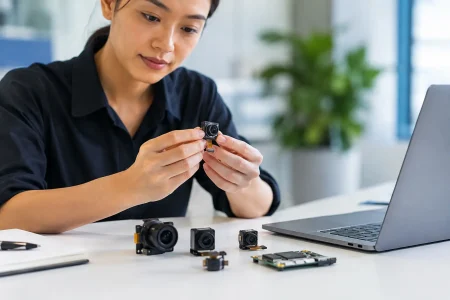
A module that works in ten engineering samples is not automatically ready for ten thousand units. When evaluating suppliers, ask how the module will be produced, tested, and controlled in volume.
Consistency in lens assembly, focus setting, cleanroom handling, SMT process control, and outgoing quality inspection can have a direct effect on field performance. For business buyers, the supplier’s engineering response speed also matters. If the project needs a different lens, cable length, connector type, board shape, or housing adaptation, customization capability should be proven, not assumed.
This is where a manufacturing-led partner creates value. Companies such as SincereFirst support standard module supply and custom imaging development, which helps teams move from evaluation to scalable production without switching vendors mid-project.
A practical shortlist for choosing the right module
If your team needs to make a decision quickly, narrow the module by seven filters: application target, sensor type, shutter type, MIPI lane and processor compatibility, lens and field of view, ISP tuning path, and production readiness. Once those are aligned, then compare secondary factors such as cost, lead time, and optional customization.
That order matters. Low unit cost means very little if the module forces software rework or misses image performance under actual operating conditions.
Questions worth asking before RFQ
Before sending a formal inquiry, define your target resolution, frame rate, operating distance, lighting condition, interface requirement, board space, and annual volume. Also confirm whether you need fixed focus or autofocus, visible light or IR sensitivity, and standard or custom FPC and connector layouts.
A well-defined RFQ shortens the sample cycle and improves quoting accuracy. It also helps the supplier recommend a module that fits the full system rather than just the spec sheet headline.
Choosing a MIPI camera module is less about finding the highest number and more about building the right imaging chain for your device. When the sensor, optics, interface, and manufacturing plan are aligned from the start, development moves faster and the final product performs the way it should in the field.