
If your team is sourcing a camera module OEM Canada projects can rely on, the hard part is rarely finding a supplier that says yes. The real challenge is finding a manufacturing partner that can meet imaging performance targets, support custom integration, and still hold schedule when your product moves from sample to volume.
That matters because camera modules are not generic parts once they enter a commercial device. A module that works well in a lab demo can fail in production when lighting shifts, cable routing changes, thermal conditions rise, or housing tolerances tighten. For OEM buyers, engineers, and procurement teams, supplier selection is as much about technical depth and manufacturing discipline as it is about unit price.
What Canada-based buyers usually need from a camera module OEM
Canadian device makers and integrators often buy into complex sectors where imaging has to do more than capture a decent picture. In medical devices, industrial automation, robotics, agriculture, and smart infrastructure, the camera module becomes part of a larger system requirement. That means interface compatibility, lens tuning, board dimensions, signal stability, and long-term supply all need to be qualified early.
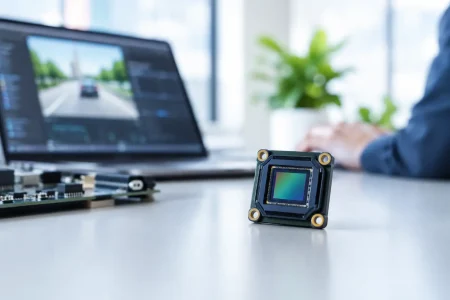
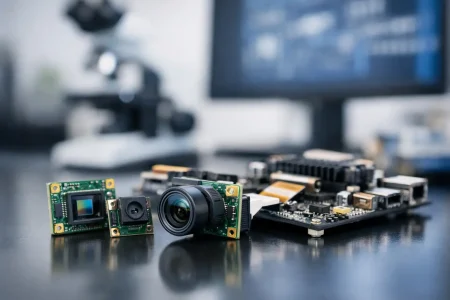
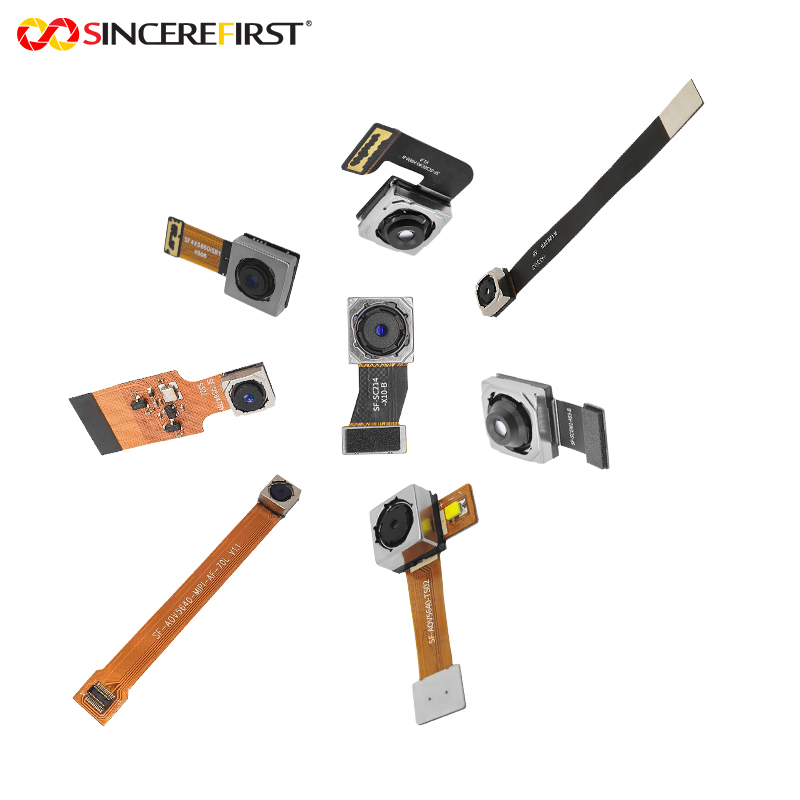
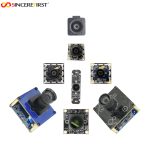
For some projects, a standard USB camera module is enough to accelerate prototyping. For others, the right path is a custom MIPI, DVP, or FPC module designed around the mechanical envelope of the final product. The difference is not small. A standard module can shorten early development, but a custom design usually gives better control over image quality, power draw, footprint, and assembly efficiency.
This is why camera module OEM Canada sourcing decisions should start with application constraints, not catalog browsing. Resolution alone tells very little. The right module depends on sensor size, pixel behavior in your lighting environment, lens field of view, frame rate, ISP tuning, connector style, and the host platform that has to receive and process the image.
How to evaluate a camera module OEM for real production work
A capable OEM should be able to discuss your project at the electrical, optical, mechanical, and manufacturing levels. If the conversation stays only at the level of megapixels and pricing, that is usually a warning sign.
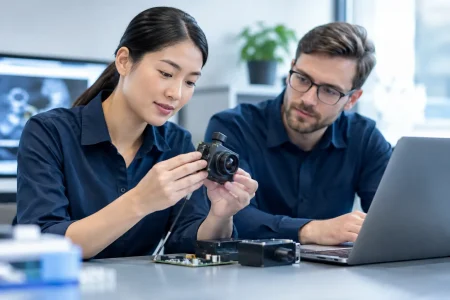
Engineering support matters as much as the module itself
When teams source camera modules for embedded products, they often run into integration issues that are not obvious at RFQ stage. A sensor may be available, but the ISP tuning may not match the use case. A compact lens may fit the enclosure, but corner sharpness may drop below requirement. A cable may pass the bench test, but repeated movement in the product may create reliability problems.
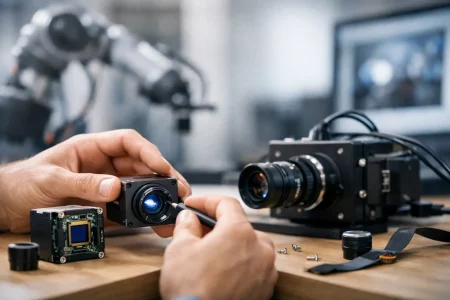
An experienced OEM should be able to review these factors before they become redesign costs. That includes sensor selection, lens matching, interface definition, connector choice, mechanical stack-up, and production test planning. Strong engineering support shortens development cycles because it reduces trial-and-error across teams.
Manufacturing capability should be visible, not implied
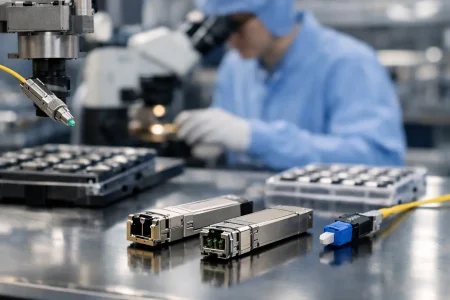
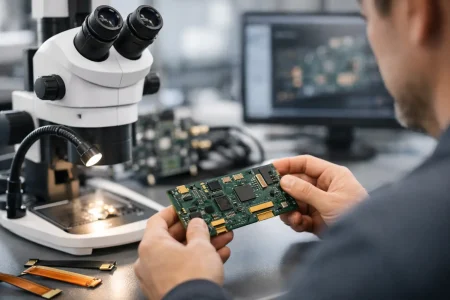
For OEM programs, the factory matters. Buyers should look for evidence of controlled production environments, process consistency, and quality systems that can support repeatability over large volumes. Cleanroom assembly, incoming material inspection, optical testing, and functional validation are not marketing extras. They are what keep one good sample from becoming thousands of inconsistent units.
This is especially relevant when the product will ship into regulated, industrial, or high-uptime environments. A supplier with real production depth can usually speak clearly about sample turnaround, pilot builds, capacity planning, traceability, and defect handling. If these answers are vague, scale-up risk is higher than it looks.
Customization speed is a commercial advantage
Many B2B buyers underestimate the value of fast customization until the product schedule tightens. If your device needs a specific lens angle, board shape, cable length, IR filter option, LED layout, or housing adaptation, the OEM has to respond quickly. Slow customization creates slow validation, and slow validation delays launch.
A strong supplier should be able to bridge standard products and custom development. That means offering ready module platforms where possible, then modifying around your application instead of forcing a full redesign every time. It is a practical way to balance speed, cost, and performance.
Camera module OEM Canada selection by interface and use case
Different interfaces support different development priorities. That sounds obvious, but it often gets glossed over during early sourcing.
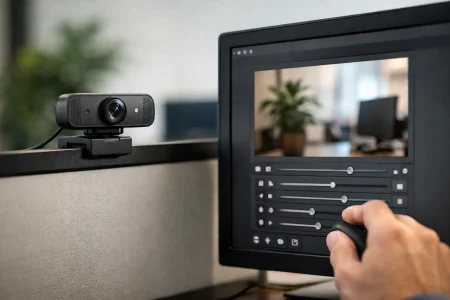
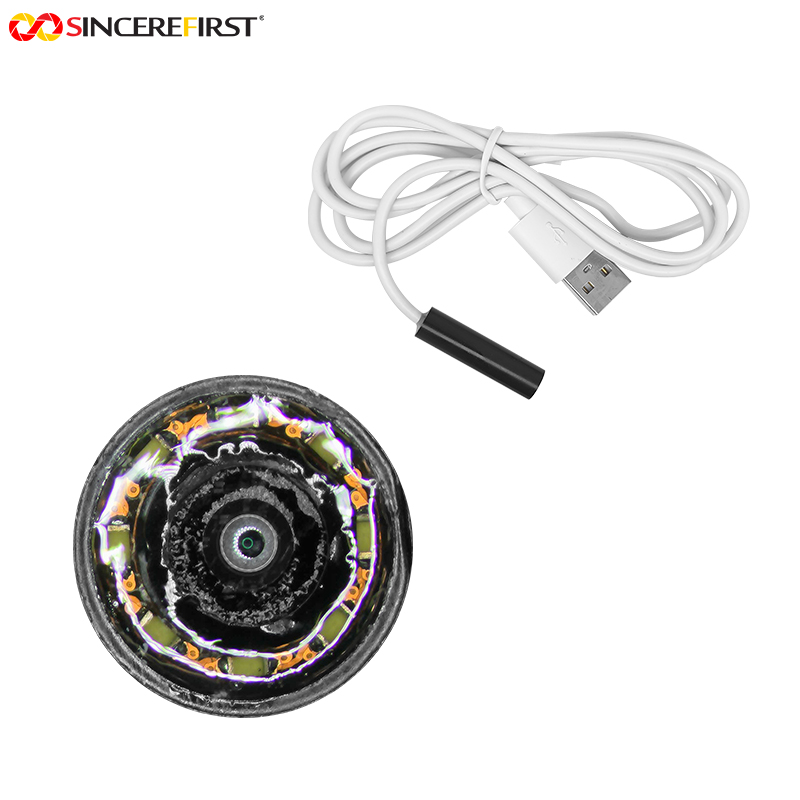
USB camera modules are usually the fastest path for proof of concept, desktop integration, and systems that benefit from plug-and-play UVC behavior. They are common in kiosks, industrial inspection, telemedicine accessories, and certain security devices. The trade-off is that USB may not be ideal where board space, power consumption, or embedded integration is tightly constrained.
MIPI camera modules are often preferred for compact embedded devices because they support direct integration with application processors and SBC platforms. They are widely used in robotics, handheld devices, smart terminals, and AI edge systems. The benefit is tighter system integration. The trade-off is that development is usually more platform-specific and requires stronger driver and ISP coordination.
DVP and FPC camera modules still have value in products where legacy compatibility, simple architecture, or mechanical flexibility matters. Endoscope and medical imaging modules add another layer of complexity because size, illumination, sterilization considerations, and image clarity in close-range environments all become critical.
For that reason, a camera module OEM Canada buyers shortlist should not be evaluated as one generic supplier category. The right OEM for a USB accessory may not be the right OEM for a surgical visualization tool or an autonomous agricultural platform.
Questions procurement and R&D should ask early
The most useful supplier discussions happen before the final specification is frozen. That is where technical and commercial risks can still be reduced without expensive changes.
Ask how the supplier handles sensor lifecycle planning. Many good designs run into trouble when an image sensor becomes constrained or discontinued. Ask what validation data is available for the proposed module, and whether image tuning can be adjusted for your actual operating environment. Ask how pilot runs are managed, what test coverage exists at module level, and how mechanical tolerances are controlled.
It also helps to ask about failure analysis support. If image artifacts, connection instability, or focus variation appear during EVT or DVT, response speed matters. A supplier that can diagnose root causes quickly will save weeks compared with one that simply offers replacement samples.
Commercially, you should ask about MOQ flexibility, sample lead time, volume lead time, revision control, and change notification procedures. A lower unit price means little if engineering changes arrive late or quality drift appears after ramp.
Why off-the-shelf pricing is not the full cost picture
Buyers often compare suppliers on visible pricing first. That is understandable, but camera modules rarely behave like pure commodity purchases in embedded products.
A low-cost module can become expensive if integration takes longer, if image quality needs software compensation, or if field issues force redesign. By contrast, a supplier with stronger engineering and production control may carry a higher quote but reduce total project cost through faster validation, better consistency, and smoother volume transition.
This is where experienced manufacturers stand out. Companies with deep imaging R&D, broad interface coverage, and large-scale production are better positioned to support both standard module supply and application-specific customization. For buyers who need a dependable partner rather than a one-time vendor, that difference is significant. SincereFirst, for example, is positioned around that model – combining embedded vision engineering, rapid customization, and scalable manufacturing for OEM and ODM programs.
What a strong supplier fit looks like
The best supplier fit is usually not the one promising everything. It is the one that aligns its technical recommendations with your actual product constraints.
If your project needs rapid prototyping, the right OEM should move quickly with standard modules and adaptation options. If your product requires miniaturization, unusual optics, medical-grade imaging, or industrial reliability, the supplier should be comfortable discussing design trade-offs with precision. If your roadmap includes future volume growth, the supplier should have the manufacturing foundation to support that transition without changing the entire program structure.
For Canada-based OEM buyers, this means looking past simple distributor logic. A camera module partner should contribute to product performance, manufacturing stability, and launch speed. That is the real value of a qualified OEM relationship.
Choose the supplier that can talk clearly about image performance, customization limits, production control, and long-term support – because the camera module you approve today will shape the reliability of the device you ship tomorrow.