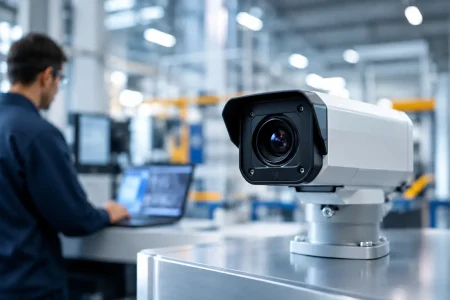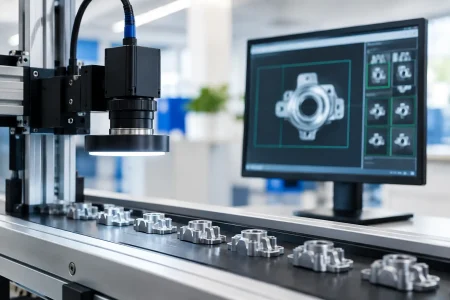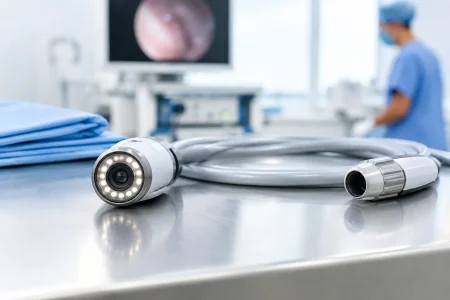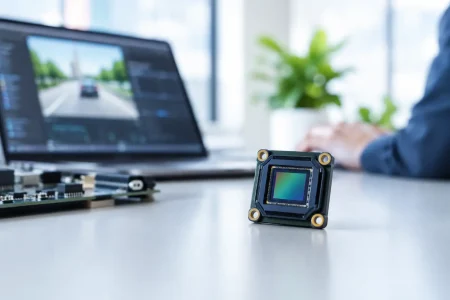

A camera module that performs well on a lab bench can still fail a commercial product program. It may not fit the enclosure, match the processor interface, hold focus through temperature changes, or arrive consistently at production volume. For teams sourcing an embedded camera module USA solution, the real requirement is not simply image quality. It is a qualified imaging assembly that can be engineered, sampled, validated, and manufactured without creating avoidable risk downstream.
US product developers are working under competing pressures: shorter launch schedules, stricter quality expectations, component availability concerns, and increasingly specialized imaging requirements. The right camera module supplier helps the team resolve those constraints early, when sensor selection, optics, mechanical packaging, and firmware choices are still practical to change.
What an Embedded Camera Module Must Deliver
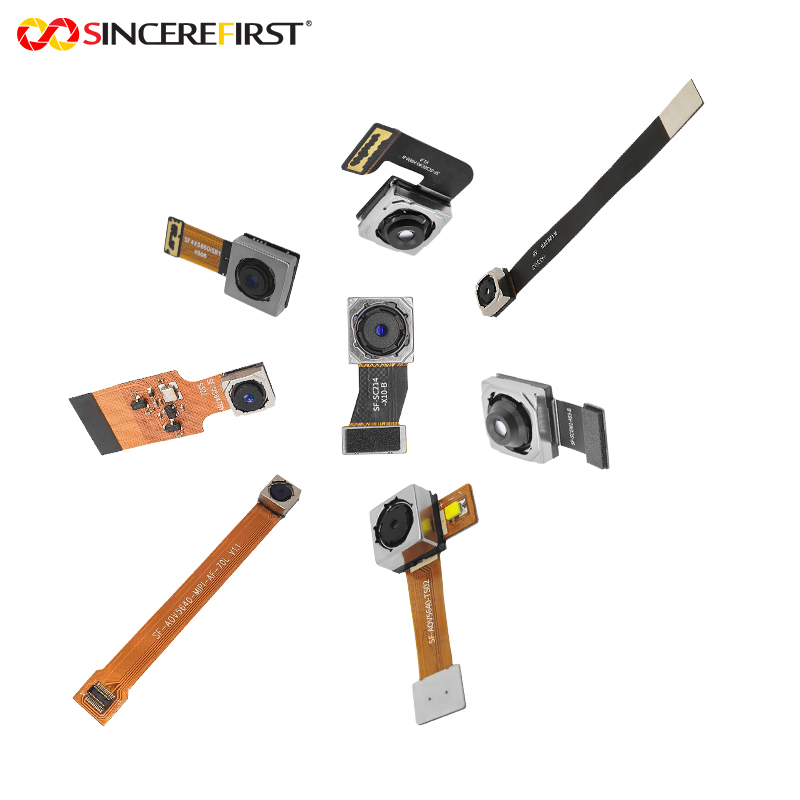
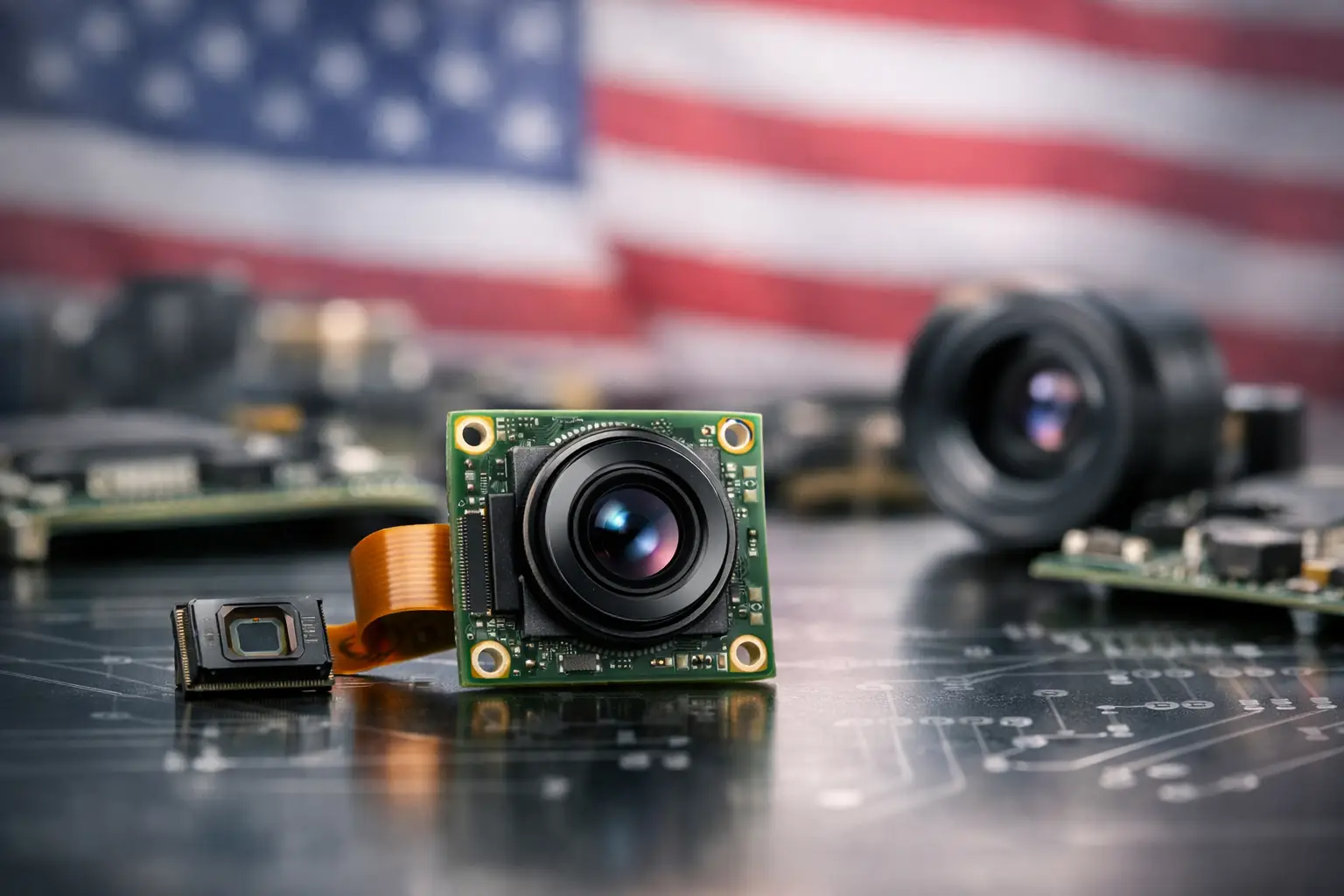
An embedded camera module is an integrated imaging component designed to become part of a larger device. It generally combines an image sensor, lens assembly, printed circuit board or flexible printed circuit, connector, and supporting electronics. Depending on the design, it may also include infrared filtering, LEDs, shielding, a housing, or a custom cable assembly.
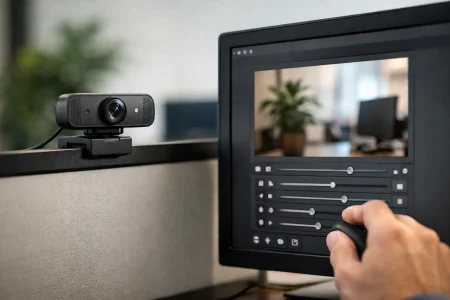
This is different from selecting a standalone webcam. An embedded design has to work within fixed limits for board space, power, thermal performance, cable routing, viewing angle, and host processor compatibility. In a medical handheld device, the priority may be compact dimensions and accurate color. In a mobile robot, low-light sensitivity and motion handling may matter more. In an industrial inspection system, controlled distortion, repeatable focus, and stable supply are often the deciding factors.
A specification sheet is only the starting point. Buyers should evaluate the full imaging chain: the scene and illumination, lens and sensor pairing, data interface, image signal processor behavior, mechanical assembly, and the test process used before shipment.
Start With the Application, Not the Resolution
Resolution is visible and easy to compare, but it is frequently overvalued. A 13-megapixel sensor is not automatically the better choice if the application needs fast frame rates, low latency, high sensitivity, or a small optical format. More pixels can also increase bandwidth, processing load, power consumption, storage requirements, and lens demands.
Define the operating task first. Ask what the camera must detect, measure, identify, or document. A barcode reader, crop-monitoring device, surgical visualization tool, smart locker, and automated optical inspection system each require a different balance of performance.
Image Quality Is a System Decision
Sensor size affects light capture, but it is only one part of the result. The lens must provide sufficient resolution for the selected sensor, maintain usable sharpness across the field of view, and fit the device depth available. Lens distortion may be acceptable for general monitoring but unacceptable when measurement accuracy is required.
Lighting conditions also change the recommendation. Bright, fixed illumination can support a small sensor and narrow exposure range. A security device operating at night or a mobile platform moving between indoor and outdoor environments may need greater sensitivity, wide dynamic range, infrared response, or carefully controlled auto-exposure behavior.
Color, monochrome, near-infrared, and global-shutter sensor options should be selected according to the scene. A rolling-shutter module can be cost-effective for many fixed or moderate-motion applications. For fast-moving objects, machine motion, or vibration-sensitive inspection, global shutter can prevent the skew and distortion that compromise usable images.
Choose an Interface That Fits the Host Architecture
Interface selection directly affects integration time. The best sensor is not the best choice if the host processor, operating system, cable length, or available software stack cannot support it efficiently.
MIPI CSI-2 camera modules are common in compact embedded platforms because they offer high data rates with low power consumption. They are a strong fit for many ARM-based systems, mobile devices, smart terminals, and custom boards. Their trade-off is that integration is more processor-specific. Teams need to confirm lane count, supported data formats, drivers, clocking, and image signal processor compatibility before committing to a module.
USB camera modules, including USB 2.0, USB 3.0, and UVC designs, reduce integration complexity for systems with standard USB host capability. UVC support can simplify deployment on Windows, Linux, and Android environments by using established camera-class drivers. USB 3.0 offers a practical path for higher-resolution or higher-frame-rate imaging, while USB 2.0 can be suitable where bandwidth needs are modest and cable flexibility is valuable.
DVP camera modules remain relevant for simpler embedded architectures and legacy processor platforms. FPC camera modules are often chosen where mechanical space is tight and the camera must be located away from the main board. The correct choice depends on the system architecture, not on a universal ranking of interfaces.
Evaluate the Mechanical Design as Early as the Electronics
Many camera programs encounter delays after the sensor and interface are already selected. The module may interfere with a housing feature, the connector orientation may force an awkward cable bend, or the focus setting may not match the final working distance. These are engineering issues, not procurement details.
Provide the supplier with the available module envelope, target optical axis location, field-of-view requirement, object distance, depth-of-field expectation, mounting approach, cable length, and environmental conditions. If the camera operates near motors, radio modules, or high-current circuitry, electromagnetic interference and grounding should be considered at the assembly level.
Fixed-focus modules are efficient and stable when the object distance is predictable. Auto-focus modules support changing working distances but add mechanical and control considerations. Manual-focus or actively aligned optical assemblies may be the right choice for inspection, medical, or scientific applications where the focus plane is critical.
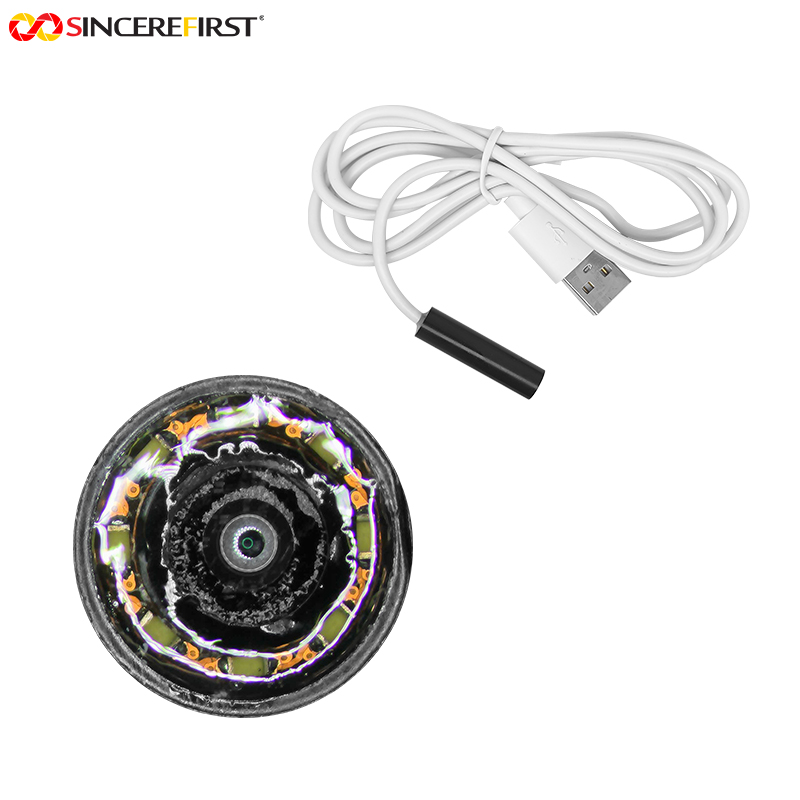
For compact endoscopic and internal inspection applications, diameter, cable construction, LED placement, and waterproofing requirements can be as significant as sensor resolution. A standard module may offer a useful starting point, but a custom optical and mechanical design often determines whether the final device is usable.
Qualify an Embedded Camera Module USA Supplier Beyond the Sample
A fast sample is useful, but it does not prove production readiness. US buyers should ask how the supplier controls variation across materials, lens assembly, focus adjustment, image tuning, and final inspection. A camera module is an optical assembly, and minor variation can produce meaningful changes in image quality.
A credible supplier should be able to discuss sensor sourcing, optical design limits, interface support, customization boundaries, test criteria, and anticipated lead times with engineering-level clarity. The goal is to identify potential constraints before tooling, certification, and pilot builds make design changes expensive.
For a commercial evaluation, review four areas together:
- Optical performance: Check field of view, distortion, corner sharpness, color behavior, low-light output, focus consistency, and image artifacts under the actual target illumination.
- Electrical and software integration: Confirm voltage requirements, interface timing, connector pinout, driver availability, supported operating systems, frame rates, and host-side processing requirements.
- Mechanical and environmental suitability: Verify dimensions, cable reliability, mounting tolerances, operating temperature, shock and vibration exposure, and any sealing or cleaning requirements.
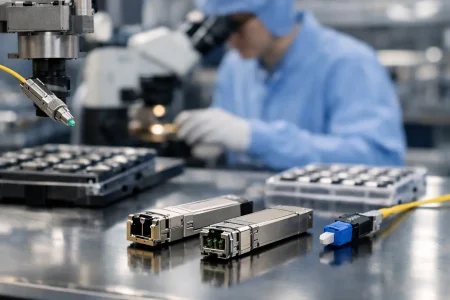
- Manufacturing control: Review cleanroom assembly capability, incoming inspection, active alignment where needed, image testing, traceability, yield management, and capacity planning for ramp production.
The lowest unit price can be misleading if it creates failures during pilot production or requires repeated design changes. Total program cost includes engineering hours, validation cycles, scrap exposure, delayed launch risk, and the cost of qualifying a replacement supplier.
When Custom Development Creates Better Economics
Customization is justified when a catalog module forces compromises that affect product performance, assembly, or differentiation. Common requests include a different lens field of view, a specific sensor, altered FPC length, connector changes, board shape adjustments, LED integration, infrared filtering, housing design, or image tuning for a defined environment.
Not every project needs a fully custom module. A practical path is to begin with a proven platform and change only the elements that matter. This approach can reduce non-recurring engineering expense and speed samples while preserving the option to create a production-specific version after validation.
SincereFirst supports this progression with standard camera module platforms and custom OEM/ODM imaging development for applications ranging from industrial automation and robotics to healthcare, security, and smart infrastructure. For buyers, the key advantage of working with an experienced manufacturer is the ability to discuss optics, electronics, mechanical integration, and production feasibility in one technical conversation.
Build the Validation Plan Before Ordering Pilot Units
A pilot order should test the final use case rather than only confirm that the camera turns on. Capture images across the expected working-distance range, lighting conditions, temperatures, motion levels, and software configurations. Test several units, not one ideal sample, to understand consistency.
If the application uses computer vision, validate the camera with the actual algorithm. Image quality that appears acceptable to the human eye may create poor detection results because of compression artifacts, changing exposure, color shifts, or insufficient contrast. Conversely, a lower-resolution monochrome module with controlled illumination may produce more reliable machine vision results than a higher-resolution color camera.
Document the approved configuration precisely. The record should identify the sensor, lens, focus specification, filter, cable, connector, firmware or tuning version, mechanical dimensions, and inspection criteria. This becomes the reference for production approval and change control.
A well-chosen camera module becomes a stable part of the product architecture rather than a recurring source of rework. Bring the supplier into the design review early, share the real operating conditions, and treat optical validation as a production decision – not a last-minute sample check.