
A camera that only captures an image is no longer enough for an automated production line, autonomous robot, or inspection device. The future of industrial imaging belongs to systems that acquire, interpret, and act on visual data close to the point of capture. For OEMs and system integrators, that shift changes how cameras are specified, how software is deployed, and how quickly a product can move from prototype to volume production.
Industrial imaging is becoming more compact, more intelligent, and more application-specific. A high-resolution sensor still matters, but it is only one part of a working vision system. Lens selection, illumination, interface bandwidth, processing location, mechanical integration, and manufacturing consistency now determine whether a design performs reliably outside the lab.
The Future of Industrial Imaging Moves to the Edge
Cloud platforms remain valuable for fleet management, model training, and long-term analytics. They are not always the right place for a vision decision that must be made in milliseconds. A robotic gripper cannot wait for a remote server to determine a part’s orientation. A high-speed inspection station cannot send every frame across a network before rejecting a defective product.
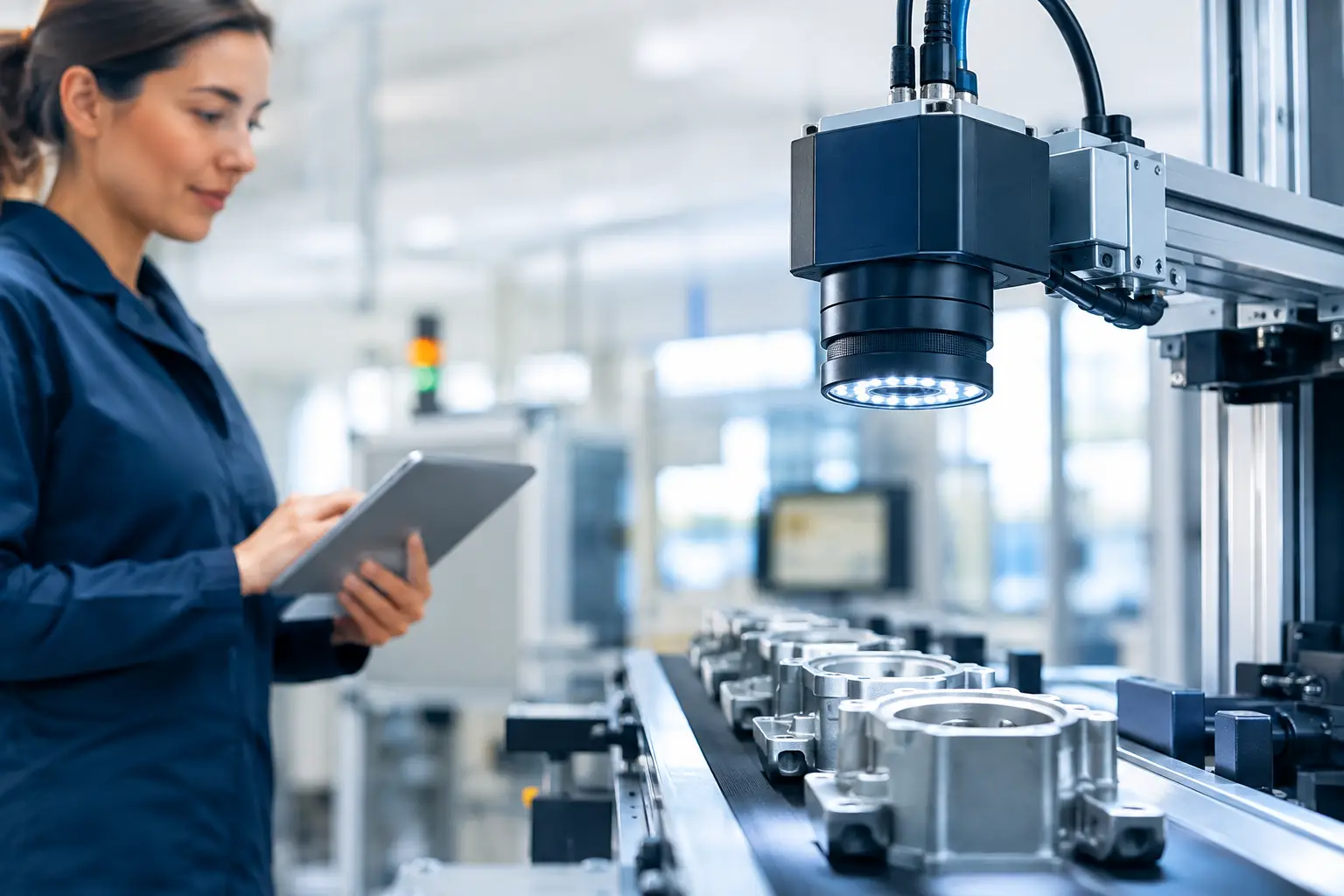
This is why edge AI is becoming a core direction for industrial imaging. Camera modules and embedded vision systems increasingly feed local processors, AI accelerators, FPGAs, or smart cameras that can classify, measure, detect, and trigger actions with low latency. The practical result is faster response, reduced bandwidth demand, and better control of sensitive image data.
However, edge processing does not eliminate the need for careful camera selection. AI models are only as dependable as the images they receive. Motion blur, poor dynamic range, lens distortion, unstable exposure, and inconsistent illumination can reduce detection accuracy before the algorithm begins its work. The camera module must be engineered around the task, not selected solely from a resolution chart.
For many embedded applications, MIPI CSI-2 is becoming a preferred interface because it supports compact designs and direct integration with modern application processors. USB 3.0 remains a strong option where plug-and-play deployment, higher throughput, and PC-based machine vision are required. USB 2.0 and UVC modules continue to serve cost-sensitive terminals, compact instruments, and systems that do not require high frame rates. There is no universal best interface. The right choice depends on cable length, processor architecture, image data rate, power limits, and software requirements.
Resolution Is Becoming More Purposeful
Higher resolution is useful when an application must inspect fine features, crop multiple regions of interest, or measure small defects across a wide field of view. It also creates trade-offs. More pixels demand greater processing capacity, larger memory bandwidth, additional storage, and often more expensive optics. In a high-speed line, a lower-resolution global shutter sensor may deliver a more useful image than a high-resolution rolling shutter sensor.
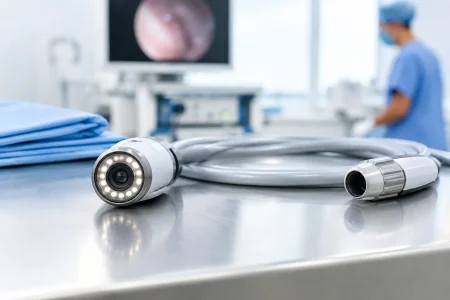
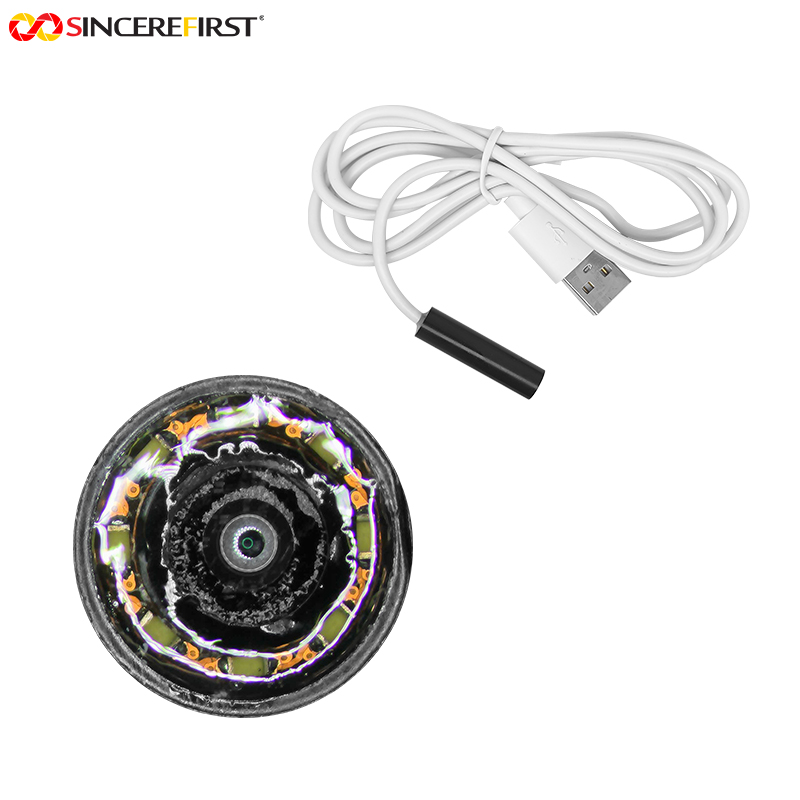
The next generation of industrial cameras will be selected by usable information rather than pixel count alone. A packaging inspection system may need reliable code reading at speed. An agricultural device may require near-infrared sensitivity to distinguish crop conditions. A mobile robot may benefit from stereo vision, depth sensing, or a combination of visible and infrared cameras. Medical and industrial endoscope modules may prioritize a very small diameter, controlled lighting, color consistency, and flexible mechanical routing over high resolution.
Sensor technology will continue to improve low-light performance, high dynamic range, and frame rates. Global shutter sensors will become more accessible for motion-intensive work, while rolling shutter designs will remain competitive for stationary scenes and cost-controlled products. The specification discussion should begin with the scene: object size, movement speed, working distance, contrast, illumination, and acceptable inspection error. That process prevents expensive overdesign and exposes limitations early.
Optics Will Carry More of the System Burden
As machine vision expands into smaller devices and more demanding environments, optics will be a critical differentiator. A sensor cannot recover detail that never reaches it clearly. Field of view, focal length, aperture, distortion, depth of field, and focus stability must match the application geometry.
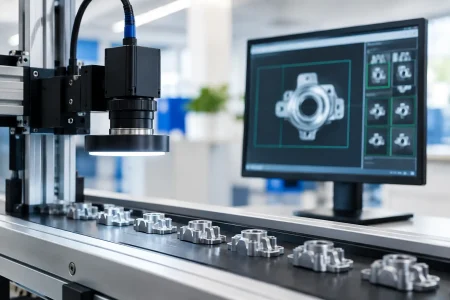
Industrial imaging also faces conditions that standard consumer camera designs rarely encounter. Reflective metal, transparent films, vibration, dust, changing daylight, high-temperature equipment, and narrow installation spaces can all affect image quality. In these settings, lens design and illumination strategy are closely connected. A well-matched lens, controlled LED lighting, and stable exposure configuration often improve inspection performance more than a simple increase in sensor resolution.
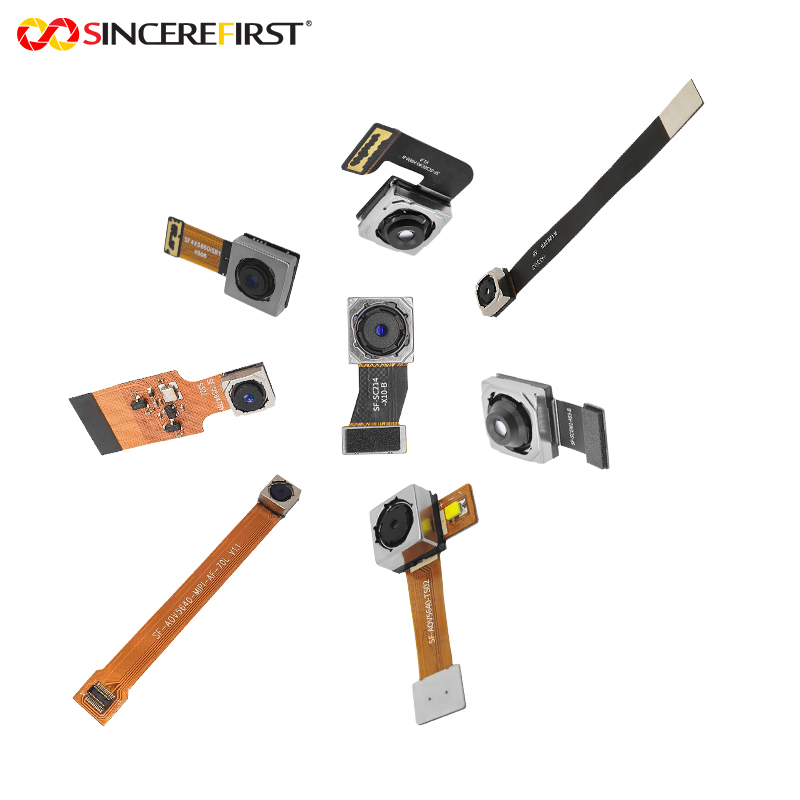
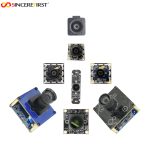
For compact modules, the integration challenge becomes even tighter. The optical stack, sensor board, FPC length, connector orientation, and housing tolerances must work together. Customized FPC camera modules can help device manufacturers fit imaging into constrained mechanical assemblies, but customization should include validation for signal integrity, thermal performance, focus retention, and assembly repeatability.
Industrial Vision Will Become More Multimodal
Visible-light imaging will remain the foundation of most industrial systems, yet it will increasingly be combined with other sensing methods. Depth cameras can support bin picking and volume measurement. Near-infrared imaging can reveal material differences that are difficult to identify in visible light. Thermal imaging can highlight abnormal heat patterns. Polarization can reduce glare in selected inspection tasks.
The value of multimodal imaging is not that every machine needs every sensor. It is that difficult inspection problems can be addressed with the most informative signal. For example, a glossy label inspection station may require lighting and polarization control, while a warehouse robot may need RGB cameras paired with depth data. Each added modality increases integration complexity, calibration needs, and cost. Product teams should add sensors only when they solve a measurable problem that visible imaging cannot solve reliably.
This direction also creates opportunities for synchronized multi-camera systems. Multiple viewpoints can reduce occlusion, improve measurement confidence, and support 3D reconstruction. Synchronization must be considered at the hardware level, especially when cameras operate with moving objects, pulsed illumination, or real-time robotic control. Frame timing, trigger inputs, exposure control, and processor bandwidth should be defined before mechanical design is finalized.
Manufacturing Consistency Will Matter as Much as Innovation
A promising prototype does not automatically become a dependable production product. The industrial imaging market is moving toward more specialized designs, but buyers still need predictable supply, controlled quality, and repeatable performance at scale. This is where camera module manufacturing discipline matters.
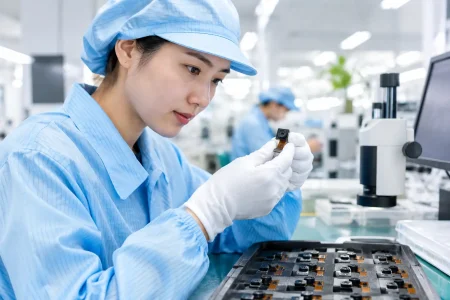
Critical production controls include incoming sensor and lens inspection, cleanroom assembly, active alignment where required, focus verification, image uniformity checks, electrical testing, and traceability. A module can meet its basic electrical specification yet still cause field issues if optical quality varies from unit to unit. Variation in focus, dust contamination, color response, or connector reliability can become expensive when hundreds or thousands of systems are deployed.
For OEM programs, a supplier should be evaluated as an engineering and manufacturing partner. Can the team support sensor selection and interface matching? Can it modify board shape, FPC layout, connector placement, lens parameters, or housing design? Can it provide samples quickly without losing control of the eventual production process? These questions are often more important than selecting the lowest initial module price.
SincereFirst approaches this requirement through standard camera module supply and customized imaging development, supported by more than 30 years of R&D and manufacturing experience. For device builders, the practical advantage is a path from application definition to sample validation and scaled production without treating the camera as an isolated component.
Designing for the Future of Industrial Imaging
The strongest industrial imaging products will be designed as systems from the beginning. Hardware teams, optical engineers, embedded developers, and manufacturing teams need shared requirements. A camera module may fit mechanically but fail the product if its driver support is incomplete, its interface creates processor bottlenecks, or its thermal behavior changes image quality during continuous operation.
Early prototypes should test real materials, real lighting, real movement, and real contamination risks. A barcode reader tested under clean office lighting tells little about performance on a dusty line with reflective packaging. Likewise, an endoscope camera module should be evaluated not only for image sharpness, but also for cable durability, LED thermal management, waterproofing needs, and the ergonomics of the final instrument.
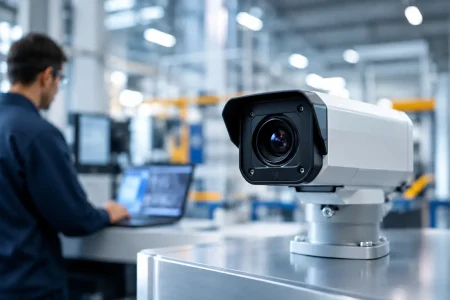
Security also deserves attention as connected cameras become more common. Systems that transmit images, run AI models, or connect to factory networks need controlled firmware, authenticated updates, and an architecture that limits unnecessary data exposure. Privacy and cybersecurity requirements differ by industry, particularly in healthcare and public infrastructure, so the right solution depends on the deployment environment.
The most useful next step is to define the decision your camera must support, then engineer backward from that requirement. When image quality, processing, interface, optics, and production controls are aligned, industrial imaging becomes more than a sensor in a housing. It becomes a dependable set of intelligent eyes for the machine you are building.