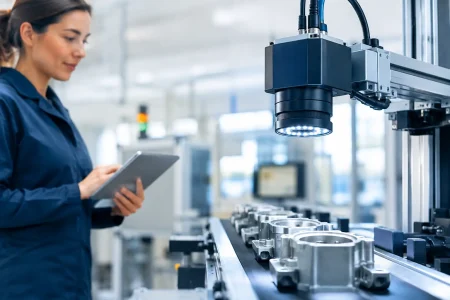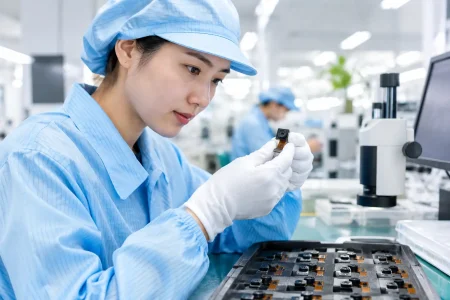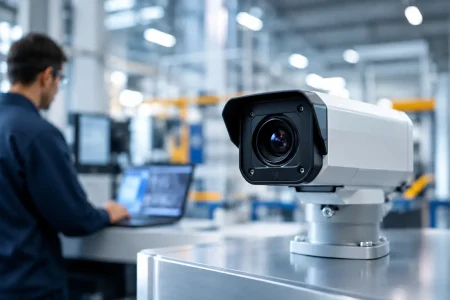

A camera that produces attractive images in a lab can still fail on a factory floor, inside a medical device, or at the end of a robotic arm. The reason is increasingly found in the processing pipeline, not the sensor alone. Computational imaging trends are changing how OEMs specify camera modules: image quality is now the result of optics, sensor behavior, ISP tuning, algorithms, system compute, and production calibration working as one engineered system.
For device manufacturers, this shift creates opportunity and complexity at the same time. Software can correct limitations that once required larger optics or more expensive sensors. But it also raises the stakes for module integration. A camera must be selected and tuned for the actual lighting, motion, working distance, interface bandwidth, thermal envelope, and decision task of the finished product.
Computational Imaging Trends Moving Into Embedded Vision
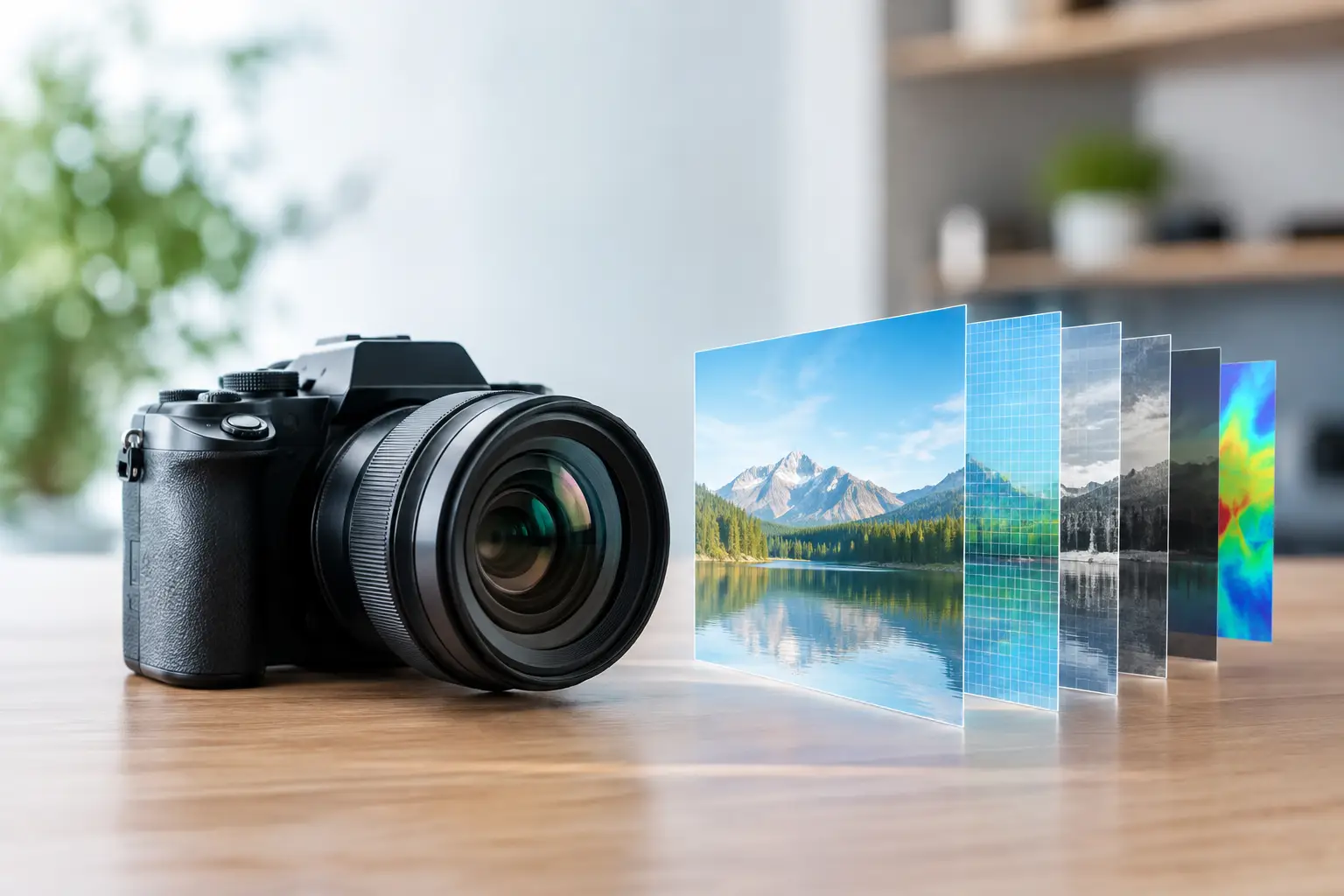
Computational imaging is not simply applying a filter after image capture. It is the deliberate use of algorithms before, during, and after capture to recover information, suppress noise, extend dynamic range, estimate depth, stabilize images, or prepare data for machine vision inference. In embedded products, the strongest designs distribute this work across the sensor, image signal processor, application processor, and edge AI accelerator.
Image quality is becoming application-specific
For years, resolution was the easiest camera specification to compare. Resolution still matters, but it does not answer whether an imaging system can identify a scratch on reflective metal, read a barcode on a moving package, distinguish tissue boundaries, or detect an obstacle in weak light.
Computational processing allows a camera to be optimized around those outcomes. Multi-frame denoising can improve visibility in low light. High dynamic range processing can preserve details in shadows and highlights. Deblurring and temporal filtering can improve usable imagery when vibration or motion is unavoidable. In inspection systems, contrast enhancement and defect-specific preprocessing can provide cleaner inputs to downstream vision models.
The trade-off is latency. A security camera can often accept modest processing delay to improve nighttime video. A robotic gripper, high-speed inspection station, or surgical imaging device may not. The right question is not whether a feature is available, but whether its image improvement justifies its power, memory, compute, and response-time requirements.
Edge AI is moving closer to the image pipeline
Machine vision applications increasingly need decisions at the edge. Sending every video frame to a cloud server introduces bandwidth costs, privacy exposure, and response delays that many industrial and medical applications cannot accept. As a result, camera and compute architecture are being designed together.
This does not mean every camera module needs an AI processor. In many products, the module should deliver a clean, stable, correctly exposed image through MIPI CSI-2, USB, DVP, or UVC, while the host processor runs the model. In more constrained systems, an intelligent sensor or a dedicated edge processor may reduce the volume of data that needs to leave the imaging subsystem.
For OEM teams, early coordination matters. A high-resolution sensor may generate more data than the selected interface, ISP, or processor can handle at the required frame rate. A model trained with one color pipeline may lose accuracy when deployed with another. Camera module selection, ISP parameter control, and AI model validation should be treated as one engineering workflow, not three separate purchasing decisions.
Multi-frame capture is improving low light and HDR
Single-frame image capture has physical limits. Small pixels collect limited photons, and compact embedded devices cannot always use large lenses, long exposures, or bright illumination. Computational imaging addresses this constraint by combining information across frames.
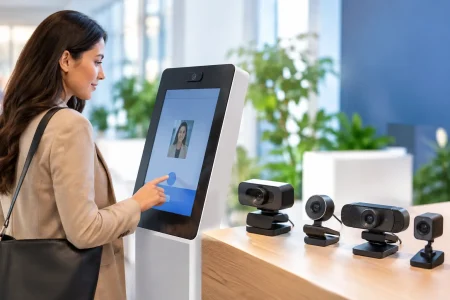
In low light, multiple exposures can be aligned and merged to reduce random noise while retaining detail. For scenes with bright windows, reflective surfaces, or vehicle headlights, HDR methods can preserve a broader tonal range than a single exposure. These capabilities are especially relevant to smart city infrastructure, access control terminals, mobile diagnostic devices, and outdoor industrial equipment.
However, multi-frame methods depend on scene stability. Fast motion can create ghosting, and rolling-shutter distortion can complicate alignment. For moving production lines or robotic applications, a global-shutter sensor, controlled lighting, synchronized triggering, or a simpler single-frame approach may produce more reliable results than aggressive computational processing.
The Optical Foundation Behind Computational Imaging Trends
Algorithms do not eliminate the need for good optical design. They make optical decisions more consequential. A lens with poor edge performance, excessive flare, unstable focus, or unsuitable infrared response can create artifacts that software cannot reliably remove. The most effective computational imaging programs begin with the optical path and sensor selection, then use processing to refine measurable performance.
Lens distortion is a clear example. Software correction can straighten lines and improve geometric accuracy, but it also resamples pixels and may reduce effective field coverage or edge detail. For a consumer viewing application, that may be acceptable. For metrology, robot guidance, or dimensional inspection, distortion calibration must be repeatable across the production population and maintained at the system level.
Color is another area where calibration matters. White balance, color correction matrices, near-infrared behavior, illumination spectrum, and enclosure materials can all affect what a sensor reports. If a vision model uses color as a classification signal, teams should validate performance under the lighting conditions that the deployed device will actually encounter. A model that works under controlled white LED lighting may behave differently under daylight, warm warehouse lighting, or mixed illumination.
Depth is expanding beyond stereo cameras
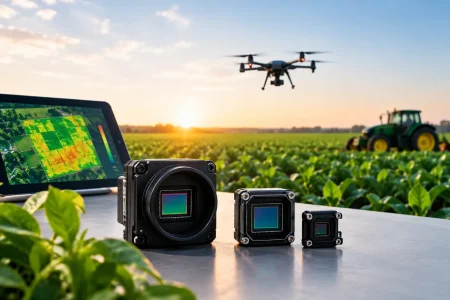
Depth sensing remains a major development area, but there is no universal depth technology. Stereo vision can provide passive depth with two calibrated cameras and sufficient texture. Structured light can offer detailed close-range measurement but may be affected by ambient light. Time-of-flight sensors can produce direct depth data but require careful consideration of range, reflective materials, multipath interference, and outdoor performance.
Computational methods can improve depth maps by fusing RGB data, temporal information, inertial data, or learned models. Yet estimated depth should not be confused with precision measurement. A warehouse navigation robot, a people-counting system, and a medical measurement tool have different error tolerances. The intended decision must define the sensor and algorithm choice.
What This Means for Camera Module Development
The practical impact of these trends is that a camera module is no longer a passive component selected at the end of product design. It is a performance-critical subsystem. Product managers and R&D teams should define the imaging task before finalizing sensor resolution, lens angle, interface, or module mechanics.
A useful requirements discussion starts with the target object, minimum detectable feature, working distance, field of view, illumination range, motion profile, and required response time. It should also cover host platform constraints, including MIPI lane availability, USB bandwidth, supported pixel formats, ISP ownership, board space, cable length, and thermal limits.
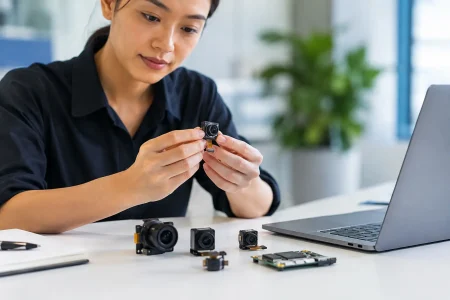
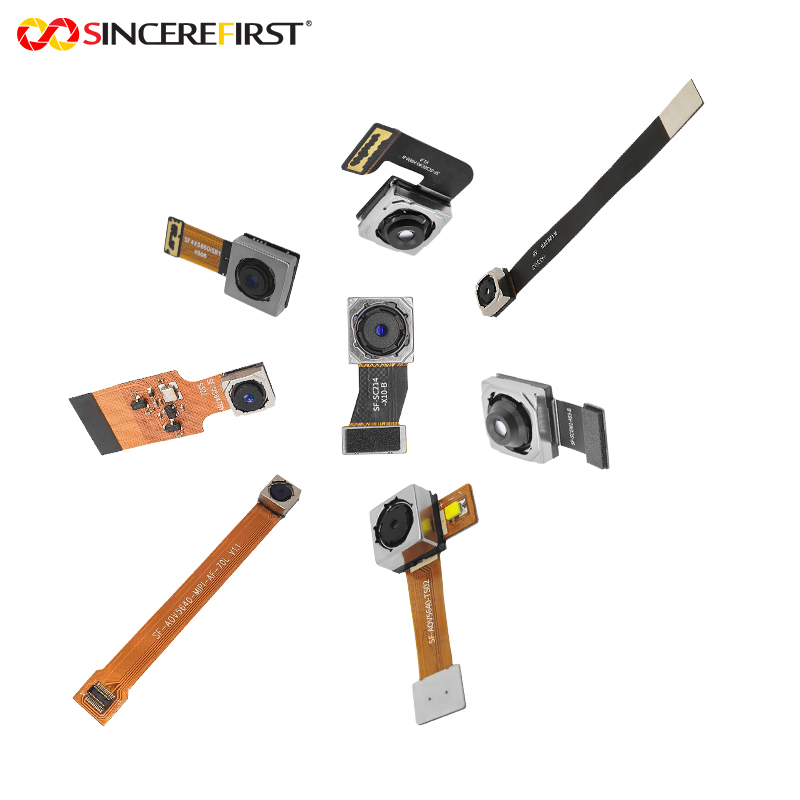
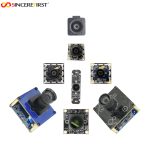
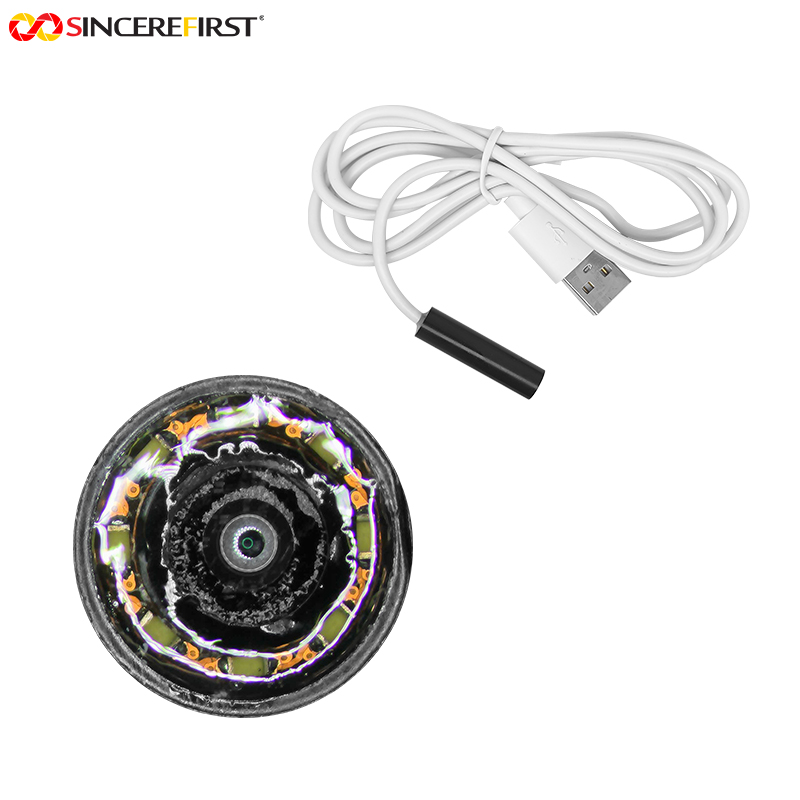
For example, a compact FPC or MIPI camera module may be appropriate when a product needs a thin mechanical profile and direct connection to an embedded processor. A USB 3.0 module can simplify integration and provide higher-throughput connectivity for industrial systems. UVC modules can reduce driver complexity in compatible host environments. Endoscope camera modules require an even tighter balance of diameter, illumination, flexible cable design, sensor size, optical performance, and thermal management.
Customization should also extend beyond the camera’s electrical connector. Lens selection, focus position, IR-cut configuration, LED arrangement, board shape, cable length, shielding, synchronization, and image tuning can all affect field performance. When computational processing is involved, production consistency becomes particularly important because algorithm settings and AI models are sensitive to image variation.
Manufacturing Consistency Is a Computational Requirement
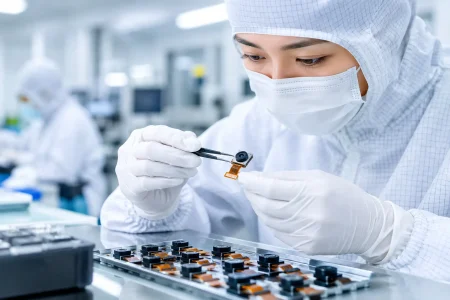
A well-tuned prototype does not guarantee a stable production result. Small variations in lens positioning, focus, sensor response, module assembly, or illumination can change image statistics enough to affect an algorithm’s output. This is why scalable computational imaging requires manufacturing discipline alongside software capability.
For high-volume programs, teams should plan for module-level inspection, optical alignment control, image quality testing, calibration data management, and traceability. The required depth of testing depends on the application. A consumer device may prioritize appearance and yield. An industrial inspection camera may require repeatable sharpness, distortion, shading, and color behavior. Medical imaging applications may demand tighter documentation and validation processes.
SincereFirst supports this approach by combining standard embedded camera modules with custom optical, mechanical, and interface development. With more than 30 years of R&D and manufacturing experience, the focus is not just on supplying a sensor module, but on helping OEM teams move from sample evaluation to repeatable volume production with the right imaging configuration.
The next camera design review should begin with a practical question: what information must the device reliably see, under its real operating conditions, to make the right decision? Once that answer is precise, the right balance of optics, sensor technology, computational processing, and manufacturability becomes much easier to engineer.