
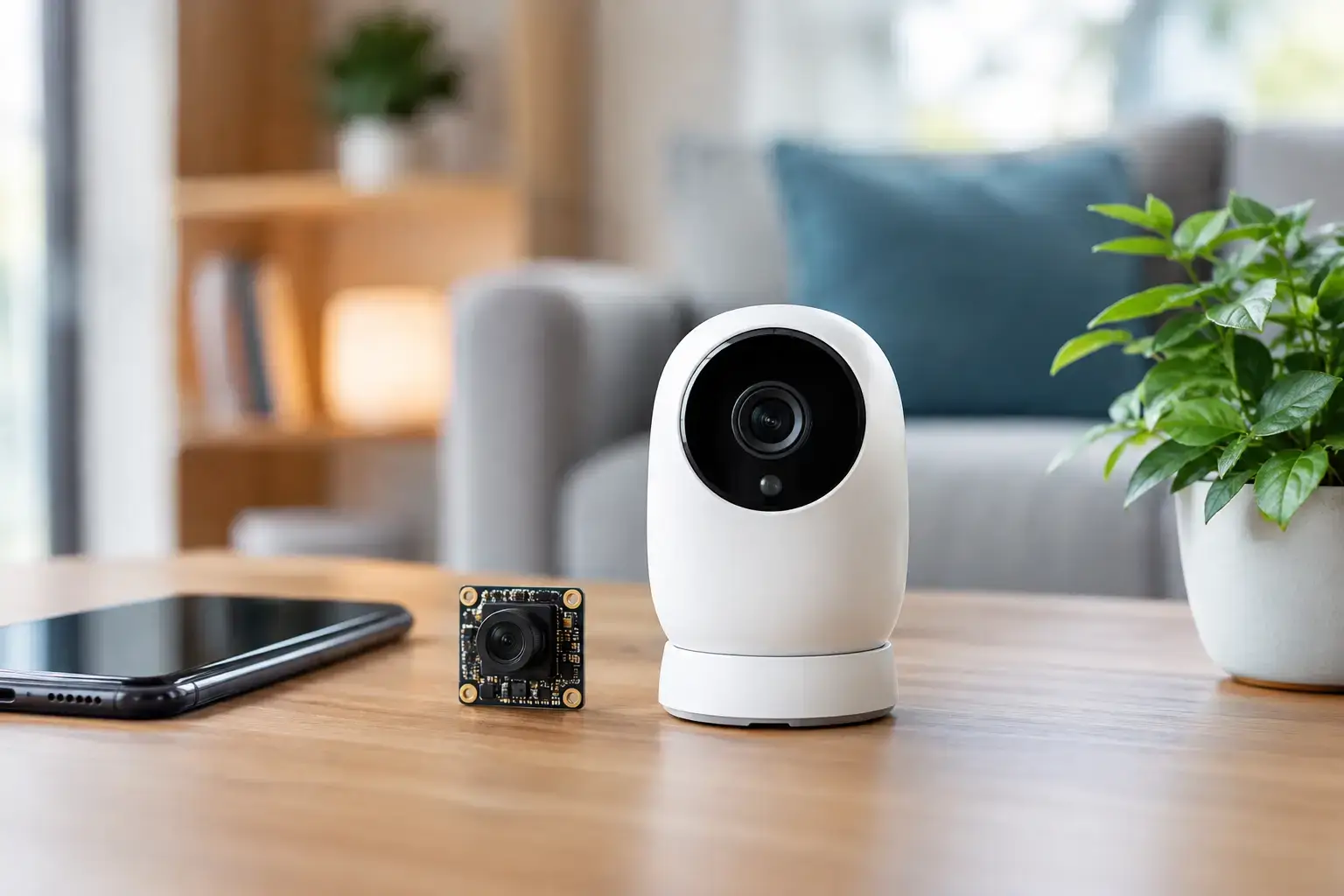
A camera that captures excellent images but cuts battery life in half is not a successful camera design. For engineers building autonomous sensors, portable medical equipment, smart home products, or industrial edge devices, low power cameras must balance image quality, response time, thermal limits, and operating life. The right module is not simply the one with the lowest current figure on a datasheet. It is the camera architecture that delivers usable image data within the real power budget of the complete device.
Why Low Power Cameras Matter in Embedded Design
Power consumption affects far more than battery runtime. It influences enclosure design, thermal management, processor selection, charging requirements, maintenance intervals, and the size of the final product. In a compact device, every milliwatt matters because heat has fewer paths to escape and battery capacity is limited.
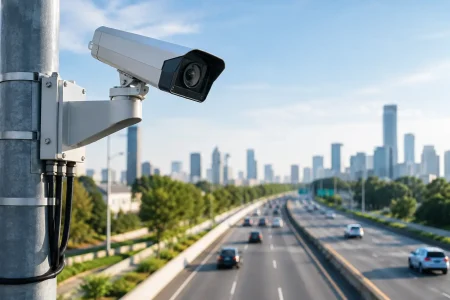
This is especially clear in always-on applications. A battery-operated security camera may need to watch for motion continuously but transmit or record only when an event occurs. A robotic cleaning device needs visual input for navigation without sacrificing runtime. A medical handheld may require stable imaging while remaining cool enough for safe, comfortable use. In each case, the camera module is part of a broader energy strategy, not an isolated component.
For OEMs and system integrators, low-power design can also reduce total system cost. Lower average power may allow a smaller battery, a simpler thermal solution, or a less demanding power-management circuit. Those savings need to be weighed against sensor cost, optical requirements, and firmware development effort. The lowest-power module is not always the best commercial choice if it introduces image noise, latency, or integration risk.
What Determines Camera Module Power Consumption?
Camera power is shaped by the image sensor, interface, clocking, image-processing path, illumination, and the operating modes supported by the module. Evaluating only active current can lead to a poor design decision because many smart devices spend most of their lives in standby, waiting for a trigger.
Sensor resolution and pixel architecture
Higher resolution generally requires more pixels to be read, processed, and transferred. At the same frame rate, a 4K sensor will normally consume more bandwidth and system power than a 1080p sensor. However, resolution alone does not define efficiency. Sensor process technology, pixel size, readout architecture, and on-chip functions can substantially change consumption.
A larger sensor or larger pixel can improve low-light sensitivity, reducing the need for high analog gain or added illumination. This may lower total system energy in a dark environment even if the sensor itself is not the lowest-current option. The design target should be usable scene information, not resolution for its own sake.
Frame rate and readout mode
Frame rate is one of the most direct power levers. A module operating at 60 frames per second reads and sends twice as much image data as one operating at 30 frames per second, assuming all other settings are equal. Many monitoring and inspection tasks do not need high frame rates continuously.
A practical approach is to use a low-frame-rate monitoring mode, then switch to a higher-performance mode after motion, proximity, or another event is detected. The transition time matters. If wake-up is too slow, the device may miss the event it was designed to capture. This is why standby current, wake latency, and mode-switch behavior should be tested as carefully as active power.
Interface selection: MIPI, USB, and DVP
The interface affects both module-level and platform-level energy use. MIPI CSI-2 is commonly preferred in compact embedded products because it supports high data rates with efficient differential signaling and direct connection to many mobile and embedded processors. It is often a strong fit for battery-powered products, robotics, tablets, smart appliances, and custom AIoT hardware.
USB camera modules offer simpler integration for systems that require UVC compatibility or connection to a standard host. USB can be the right choice for industrial terminals, medical carts, and development platforms, but power use must be evaluated across the full USB subsystem, host processor, and software stack. DVP modules remain useful in cost-sensitive or legacy embedded platforms, particularly where lower resolutions and simple parallel interfaces are sufficient.
The best interface depends on the processor, cable length, resolution, frame rate, and software environment. An efficient camera interface cannot compensate for an inefficient host pipeline.
Image processing and edge intelligence
Raw image data can create a hidden power problem. Sending every frame to a high-performance application processor for analysis may consume more energy than the sensor itself. For event-based applications, it may be more efficient to use sensor features, a low-power microcontroller, or a dedicated vision processor to determine when full image capture is needed.
This does not mean every product needs advanced on-device AI. A simple exposure check, motion threshold, region-of-interest readout, or frame-skipping strategy can lower average power significantly. The correct level of intelligence depends on the task and the required decision accuracy.
LEDs and active illumination
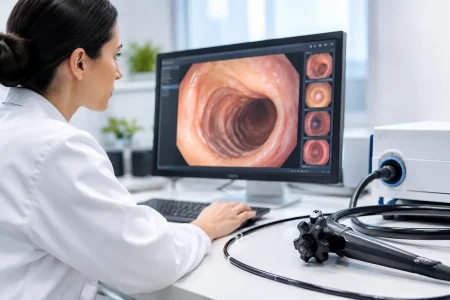
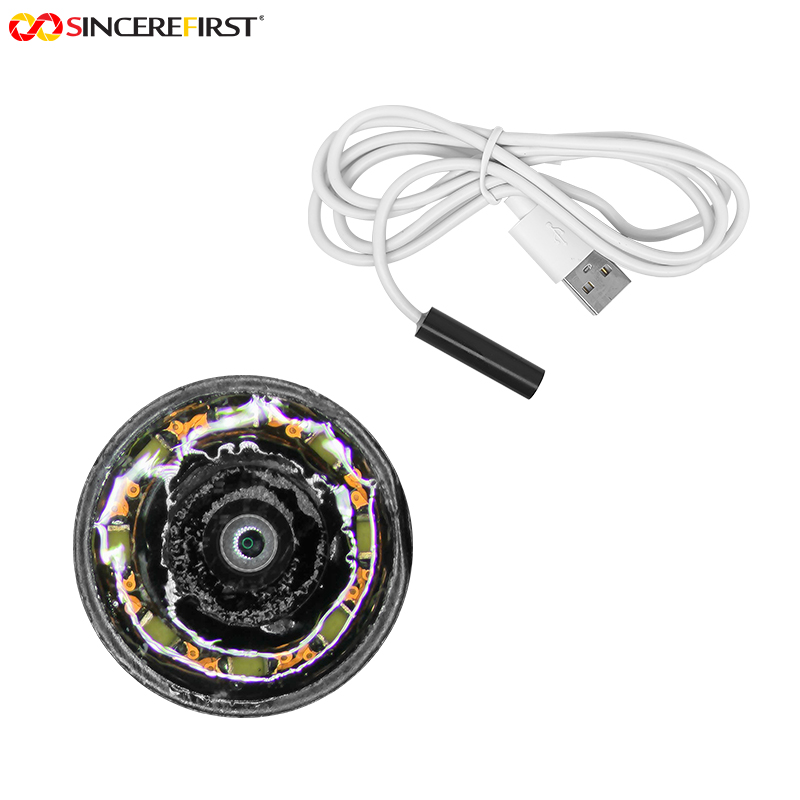
In endoscopes, low-light inspection tools, security products, and medical imaging devices, LEDs can become the largest energy load. A camera module that consumes little power may still create a high-consumption system if illumination runs at maximum brightness continuously.
Optical design, LED placement, sensor sensitivity, exposure control, and brightness control need to be developed together. Better light delivery to the target can reduce required LED drive current. For miniature endoscope camera modules, this integration is essential because heat, cable constraints, and space are all tightly controlled.
How to Specify Low Power Cameras for a Product
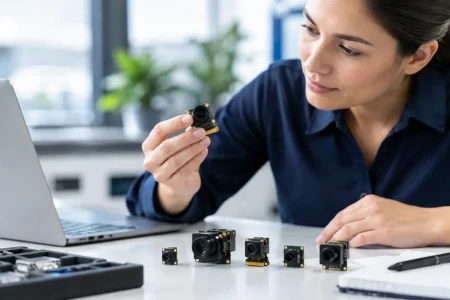
A useful specification begins with the operating scenario, not a resolution requirement. Define what the camera must detect, identify, measure, or record, then establish the conditions under which it must do so. A warehouse robot navigating marked lanes has different imaging needs from a wearable medical device or a wildlife monitoring camera.
Engineering teams should quantify average power, peak power, standby current, boot time, and thermal behavior. Average power affects operating life, while peak current affects regulator sizing and battery stability. A module may have low average consumption but still require a power supply capable of handling startup surges or LED pulses.
Image quality requirements should be expressed in measurable terms. These can include minimum illumination, field of view, motion blur tolerance, color accuracy, dynamic range, distortion limits, and acceptable noise. A lower-power sensor that cannot produce reliable images in the intended environment will shift cost and complexity elsewhere in the system.
It is also necessary to account for the host. MIPI lane count, ISP availability, memory bandwidth, processor load, and video encoding can dominate the final energy profile. Early testing with the actual processor board, display, storage method, and power supply is more reliable than estimating from individual component datasheets.
Design Strategies That Reduce Energy Without Losing Vision Performance
The most effective projects treat power reduction as a system-level optimization. Four strategies consistently provide value:
- Use standby, sleep, and triggered-capture modes that match the product’s real duty cycle.
- Reduce frame rate, resolution, or region of interest when full image detail is not required.
- Select optics and sensors that provide sufficient low-light performance without excessive gain or constant high-power illumination.
- Keep image data close to the edge when local filtering or event detection can avoid continuous high-bandwidth processing.
These measures involve trade-offs. Lower frame rates can miss fast movement. Aggressive compression can hide defects in an inspection image. Deep sleep modes can increase wake time. The engineering objective is to identify where energy can be reduced without compromising the decision the device must make.
Manufacturing Considerations for Custom Low Power Camera Modules
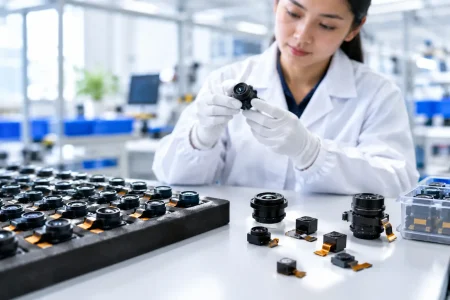
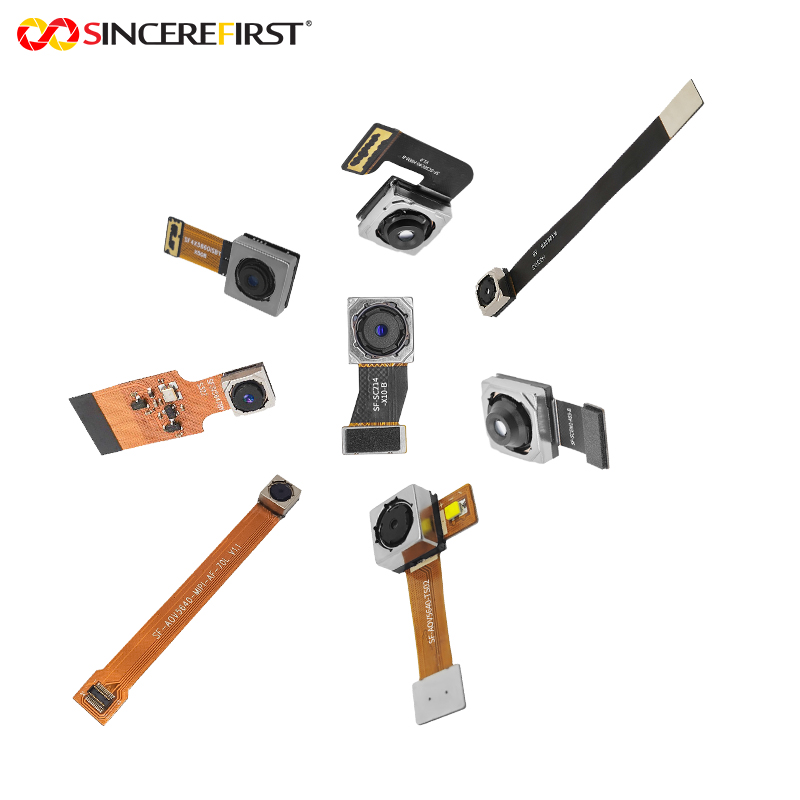
A standard camera module can accelerate development, but custom products often need changes that directly affect power and reliability. These include FPC length and pinout, connector orientation, lens selection, infrared filtering, fixed-focus distance, LED configuration, shielding, module dimensions, and firmware settings.
For scaled production, consistency matters as much as a successful prototype. Variation in lens focus, sensor tuning, cable impedance, or LED output can change image quality and power behavior across units. A qualified supplier should be able to support optical selection, electrical validation, cleanroom assembly, image testing, and controlled mass production.
SincereFirst supports embedded imaging programs with standard and customized MIPI, USB, DVP, FPC, medical, and endoscope camera modules. For power-sensitive applications, early alignment between the module supplier, hardware team, and firmware developer can prevent repeated redesigns after the mechanical and electrical architecture is already fixed.
The strongest low-power camera design starts with one practical question: what image information is genuinely needed, how often is it needed, and what is the lowest-energy path to obtain it reliably? Answer that before selecting a sensor, and the rest of the system has a far better chance of meeting its battery, thermal, and production targets.